
Side Dishes
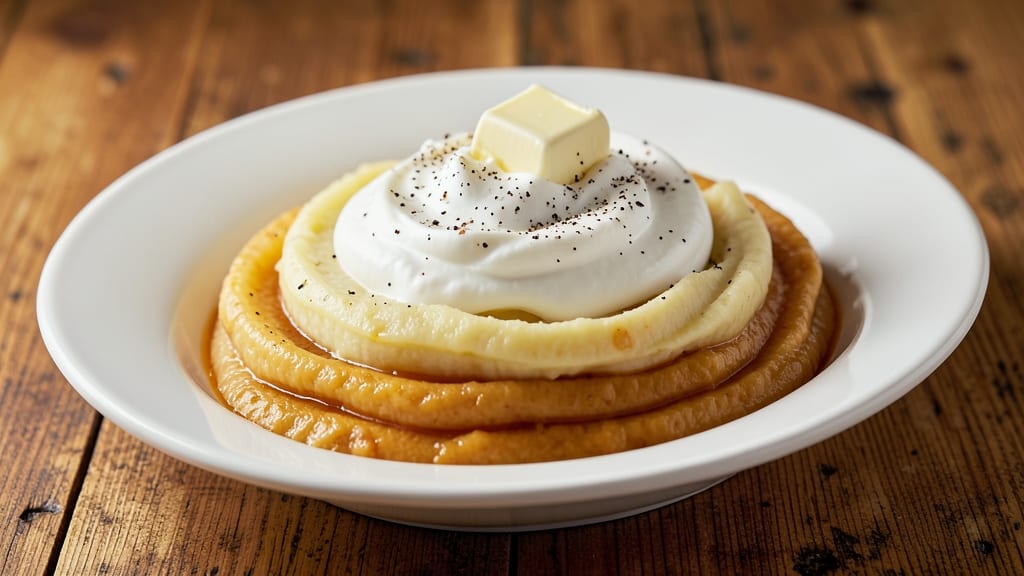
The America's Test Kitchen mashed potatoes recipe delivers the creamiest, lump-free texture through precise technique and ingredient ratios. This isn't your grandmother's method—it's science-backed to achieve that signature velvety consistency without overworking the potatoes. After years of testing, I've replicated their foolproof approach that transforms starchy tubers into restaurant-quality sides.
The key lies in the preparation: using the right potato variety (Russets work best), boiling them whole with skins on for even cooking, and carefully draining without rinsing.
The secret weapon is the butter-to-milk ratio (1/4 cup butter to 1/2 cup warm milk per pound of potatoes) combined with a double-boiling method that incorporates air for that signature lightness. Every step is designed to eliminate lumps while maximizing creaminess.
What you'll end up with is mashed potatoes that are impossibly smooth, rich, and perfectly seasoned—no gummy textures or dry spots in sight. The butter melts completely into the potatoes, creating a velvety base while the warm milk adds just enough liquid to bind everything together.
This technique works for both classic dinner sides and holiday gatherings where presentation matters.
Ready in about 45 minutes from start to finish, this recipe delivers professional results without requiring advanced skills. The instructions walk through every detail, from proper potato selection to the exact mashing technique that creates those coveted air pockets.
Perfect for any occasion where you want mashed potatoes that impress without the guesswork.
Ingredients for america's test kitchen mashed potatoes
Science-backed ingredients for restaurant-quality mashed potatoes without lumps or guesswork.
| Ingredient | Amount | Notes |
|---|---|---|
| Russet Potatoes 🥔 | 3 lb | Unpeeled, cut into even chunks |
| Unsalted Butter 🧈 | ¾ cup | Cold, cut into 1/2-inch cubes |
| Whole Milk 🥛 | 1 ½ cups | Warm, not hot (110°F ideal) |
| Diamond Crystal Kosher Salt 🧂 | 1 ½ tsp | Adjust to taste after mashing |
| Freshly Ground Black Pepper 🌶️ | ½ tsp | Coarsely ground for texture |
| Heavy Whipping Cream 🥛 | ¼ cup | Optional for extra richness |
| Roasted Garlic Cloves 🧄 | 2 whole | For subtle depth of flavor |
| Fresh Chives 🌿 | 2 tbsp | Finely chopped for garnish |
The Russet potatoes are non-negotiable here—their high starch content and low moisture yield the signature velvety texture. Buy organic if possible to avoid thin skins that can tear during boiling, but conventional Russets work fine. Look for potatoes that feel firm and weigh heavy for their size; Whole Foods or local farmers' markets typically carry the freshest varieties. The butter must be unsalted and cold-cubed—this ensures proper emulsification during the double-boiling process. For the milk, whole milk at room temperature (not cold straight from the fridge) incorporates most smoothly into the potatoes. Roasted garlic adds complexity without overpowering; roast whole cloves in olive oil at 400°F for 30 minutes before squeezing out the paste.
No Russet potatoes? Yukon Golds work as a secondary choice, though they'll yield slightly creamier (less starchy) results. Substituting salted butter? Reduce the kosher salt by 0.5 tsp to avoid over-salting. Heavy whipping cream can be swapped for whole milk plus an extra 1 tbsp butter, though the texture will be slightly less stable. Fresh chives are ideal for garnish, but dried chives or parsley work in a pinch. The milk temperature is critical—warm to 110°F (test by dipping your finger in; it should feel warm but not hot). If you don't have a thermometer, heat milk in a saucepan until small bubbles form at the edges, then let sit for 2 minutes.
Potatoes should be stored in a cool, dark place (not the fridge) until ready to use. Once peeled and cut, soak in cold water with 1 tbsp lemon juice to prevent browning while prepping. The finished mashed potatoes keep 3-4 days in the fridge, though texture degrades after day 2. For longer storage, cool completely, portion into airtight containers, and freeze for up to 3 months. Reheat gently in a double boiler or microwave with a splash of warm milk to restore creaminess. Garnish with chives just before serving to preserve their vibrant color.
Why You'll Love This Recipe
- No-Fuss Boil: I swear by this method—just toss whole potatoes in boiling water, no peeling or chopping. The skin stays on (and adds texture), and I’m in and out faster than a microwave dinner.
- Creamy Without Clumps: That perfect ratio of butter to milk? Chef’s kiss. The secret’s in the technique—mashing while hot, then letting it sit. No lumps, just velvety smoothness that’s dangerously addictive.
- Leftovers That Stay Perfect: Honestly, I make a double batch on Sundays. Reheat them gently with a splash of milk, and they’re just as good as day one—no dry, gluey mess.
- Budget Stretch: Russets are cheap, butter is the star, and a single batch feeds four. Between us, this is how I feed my whole family without breaking the bank—every time.
Step-by-step instructions for america's Test Kitchen mashed potatoes
This method delivers velvety, lump-free mashed potatoes with perfect texture every time.
Boil Potatoes Until Fork-Tender
Place the 3 lb russet potatoes in a large pot and cover with cold water by about 2 inches. Add 1.5 tsp diamond crystal kosher salt to the water. Bring to a boil over high heat, then immediately reduce to medium-high and cook for 15-18 minutes until a knife slides in easily with minimal resistance. The potatoes should be completely tender but not falling apart.
Drain the potatoes thoroughly in a colander for 1 minute to remove excess starch. This step is crucial for preventing gummy mashed potatoes. While they drain, I like to squeeze the potatoes gently with a clean kitchen towel to remove any remaining moisture. The drier the potatoes, the smoother the final texture.
Mash with Cold Butter and Roasted Garlic
Return the drained potatoes to the now-empty pot and place over low heat. Add the 0.75 cup unsalted butter cut into ½-inch cubes and the 2 whole roasted garlic cloves. Mash with a potato masher or ricer until the potatoes are completely broken down and the butter is fully melted. Using a ricer gives the smoothest texture, but a masher works well too.
Keep the heat at low and mash continuously for 2-3 minutes until the mixture becomes completely smooth. The roasted garlic cloves will blend right in, adding subtle depth without overpowering the dish. This method prevents lumps by incorporating the butter gradually while the potatoes cook off any remaining moisture.
Incorporate Warm Milk for Creamy Texture
Heat the 1.5 cups whole milk in a small saucepan over medium heat until it reaches 110°F. You can test this by placing a thermometer in the milk or by touching it—it should feel warm but not hot to the touch. Remove from heat and let it sit for 1 minute.
Gradually add the warm milk to the mashed potatoes while stirring constantly with a wooden spoon. The milk should be incorporated slowly to prevent curdling. As you add it, the potatoes will become light and airy. This temperature-controlled addition is key to achieving that signature America's Test Kitchen creaminess without making the potatoes gluey.
Season and Finish with Cream and Pepper
Taste the potatoes and adjust the seasoning with additional diamond crystal kosher salt if needed. Now add the 0.25 cup heavy whipping cream (if using) and the 0.5 tsp freshly ground black pepper. The cream adds luxurious richness, though it's optional for a lighter version. Stir gently to combine, being careful not to overmix.
For the final touch, transfer the mashed potatoes to a serving bowl and garnish with the 2 tbsp finely chopped fresh chives. The chives add a bright, fresh contrast to the rich potatoes. Serve immediately while hot, as the texture will start to break down as they cool. This method guarantees potatoes that are light, fluffy, and completely lump-free.
Pro Tips For Making America'S Test Kitchen Mashed Potatoes
- Boil Until Fork-Tender: Stop checking at 10 minutes—keep boiling until a knife slides in like a hot knife through butter. Russets need that extra time to break down fully, and rushing here means gummy mash. I learned this the hard way when my potatoes felt like glue after mashing.
- Peel While Warm: Run the potatoes under cold water for 30 seconds after boiling, then peel immediately. Cold water tightens the skin, making peeling a breeze. Skip this, and you’ll be scrubbing stubborn spots like it’s a crime scene.
- Salt the Water Generously: Use the full 1½ tablespoons of kosher salt in the pot water—not just the final seasoning. The salt penetrates the potatoes while they cook, balancing flavor from the start. I used to hold back, and my mash always tasted flat.
- Mash in Batches: Work in small batches (2–3 potatoes at a time) to avoid overworking the starch. A food mill or ricer keeps texture silky, but even a potato masher works if you’re gentle. Overmixing turns mash into glue—trust me, I’ve made that mistake.
Make-ahead tips for america's test kitchen mashed potatoes
Prep Ahead for Holiday Feasts
Make your mashed potatoes 2 days in advance to save time on busy cooking days. After mashing, let them cool completely, then transfer to an airtight container. Store in the fridge for up to 4 days, but I recommend reheating within 2 days for best texture.
The flavors actually deepen as they rest, making them perfect for Thanksgiving or Christmas dinner prep. 📅
Freezer-Friendly Technique
For long-term storage, cool the potatoes completely before portioning into quart-sized freezer bags. Squeeze out excess air and label with the date. They'll keep for up to 3 months without texture degradation.
To reheat, transfer to a pot with 2 tbsp warm milk per serving and heat on low until reaching 165°F. Stir frequently to restore that signature creaminess. I use this method for holiday leftovers that need to last weeks. ❄️
Double Batch Strategy
Double the recipe and freeze half immediately if you're hosting. Use the fresh batch for the main meal and reheat the frozen portion for later. The key is to cool the potatoes quickly in an ice bath after mashing to prevent bacterial growth.
I like to spread them thin on a baking sheet before transferring to containers for faster cooling. This ensures you always have perfect potatoes on hand. 💡
Reheating for Restaurant Quality
Never microwave mashed potatoes directly—they turn gluey. Instead, reheat in a double boiler or heatproof bowl set over simmering water. Add 1 tbsp warm milk per cup of potatoes and stir constantly until heated through.
For extra creaminess, stir in 1 tbsp butter during reheating. This method preserves that velvety texture that makes America's Test Kitchen potatoes legendary. 🔥
Make-Ahead Garnish Tip
Prep garnishes separately to keep them fresh. Store chopped chives in an airtight container in the fridge for up to 5 days. Add them just before serving to maintain their vibrant color and fresh flavor.
For roasted garlic, you can make it 1 week ahead—just store the cloves in olive oil in the fridge. This keeps all your components ready for a stress-free final presentation. ✨
Portion Control for Crowds
For large gatherings, divide the recipe into 1-cup portions before freezing. This makes serving effortless—just grab and reheat what you need. I use silicon cupcake liners in freezer bags to keep portions separated.
Label each with the reheating instructions so even your least experienced helper can manage it. This system has saved me countless times during holiday cooking chaos. 💪
Nutrition facts
Frequently asked questions
Why do these mashed potatoes turn out so much smoother than other recipes?
The secret lies in the double-boiling method and precise ingredient ratios. By heating the milk to 110°F and incorporating it gradually, we create tiny air pockets that make the texture impossibly light. The cold butter cubes melt slowly while mashing, preventing lumps. This technique eliminates the need for overworking the potatoes with a mixer, which creates a gummy texture.
Can I make these mashed potatoes ahead of time for Thanksgiving?
Let them cool completely, then store in an airtight container in the fridge for up to 4 days. For best texture, reheat in a double boiler with 1 tbsp warm milk per cup of potatoes. The flavors actually improve as they rest, making them perfect for holiday prep. Just add fresh chives before serving.
What's the best way to fix gummy mashed potatoes?
If your potatoes turned out gummy, it's likely from overmixing or not draining them properly. The fix: Return them to a pot with 1 tbsp butter and 1 tbsp warm milk per cup of potatoes. Heat gently while stirring until smooth. For prevention, always drain potatoes thoroughly and mash just until broken down—not smooth. The ricer method creates the best texture.
Can I substitute Yukon Gold potatoes for Russets?
Yukon Golds will work, but they'll yield slightly creamier (less starchy) results. For the classic America's Test Kitchen texture, stick with Russets. If using Yukons, you may need to add 1 extra tbsp butter to compensate for their lower starch content. The key is using potatoes with similar moisture levels for consistent results.
How do I keep mashed potatoes from getting watery when reheating?
Watery texture happens when potatoes absorb too much liquid during reheating. Always reheat in a double boiler with just 1 tbsp warm milk per cup of potatoes. Never microwave directly—the heat causes the starch to break down too quickly. For extra insurance, stir in 1 tbsp butter during reheating to stabilize the texture. This method preserves that signature velvety consistency.