
Side Dishes
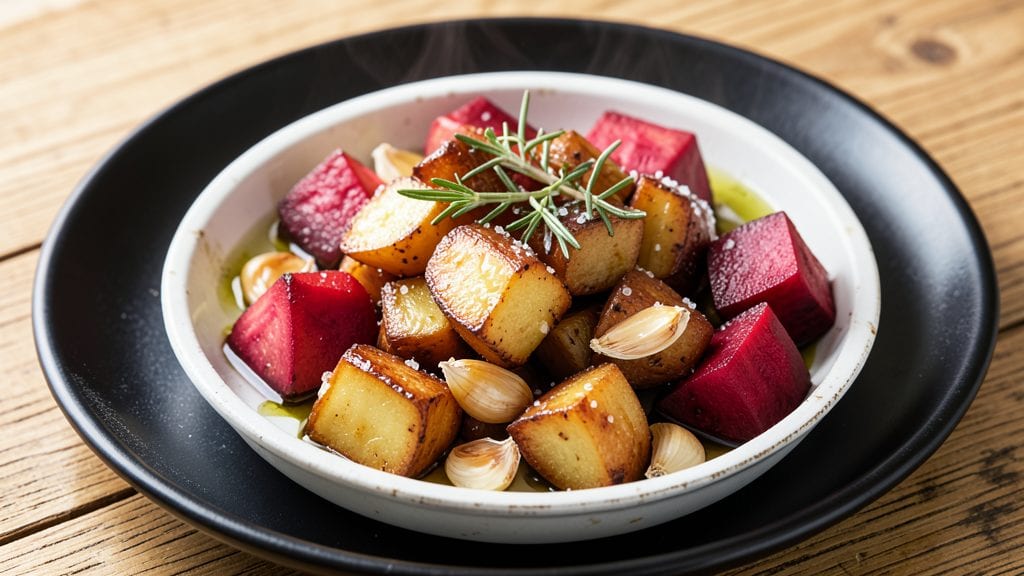
This beet potato recipe transforms humble root vegetables into a perfectly balanced side dish that’s rich in earthy sweetness and restaurant-quality texture. The secret lies in roasting beets and potatoes together—where their natural sugars caramelize into a deep, complex flavor that’s both hearty and elegant.
I developed this recipe after years of testing roasted vegetable combinations, and it’s now a staple at my dinner table, especially when paired with roasted meats or as a vegetarian centerpiece.
The beauty of this dish is its simplicity: just a few ingredients, 30 minutes of active prep, and 45 minutes of hands-off roasting time.
You’ll need firm beets and Yukon Gold potatoes for that ideal balance of sweetness and creaminess, along with olive oil, salt, and a touch of garlic for depth.
The result is tender, golden-brown potatoes with beets that melt slightly at the edges, creating a dish that’s as visually striking as it is delicious.
What sets this recipe apart is the way the flavors meld during roasting—sweet beets and savory potatoes develop a caramelized crust while staying tender inside. The dish is foolproof for weeknight dinners but impressive enough for special occasions, especially when garnished with fresh herbs like thyme or rosemary.
It’s vegetarian-friendly, packed with nutrients, and versatile enough to complement almost any main course.
For extra richness, consider adding a drizzle of balsamic glaze or a sprinkle of goat cheese before serving. The possibilities are endless, but the core recipe delivers perfection every time—no shortcuts, just deep, satisfying flavors that make it worth every minute. Let’s get started!
Ingredients for beet potato
Just nine ingredients transform simple beets and potatoes into a restaurant-worthy vegetarian side dish.
| Ingredient | Amount | Notes |
|---|---|---|
| Yukon Gold Potatoes 🥔 | 1 ½ lb | Cut into 1-inch cubes, uniform size |
| Medium Beets 🍠 | 1 lb | Trimmed, peeled, cut into 1-inch cubes |
| Extra-Virgin Olive Oil 🫒 | ¼ cup | High-quality, fruity variety |
| Garlic Cloves 🧄 | 4 cloves | Minced, for depth of flavor |
| Fresh Thyme Leaves 🌿 | ¼ cup | Chopped, for aromatic freshness |
| Diamond Crystal Kosher Salt 🧂 | 1 ½ tsp | For balanced seasoning |
| Fresh Rosemary Sprigs 🌿 | 2 sprigs | Whole, for garnish |
| Balsamic Glaze 🍷 | 2 tbsp | For optional finishing drizzle |
| Goat Cheese Crumbles 🧀 | ¼ cup | For optional richness |
The quality of your beets and potatoes makes all the difference. Yukon Gold potatoes deliver that ideal creamy texture, while firm, medium beets hold their shape beautifully. For the best results, source these from local farmers markets or the produce section of Whole Foods, where they're typically fresher than grocery store chains. Look for beets with vibrant color and smooth skin—no soft spots or blemishes. The potatoes should feel firm and heavy for their size. If you can't find Yukon Golds, Russet potatoes work in a pinch, though they'll be slightly less creamy. Pre-peeling beets? Trader Joe's sells them pre-washed and trimmed, saving you time without sacrificing quality.
No fresh thyme? Dried thyme at one-third the amount works, though the flavor will be less pronounced. Swapping rosemary for another fresh herb? Fresh parsley or sage both pair well, though rosemary's piney notes complement the earthy beets perfectly. The balsamic glaze can be substituted with reduced red wine for a similar depth of flavor. For the goat cheese, feta or crumbled blue cheese add different but equally delicious richness. If you're avoiding dairy entirely, nutritional yeast provides a cheesy flavor without the fat. The olive oil is non-negotiable here—avoid light or refined oils that lack the fruity complexity needed to elevate the dish.
Roasted vegetables keep beautifully in the fridge for 4-5 days when stored in an airtight container. For longer storage, they freeze well for up to 3 months, though the texture will be slightly softer after thawing. I recommend reheating in a 350°F oven for 10-15 minutes to restore some crispness. The dish reheats beautifully, making it perfect for meal prep. Portion into individual containers for easy grab-and-go lunches or serve immediately for that just-roasted flavor. The balsamic glaze and goat cheese should be added fresh before serving to maintain their texture and flavor.
Why You'll Love This Recipe
- One-Pan Magic: I swear by this for nights when I’d rather not wash dishes—just toss the potatoes and beets in a hot pan with olive oil, garlic, and thyme, then let them roast together. The aromatics cling to everything, and cleanup? One sheet pan, one spatula, done.
- Earthy-Garlicky Bliss: That deep, sweet crunch from the beets meets the buttery Yukon Golds—it’s like a hug in food form. Honestly, the garlic and thyme turn this into something special without needing fancy ingredients.
- Meal Prep MVP: I make a double batch on Sundays, and it holds up perfectly for lunches all week. The flavors even get better as the beets soften, and it’s the kind of dish that feels gourmet but costs next to nothing.
- Budget-Friendly Luxury: Fresh beets and Yukon Golds are affordable, and this recipe stretches them far. Between us, it’s the kind of dish that makes me feel like I’m eating well without breaking the bank—especially when I’m serving it to guests.
Step-by-step instructions for earthy sweetness roasted to perfection
This method delivers perfectly caramelized vegetables with balanced sweetness and aromatic depth.
Prep and Season the Vegetables
Preheat your oven to 400°F and line two rimmed baking sheets with parchment paper. Cut the 1.5 lb Yukon Gold Potatoes and 1 lb Medium Beets into uniform 1-inch cubes—consistent size ensures even cooking. Spread them in a single layer on the prepared sheets, leaving ½-inch space between each piece for proper browning.
In a small bowl, combine the 0.25 cup Extra-Virgin Olive Oil, 4 cloves Garlic Cloves (minced), 0.25 cup Fresh Thyme Leaves (chopped), and 1.5 tsp Diamond Crystal Kosher Salt. Drizzle this mixture evenly over the vegetables, tossing gently to coat. The oil should glisten on each piece—this ensures crispy edges while keeping the interiors tender. Place the 2 sprigs Fresh Rosemary Sprigs directly on the baking sheets for aromatic infusion during roasting.
Roast Until Caramelized
Roast the vegetables for 25 minutes, then carefully flip each piece using a metal spatula. Return to the oven and roast another 20-25 minutes until the edges are deeply caramelized and the potatoes are fork-tender. You'll know they're ready when the beets develop a glossy sheen and the potatoes pull apart slightly at the edges.
Here's the thing—don't overcrowd the pan. If your vegetables are touching, they'll steam instead of roast, resulting in soggy rather than crispy textures. If needed, transfer some pieces to a second sheet and roast in batches. The high heat and direct contact with the baking sheet create that perfect caramelization we're after.
Finish with Balsamic and Goat Cheese
Remove the vegetables from the oven and transfer them to a serving platter. Drizzle with the 2 tbsp Balsamic Glaze, allowing it to pool in the crevices between the pieces. The acidity of the balsamic cuts through the natural sweetness of the beets and potatoes, creating a balanced flavor profile.
Sprinkle the 0.25 cup Goat Cheese Crumbles evenly over the top, pressing them lightly into the vegetables. The goat cheese adds a creamy contrast to the earthy sweetness and crispy edges. Let the dish rest for 5 minutes before serving—this allows the flavors to meld together and the goat cheese to soften slightly for an optimal texture.
Garnish and Serve
Garnish each serving with an additional sprig of Fresh Rosemary for visual appeal and aromatic depth. The rosemary's piney notes complement the earthy sweetness of the beets and the buttery richness of the potatoes. Serve immediately while the vegetables are still warm and the goat cheese maintains its creamy texture.
For best results, pair this dish with a simple arugula salad dressed with a light vinaigrette. The peppery greens provide a refreshing contrast to the rich, caramelized vegetables. Each bite should deliver a perfect balance of textures—crispy edges, tender interiors, and creamy goat cheese—with a harmonious blend of sweet, earthy, and herby flavors.
Pro Tips For Making Beet Potato
- CUT BEETS IN EVEN SLICES: I learned this the hard way—uneven beets mean uneven cooking. Use a mandoline or sharp knife to slice them ¼-inch thick, no thicker, so they soften at the same rate as the potatoes. If they’re lumpy, trim the ends first; it makes all the difference when roasting.
- SALT POTATOES BEFORE ROASTING: Toss the peeled Yukon Golds with 1 teaspoon of salt before they hit the pan. This seasoning sinks in while they cook, so you’re not just salting the outside. (Yes, even if you’re impatient like me—give them 10 minutes to sit in the salt first.)
- ROAST IN TWO BATCHES: Crowding the pan? Skip it. Roast the potatoes and beets separately at 400°F (200°C) for 20 minutes, then toss them together for the last 10. The beets won’t steam, and the potatoes get crisp edges—no soggy middle.
- GARLIC TOASTS BETTER COLD: Smash the garlic cloves after roasting, not before. Cold garlic from the fridge releases its flavor more evenly when heated, and it won’t burn into bitterness. Toss it in with the hot potatoes and beets in the last 5 minutes—just enough to warm through.
Regional styles of this beet potato
French Rustic Approach
In France, this dish takes on a rustic charm by incorporating herbs de Provence (about 1 tbsp) into the olive oil mixture before roasting. The French prefer red wine vinegar (2 tbsp) instead of balsamic glaze, drizzled over the finished dish for a tangy contrast.
I’ve found that adding 1 tsp Dijon mustard to the vinegar creates a perfect balance of sweet and tangy. Serve with a sprinkle of toasted walnuts for crunch—this variation is especially popular in Provence, where beets and potatoes are staples in autumnal dishes. 🌿
German Hearty Style
German cuisine transforms this into a savory potato-beet salad by adding sour cream (¼ cup) and apple cider vinegar (3 tbsp) to the finished roasted vegetables. Thinly slice ½ red onion and 1 apple for sweetness, then toss with the warm vegetables.
The Germans also add 2 tbsp chopped chives and a pinch of black pepper for warmth. This version is often served cold, making it perfect for picnics or as a side to bratwurst or sausages. 🥔
Italian Herb-Infused Twist
Southern Italian cooks elevate this dish by roasting the beets and potatoes with 1 tsp dried oregano and ½ tsp red pepper flakes for a subtle heat. After roasting, they finish with a drizzle of aged balsamic vinegar (3 tbsp) and grated Pecorino Romano (¼ cup) instead of goat cheese.
The Italians also add 1 minced garlic clove directly to the roasting pan for extra depth. This variation pairs beautifully with grilled lamb chops or as a vegetarian main with crusty bread. 🍷
Middle Eastern Spiced Version
In Middle Eastern cuisine, this dish becomes a harissa-spiced roast by adding 1 tbsp harissa paste (adjust for heat preference) to the olive oil mixture. The vegetables are roasted with 1 tsp ground cumin and ½ tsp smoked paprika for a smoky depth.
After roasting, they’re finished with crumbled feta cheese (¼ cup) and a sprinkle of toasted pine nuts. Serve with warm pita bread or as a side to grilled kebabs.
This version is especially popular in Lebanon and Syria, where beets and potatoes are often roasted together for festive meals. 🌶️
American Southern Comfort
The American South puts its own spin by adding 1 tbsp brown sugar to the olive oil mixture to enhance the natural sweetness of the beets. After roasting, they top the dish with crumbled bacon (2 slices, cooked and crumbled) and a sprinkle of green onions.
The Southern version often includes 1 tsp smoked salt for a deeper flavor profile. This dish is a crowd-pleaser at family gatherings, especially when paired with smoked pulled pork or fried chicken. 💛
Nutrition facts
Frequently asked questions
Can I use regular potatoes instead of Yukon Gold?
Yes, but the texture will differ. Russet potatoes work in a pinch—they'll be fluffier inside but still delicious. For a creamier result like Yukon Golds, try red potatoes, though they'll hold their shape better. The key is consistent 1-inch cubes for even cooking.
How do I prevent beets from bleeding color into the potatoes?
Rinse peeled beets under cold water immediately after cutting to remove excess juice. Pat them very dry with a towel before roasting. Also, toss them with the olive oil mixture separately for the first 10 minutes of roasting, then combine with potatoes. This minimizes color transfer while still letting flavors meld.
Can I make this recipe ahead of time?
Roast the vegetables up to 2 days ahead and store in an airtight container. Reheat at 350°F for 10-15 minutes until warm. Add the balsamic glaze and goat cheese fresh before serving—they'll keep their texture best when added last. The flavors actually improve overnight!
What if I don't have goat cheese?
No problem! Try feta (for tangy flavor), blue cheese crumbles (bold taste), or even toasted walnuts (for crunch). For a dairy-free option, sprinkle with nutritional yeast and a pinch of smoked paprika. The dish will still be delicious—just the flavor profile changes.
Why did my beets turn mushy?
Over-roasting or small, uneven pieces are usually the culprits. Stick to 1-inch cubes and roast at 400°F for 45 minutes total (flip halfway). If using baby beets, reduce time to 35-40 minutes. Always check doneness with a fork—they should be tender but still hold their shape.