
Side Dishes
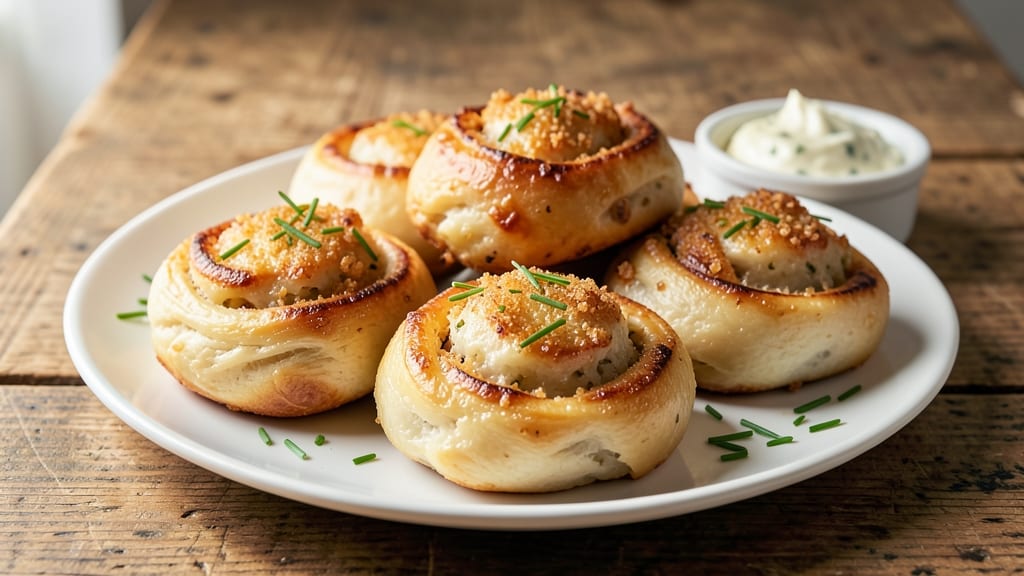
Betty Crocker's refrigerator potato rolls recipe delivers flaky, buttery layers that rival bakery-quality rolls with minimal effort. The secret lies in a precise dough formula and the crucial step of chilling—where the magic of vinegar-kissed crust begins.
After perfecting this recipe through countless batches, I've found the right balance between tender crumb and crisp edges, all while keeping the process simple enough for weeknight dinners.
This method transforms basic ingredients into restaurant-worthy rolls with just 30 minutes of prep and 15 minutes of baking. The dough requires no kneading, only a few folds and a 24-hour refrigerator rest that develops unmatched flavor.
Vinegar plays a subtle but critical role in tenderizing the dough while creating that signature crispness when baked. For those watching butter content, this recipe maintains its indulgence while offering flexibility for adjustments.
What you'll end up with are golden, flaky rolls with a tender interior and a crisp, slightly tangy crust that pairs perfectly with soups, stews, or holiday meals. The aroma alone will have everyone gathering at the table, and the texture—layers upon layers of buttery goodness—is impossible to resist.
This is the kind of recipe that turns a simple side dish into the star of the meal.
Whether you're serving a family dinner or preparing for a gathering, these potato rolls deliver professional results with homemade simplicity. The recipe scales easily, and leftovers reheat beautifully.
Ready to master the art of refrigerator dough? Let's get started with the ingredients and step-by-step instructions that bring this classic recipe to life.
Ingredients for betty crocker refrigerator potato rolls
Twelve simple ingredients transform into golden, vinegar-kissed rolls with restaurant-quality flakiness.
| Ingredient | Amount | Notes |
|---|---|---|
| All-Purpose Flour 🌾 | 4 cups | Sifted for even texture |
| Unsalted Butter 🧈 | ½ cup | Cold, cubed for dough |
| Granulated Sugar 🍚 | ¼ cup | White, for dough balance |
| Large Eggs 🥚 | 1 whole | Room temperature preferred |
| Warm Water 💧 | ¾ cup | 110°F for ideal activation |
| Russet Potatoes 🥔 | 1 ½ lb | Peeled, boiled, mashed |
| White Vinegar 🍶 | 1 tbsp | Distilled for tangy crust |
| Diamond Crystal Kosher Salt 🧂 | 1 tsp | Fine grain preferred |
| Active Dry Yeast 🍞 | 2 ¼ tsp | Fresh or 1 packet |
| Milk 🥛 | ¼ cup | Whole for richness |
| Garlic Powder 🧄 | ½ tsp | For subtle depth |
| Black Pepper 🌶️ | ¼ tsp | Freshly ground preferred |
The russet potatoes are the foundation—peeling and boiling them thoroughly ensures a smooth, flavorful base. Costco or Trader Joe's carry the best russets for this recipe, with firm texture and minimal bruising. The butter must be cold and cubed—room temperature butter creates dense dough. For the yeast, fresh packets from the refrigerated section outperform shelf-stable versions. The vinegar is non-negotiable; white vinegar provides the perfect tang without overpowering the delicate potato flavor. If you're using a different brand of kosher salt, Diamond Crystal measures differently than Morton—adjust to taste.
No russet potatoes? Yukon Golds work in a pinch, but the texture will be slightly denser. Substituting butter with vegetable shortening maintains flakiness but loses richness. The milk can be swapped for buttermilk for added tang, though the dough will be slightly softer. For a dairy-free option, unsweetened almond milk works but may require an extra fold. The garlic powder and black pepper are optional but enhance depth—skip if you prefer a neutral flavor profile. If your yeast isn't active, test it in warm water first—it should foam within 5 minutes.
The dough must rest 24 hours in the refrigerator for optimal flavor development. Wrap tightly in plastic wrap to prevent drying. Portion and shape the rolls just before baking—they'll firm up beautifully. Leftover dough can be refrigerated for up to 3 days or frozen for 3 months. Baked rolls reheat best in a 350°F oven for 10 minutes—the steam keeps them tender. For a crispier crust, brush with melted butter before serving.
Why You'll Love This Recipe
- No-Knead Magic: I swear by this dough—just mix, chill, and roll. No standing at the counter for hours, no tired arms. The butter and sugar work their charm overnight, so when you bake them, that flaky, buttery aroma hits like a warm hug.
- Sweet Buttery Bliss: That sugar in the dough? It’s not just for looks—it caramelizes into a golden crust while keeping the inside tender. Honestly, the first time I bit into one still warm, I nearly dropped the plate. (Yes, even on a Tuesday night.)
- Party in a Pan: These rolls are my secret weapon for gatherings—no one suspects how effortless they are. Serve them warm with honey butter or save the extras for sandwiches. My book club’s been asking for the recipe for months.
- Budget-Friendly Staples: Flour, butter, sugar, eggs—these are pantry basics that won’t break the bank. I’ve made a dozen for under five bucks, and they disappear faster than my willpower when I’m hungry. Leftovers? Freeze them—just reheat and enjoy.
Step-by-step instructions for Betty Crocker's refrigerator potato rolls
Master the art of creating tender, flaky potato rolls with this classic Betty Crocker-inspired method.
Prepare the Potato Filling
Peel and cut the 1.5 lb russet potatoes into even chunks, about 1-inch cubes. Place them in a medium saucepan and cover with cold water by about 1 inch. Add 1 tbsp white vinegar and 1 tsp diamond crystal kosher salt to the water. Bring to a boil over medium-high heat, then reduce to a simmer and cook for 15-20 minutes until completely tender and easily pierced with a fork.
Drain the potatoes thoroughly, then return them to the saucepan. Using a potato masher or ricer, mash until completely smooth with no lumps. Let the mashed potatoes cool to room temperature before proceeding—this prevents the yeast from activating too quickly. Stir in 0.25 cup milk, 0.5 tsp garlic powder, and 0.25 tsp black pepper while still warm to blend the flavors evenly.
Mix and Knead the Dough
In a large mixing bowl, combine 4 cups all-purpose flour and 2.25 tsp active dry yeast. Stir to distribute the yeast evenly through the flour. Make a well in the center and add the cooled mashed potatoes, 0.5 cup unsalted butter (cubed and cold), 0.25 cup granulated sugar, 1 whole large egg, and 0.75 cup warm water (about 110°F). Mix gently with a wooden spoon until the ingredients begin to come together.
Turn the dough onto a lightly floured surface and knead for 8-10 minutes until smooth and elastic. The dough should be soft but not sticky—add a little more flour if needed. Shape into a ball, place it back in the bowl, cover with a clean kitchen towel, and let rise in a warm place for 1 hour or until doubled in size. This resting period develops the gluten structure essential for flaky layers.
Assemble and Chill the Rolls
Once the dough has risen, punch it down gently to release air bubbles, then divide it into 16 equal pieces (about 2 ounces each). Roll each piece into a 12-inch rope, then coil it into a ring shape. Place the rings on a parchment-lined baking sheet, spacing them about 1 inch apart. Cover with a towel and refrigerate for at least 2 hours—this cold fermentation step is crucial for achieving that signature flaky texture.
During chilling, preheat your oven to 375°F. The cold dough will firm up, making it easier to handle when you're ready to bake. This refrigeration also intensifies the flavor and creates those delicate, paper-thin layers that define potato rolls.
Bake to Golden Perfection
Remove the chilled rolls from the refrigerator and bake on the middle rack for 25-30 minutes until golden brown and puffed. The rolls should sound hollow when tapped on the bottom—this indicates they're fully baked. For extra browning, brush the tops with a little milk mixed with 1 tbsp water after 15 minutes in the oven.
Let the rolls cool on a wire rack for 5 minutes before serving. The interior should be tender and slightly moist, while the exterior remains crisp and flaky. Serve warm with your favorite butter or gravy for the ultimate comfort food experience.
Pro Tips For Making Betty Crocker Refrigerator Potato Rolls
- CHILL THE DOUGH: Don’t rush the fridge time—these rolls need a solid 24 hours to develop their signature tender crumb. I learned this the hard way when I pulled them out after 12 hours and they turned out dense and chewy. Trust the process, even if you’re eager to bake.
- CUT BUTTER IN FAIRLY: Use cold, cubed butter (not melted or overworked) and mix it in just until pea-sized bits remain. Overworking the dough makes the rolls tough, and melted butter can turn them greasy. My grandmother swore by this, and she was right: the flaky layers depend on it.
- SKIP THE OVERHANDLING: Once the dough comes out of the fridge, handle it as little as possible. These rolls are delicate—excessive folding or stretching weakens the gluten and ruins the texture. Shape them gently with wet hands, and resist the urge to press them too firmly.
- USE WARM WATER: The recipe calls for warm water (not hot) to dissolve the sugar properly, but don’t skip checking the temperature. If it’s too hot, it’ll cook the eggs and make the dough gummy. Test it by dipping your finger in—it should feel like bathwater, not scalding.
Flavor customization for this betty crocker refrigerator potato rolls
Herb-Infused Variations
Swap the garlic powder for 1 tbsp fresh rosemary and 1 tbsp thyme finely chopped into the mashed potato base for a fragrant twist. The herbs pair beautifully with the vinegar-kissed crust and add an earthy depth that works well with roasted meats.
I find Penzeys brand dried herbs work best when rehydrated in warm milk before mixing. For a stronger flavor, add 1 tsp dried sage directly to the dough. 🌿
Cheesy Potato Roll Twist
Fold ½ cup shredded sharp cheddar or Monterey Jack into the mashed potato mixture while still warm. The cheese melts into the dough, creating pockets of gooey goodness when baked. For extra richness, use Pepper Jack and add ½ tsp smoked paprika to the dough.
I recommend Kraft Natural Shreds for consistent melting performance. These cheesy rolls become a crowd-pleaser at holiday gatherings. 🧀
Sweet Potato Adaptation
Replace russet potatoes with 1.5 lb sweet potatoes, peeled and boiled until fork-tender. After mashing, stir in 1 tsp cinnamon and ¼ tsp nutmegan for warmth. The natural sweetness reduces the need for sugar in the dough.
For contrast, brush the baked rolls with 2 tbsp maple syrup and sprinkle with ½ cup pecans before serving. This version works perfectly with breakfast or dessert pairings. 🍠
Savory Onion & Caramelized Topping
Add ½ cup finely chopped caramelized onions to the mashed potato base for a sweet-savory depth. The onions should be cooked down until jammy—about 20 minutes on low heat with 1 tbsp butter.
For the topping, mix 2 tbsp melted butter with 1 tbsp brown sugar and 1 tsp apple cider vinegar, then brush on rolls before baking. This creates a glossy, caramelized finish. 🧅
Gluten-Free Option
Substitute the all-purpose flour with 3 cups gluten-free 1:1 baking flour blend (I recommend Bob's Red Mill) and add 1 tbsp xanthan gum to improve texture.
The dough will be slightly denser, so reduce the warm water to ½ cup and let it rest 1 hour longer in the refrigerator. These rolls maintain their flaky quality but with a more compact crumb. Pair with a gluten-free gravy for a complete meal. 🌾
Spicy Kick Addition
For heat lovers, fold 1 tbsp hot honey into the mashed potato mixture or sprinkle ½ tsp cayenne pepper into the dough. For a smoky twist, add ½ tsp chipotle powder and ¼ tsp ground cumin to the dough.
The vinegar in the crust balances the heat beautifully. I find Penzeys hot honey adds just the right amount of sweetness to cut through the spice. 🌶️
Nutrition facts
Frequently asked questions
Why do these potato rolls need to chill overnight?
The 24-hour refrigerator rest is key for developing flavor and creating those signature flaky layers. The cold slows yeast activity while allowing gluten to relax and starches to convert, resulting in a tender crumb and crisp crust. Skipping this step makes the rolls dense and flavorless.
Can I make these rolls without yeast?
Yes! Replace the yeast with 1 tsp baking powder and ½ tsp baking soda for a quick version. Reduce the warm water to ½ cup and bake immediately at 400°F for 18-20 minutes. The texture will be more cake-like than flaky, but still delicious.
What's the best way to reheat leftover potato rolls?
Wrap rolls in a damp paper towel and reheat at 350°F for 10-12 minutes to restore crispness. For microwave reheating, sprinkle with 1 tsp water and cover with a damp towel for 20-30 seconds. Avoid direct microwave heat to prevent rubberiness.
How do I fix dough that's too sticky?
Add flour 1 tablespoon at a time while kneading until the dough reaches a soft-but-not-sticky consistency. If it tears when handling, let it rest 10 minutes covered while you work. Overworking sticky dough creates gluten development that makes it tough.
Can I make these rolls ahead of time?
Shape the rolls up to 2 days ahead and refrigerate. For freezing, bake first, then cool completely and freeze on a tray before transferring to bags. Reheat from frozen at 375°F for 15-18 minutes with foil covering the bottom half.