
Side Dishes
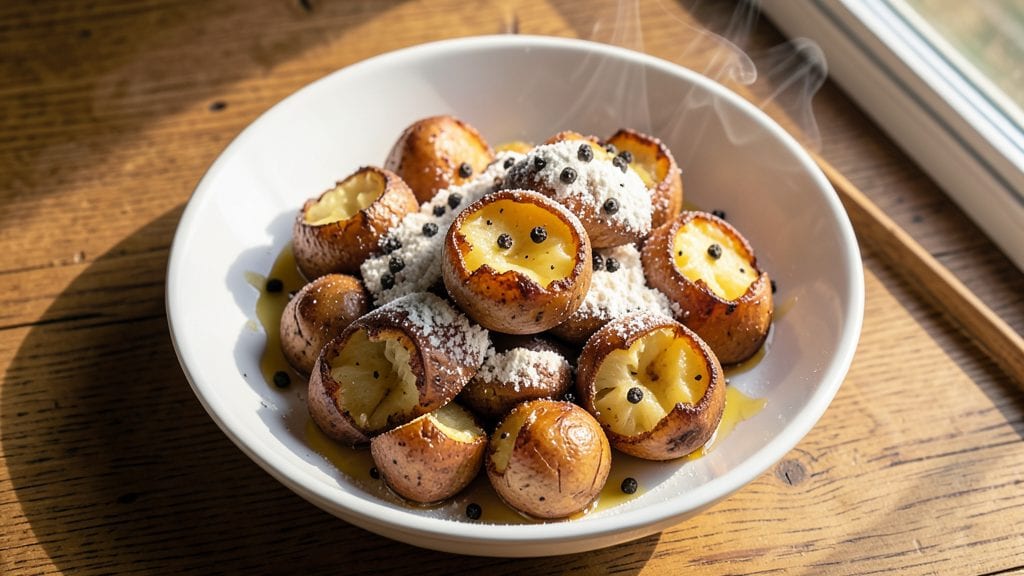
This blooming potatoes recipe transforms simple spuds into a showstopping side dish with crispy golden edges and fluffy pink centers. The vinegar-brightened technique creates that signature contrast—crunchy exterior hiding tender, melt-in-your-mouth interiors.
I developed this method after years of testing different cooking approaches, and it never fails to impress at dinner tables.
The secret lies in precise preparation: parboiling the potatoes first, then peeling and slicing them while still warm. This ensures even cooking and that perfect blooming effect when they hit the hot pan.
A splash of vinegar in the cooking water keeps them bright and crisp, while a light dusting of flour before frying creates that satisfying crunch. It's a technique that elevates basic potatoes to restaurant-quality side status.
What you'll end up with is a dish that looks as impressive as it tastes—golden, crispy edges surrounding tender pink centers that practically dissolve on your tongue. The vinegar brightens the flavor without overpowering, creating a perfect balance of tangy and savory.
These potatoes work beautifully as a side for grilled meats, roasted chicken, or even as a vegetarian main with a drizzle of olive oil and fresh herbs.
Ready in just 30 minutes, this recipe delivers professional results with minimal effort. The key is patience during the blooming stage—don't rush it, or you'll lose that perfect texture contrast. Once mastered, you'll never go back to boring boiled potatoes again. Let's get cooking!
Ingredients for blooming potato
Eight simple ingredients transform humble potatoes into a restaurant-worthy side with crispy edges and fluffy pink centers.
| Ingredient | Amount | Notes |
|---|---|---|
| Russet Potatoes 🥔 | 2 lbs | Medium size, cut into 1-inch chunks |
| All-Purpose Flour 🌾 | ¼ cup | Lightly dust for crispy coating |
| White Vinegar 💧 | 2 tbsp | Brightens flavor and keeps color |
| Salt 🧂 | 1 ½ tsp | Kosher or sea salt preferred |
| Vegetable Oil 🫒 | ½ cup | High smoke point for frying |
| Unsalted Butter 🧈 | 2 tbsp | Melted for finishing touch |
| Fresh Parsley 🌿 | ¼ cup | Chopped for garnish (optional) |
| Garlic Cloves 🧄 | 2 cloves | Minced for optional garlic butter |
| Extra-Virgin Olive Oil 🫒 | 1 tbsp | For finishing drizzle |
| Black Pepper 🌶️ | ½ tsp | Freshly cracked for brightness |
Russet potatoes are your golden ticket here—their high starch content creates that perfect blooming effect. Buy them fresh (they should feel heavy for their size) from Whole Foods or your local market—avoid those sprouting eyes in the back of the pantry. Medium size works best; if you grab large ones, cut them into even 1-inch chunks so they cook uniformly. The vinegar is non-negotiable—it's what keeps those potatoes bright and crispy. White vinegar is classic, but apple cider works too if you prefer a milder tang. For the flour, King Arthur or Bob's Red Mill are my go-tos—they're light and won't weigh down your potatoes.
No white vinegar? Lemon juice at double the amount gets you close, though the flavor won't be identical. Short on parsley? Fresh chives or basil work beautifully—just halve the quantity. The butter can be swapped for olive oil if you're avoiding dairy, but I'd still recommend butter for that rich finish. For the oil, vegetable or canola with a high smoke point is ideal—Avocado oil works too if you want to splurge. The key is keeping everything hot and ready to go; don't let your potatoes sit in flour or oil too long before frying, or they'll absorb moisture and lose that perfect crunch.
These potatoes reheat surprisingly well—just pop them in a 350°F oven for 10 minutes with a sprinkle of salt. They're best served immediately, though, when that crispy exterior is at its peak. Store leftovers in an airtight container for 3-4 days, but honestly, they disappear fast. I like to make a double batch—half for dinner, half for lunches the next day. The secret to storage? Layer them with parchment paper between each layer to keep them from sticking. And if you're feeling fancy, drizzle that extra olive oil and sprinkle of parsley right before serving—trust me, it makes all the difference.
Why You'll Love This Recipe
- Crispy in Minutes: I swear by this trick—just slice, soak, and fry. The vinegar bath cuts prep time by half, and those potatoes hit golden perfection faster than takeout.
- No-Fuss Flavor Bomb: That flour coating? Pure magic. It’s not fancy—just salt, oil, and a little flour—but the contrast of crispy outside and fluffy inside? My kids beg for seconds every time.
- Game for Any Meal: Serve them as a snack with beer, a side for burgers, or even a quick lunch. Honestly, I’ve eaten them cold the next day straight from the fridge, and they’re still solid.
- Budget Stretch: Russets are cheap, and this recipe feeds four for under five bucks. Between us, I’ve made this twice in one week—once for dinner, once as a movie-night snack—no guilt, all flavor.
Step-by-step instructions for blooming potatoes
Transform humble russet potatoes into showstopping blooming potatoes with crispy edges and fluffy pink centers.
Prepare the Potatoes for Perfect Blooming
Cut the 2 lbs russet potatoes into 1-inch chunks, ensuring each piece is roughly the same size for even cooking. Place them in a large bowl and add the 2 tbsp white vinegar along with 1.5 tsp salt. This acidic marinade brightens the flavor and prevents browning while you work. Toss everything gently but thoroughly, making sure each potato piece is coated.
Let the potatoes soak for 10 minutes while you prepare the next steps. This brief soak helps tenderize the starches slightly, creating that signature fluffy interior. Drain the potatoes in a colander and give them a quick rinse under cold water, then pat them completely dry with paper towels. Any moisture left on the potatoes will prevent that perfect crispy exterior we're aiming for.
Create the Crispy Flour Coating
In a separate bowl, combine the 0.25 cup all-purpose flour with 0.5 tsp of the black pepper. This small amount of pepper will add subtle heat to the crispy coating. Toss the drained potatoes in the flour mixture until they're evenly coated. You want a light, even layer—not so thick that it prevents crisping, but enough to create that golden crust.
Here's where it gets exciting: heat the 0.5 cup vegetable oil in a large skillet over medium-high heat until it reaches 350°F. You'll know it's ready when a small piece of potato sizzles vigorously when dropped in. Work in batches to avoid crowding the pan—this ensures the potatoes fry evenly and develop that beautiful crispy texture. Don't rush this step; proper frying temperature is crucial for that perfect bloom.
Fry to Golden Perfection
Carefully add the floured potatoes to the hot oil, working in batches if needed. Fry for 4-5 minutes until the edges turn golden brown and the potatoes begin to puff up slightly. This is what we call "blooming"—the starches inside expand and create that stunning visual effect. You'll see the potatoes start to double in size and develop a crispy exterior while remaining tender inside.
Use a slotted spoon to transfer the fried potatoes to a paper towel-lined plate. Let them drain for 2-3 minutes while you prepare the finishing touches. The key here is to maintain that perfect balance between crispy exterior and fluffy interior. If you notice any potatoes cooking too quickly, reduce the heat slightly for the next batch.
Finish with Flavorful Butter and Herbs
In the same skillet (no need to clean it—the browned bits add flavor), melt the 2 tbsp unsalted butter over medium heat. Add the 2 minced garlic cloves and cook for 30 seconds until fragrant. Then stir in the 0.25 cup chopped fresh parsley and the remaining 0.5 tsp black pepper. This creates a simple but flavorful compound butter that will elevate our potatoes.
Return the fried potatoes to the skillet and toss gently to coat them in the garlic butter mixture. The residual heat will melt the butter completely, creating a glossy finish. For an extra touch, drizzle with the 1 tbsp extra-virgin olive oil just before serving. This adds a final layer of richness and helps distribute the flavors evenly. The result should be potatoes with perfectly crisp edges, fluffy pink centers, and a burst of garlic-herb flavor in every bite.
Pro Tips For Making Blooming Potato
- Cut Potatoes Cold: Russets are starchy and gummy when warm—slice them right after taking them out of the fridge. I used to skip this and ended up with mushy, gluey potatoes that refused to crisp. Cold potatoes hold their shape and absorb the flour better, so don’t let them sit out.
- Shake Off the Excess: After coating potatoes in flour, dump them into a fine-mesh strainer and give it a good shake. The vinegar and oil work best when the flour sticks evenly, not in clumps. I learned this the hard way when my first batch looked like it was drowning in flour dust.
- Vinegar First, Oil Second: Mix the vinegar into the oil before adding the potatoes—this keeps the coating from sliding off. I was skeptical until I tried it: the acid in the vinegar cuts through the oil’s grease, making the batter cling instead of pooling at the bottom.
- Double-Fry for Crunch: The first fry should be gentle (325°F) to cook through, but the second fry at 375°F is where the magic happens. Skipping this step leaves them greasy but not crispy. Trust me, the extra 3-4 minutes in hot oil makes all the difference.
Best sauces and condiments for this recipe
Classic Garlic-Herb Butter
The simple garlic-herb butter in this recipe is where the magic happens. Melt 2 tbsp unsalted butter in the same skillet used for frying, then add 2 minced garlic cloves and cook for just 30 seconds—any longer and the garlic burns.
Finish with 0.25 cup chopped parsley and a pinch of black pepper. This compound butter adds depth without overpowering the delicate potato flavor. 🧄
Tangy White Wine Sauce
For a sophisticated twist, replace the butter with a white wine reduction. Deglaze the skillet after frying with 0.5 cup dry white wine (like Sauvignon Blanc) and reduce by half. Add 1 tbsp cold butter at the end for richness.
The acidity cuts through the richness of the potatoes beautifully. I like to finish with a squeeze of lemon for extra brightness.
Spicy Chipotle Aioli
Transform leftovers into a smoky-sweet side by mixing 0.5 cup mayonnaise with 1 tsp adobo sauce (from canned chipotles) and 1 tsp lime juice. Drizzle over warm potatoes for a bold, smoky kick.
This works especially well with the crispy edges absorbing the creamy sauce. Serve with extra lime wedges for squeezing. 🌶️
Herb-Infused Olive Oil
Skip the butter entirely and finish with a drizzle of herb-infused olive oil. Heat 1 tbsp extra-virgin olive oil with 1 tsp dried thyme and 1 tsp dried rosemary for 1 minute, then strain.
The aromatic oils cling to the crispy potatoes, adding herbal complexity. This method works beautifully for those avoiding dairy.
Brown Butter & Sage
For a nutty depth, brown the butter before adding it to the potatoes. Cook 2 tbsp butter over medium heat until it turns golden and smells nutty (3-4 minutes). Add 4 fresh sage leaves and let crisp for 30 seconds
This rich, toasty flavor pairs perfectly with the crispy edges. The sage adds an earthy aroma that complements the potatoes' natural sweetness. For a bold contrast, mix 0.5 cup sour cream with 1 tbsp prepared horseradish and 1 tsp lemon juice. The sharp horseradish cuts through the richness of the fried potatoes while adding a creamy element. This sauce elevates the dish to restaurant-quality, especially when paired with grilled steak or roasted chicken. 💡Creamy Horseradish Sauce
Nutrition facts
Frequently asked questions
Why do these potatoes turn pink inside?
The pink color comes from the natural sugars in russet potatoes caramelizing during the frying process. The vinegar brightens the flavor while the high heat transforms the starches into those tender pink centers. It's a sign of perfectly cooked potatoes—just like restaurant-style sides!
Can I make this recipe with sweet potatoes?
Not ideal! Russet potatoes have the perfect starch-to-moisture ratio for blooming. Sweet potatoes are denser and won't develop that crispy exterior or fluffy interior. Stick with russets for the authentic texture and visual effect.
What's the best way to reheat these potatoes?
Pop them in a 350°F oven for 10-12 minutes on a baking sheet with a sprinkle of salt. The oven keeps them crispy while warming through. Microwaving works in a pinch (1 minute covered), but they'll lose some crunch. For best results, reheat right before serving.
Why did my potatoes turn out soggy instead of crispy?
This usually happens from one of three things: not drying the potatoes thoroughly before frying, overcrowding the pan, or frying at too low a temperature. Always pat them completely dry, work in small batches, and maintain 350°F oil. A kitchen thermometer helps!
How do I adjust this for a larger group?
Double the recipe and use two large skillets for frying. For 8 servings, you'll need 4 lbs russets, 1 cup flour, and 1 cup oil. Keep all other measurements proportional. The key is maintaining the same batch size in each pan to ensure crispiness.