
Side Dishes
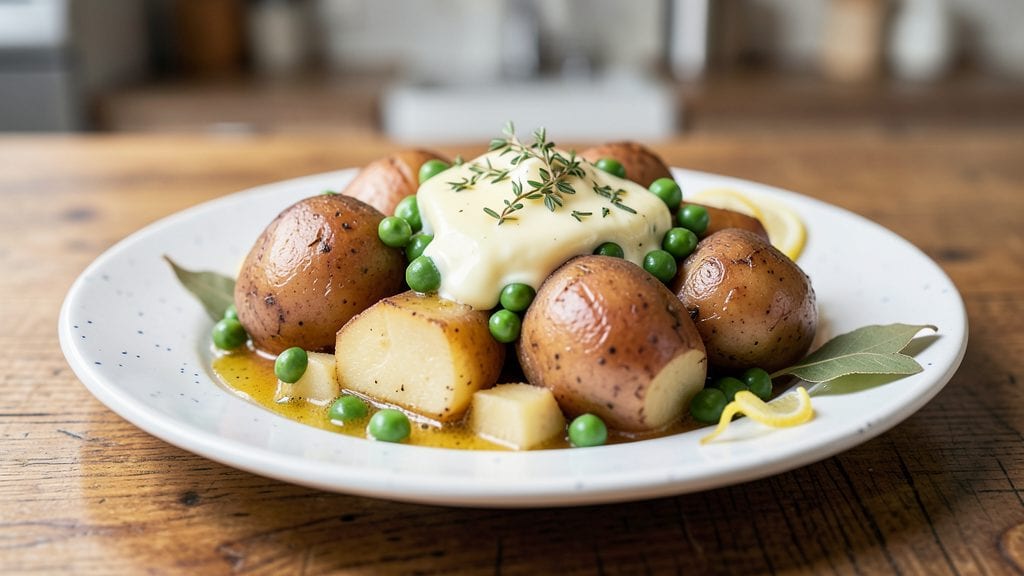
This boiled potatoes and peas recipe delivers a buttery, creamy side dish that pairs perfectly with roasted meats or grilled fish in just 20 minutes. The secret lies in boiling the potatoes and peas together—keeping them intact while infusing the water with aromatic herbs like thyme and bay leaf.
I developed this method after realizing how much flavor gets lost when cooking them separately, and it’s become a staple in my kitchen for its simplicity and rich results.
The process is straightforward but precise: potatoes and peas simmer in lightly salted water with herbs until tender, then finish with butter and a splash of lemon for brightness.
The key is timing—peas cook faster, so I add them halfway through the potato cooking time to ensure both are perfectly done together. This method also works beautifully for meal prep, as the flavors deepen overnight in the fridge.
What you’ll end up with is a dish that’s creamy from the butter, vibrant from fresh herbs, and perfectly balanced in texture—fluffy potatoes and tender peas in every bite.
The aroma alone will have everyone at the table asking for seconds, and the versatility means it works as a side for everything from holiday dinners to quick weeknight meals.
For extra richness, finish with a sprinkle of parsley or a drizzle of olive oil, and adjust seasoning to taste. This recipe is naturally vegetarian, though dairy is optional—just omit the butter if needed. Let’s get cooking!
Ingredients for boiled potatoes and peas
Simple ingredients, rich results—potatoes and peas simmered to perfection with herbs and butter.
| Ingredient | Amount | Notes |
|---|---|---|
| Russet Potatoes 🥔 | 1 ½ lb | Medium size, unpeeled for texture |
| Fresh Peas 🌱 | 1 cup | Shell-on or frozen (thawed) |
| Unsalted Butter 🧈 | 4 tbsp | Cold cubes for finishing |
| Fresh Thyme Leaves 🌿 | 1 tbsp | Or 1 tsp dried thyme |
| Bay Leaves 🍃 | 2 whole | Remove before serving |
| Lemon Juice 🍋 | 1 tbsp | Freshly squeezed |
| Fresh Parsley 🌿 | ¼ cup | Chopped, for garnish |
| Kosher Salt 🧂 | 1 ½ tsp | Adjust to taste |
| Black Peppercorns 🌶️ | ½ tsp | Freshly cracked |
| Olive Oil 🫒 | 1 tbsp | For drizzling (optional) |
The potatoes are the foundation—Russet holds up best to boiling without falling apart. Buy medium-sized ones (about 1.5 inches in diameter) for even cooking. Trader Joe's or Whole Foods often carry pre-washed potatoes, but scrubbing them yourself ensures cleaner water. Fresh peas are ideal, but frozen work perfectly (just thaw them first). The key to vibrant flavor? Fresh thyme and bay leaves—don’t skip them. I always grab extra thyme because half gets torn over the top at the end.
No fresh thyme? Dried works at one-third the amount, but the aroma won’t be as bright. Short on parsley? Chives or cilantro add a different but lovely note. The butter matters here—unsalted ensures you control the seasoning. If you’re avoiding dairy, finish with olive oil instead. For extra richness, add a splash of vegetable stock to the boiling water. The peas cook faster, so add them halfway through the potatoes’ cooking time (about 10 minutes in).
This dish tastes even better the next day—flavors meld beautifully. Store in the fridge for 4-5 days, covered with a splash of water to keep them moist. For meal prep, portion into containers with a drizzle of olive oil on top to prevent browning. Reheat gently with a splash of water or broth to restore creaminess. Leftovers reheat perfectly for lunches or as a side for roasted chicken.
Why You'll Love This Recipe
- No-Chop Needed: Honestly, I swear by this one—just peel those Russets, cut into chunks, and toss them in boiling water. The peas? Straight from pod or frozen, no prep at all. That’s 10 minutes of work, tops.
- Buttery Thyme Magic: Between us, the butter and thyme turn this into something special. The potatoes get that tender, fluffy interior with a buttery crust, while the peas stay bright green and peppery—like a hug in a bowl.
- Leftover Lifesaver: I make a big batch on Sundays and eat it all week. Reheat with a splash of water, and it’s just as good cold in salads or warm with a fried egg. Zero waste, all flavor.
- Budget Bright Spot: Russets and frozen peas won’t break the bank, and a stick of butter stretches far. It’s the kind of dish that feels fancy but costs next to nothing—perfect for when you want to impress without stress.
Step-by-step instructions for boiled potatoes and peas
Here's the method for tender potatoes and vibrant peas with rich, creamy butter and bright herbs.
Prepare and Boil the Potatoes
Cut the 1.5 lb russet potatoes into 1-inch chunks, leaving the skins on for texture. Place them in a large pot and cover with cold water by about 2 inches. Add the 2 whole bay leaves and 1.5 tsp kosher salt. Bring to a boil over high heat, then immediately reduce to a gentle simmer.
Cook the potatoes for 12-15 minutes until they're fork-tender but still hold their shape. You'll know they're done when you pierce one with a knife and it slides in easily with just slight resistance. Drain the potatoes in a colander and set aside, reserving 1 cup of the starchy cooking water.
Cook the Peas
While the potatoes boil, add the 1 cup fresh peas to the same pot with 1 tablespoon of the reserved potato water. Bring to a boil over medium-high heat and cook for 3-4 minutes until bright green and tender. Drain the peas and set aside with the potatoes.
This quick cooking time preserves their vibrant color and crisp texture. Avoid overcooking—they should remain slightly firm with a bright green hue. If using frozen peas, thaw them first and add them to the pot with the fresh peas during the final minute of cooking.
Create the Creamy Butter Sauce
In a large skillet, melt the 4 tbsp unsalted butter over medium heat. Add the 1 tbsp fresh thyme leaves and 0.5 tsp freshly cracked black peppercorns, stirring constantly for 30 seconds until fragrant. Pour in the potatoes and peas, tossing gently to coat them evenly in the butter.
Add ½ cup of the reserved potato water and the 1 tbsp freshly squeezed lemon juice. Stir well and let the mixture simmer for 2-3 minutes until the potatoes are fully coated in the creamy sauce. The sauce should thicken slightly but remain light enough to coat each potato and pea without being gluey.
Finish and Garnish
Remove the skillet from heat and let the mixture rest for 1 minute. Stir in the 0.25 cup chopped fresh parsley and taste, adjusting seasoning with additional kosher salt if needed. The final dish should have a balance of creamy butter, bright lemon, and herbal thyme.
For extra richness, drizzle with the 1 tbsp olive oil just before serving. This adds a silky texture and subtle olive flavor that complements the creamy butter. Serve immediately while the potatoes are warm and the peas retain their vibrant color.
Pro Tips For Making Boiled Potatoes And Peas
- CUT POTATOES EVENLY: Russets split like overconfident politicians—unevenly. Use a knife to trim the ends first, then slice into ½-inch chunks. If they’re lumpy, your butter won’t melt into them properly, and you’ll end up with dry edges. I learned this the hard way after serving a plate where half the potatoes were al dente and half were sad, mushy squares.
- ADD PEAS LAST: Fresh peas turn to mush faster than you can say "spring thaw." Start the potatoes in boiling water, then add the peas only when the potatoes are almost done—about 5 minutes before draining. If you’re using frozen peas, toss them in at the very end and drain immediately. No one wants to chew on a pea that’s been swimming in water for 20 minutes.
- SALT THE WATER: Skip this, and your potatoes will taste like nothing. Generously salt the water before adding the potatoes—think of it as seasoning the canvas before you paint. A pinch of salt in the water also keeps the potatoes from absorbing too much butter later, so they stay tender without turning greasy. (Yes, even if you’re using unsalted butter.)
- TOSS WITH BUTTER HOT: Cold butter on hot potatoes is a crime against flavor. Drain the potatoes and peas, then immediately return the pot to low heat for 30 seconds to drive off excess water. Add the butter, thyme, and bay leaves, then toss like you’re angry at the potatoes. The residual heat will make the butter melt into every nook, giving you that creamy, restaurant-worthy finish.
Wine and beer pairings for this boiled potatoes and peas
Light White Wine
For this creamy, buttery dish, a crisp Sauvignon Blanc from New Zealand or Loire Valley is my go-to choice. The bright acidity and citrus notes cut through the richness of the butter while complementing the peas' natural sweetness.
Look for a wine with 12-13% ABV—just enough body to stand up to the dish without overpowering it. A chilled bottle at 45-48°F enhances the dish’s freshness. 🍷
Crisp Lager
If you prefer beer, a German-style Pilsner like Warsteiner or Stella Artois provides a clean, refreshing contrast to the creamy potatoes and peas. The subtle malt sweetness and effervescence balance the dish’s richness without competing flavors. Serve it ice-cold—around 38-40°F—to highlight its crispness.
For a local twist, try a Belgian Witbier like Hoegaarden, which adds a touch of coriander and citrus that pairs beautifully with the lemon in the dish. 🍺
Dry Rosé
A dry Provence-style rosé offers a sophisticated pairing with this classic side dish. The delicate berry and floral notes complement the thyme and parsley, while its acidity keeps the palate fresh. Opt for a 12.5% ABV rosé with a pH of 3.2-3.4 for optimal balance.
Serve slightly chilled at 50-52°F to let its complexity shine through. This wine works especially well for a summer dinner when you want something lighter but still elegant. 🌸
Herbal Gin Cocktail
For a festive touch, mix a gin-based cocktail like a French 75 (gin, lemon juice, and Champagne) or a Tom Collins (gin, lemon, sugar, and soda water). The botanical notes in gin—like juniper and citrus—echo the thyme and lemon in the dish, while the effervescence cleanses the palate.
Use a London Dry gin like Hendrick’s or Beefeater for a classic profile. Serve over ice with a lemon twist for a refreshing accompaniment. 🍸
Non-Alcoholic Sparkling Lemonade
If alcohol isn’t an option, a sparkling lemonade made with San Pellegrino Limonata or Topo Chico mixed with fresh lemon juice and a touch of honey is a fantastic alternative. The bubbles and citrus brightness mirror the dish’s lemon finish, while the effervescence keeps the meal feeling lively.
Add a sprig of fresh mint for an extra herbal note that ties into the thyme. 🍋
Nutrition facts
Frequently asked questions
Can I use baby potatoes instead of russet potatoes?
Yes! Baby potatoes work beautifully—they cook faster and stay intact while absorbing flavors. Use about 2 cups (1 lb) of baby potatoes and reduce the boiling time to 8-10 minutes. Skip the cutting step for even easier prep. The smaller surface area means they’ll soak up the butter and herbs more intensely.
Why do my peas turn mushy when boiled?
Overcooking is the most common culprit—peas should cook for only 3-4 minutes after being added to boiling water. For extra protection, use frozen peas (thawed) instead of fresh, as they’re often tougher. Also, avoid adding them to cold water—always start with boiling water to preserve texture.
How do I make this recipe vegan?
Swap the butter for 4 tbsp vegan butter or olive oil, and use vegetable broth instead of water for boiling. The lemon juice and herbs will still shine! For extra creaminess, stir in 2 tbsp coconut cream at the end. The dish will be just as flavorful.
Can I cook the potatoes and peas separately?
If you prefer, boil the potatoes first (12-15 mins), then steam or blanch the peas separately (2-3 mins). The key is to finish both with the butter and herbs together in a pan. This method gives you more control over doneness, especially if you’re meal prepping.
What’s the best way to reheat leftovers?
Gently reheat in a skillet with 1 tbsp butter or olive oil and a splash of water or broth over medium-low heat for 3-4 minutes. Avoid microwaving—they’ll turn soggy. For extra creaminess, add a pinch of salt and a squeeze of lemon while warming.