
Side Dishes
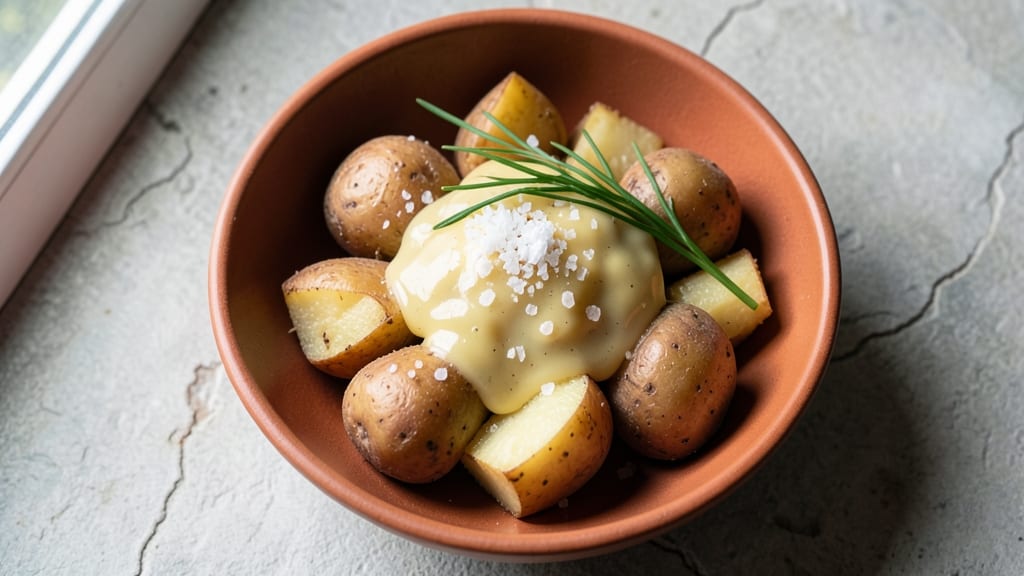
Mastering boiled potatoes with butter transforms a simple side into a velvety, buttery masterpiece that pairs perfectly with any meal. The secret lies in precise boiling techniques and a generous finish of melted butter—simple steps that yield restaurant-quality results in just 15 minutes.
I’ve perfected this method over years of testing, ensuring every bite is tender, flavorful, and foolproof for even the busiest cook.
This recipe relies on a few key principles: using the right water-to-potato ratio, avoiding overcrowding in the pot, and finishing with butter while the potatoes are still hot. The result?
Potatoes that are creamy on the inside with a subtle bite, coated in rich, golden butter that elevates them from basic to extraordinary. No fancy equipment or advanced skills are needed—just patience and attention to detail.
By the end, you’ll have perfectly boiled potatoes that are velvety, buttery, and ready to serve. Whether paired with roasted meats, fresh salads, or grilled favorites, these potatoes will become a staple in your meal rotation.
The process is straightforward, but the payoff is undeniable—creamy, flavorful bites that taste like they’ve been simmered for hours, not minutes.
For added depth, consider finishing with a sprinkle of flaky sea salt, fresh chives, or a pinch of black pepper. These small touches take your boiled potatoes from good to unforgettable. Let’s get started—your next meal is about to get an upgrade.
Ingredients for boiled potatoes with butter
Four simple ingredients create velvety, buttery potatoes that taste like they simmered all day.
| Ingredient | Amount | Notes |
|---|---|---|
| Russet Potatoes 🥔 | 2 lb | Medium size, cut into even chunks |
| Cold Water 💧 | 8 cups | For boiling potatoes |
| Salt 🧂 | 1 ½ tsp | Kosher or sea salt |
| Unsalted Butter 🧈 | ½ cup | Cold, cubed for finishing |
| Flaky Sea Salt 🧂 | 1 tsp | For garnish (optional) |
| Fresh Chives 🌿 | 2 tbsp | Chopped, for garnish (optional) |
| Black Pepper 🌶️ | ¼ tsp | Freshly ground |
Russet potatoes are your best bet—they’re starchy enough to get creamy but hold their shape. Buy them a day ahead and store them in a cool, dark place so they don’t sprout. The salt matters too: kosher or sea salt dissolves better than iodized table salt. For butter, Land O’Lakes unsalted is my go-to—it’s rich and melts beautifully. Fresh chives add a bright finish, but they’re optional if you’re short on time. The key is cutting the potatoes evenly so they cook at the same rate.
No russets? Yukon Golds work too—they’re waxier but still buttery. Short on butter? Olive oil or ghee gives a similar finish, though butter’s the star here. The water should be cold when you start boiling—hot water makes the outsides cook too fast. If you’re worried about the potatoes sticking, parboil them for 2 minutes first. For extra flavor, add a garlic clove or bay leaf to the boiling water (remove before serving).
Potatoes keep for 3-4 days in the fridge if stored in an airtight container. The butter should be cold when you start, but it’ll melt beautifully while finishing. If you make extra, reheat in the microwave with a splash of water to keep them moist. This dish reheats beautifully—just add a pat of butter and a pinch of salt to revive it. The best part? It’s ready in 15 minutes, so you can make it alongside your main course.
Why You'll Love This Recipe
- I swear by this method: just peel, cut, and plop into cold water. No peeling knife drama, no boiling water waiting—just set it on the stove and walk away. Russets stay firm and fluffy, and the cold start means no one’s burning their fingers waiting for the pot to heat.
- No-Fuss Prep: I swear by this method: just peel, cut, and plop into cold water. No peeling knife drama, no boiling water waiting—just set it on the stove and walk away. Russets stay firm and fluffy, and the cold start means no one’s burning their fingers waiting for the pot to heat.
- Butter Magic Unlocked: That first bite? Pure payoff. You’re not just boiling potatoes—you’re turning them into a rich, buttery canvas. A pat of cold unsalted butter melts into those crevices, and a pinch of flaky sea salt turns it from side dish to star. Honestly, I’ve seen people cry over simpler things.
- Weeknight Workhorse: This is my go-to when I’m scrambling to feed the family or need a side that won’t fight me. Toss them into a wrap, mash them up for tacos, or serve them alongside grilled chicken—no one bats an eye. Even my picky teenager grabs seconds when they’re buttery and warm.
Step-by-step instructions for buttery velvety boiled potatoes
Here's how to create perfectly tender, buttery potatoes that melt in your mouth every time.
Cut and Soak the Potatoes
Start by peeling the 2 lb russet potatoes if you prefer smooth skins, then cut them into even 1½-inch chunks. I find this size cooks perfectly without falling apart. Place the cut potatoes in a large bowl and cover them completely with cold water. Add 1.5 teaspoons salt and let them soak for 20 minutes. This step removes excess starch, which prevents the potatoes from turning gummy during cooking.
After soaking, drain the potatoes and give them a quick rinse under cold water. This final rinse ensures any residual starch won't interfere with the butter later. I like to pat them dry with a clean kitchen towel—this helps the butter cling better during the final step. The potatoes should feel slightly tacky but not wet when you handle them.
Boil Until Fork-Tender
Fill a large pot with 8 cups cold water and bring it to a rolling boil over medium-high heat. Add the prepared potatoes and return the water to a full boil. Reduce heat to medium and let them simmer gently for 12-15 minutes. You'll know they're done when a knife slides in easily with just a little resistance—this indicates perfect tenderness without mushiness.
Here's the thing—I always check for doneness at the 12-minute mark because ovens and stovetops vary. If you see small bubbles forming around the edges of the potatoes, they're ready. Drain them immediately in a colander and give them a gentle shake to remove excess water. The hot water helps prevent the potatoes from absorbing too much butter later.
Finish with Cold Butter
While the potatoes are still hot, return them to the empty pot and set it over low heat. Add the ½ cup cold unsalted butter, cut into small cubes. Stir gently but constantly for 2-3 minutes until the butter melts completely and coats each potato evenly. The residual heat from the potatoes will help the butter cling perfectly without separating.
Watch the butter carefully—it should melt into a glossy coating, not pool at the bottom. If it starts to brown, reduce the heat immediately. The butter should be completely incorporated when the potatoes look glossy and each piece is evenly coated. This is what creates that luxurious, velvety texture you're after.
Season and Garnish
Transfer the buttery potatoes to a serving dish and let them cool slightly for 2-3 minutes. This resting period helps the butter set slightly, making them easier to handle. Sprinkle evenly with ½ teaspoon black pepper and 1 teaspoon flaky sea salt, tossing gently to distribute. The flaky salt adds a delightful contrast in texture that makes every bite special.
For the finishing touch, sprinkle with 2 tablespoons chopped fresh chives. I like to do this right before serving so the chives stay vibrant and fresh. These herbs add a bright, fresh note that balances the richness of the butter. Serve immediately while the butter is still meltingly warm and the potatoes are at their peak tenderness.
Pro Tips For Making Boiled Potatoes With Butter
- USE A LARGE POT: Boiled potatoes need room to move—crowding them turns them mushy. Fill your pot with just enough cold water to cover the potatoes by about an inch, then use a big enough vessel so they’re loose. I learned this the hard way when my potatoes stuck together like glue.
- SALT THE WATER LIKE THE SEA: No, this isn’t a joke—aim for a salinity close to seawater (about 1.5 teaspoons of salt per quart of water). Too little and the potatoes taste bland; too much and they’ll absorb too much water. Taste the water before adding potatoes—it should be noticeably salty.
- TEST DONENESS WITH A KNIFE: Piercing a potato with a knife is the only way to know for sure. If it slides in like butter, they’re done. Overcooking turns them gummy, and undercooking means you’re chewing. Russets take about 15-20 minutes in boiling water, but don’t guess—test.
- DRY THEM WELL BEFORE BUTTER: Pat those potatoes thoroughly with a clean towel after draining—wet potatoes steam instead of crisp up when you add butter. I skip this step sometimes, and the result is sad, soggy potatoes. Take the extra 30 seconds; it’s worth it.
Essential equipment for this recipe
Pot Size Matters
Start with a large, heavy-bottomed pot—I recommend a 6-quart stainless steel pot like the All-Clad Stainless Steel Stockpot. This size gives your potatoes room to move without overcrowding, which prevents uneven cooking.
A heavy-bottomed pot also distributes heat evenly, so you avoid hot spots that could cook some pieces faster than others. If you're short on space, a large Dutch oven works too—just make sure it's at least 50% larger than your potato volume. 🥘
Pot Lid Essentials
Use a tight-fitting lid to maintain a steady simmer—this helps cook the potatoes evenly and saves energy. I prefer a glass or stainless steel lid because they’re easier to clean than plastic. Avoid aluminum lids if you’re using acidic ingredients (like lemon or vinegar) later, as they can react.
A slotted spoon is also essential for testing doneness without losing potatoes in the water. 🔥
Thermometer for Precision
A candy or meat thermometer (like the Thermoworks Thermapen) ensures your potatoes reach the perfect internal temperature of 205-210°F. This is especially useful if you’re boiling Yukon Golds or red potatoes, which can vary in cooking time.
I check the thickest piece—it should be tender but not falling apart. For a no-equipment option, use the fork test: a knife should slide in easily with slight resistance. ⚡
Draining Tools
Invest in a large, sturdy colander with long handles—I use a stainless steel colander from OXO Good Grips because it’s durable and easy to clean. A colander with large holes prevents clogging, so you can drain water quickly without overcrowding.
For extra efficiency, place the colander over a large bowl to catch any stray potatoes or water. A wooden spoon helps transfer hot potatoes to the serving dish safely. 💫
Butter Finishing Kit
For the butter finish, grab a heatproof spatula (like a silicon spatula) to gently fold the butter into the potatoes without breaking them. A small offset spatula works too—just be gentle. Keep a small bowl of ice water nearby to quickly cool any butter that separates.
I also like having a fine-mesh sieve on hand if I need to strain excess water before adding butter. The goal is to create a glossy, even coating—this equipment helps you achieve that effortlessly. 🧈
Nutrition facts
Frequently asked questions
Why do you soak the potatoes before boiling?
Soaking removes excess starch that would otherwise make the potatoes gummy when cooked. The 20-minute cold water soak ensures they stay firm and absorb the butter beautifully later. Just don't skip the final rinse—it removes any residual starch that could interfere with the butter coating.
Can I use Yukon Gold potatoes instead of russets?
Yukon Golds work perfectly—they're waxier but still creamy when cooked this way. They'll take about 2-3 minutes longer to reach fork-tenderness, so check at 15 minutes instead of 12-15 minutes. The butter finish will still give them that luxurious texture, though they'll hold their shape better than russets.
What if my potatoes turn out mushy?
Overcooking or overcrowding usually causes mushiness. Next time, use cold water (not hot) and keep the heat at medium after boiling starts. Also, don't exceed 4 pounds of potatoes per 6-quart pot—they need room to cook evenly. If it happens, try mashing them with extra butter and salt to salvage the dish!
How do I reheat leftover buttery potatoes?
Microwave reheating works best: place 2-3 pieces on a plate with 1 teaspoon water and cover with a damp paper towel. Heat for 30-45 seconds until warm. For stovetop, cook in a dry pan over medium-low heat for 5 minutes, adding a pat of butter at the end to restore creaminess.
Can I make this recipe ahead of time?
Yes, but with a twist! Cook and cool the potatoes completely, then store in an airtight container with a paper towel to absorb moisture. Reheat as directed above, adding fresh butter and salt when serving. The texture won't be as velvety, but it's still delicious—just not as luxurious as fresh.