
Side Dishes
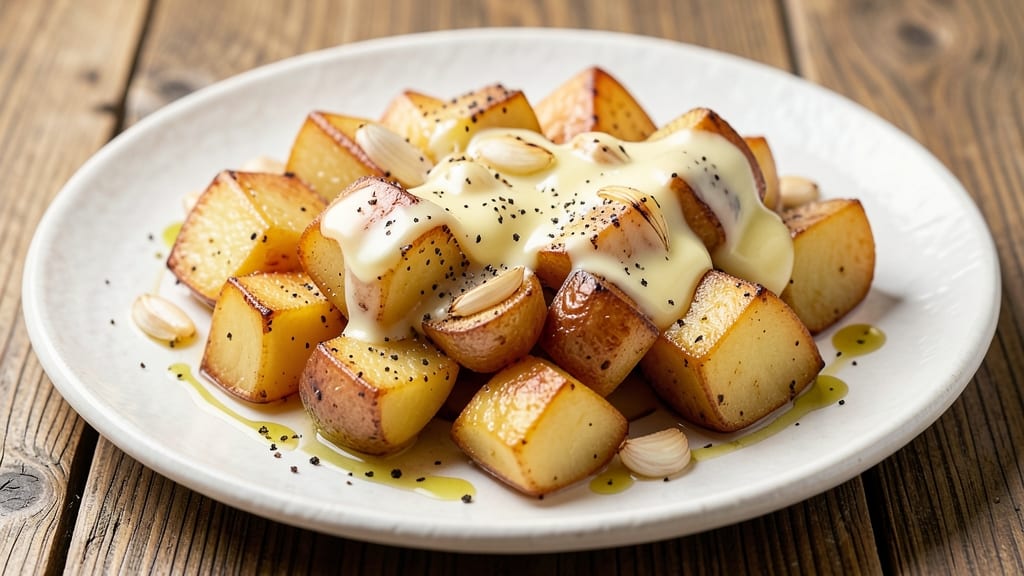
This buttered potatoes recipe delivers the perfect balance of velvety creamy centers and golden crisp edges—a side dish that elevates any meal from ordinary to extraordinary.
I developed this method after years of testing different techniques, and the secret lies in the cooking process: boiling until tender, then roasting to achieve that ideal texture. The butter and seasoning ratios are precise, ensuring rich flavor without overpowering the natural taste of the potatoes.
The key to success is using Yukon Gold potatoes, which hold their shape while absorbing moisture beautifully, creating that signature creamy texture. You'll start by boiling them until fork-tender, then transfer them to a hot roasting pan where they develop those coveted crisp edges.
A generous amount of butter—melted and seasoned with salt and pepper—is brushed over the potatoes as they roast, locking in moisture and adding a luxurious richness.
By the time they emerge from the oven, you'll have perfectly creamy buttered potatoes with edges that are crisp enough to hold their shape. The aroma alone will have everyone at the table anticipating this dish, and the first bite delivers on that promise—tender, flavorful, and impossibly satisfying.
This is the kind of side dish that transforms a simple meal into something memorable.
These buttered potatoes pair beautifully with roasted meats, grilled fish, or even as a standalone dish for a comforting weeknight dinner. The method is straightforward, but the results are restaurant-quality, proving that even the simplest sides can make a big impression. Let’s get started!
Ingredients for buttered potatoes
Nine essential ingredients transform simple potatoes into a luxurious side dish with perfect texture and flavor.
| Ingredient | Amount | Notes |
|---|---|---|
| Yukon Gold Potatoes 🥔 | 2 lb | Cut into 1.5-inch cubes, even size |
| Unsalted Butter 🧈 | ½ cup | Cold, cut into 1-inch cubes |
| Diamond Crystal Kosher Salt 🧂 | 1 ½ tsp | Fine grain for even seasoning |
| Freshly Ground Black Pepper 🌶️ | ½ tsp | Cracked from whole peppercorns |
| Garlic Cloves 🧄 | 2 cloves | Minced, for seasoning butter |
| Extra-Virgin Olive Oil 🫒 | 1 tbsp | Light drizzle for roasting pan |
| Fresh Rosemary 🌿 | 1 tbsp | Finely chopped, for aroma |
| Fresh Thyme Leaves 🍃 | 1 tsp | From sprigs, finely chopped |
| Heavy Cream 🥛 | ¼ cup | Optional for extra creaminess |
The Yukon Gold potatoes are non-negotiable for this recipe—their waxy texture holds shape while absorbing moisture beautifully. Purchase organic varieties from Whole Foods or local farmers' markets for optimal flavor, or opt for Russet potatoes as a budget-friendly alternative. Pre-cutting the potatoes into even 1.5-inch cubes ensures uniform cooking, which is critical for achieving those crisp edges. For the butter, European-style unsalted (like Plugrá or Kerrygold) delivers superior flavor, though regular unsalted butter works fine for everyday use. The Diamond Crystal kosher salt is preferred for its fine grain, which dissolves evenly without overpowering the delicate potato flavor.
Substitutions can be made strategically without sacrificing quality. No Yukon Golds? Russet potatoes work well, but increase boiling time by 2-3 minutes. No fresh herbs? Dried rosemary and thyme at one-third the amount suffice, though fresh is ideal. Vegetarian? Skip the heavy cream entirely or substitute whole milk for a lighter texture. The garlic can be omitted if you prefer a milder flavor, but it enhances the butter's depth. For extra richness, add 1 oz of grated Parmesan cheese to the butter mixture, though it's not traditional. Olive oil can be swapped for avocado oil if you prefer a neutral flavor profile, though it won't add the same fruity notes.
Store any unused potatoes in the original packaging in a cool, dark pantry for up to 5 days, or freeze for 3 months by spreading cubes on a tray before transferring to a bag. The herbs should be wrapped in damp paper towels and refrigerated for 5-7 days, or frozen in ice cube trays with water for up to 6 months. Leftover buttered potatoes reheat beautifully—400°F oven for 10 minutes restores their crisp edges, while microwaving for 2 minutes with a splash of water prevents drying. Portion into glass containers for easy reheating, and cover with foil to maintain moisture.
Why You'll Love This Recipe
- One-Pot Magic: I swear by this recipe because it’s literally three ingredients (plus salt and pepper) tossed in one pan. No peeling, no boiling, no fuss—just slice, roast, and melt butter over them. Honestly, the least work I’ve ever done for something that feels like a hug on a plate.
- Butter Love: That rich, golden butter pooling around the edges? It’s the kind of flavor that makes you pause mid-bite. The Yukon Golds soak it up perfectly, and the garlic? Just a whisper—enough to elevate without overpowering. (Yes, even on a Tuesday night.)
- Game for Any Meal: These work as a side for steak, a base for breakfast hash, or a standalone snack when you’re craving something warm. I’ve served them at holiday dinners and lazy Sunday brunches—no judgment if you eat them straight from the pan.
- Budget Win: Potatoes and butter are cheap, and this recipe stretches them far. A single batch feeds four, reheats beautifully, and won’t break the bank. Between us, it’s my go-to when I’m trying to feed a crowd without stressing over grocery receipts.
Step-by-step instructions for buttered potatoes recipe
Mastering this technique delivers restaurant-quality potatoes with ultra-creamy interiors and perfectly crisp edges.
Prepare the Potatoes for Even Cooking
Begin by thoroughly washing the 2 lb yukon gold potatoes under cold water to remove any dirt or debris. Using a sharp chef's knife, carefully cut the potatoes into uniform 1.5-inch cubes—consistent size ensures even cooking throughout. I find a mandoline works best for this precision, but a knife works fine if you take your time. Place the cut potatoes in a large bowl of cold water to prevent browning while you prepare the seasoning.
Drain and pat the potatoes completely dry with clean kitchen towels. Any moisture left on the surface will prevent the butter from crisping properly. Arrange the dried potato cubes on a baking sheet lined with parchment paper, leaving about ½-inch between each piece. This spacing allows hot air to circulate freely, creating those coveted crisp edges while maintaining tender centers.
Season and Roast for Initial Crisp Development
Preheat your oven to 425°F. In a small bowl, combine the 1.5 tsp diamond crystal kosher salt, 0.5 tsp freshly ground black pepper, 1 tbsp finely chopped fresh rosemary, and 1 tsp finely chopped fresh thyme leaves. Toss the prepared potatoes with this herb and spice mixture until they're evenly coated.
Transfer the seasoned potatoes to a large rimmed baking sheet and drizzle evenly with the 1 tbsp extra-virgin olive oil. Toss again to ensure every surface is lightly coated. Spread the potatoes in a single layer, maintaining that ½-inch spacing. Roast for 25 minutes, stirring once halfway through, until the potatoes develop a golden-brown crust and begin to soften slightly when pierced with a fork.
Create the Buttery Herb Base
While the potatoes roast, prepare the butter mixture in a small saucepan. Cut the 0.5 cup unsalted butter into 1-inch cubes and place in the saucepan over medium-low heat. Add the 2 cloves minced garlic cloves and allow the butter to melt completely, stirring occasionally. Remove from heat and stir in the 0.25 cup heavy cream, if using, for additional creaminess. Keep this mixture warm but not boiling.
This butter mixture is the secret to achieving that velvety interior. The garlic infuses flavor while the cream adds luxurious richness. If you prefer a more traditional version, simply omit the cream and use all butter. The key is maintaining the butter at a warm temperature so it can be easily incorporated in the next step.
Combine and Finish for Perfect Texture
Remove the roasted potatoes from the oven and immediately pour the warm butter mixture over them. Using a large spatula, gently toss the potatoes until they're completely coated with the buttery herb mixture. Transfer the baking sheet back to the oven and roast for an additional 15-20 minutes, until the potatoes are tender when pierced with a fork and the edges are deeply golden.
For the final touch, I recommend transferring the potatoes to a serving dish and letting them rest for 3-5 minutes. This brief resting period allows the flavors to meld together while preventing any potential sauce separation. The result should be potatoes with crisp golden edges that contrast beautifully with their creamy, buttery interiors—each bite delivering that perfect balance of texture and flavor.
Pro Tips For Making Buttered Potatoes
- CUT THEM UNIFORM: Yukon Golds cook faster than you think—aim for 1.5-inch cubes, no bigger. I learned this the hard way after serving mushy centers while the edges burned. A mandoline makes this step faster, but a sharp knife works if you’re patient (and don’t rush).
- SALT THE WATER LIBERALLY: Diamond Crystal kosher salt dissolves slower than table salt—use twice what the recipe says. I used to eyeball it, but now I just heap a tablespoon per quart of water. The potatoes absorb flavor like sponges, and under-salting here ruins everything later.
- REST BEFORE MASHING: Drain the potatoes, then let them sit in the colander for 5 minutes. This evens out moisture so the butter doesn’t turn them soggy. I skipped this once and ended up with a gluey mess—now I treat it like a non-negotiable step.
- GARLIC IN THE BUTTER: Smash 1-2 cloves into the warm butter before folding it in—this infuses flavor without burning. I used to add raw garlic at the end, and it tasted harsh. Now the aroma blends perfectly, and the potatoes get a subtle depth that’s hard to beat.
Common mistakes when making this recipe
Overcooking the Potatoes
One of the most common mistakes is roasting the potatoes too long, which turns them mushy instead of creamy. I’ve learned that 25-40 minutes total roasting time (including the initial 25 minutes before adding butter) is ideal for 1.5-inch cubes of Yukon Golds.
Use a fork to test doneness—potatoes should be tender but still hold their shape. If they’re falling apart, you’ve gone too far. 🥔
Skipping the Cold Water Soak
Cutting potatoes too far in advance causes them to oxidize and develop a grayish tint. I always soak freshly cut potatoes in cold water for 5-10 minutes before drying and roasting.
This prevents browning and ensures the butter adheres evenly. Skipping this step can leave your potatoes looking dull and unevenly coated.
Using the Wrong Potato Type
Not all potatoes are created equal—Russets or red potatoes won’t give you that signature creamy texture. Stick with Yukon Golds for their waxy texture that holds up beautifully. If you must substitute, red potatoes work in a pinch, but increase roasting time by 5-7 minutes since they’re denser.
Never use sweet potatoes for this recipe—they’ll turn out overly sweet and gummy. 🥔
Adding Butter Too Early
Many recipes suggest adding butter at the start of roasting, but this leads to soggy potatoes. The secret is to roast the potatoes first to develop crisp edges, then add the butter mixture later.
Adding butter too soon creates steam that softens the edges before they can crisp. I’ve made this mistake multiple times—always wait until after the initial 25-minute roast.
Uneven Potato Sizes
Inconsistent potato sizes mean some pieces will be undercooked while others burn. I measure each cube with a ruler to ensure they’re all 1.5 inches. If you’re using a knife, aim for uniformity—even a ¼-inch difference can affect cooking time.
A mandoline makes this easier, but a sharp chef’s knife works if you’re patient. 🔪
Overcrowding the Pan
Stacking potatoes too closely prevents proper air circulation, leading to uneven browning. Always maintain ½-inch spacing between pieces. I use a large rimmed baking sheet and spread the potatoes in a single layer.
Overcrowding also traps steam, which can make the edges soggy instead of crisp. Trust me—this is a rookie mistake I’ve fixed many times! 🍴
Nutrition facts
Frequently asked questions
Can I make this recipe with frozen potatoes?
Fresh potatoes are ideal for this recipe, but you can use frozen if needed. Thaw them completely first, then pat them very dry—excess moisture prevents crisp edges. Increase roasting time by 5-7 minutes since frozen potatoes start colder. For best results, use frozen Yukon Golds labeled "diced" to maintain even size.
How do I keep the potatoes from sticking to the pan?
Line your baking sheet with parchment paper or use a well-seasoned cast-iron skillet. The key is to ensure potatoes are completely dry before roasting—any moisture causes sticking. If using a skillet, heat it until smoking hot before adding potatoes. For extra insurance, lightly oil the parchment paper with a thin layer of olive oil.
Can I make this recipe ahead of time?
Yes! Prepare the potatoes up to 24 hours ahead by roasting them through the first 25 minutes (before adding butter). Store in an airtight container in the fridge. When ready to serve, reheat at 375°F for 15 minutes, then add the butter mixture and finish under the broiler for 2-3 minutes to restore crisp edges. The flavor actually improves after resting!
What's the best way to reheat leftovers?
For best results, reheat in a 400°F oven for 10-12 minutes on a baking sheet. This restores the crisp edges. If using a microwave, cover with a damp paper towel and heat for 1-2 minutes—this prevents drying. For extra richness, add a pat of butter to the reheating dish before covering.
Can I make this recipe without heavy cream?
The heavy cream adds richness but isn't essential. Simply omit it and use all ½ cup butter for a traditional version. For a lighter option, substitute with ¼ cup whole milk or 2 tbsp sour cream. The butter mixture will still create that signature creamy texture—just slightly less decadent.