
Side Dishes
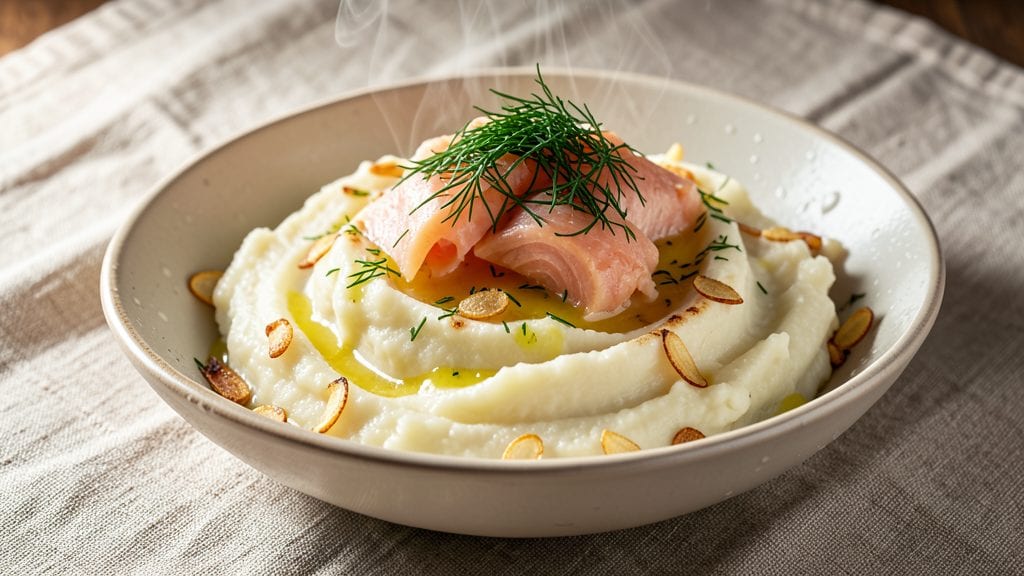
Transforming canned salmon into flaky mashed potatoes creates a protein-packed side that’s creamy, satisfying, and packed with omega-3s—no fancy prep required. The key lies in gently heating the salmon to preserve its texture while blending it seamlessly into velvety potatoes, creating a dish that’s both elegant and effortless.
This method works perfectly for pescatarians or anyone looking to add lean protein to their meal without extra effort.
What sets this recipe apart is the balance of textures: tender, flaky salmon pieces melt into the mashed potatoes, adding a subtle brininess that complements the creamy base.
The process is straightforward—simmer the salmon, boil the potatoes, and blend them together with butter, milk, and a touch of lemon for brightness. It’s a foolproof technique that delivers restaurant-quality results in under 30 minutes.
The result is a side dish that’s rich yet light, with each bite offering a harmonious mix of creamy potatoes and delicate salmon flakes. The dish pairs beautifully with roasted vegetables, grilled fish, or even as a standalone meal for a quick lunch.
For extra flavor, consider adding fresh dill, chives, or a dollop of sour cream on top.
This recipe is especially versatile—use it as a side for weeknight dinners, meal prep for lunches, or even as a base for salmon cakes. The best part? No one will guess it started with canned salmon, making it a clever way to elevate simple meals with minimal ingredients.
Ingredients for canned salmon mashed potatoes
Nine simple ingredients transform canned salmon into restaurant-quality mashed potatoes with flaky fish bites.
| Ingredient | Amount | Notes |
|---|---|---|
| Russet Potatoes 🥔 | 2 lbs | Medium, peeled and cubed |
| Canned Salmon 🐟 | 2 cans | Wild-caught, drained and flaked |
| Unsalted Butter 🧈 | ½ cup | Cold, cubed for creamy texture |
| Whole Milk 🥛 | ½ cup | Full-fat for richness |
| Lemon Juice 🍋 | 1 tbsp | Freshly squeezed for brightness |
| Fresh Dill 🌿 | ¼ cup | Chopped, for fresh aroma |
| Salt 🧂 | 1 tsp | Kosher or sea salt |
| Black Pepper 🌶️ | ½ tsp | Freshly ground preferred |
| Sour Cream 🥛 | ¼ cup | Optional, for garnish |
| Chives 🌱 | 2 tbsp | Chopped, for garnish |
| Garlic Cloves 🧄 | 1 whole | Minced for subtle depth |
The salmon is the star here, so wild-caught is ideal—it has a cleaner taste and better texture than farmed. Look for brands like Wild Planet or Vital Choice if you're splurging, but even basic canned salmon works. The key is to gently heat it to 120°F—just enough to warm through without breaking it into tiny pieces. Costco often carries high-quality canned salmon at a good price, and most grocery stores stock the basics. For the potatoes, Russets are essential—their high starch content makes them ultra-creamy. Avoid waxy varieties like Yukon Golds, which stay too firm. Peeled and cubed potatoes cook faster and more evenly, which is critical when blending with delicate salmon.
No fresh dill? Dried dill at one-third the amount works in a pinch, though fresh is far superior. Short on butter? Olive oil at half the quantity keeps the dish light, though the flavor will differ. If you're making this ahead, hold off on adding the lemon juice until serving—it brightens the dish but can make the mashed potatoes watery if mixed in too early. The sour cream is optional but adds a lovely tang—full-fat is best for that creamy finish. For extra flavor without extra effort, roast the salmon skins separately and crumble them on top at the end. They add a crispy, umami kick that pairs perfectly with the creamy potatoes.
These mashed potatoes reheat beautifully—just warm them gently in the microwave with a splash of milk to restore their creaminess. Store leftovers in an airtight container for up to 4 days in the fridge, or freeze for 3 months. For meal prep, portion into individual containers before freezing so you can grab just what you need. The salmon flavor actually intensifies overnight, making this an even better option for lunches. Garnish with fresh herbs right before serving to keep them vibrant.
Why You'll Love This Recipe
- Five-Ingredient Magic: I swear, this is the kind of meal where you peek at the ingredients and think, "How is this going to work?"—then taste it and realize you’ve been missing out. Russets and canned salmon? Yes. The butter and milk make it creamy, the lemon brightens everything, and suddenly, you’ve got a dish that feels fancy but took less effort than deciding what to eat.
- No One Will Guess: Between us, the salmon adds this secret depth—flaky, briny, and just a little rich—that turns plain mashed potatoes into something people will actually fight over. (My roommate once swapped her salad for seconds. That’s how good it is.)
- Lunchbox Hero: Pack these for work or school—cold or reheated, they’re still creamy and satisfying. Honestly, I make a double batch on Sundays just so I can grab a jar for my lunchbox all week. The lemon keeps it from getting bland, and the salmon adds protein so you’re not just eating carbs.
- Budget-Friendly Luxury: Canned salmon is my go-to for stretching meals without breaking the bank. A single can feeds four, and the leftovers reheat beautifully—sometimes even better the next day. Plus, you’re not sacrificing flavor; it’s just smart, simple eating that doesn’t skimp on taste.
Step-by-step instructions for canned salmon mashed potatoes
This method delivers ultra-creamy mashed potatoes with flaky salmon bits throughout—every bite is rich and satisfying.
Cook the Potatoes Until Fork-Tender
Place the 2 lbs of peeled and cubed russet potatoes in a large pot and cover with cold water by about 2 inches. Add the 1 tsp salt to the water. Bring to a boil over high heat, then reduce to a steady simmer. Cook for 12-15 minutes until the potatoes are fork-tender—you should be able to pierce them easily with a fork or knife.
Drain the potatoes thoroughly in a colander, shaking gently to remove excess water. Return them to the pot and let them steam-dry for 2-3 minutes. This step is crucial for achieving light, fluffy mashed potatoes without adding extra liquid later.
Mash the Potatoes to Smooth Perfection
While the potatoes are still hot, add the 0.5 cup of cold, cubed unsalted butter and the 0.5 cup of whole milk. Using a potato masher or ricer, mash until completely smooth—no lumps should remain. I prefer using a ricer for the silkiest texture, but a masher works fine if you work carefully.
Keep the mashed potatoes warm in a double boiler or insulated pot over low heat. This maintains their creamy consistency while you prepare the salmon mixture. If they start to thicken, add a splash of warm milk to loosen them back to a smooth, spreadable texture.
Prepare the Salmon and Herb Mixture
In a separate bowl, gently flake the 2 cans of drained canned salmon with your fingers, breaking up any large chunks. Add the 0.25 cup of chopped fresh dill, the 1 tbsp lemon juice, the 0.5 tsp black pepper, and the 1 minced garlic clove. Mix lightly just until combined—you want the salmon pieces to remain intact for those flaky bites.
This mixture should be bright and aromatic. The lemon juice cuts through the richness of the salmon while the dill adds freshness. Taste and adjust seasoning if needed—you might want to add a pinch more salt depending on how your salmon was packed.
Combine and Finish with Sour Cream
Carefully fold the salmon mixture into the warm mashed potatoes using a spatula. Start with small amounts and mix gently to avoid breaking up the salmon pieces too much. The goal is to distribute the salmon evenly throughout while maintaining those flaky bits.
Once fully combined, stir in the 0.25 cup of sour cream. This adds a lovely tangy contrast to the rich salmon and potatoes. The mixture should be creamy but still hold its shape when spooned. If it's too thick, add a few tablespoons of warm milk to reach your desired consistency.
Garnish and Serve Immediately
Transfer the mashed potatoes to a serving bowl and garnish with the 2 tbsp chopped chives. The chives add a delicate onion flavor that complements the salmon beautifully. Serve immediately while warm—these potatoes are best enjoyed fresh from the pot.
Each bite should deliver that perfect combination of creamy, flaky salmon bits with the rich, velvety texture of the potatoes. The lemon and dill brighten the dish, while the sour cream adds a subtle tang that balances the richness. This recipe makes 4 generous servings, perfect for a hearty meal.
Pro Tips For Making Canned Salmon Mashed Potatoes
- Boil Potatoes Whole: Potatoes cook faster and stay creamier when boiled in their skins. Cut them into even chunks (about 2-inch pieces) so they finish at the same time—no one likes a half-raw center in mashed potatoes.
- Drain Salmon Thoroughly: Canned salmon hides a lot of brine. Rinse it well under cold water, then pat it very dry with paper towels. Wet salmon makes mashed potatoes soggy, and no one wants a watery side dish.
- Use Warm Milk: Cold milk chills the potatoes and makes them gummy. Heat the whole milk to just warm (not hot) before mixing—it blends in smoothly and keeps the texture light. Trust me, your fork will thank you.
- Salt the Water Generously: Russets need salt to develop flavor, but don’t go overboard—you’re adding more later. Aim for a teaspoon per pound of potatoes. This step matters most if you’re using low-sodium canned salmon.
Pro cooking tips for this recipe
Salmon Texture Secrets
The key to perfect flaky salmon in mashed potatoes is gentle heating—never boiling. Warm your canned salmon in a small saucepan over low heat for just 3-4 minutes until it reaches 120°F.
This preserves the delicate texture while removing any metallic taste from the can. I use a thermometer to monitor temperature precisely—overheating turns salmon into mush. 🌡️
Potato Starch Mastery
Russet potatoes contain high starch content, which is essential for creamy mashed potatoes. After boiling, drain them thoroughly and let them steam-dry for 2-3 minutes in the pot.
This removes excess moisture without adding extra liquid later. For extra insurance, I press the potatoes through a potato ricer—this eliminates lumps and creates ultra-smooth mashed potatoes. 🥔
Butter Temperature Trick
Use cold, cubed butter when mixing into hot potatoes. The cold butter melts gradually as it incorporates, creating a silky emulsion rather than separating. I always cube my butter first—this ensures even melting and prevents clumping.
For extra richness, I sometimes add 1 tablespoon of heavy cream along with the milk. 🧈
Lemon Timing Matters
Add lemon juice right before serving to preserve brightness. The acidity in lemon can break down potato starches over time, making your mashed potatoes watery. I mix the lemon with the salmon mixture separately, then fold it in last minute. This keeps the flavor vibrant without compromising texture. 🍋
Folding Technique
When combining salmon with mashed potatoes, use a spatula and fold gently from the bottom up. This preserves those flaky salmon pieces while distributing them evenly.
I start with small amounts of salmon and mix carefully—overmixing creates tiny salmon bits instead of flakes. The goal is visible flakes in every bite. 🍽️
Reheating Without Ruin
For leftovers, reheat gently in the microwave with 1 tablespoon of milk to restore creaminess. Microwave in 30-second bursts, stirring between each, until reaching 165°F. Avoid boiling—this makes mashed potatoes gummy. I also recommend adding a pat of butter when reheating to refresh the flavor. ⏰
Nutrition facts
Frequently asked questions
Can I use frozen salmon instead of canned?
While canned salmon is ideal for this recipe, you can use frozen salmon with adjustments. Thaw it overnight in the fridge, then gently poach in 165°F water for 3-4 minutes to maintain flakiness. Drain well and flake before mixing into potatoes. Frozen salmon may have a slightly different texture, so expect smaller flakes.
How do I make this dish dairy-free?
Replace butter with olive oil or vegan butter and use unsweetened almond milk or coconut milk instead of whole milk. For creaminess, add 1 tablespoon of nutritional yeast to mimic the richness. The texture will be slightly lighter but still delicious.
Why does my salmon turn into mush?
Overheating is the most common cause. Keep the salmon warm at 120°F for 3-4 minutes max—never boiling. Also, avoid aggressive mixing when folding into potatoes. Use a gentle spatula motion to preserve flakes.
Can I prep this ahead of time?
Yes! Make the mashed potatoes up to 2 days ahead and store in an airtight container. Reheat gently with 1 tablespoon of milk until 165°F. Add the salmon mixture fresh when serving to maintain texture. For extra flavor, mix in lemon juice just before eating.
What if I don't have fresh dill?
Use 1/3 teaspoon dried dill as a substitute, or swap for 1 tablespoon chopped parsley for a milder flavor. For extra brightness, add 1/2 teaspoon lemon zest along with the lemon juice. The dish will still taste great—just slightly different.