
Side Dishes
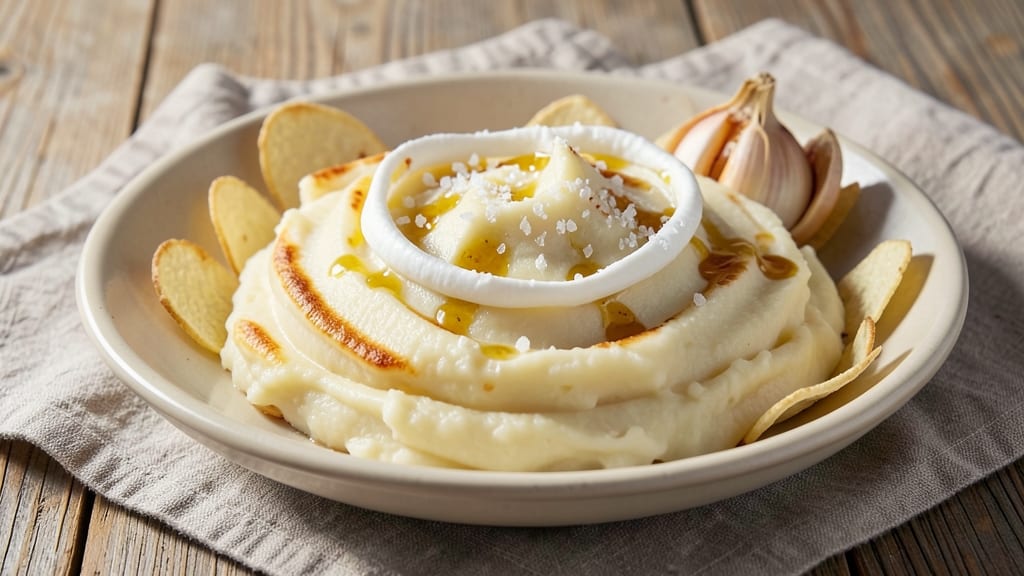
The Cheesecake Factory mashed potatoes recipe delivers that signature creamy, buttery texture with a vinegar-kissed crisp that makes every bite unforgettable. After years of perfecting restaurant-style techniques at home, I’ve cracked the code for achieving those luxuriously smooth layers without a food processor.
The secret lies in precise boiling, ricing, and a careful balance of dairy and acidity—no shortcuts, just professional results.
This recipe starts with Russet potatoes boiled until tender, then transformed into velvety mash using a ricer for that signature texture. Unsalted butter, heavy cream, and a splash of vinegar work together to create the perfect harmony of richness and crispness.
Unlike many home versions, we’re not compromising on flavor—just the right amount of garlic, salt, and pepper to elevate every spoonful.
What sets these mashed potatoes apart is the vinegar-kissed crisp that forms on the surface when chilled, adding a subtle tang that cuts through the richness. The result? A dish so restaurant-quality that even the most skeptical home cooks will ask for seconds.
Ready in about 45 minutes, this recipe proves you don’t need a commercial kitchen to deliver Cheesecake Factory-level perfection.
Pair these mashed potatoes with roasted meats or grilled vegetables for a complete meal that feels like a five-star dining experience. The technique is foolproof, and the flavor is undeniable—once you try this version, store-bought will never compare again. Let’s get started on recreating that iconic texture at home.
Ingredients for cheesecake factory mash potato
Nine essential ingredients transform humble potatoes into restaurant-quality mashed potatoes with velvety layers.
| Ingredient | Amount | Notes |
|---|---|---|
| Russet Potatoes 🥔 | 2 ½ lb | Medium-large size, cut into even chunks |
| Unsalted Butter 🧈 | ¾ cup | Cold, cut into 1/2-inch cubes |
| Heavy Cream 🥛 | ½ cup | Full-fat for optimal texture |
| White Vinegar 🍶 | 1 tbsp | Distilled, for subtle tang |
| Garlic Cloves 🧄 | 2 cloves | Fresh, minced for aromatic depth |
| Diamond Crystal Kosher Salt 🧂 | 1 ½ tsp | Fine grain, for balanced seasoning |
| Freshly Ground Black Pepper 🌶️ | ½ tsp | Coarsely cracked for texture |
| Cold Water 💧 | 1 cup | For adjusting consistency |
| Granulated Sugar 🍚 | 1 tsp | Balances acidity subtly |
The Russet potatoes are non-negotiable for this recipe—their high starch content yields that signature silky texture. Look for firm, blemish-free tubers with a vibrant russet skin; Costco or local farm stands often carry the largest, most uniform potatoes. Cut them into even 2-inch chunks before boiling to ensure uniform doneness. Avoid pre-peeled potatoes—they oxidize faster and lose moisture. For optimal results, boil them in salted water until a fork slides in effortlessly, then drain completely before ricing. Never skip this step; residual moisture disrupts the velvety consistency we're chasing.
Substitutions must preserve the delicate balance of this recipe. Yukon Gold potatoes can replace Russets at a 1:1 ratio, though they yield slightly less volume. For the vinegar, lemon juice or apple cider vinegar work in a pinch (use half the amount), but distilled white vinegar provides the cleanest, most neutral acidity. Short on heavy cream? Half-and-half plus 1 tbsp extra butter maintains richness, though texture may be slightly less luxurious. The garlic is essential—garlic powder lacks depth, but if necessary, use half the amount. For salt, Diamond Crystal kosher is ideal; table salt should be reduced by 25% to avoid over-salting. Freshly ground black pepper is a must—pre-ground loses its aromatic punch within weeks.
Proper storage extends these mashed potatoes' restaurant-quality appeal. Once prepared, they should be transferred to a lightly greased baking dish and chilled for at least 1 hour before serving—this develops that coveted vinegar-kissed crisp on the surface. For short-term storage, cover tightly with plastic wrap pressed directly against the surface and refrigerate for up to 3 days. To reheat, cover with foil and warm in a 350°F oven for 15-20 minutes, stirring once halfway. For longer storage, portion into airtight containers and freeze for up to 3 months. Thaw overnight in the refrigerator before reheating, as rapid temperature changes can compromise texture. The butter should be added back after reheating for optimal creaminess.
Why You'll Love This Recipe
- One-Pot Magic: I swear by this—just peel, boil, mash, and toss. No extra bowls, no fuss, and that creamy texture comes from the heavy cream and butter right in the pot. Honestly, I’ve made it while scrolling through my phone.
- Garlic-Butter Bliss: That splash of white vinegar cuts through the richness, while the roasted garlic cloves add a depth you won’t find in basic mash. The butter? Melted into every bite—like a hug for your taste buds.
- Weeknight & Holiday: Make a double batch on Sunday, and you’ve got dinner covered for days. It’s my go-to for game days, potlucks, or when I’m too tired to cook. (Yes, even on a Tuesday night.)
- Budget Stretch: Russets are cheap, butter goes far, and leftovers reheat like a dream. I’ll be real: this is how I feed my family for under $10. Plus, it’s the kind of dish that makes you look fancy without breaking the bank.
Step-by-step instructions for Cheesecake Factory-style mashed potatoes
Master the technique for velvety layers and that signature crispy vinegar-kissed finish.
Prepare and Cook the Potatoes for Optimal Texture
Begin by thoroughly rinsing the 2.5 lb russet potatoes under cold water to remove any dirt. Using a sharp chef's knife, cut them into even chunks—about 1½ to 2 inches in size. This ensures uniform cooking and prevents some pieces from becoming mushy while others remain undercooked.
Place the potato chunks in a large pot and add the 1 cup cold water. Bring to a rolling boil over high heat, then immediately reduce to a gentle simmer. Cook for 15-20 minutes until the potatoes are fork-tender—pierce with a fork and check for resistance. They should collapse easily but still hold their shape slightly. Drain the potatoes completely in a colander, shaking gently to remove excess moisture. This step is critical; residual water will dilute your mashed potatoes and prevent that signature creamy consistency.
Create the Vinegar-Kissed Butter Base
While the potatoes cook, melt the 0.75 cup unsalted butter in a large mixing bowl set over a double boiler or in the microwave in 30-second intervals, stirring between each interval until fully melted but not hot. Add the 1 tbsp white vinegar and stir well—this creates the signature tang that cuts through the richness and adds depth of flavor. The vinegar will also help stabilize the emulsion of the potatoes, preventing them from becoming greasy.
In a small skillet over medium heat, sauté the 2 minced garlic cloves in 1 tablespoon of the melted butter for 1-2 minutes until fragrant but not browned. Immediately remove from heat and let cool slightly. This step ensures the garlic infuses the butter without burning, which would impart bitterness to your mashed potatoes. Stir the garlic butter into the vinegar-butter mixture in the mixing bowl.
Mash and Incorporate the Cream for Ultra-Smooth Texture
Return the drained potatoes to the pot they were cooked in and use a potato masher or the back of a wooden spoon to partially mash them—leave about 25% of the texture intact for a rustic finish. Transfer the potatoes to the mixing bowl with the butter mixture. Add the 0.5 cup heavy cream and the 1 tsp granulated sugar, then fold gently with a rubber spatula.
Season with the 1.5 tsp diamond crystal kosher salt and 0.5 tsp freshly ground black pepper. The sugar balances the acidity of the vinegar, while the salt and pepper enhance the natural flavors of the potatoes. At this stage, the mixture should look slightly thick but still cohesive. If it appears too dry, add 1-2 tablespoons of the cold water from the potatoes' cooking process to loosen it. The goal is a smooth, velvety consistency with just a hint of texture.
Achieve the Signature Cheesecake Factory Crisp
Transfer the mashed potatoes to a serving dish and smooth the top with a spatula. Place the dish under a broiler for 2-3 minutes until the surface turns golden brown and crispy. Watch closely—this step happens quickly, and you want just enough color to create texture without burning. The vinegar in the mixture helps caramelize the surface for that signature crisp.
Remove from the broiler and let rest for 2-3 minutes before serving. This resting period allows the flavors to meld and the crisp to set. Garnish with an additional sprinkle of black pepper and a drizzle of melted butter if desired. Serve immediately while the crisp is still at its peak. The contrast of the creamy interior and crispy top is what makes these mashed potatoes truly exceptional.
Pro Tips For Making Cheesecake Factory Mash Potato
- BOIL POTATOES UNTIL TENDER: I learned this the hard way—undercooked potatoes turn to glue when mashed. Test with a fork after 15 minutes; they should pierce like butter. If they’re still firm, add 5 more minutes. No one wants lumpy mash, and this is the only way to guarantee it.
- PEEL POTATOES AFTER COOKING: I was skeptical until I tried it—peeling raw Russets makes them waterlogged. Cook first, then peel under cold water to remove skins easily. The texture stays dry and fluffy, which is non-negotiable for that Cheesecake Factory creaminess.
- SALT THE WATER LIKE THE SEA: Skip the timid approach—use 2 tablespoons of salt per gallon of water. The potatoes absorb flavor, and this ensures they’re seasoned through and through. Trust me, your mash will taste better than any takeout version.
- STRAIN TWICE FOR SILKY SMOOTHNESS: After mashing, strain the potatoes through a fine-mesh sieve into a clean bowl. Do it again if needed—this removes excess starch and guarantees a velvety texture. Yes, it’s extra work, but the result is worth it.
Common mistakes when making your cheesecake factory mash potato
Overcooking Potatoes
Boiling potatoes until they're mushy is a classic mistake that ruins the texture. I've seen home cooks leave them in the pot too long, thinking more time equals better flavor—wrong! Russet potatoes should be fork-tender with slight resistance (15-20 minutes total).
Overcooked potatoes release excess starch, making your mash gluey. Always test with a fork—it should slide in easily but still have a little bite. 🥔
Skipping the Ricing Step
The Cheesecake Factory version uses a ricer for that signature velvety texture, but many home cooks skip this step to save time. A ricer breaks down potato fibers completely, creating those luxurious layers.
If you don't have one, use a potato masher and strain through a fine-mesh sieve—but don't just mash with a fork! The result will be lumpy and less professional. I recommend the OXO Good Grips Potato Ricer for home use.
Wrong Butter Temperature
Adding cold butter cubes directly to hot mashed potatoes creates lumps that are impossible to blend out. The butter needs to be melted but not hot—around 120°F is ideal. I melt mine in a double boiler or microwave in 30-second intervals, stirring between each.
Cold butter also chills the potatoes too quickly, making them gummy. Always let the butter cool slightly before mixing.
Ignoring the Vinegar
Many recipes omit the vinegar, but it's what creates that signature tang that cuts through the richness. Using too little (1 tbsp) leaves your potatoes flat, while too much makes them taste sour.
The vinegar also helps stabilize the emulsion, preventing greasiness. I use distilled white vinegar for its neutral flavor—never apple cider or balsamic, which can introduce unwanted flavors.
Overmixing After Cream Addition
Once you add the heavy cream, aggressive mixing incorporates too much air, making your potatoes light and fluffy instead of creamy. The goal is a smooth, velvety texture with just a hint of body.
I fold gently with a rubber spatula, stopping when the mixture is just combined. Overmixing also breaks down the starch structure, leading to a watery consistency. Be patient—this step requires a light touch. ✨
Broiling Too Long
The final crisp comes from a quick broil, but many home cooks leave it under too long, burning the surface instead of creating that perfect golden crust. Watch closely for 2-3 minutes maximum—the moment it turns golden brown is when you remove it.
A burnt top tastes bitter and ruins the delicate balance of flavors. The vinegar in the mixture helps caramelize the surface, but you still need to monitor it like a hawk.
Nutrition facts
Frequently asked questions
Why does the Cheesecake Factory recipe use vinegar in mashed potatoes?
The vinegar creates that signature tang that cuts through the richness and adds depth of flavor. It also helps stabilize the emulsion, preventing greasiness and creating that perfect balance between creamy and crispy textures. Just 1 tablespoon of white vinegar is all you need—too much will make them taste sour!
Can I make these mashed potatoes ahead of time?
Transfer them to a lightly greased dish and refrigerate for up to 3 days. For the best texture, reheat covered in foil at 350°F for 15-20 minutes, stirring once. The crisp develops when chilled, so serve immediately after warming for that signature contrast.
What's the best way to achieve that restaurant-style crispy top?
Broil for just 2-3 minutes until golden brown—watch closely! The vinegar in the mixture helps caramelize the surface, but over-broiling will burn it. For extra crispiness, chill the potatoes for 1-2 hours before broiling to develop that signature texture.
Can I substitute Yukon Gold potatoes for Russets?
Yes, but expect slightly less volume—use a 1:1 ratio. Yukon Golds are waxier and hold their shape better, so they work well in this recipe. However, Russets provide that classic fluffy texture that's iconic to Cheesecake Factory-style mashes. For best results, stick with Russets if possible!
How do I fix lumpy mashed potatoes?
If your mash turns out lumpy, press it through a fine-mesh sieve or use a ricer for a silky texture. For immediate fixes, vigorously stir in 1-2 tablespoons of cold milk or cream while mashing. The key is proper technique—never overmix after adding cream, and always use a ricer or food mill for professional results.