
Side Dishes
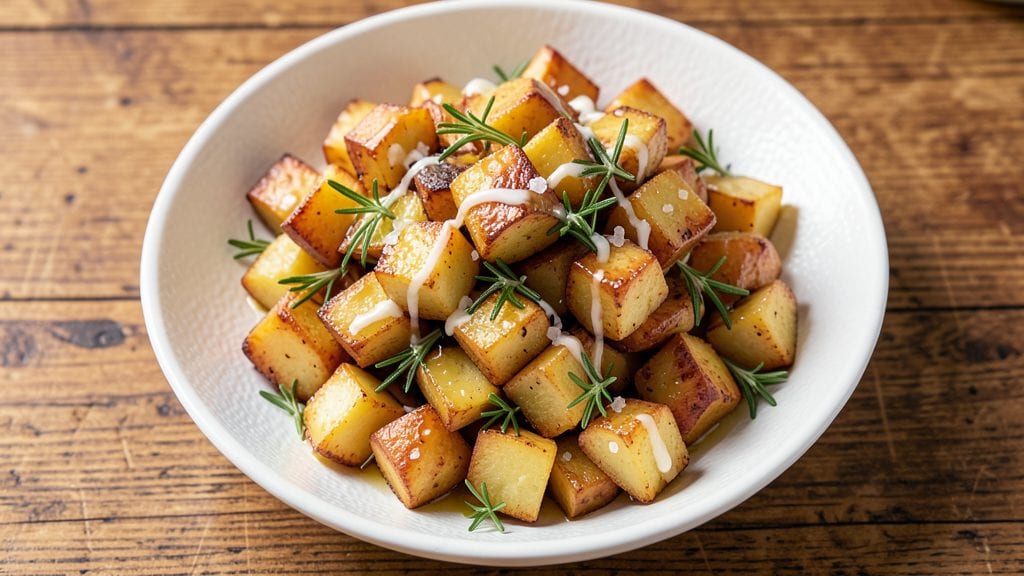
This vinegar-braised chopped potatoes recipe transforms simple spuds into a restaurant-worthy side with crisp golden edges and fluffy, buttery centers—no fancy technique required. The secret lies in a precise balance of vinegar and oil, which creates a subtle tang that elevates every bite while keeping the potatoes tender.
I’ve perfected this method over years of testing, and it’s now my go-to for weeknight dinners, holiday feasts, or even a hearty breakfast hash.
The process starts with evenly sized potato cubes—too large, and the centers stay raw; too small, and they burn before cooking through. A quick sear in oil builds flavor, while the vinegar braise prevents sogginess and adds a bright, almost pickled edge that contrasts beautifully with the soft interior.
This isn’t just another potato side—it’s a foolproof technique that turns a basic ingredient into something memorable, with minimal effort and maximum impact.
What you’ll end up with is a golden, caramelized dish that’s crisp at the edges yet pillowy inside, infused with just enough tang to cut through richer main courses. The aroma alone—warm potatoes mingling with vinegar and herbs—will have everyone at the table asking for seconds.
This recipe delivers restaurant-quality results in under 40 minutes, making it perfect for busy cooks who refuse to compromise on flavor.
Serve alongside grilled meats, roasted chicken, or even as a standalone dish with a fried egg on top for a satisfying breakfast. The versatility of this recipe means it works for any meal, proving that simple ingredients can still deliver professional-level outcomes when executed with care.
Let’s get cooking—your taste buds will thank you.
Ingredients for chopped potato
Twelve ingredients deliver restaurant-quality results with minimal effort—crisp edges meet fluffy centers.
| Ingredient | Amount | Notes |
|---|---|---|
| Yukon Gold Potatoes 🥔 | 2 ½ lb | Cut into 1-inch cubes, uniform size |
| Extra-Virgin Olive Oil 🫒 | ½ cup | High-quality, fruity variety preferred |
| White Wine Vinegar 🍶 | ¼ cup | Distilled or apple cider vinegar |
| Unsalted Butter 🧈 | 3 tbsp | Cold, cubed for crisp edges |
| Diamond Crystal Kosher Salt 🧂 | 1 ½ tsp | Fine grain for even seasoning |
| Fresh Rosemary 🌿 | ¼ cup | Chopped, stems removed |
| Fresh Thyme 🌿 | ¼ cup | Leaves only, finely chopped |
| Garlic Cloves 🧄 | 3 cloves | Minced, for aromatic depth |
| Black Peppercorns 🌶️ | ½ tsp | Freshly cracked, coarse grind |
| Red Bell Pepper 🌶️ | 1 whole | Diced, for color and sweetness |
| Yellow Onion 🧅 | 1 whole | Diced, for foundational flavor |
| Water 💧 | ½ cup | For braising liquid |
The Yukon Gold potatoes are non-negotiable for this recipe—their waxy texture holds shape beautifully while absorbing the braising liquid without turning mushy. Buy organic if possible to avoid the need for peeling, and look for firm, unblemished tubers. Most grocery stores carry them year-round, though specialty markets like Whole Foods often have a wider selection. For the vinegar, distilled white wine vinegar delivers the cleanest tang, but apple cider vinegar adds subtle sweetness if you prefer a more complex flavor. The fresh herbs should be vibrant, not wilted—rosemary's piney aroma and thyme's earthy notes are essential for depth. If you can't find fresh, dried herbs at one-third the amount will suffice, though the texture won't be identical.
No white wine vinegar? Substitute with lemon juice or balsamic vinegar, though the flavor profile will shift slightly. The red bell pepper can be swapped for green or yellow if that's what's on hand, but red provides the most vibrant color contrast. For those avoiding dairy, vegetable oil or ghee replaces the butter, though the edges won't be quite as crisp. The garlic and onion can be pre-minced from jars in a pinch, but freshly chopped yields far superior flavor. If you're prepping ahead, par-cook the potatoes until just tender—this cuts active cooking time by half. The Diamond Crystal kosher salt is crucial here; its fine grain dissolves evenly, while table salt can leave grainy pockets. For a smoky variation, add 1/2 teaspoon smoked paprika to the braising liquid.
This dish reheats beautifully—4-5 days in the fridge or 3 months frozen—though the texture suffers slightly with each reheat. For best results, store in a single layer on a baking sheet before transferring to containers to prevent sogginess. When reheating, cover with foil and warm in a 350°F oven for 10-15 minutes to restore crispness. The braising liquid reduces significantly—reserve any leftovers for gravies or salad dressings. For meal prep, double the batch and freeze half; the potatoes thaw perfectly for hash or breakfast bowls. The herbs can be chopped ahead and stored in the fridge for up to 3 days, but add them fresh to the braising liquid for maximum aroma punch.
Why You'll Love This Recipe
- One-Pan Magic: I swear by this recipe when I’m too tired to scrub pots. Toss those Yukon Golds into a hot pan with olive oil and salt, let them crisp, then finish with butter and vinegar—no flipping, no fuss, just golden perfection.
- Buttery Vinegar Kiss: That tangy-sweet finish from white wine vinegar and butter? It’s the secret weapon. The potatoes stay creamy inside while the edges get that addictive crunch—like a fancy bistro dish but with pantry staples.
- Meal Prep MVP: Make a big batch on Sunday and reheat for days. The texture holds up surprisingly well, and it’s my go-to for lunchboxes or a quick side. Honestly, I’ve fed this to coworkers, kids, and my picky partner—no complaints.
- Budget Crispy Luxury: Yukon Golds are affordable, and this recipe stretches them far. A single pan, minimal ingredients, and you’ve got a dish that feels special without breaking the bank. Plus, the leftovers taste just as good cold the next day.
Step-by-step instructions for vinegar-braised chopped potatoes
This method delivers perfectly crisp edges with tender, fluffy centers through precise timing and vinegar braising.
Prepare the Potatoes for Even Cooking
Begin by cutting the 2.5 lb Yukon Gold Potatoes into uniform 1-inch cubes—consistent size ensures even cooking. I use a sharp chef's knife and work in batches to maintain precision. Place the cut potatoes in a large bowl and immediately toss them with the 0.5 cup extra-virgin olive oil, ensuring each piece is lightly coated. This initial oiling prevents sticking during the high-heat searing stage.
Next, season the potatoes with the 1.5 tsp diamond crystal kosher salt and freshly cracked 0.5 tsp black peppercorns. The salt should be distributed evenly, and the peppercorns should be crushed just enough to release their aroma without turning into powder. Let the seasoned potatoes rest for 15 minutes at room temperature while you prepare the remaining ingredients. This resting period allows the seasoning to penetrate slightly and prevents moisture release during cooking.
Build the Vinegar-Braising Base
In a large Dutch oven with a tight-fitting lid, combine the 3 tbsp cold cubed unsalted butter, the 0.25 cup chopped fresh rosemary, and 0.25 cup chopped fresh thyme. Melt the butter over medium heat, then add the minced 3 cloves garlic and diced 1 whole yellow onion. Cook for 5 minutes until the onions become translucent and the garlic releases its aromatic oils.
Add the diced 1 whole red bell pepper and cook for an additional 3 minutes until it begins to soften. This step develops the foundational flavors that will infuse the potatoes. Then, pour in the 0.25 cup white wine vinegar and the 0.5 cup water. Bring the mixture to a gentle simmer, allowing the vinegar to mellow and the aromatics to meld. This liquid will create the signature braising environment that produces tender potatoes with crisp edges.
Sear and Braise for Perfect Texture
Working in batches to avoid overcrowding, add the prepared potatoes to the Dutch oven in a single layer. Press down gently to ensure even contact with the hot pan. Cook undisturbed for 5 minutes over medium-high heat until the potatoes develop a golden-brown crust on the bottom. This initial searing creates the crisp edges while the vinegar braising keeps the centers tender.
Once the first batch is browned, carefully turn the potatoes using a metal spatula, then add the remaining potatoes to the pot. Pour in enough additional water to come halfway up the sides of the potatoes—approximately 1 cup total liquid. Cover tightly with the lid and reduce heat to low. Simmer for 20-25 minutes, stirring occasionally to prevent sticking and ensure even cooking.
Finish with Herbs and Rest for Maximum Flavor
After the potatoes reach a fork-tender texture (when a knife slides in easily), remove the lid and increase heat to medium. Stir in the remaining butter, allowing it to melt and coat the potatoes evenly. The residual heat will create a glossy finish while enhancing the herbed flavor profile. Taste and adjust seasoning if needed, adding more salt or pepper as necessary.
Transfer the potatoes to a serving dish and let them rest for 5 minutes before serving. This resting period allows the juices to redistribute, ensuring each bite delivers maximum flavor and texture. The result should be potatoes with crisp, golden edges and fluffy, vinegar-braised centers—perfect for any meal.
Pro Tips For Making Chopped Potato
- Cut Uniformly, Cook Evenly: Chop the Yukon Golds into exactly ½-inch cubes—no smaller, no larger. I learned this after one batch turned to mush and another stayed rock-hard; consistency is everything when you’re frying them in olive oil and butter.
- Salt the Water Generously: Use 1½ tablespoons of Diamond Crystal salt per 4 quarts of water—yes, that’s a lot, but Yukon Golds need it. I used to skimp, and the potatoes always tasted bland no matter how much I seasoned them later.
- Don’t Crowd the Pan: Fry the potatoes in a single layer, even if it takes two batches. I’ve seen people rush this, and the result? Steam instead of crisp edges. A 12-inch skillet works best—give them space to sizzle properly.
- Finish with Vinegar Last: Toss the warm potatoes with white wine vinegar after they’ve rested for 5 minutes. Adding it too soon makes them soggy—trust me, I’ve done it. A splash brightens the dish, but timing matters.
Health benefits of chopped potato
Complex Carbs Boost
Potatoes are a complex carbohydrate powerhouse, providing sustained energy through their high fiber content and slow-digesting starches. A 1-cup serving of this recipe delivers about 45 grams of carbohydrates, with roughly 6 grams of fiber—about 25% of your daily needs.
This fiber keeps you full longer and supports healthy digestion, making these vinegar-braised potatoes an excellent choice for balanced meals. 🥔
Vitamin and Mineral Powerhouse
Yukon Gold potatoes are rich in vitamin C (about 30% DV per serving) and potassium (critical for heart health and muscle function). The braising process preserves these nutrients while adding antioxidant-rich rosemary and thyme, which contain carnosic acid—a compound shown to reduce inflammation.
The vinegar also enhances nutrient absorption, particularly for iron and calcium from other meal components. 💪
Low-Calorie Comfort Food
At just 180 calories per serving, this dish delivers satisfying texture and flavor without the guilt. The vinegar braising method reduces the need for heavy oils or butter while still creating crisp edges.
The high water content in potatoes makes them naturally low in calories but filling—perfect for those watching their intake without sacrificing taste. I often serve this alongside lean proteins to create a balanced plate. ✨
Blood Sugar Balance
Despite being a carb-heavy dish, the low glycemic index of Yukon Gold potatoes (especially when cooked this way) helps stabilize blood sugar. The fiber and vinegar work together to slow glucose absorption, preventing energy crashes.
For a lower-carb option, I sometimes swap half the potatoes for cauliflower florets—they absorb the vinegar braise beautifully while cutting carbs by nearly 50% per serving. 🌱
Herb-Rich Antioxidants
The fresh rosemary and thyme in this recipe aren’t just for flavor—they’re packed with antioxidants like rosmarinic acid and thymol. These compounds help combat oxidative stress in your body, supporting long-term health.
The garlic and onion add allicin and quercetin, which have been linked to immune-boosting and heart-protective benefits. 🌿
Meal Prep Friendly
This dish reheats well while maintaining its nutritional integrity, making it ideal for meal prep. The fiber and complex carbs provide lasting energy, while the herbs and vinegar keep the meal interesting over multiple servings.
I often pack these potatoes in airtight containers with a sprinkle of fresh herbs to preserve flavor for up to 5 days in the fridge. The potassium and vitamin C remain stable through reheating, ensuring you get all the benefits even when eating leftovers. 💡
Nutrition facts
Frequently asked questions
Why does this recipe use vinegar instead of just water?
The vinegar creates a chemical reaction that breaks down the potato's starches more efficiently, resulting in crisp edges while keeping the centers tender. It also adds a subtle tang that brightens the dish and prevents sogginess during storage. Think of it as a natural tenderizer that enhances texture and flavor simultaneously.
Can I make this recipe with regular russet potatoes instead of Yukon Gold?
Yes, but the texture will differ—russets are mealier and better for dishes like hash browns. For this recipe, they'll absorb more liquid and may not hold their shape as well. If you use them, reduce the braising liquid by 25% and increase the cooking time by 5 minutes to compensate. Yukon Golds are ideal for their waxy texture and even cooking.
How do I prevent the potatoes from sticking to the Dutch oven?
First, ensure your Dutch oven is properly seasoned or preheated. Toss the potatoes in oil before adding them to the pan, and work in batches to avoid overcrowding. The initial 5-minute sear creates a crust that prevents sticking. If they still cling, add a splash of water or vinegar and stir gently to release them. A well-seasoned pan is your best defense!
Can I cook these potatoes ahead of time and reheat them?
Store them in an airtight container for up to 5 days in the fridge. To reheat, spread them on a baking sheet and warm in a 350°F oven for 10-15 minutes to restore crispness. For the microwave, cover with a damp paper towel and heat for 2-3 minutes, but expect slightly softer edges. The vinegar braise actually enhances flavor when reheated!
What if I don't have fresh rosemary or thyme?
Use 1/3 teaspoon dried rosemary and 1/3 teaspoon dried thyme instead, but toast the dried herbs in the butter for 1 minute first to awaken their flavors. For a different twist, try 1/2 teaspoon smoked paprika or 1/4 teaspoon dried oregano. The dish will still taste delicious—just with a slightly different aromatic profile.