
Side Dishes
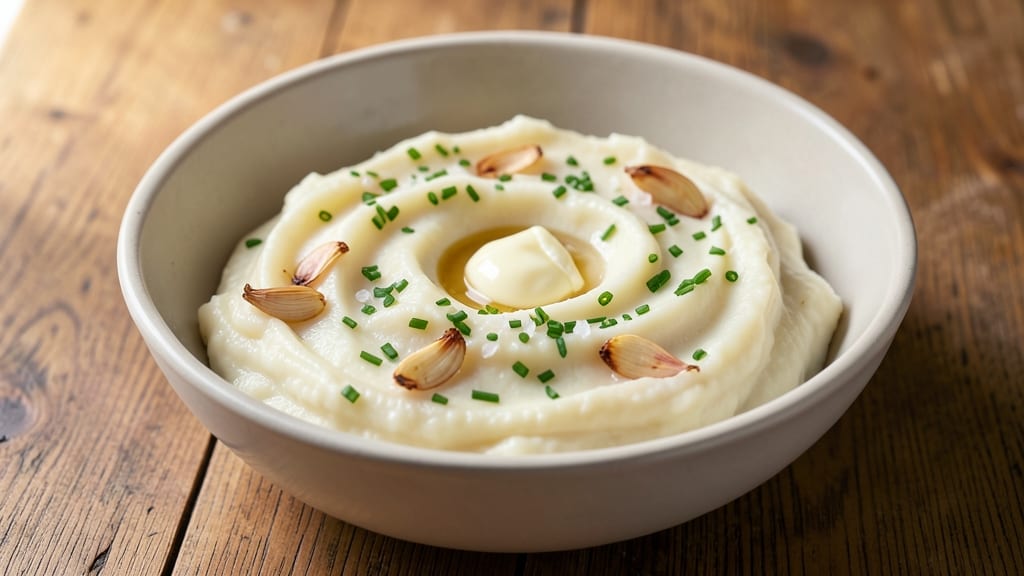
This classic creamy mashed potatoes recipe delivers the velvety, buttery perfection that elevates any holiday or weeknight meal. The secret lies in precise technique—boiling potatoes until tender, draining thoroughly, and mashing with the right amount of butter and warm milk for that signature smooth texture.
I’ve perfected this method after years of testing, ensuring every bite is rich, creamy, and foolproof.
The foundation starts with Russet potatoes, peeled and boiled until fork-tender—never mushy. After draining, we work quickly to preserve texture, incorporating salted butter and warm milk in stages.
This gradual approach prevents lumps and guarantees a silky finish. The result? Mashed potatoes so smooth they’ll fool even the most discerning dinner guests.
What sets this recipe apart is the balance—creamy without heaviness, rich without greasiness. The key is patience: letting the potatoes steam-dry after boiling removes excess moisture, while the butter and milk blend seamlessly for that restaurant-quality mouthfeel.
Garnish with a sprinkle of fresh chives or roasted garlic for extra depth.
Perfect for Thanksgiving, Christmas, or any special occasion, these mashed potatoes are a timeless side that pairs beautifully with roasted meats or gravy. Ready in about 30 minutes, this recipe transforms simple ingredients into a dish that feels indulgent yet effortless. Let’s get started!
Ingredients for classic creamy mashed potatoes
Six essential ingredients to achieve restaurant-quality mashed potatoes every time.
| Ingredient | Amount | Notes |
|---|---|---|
| Russet Potatoes 🥔 | 3 lb | Peeled, cut into even chunks |
| Unsalted Butter 🧈 | 1 cup | Cold, cut into 1/2-inch cubes |
| Whole Milk 🥛 | 1 cup | Warm, not hot |
| Diamond Crystal Kosher Salt 🧂 | 1 ½ tsp | Adjust to taste |
| Fresh Chives 🌿 | ¼ cup | Finely chopped, for garnish |
| Roasted Garlic 🧄 | 2 cloves | Optional, for depth |
| Heavy Cream 🥛 | ¼ cup | Optional, for extra richness |
| Freshly Ground Black Pepper 🌶️ | ½ tsp | Freshly cracked for brightness |
The Russet potatoes are non-negotiable—their high starch content yields the signature creamy texture. Opt for organic Russets from Whole Foods or your local farm market for superior flavor and texture. Avoid waxy potatoes like Yukon Golds; they’ll yield gummy results. Cut the potatoes into even 1.5-inch chunks to ensure uniform cooking. For large gatherings, Costco’s bulk Russet potatoes are a cost-effective choice, but always verify freshness by checking for firmness and vibrant color. If using pre-cut frozen potatoes, thaw and pat thoroughly dry before boiling to prevent excess moisture in the final dish.
Substitutions are possible but require adjustments. Organic whole milk can be swapped for 2% milk, though the texture will be slightly lighter. For a dairy-free option, unsweetened almond milk works but may require an additional 1/4 cup for creaminess. Butter can be replaced with European-style cultured butter for a tangier profile, or olive oil for a lighter option (reduce by 1/4 cup). Fresh chives can be omitted entirely or substituted with green onions or parsley for a different herbal note. Roasted garlic cloves can be replaced with 1/2 tsp garlic powder, though fresh roasted garlic adds depth that powder cannot replicate. The heavy cream is optional but recommended for special occasions—omit for a lighter texture.
Preparation efficiency is key to maintaining texture. Boil potatoes in salted water until a fork tender—approximately 12-15 minutes after they float. Drain immediately and return to the pot off heat to steam-dry for 2 minutes, which removes excess moisture critical for smooth mashing. Store leftover mashed potatoes in an airtight container for up to 5 days in the refrigerator. For freezing, spread in a single layer on a tray to freeze solid, then transfer to a bag for up to 3 months. Reheat gently in the microwave or on the stovetop with a splash of milk to restore creaminess. Garnish with fresh chives or roasted garlic just before serving to preserve their vibrant flavors.
Why You'll Love This Recipe
- Here’s what sold me: the way the butter and warm milk melt into those fluffy potatoes until it’s almost too smooth to resist. You get that classic creamy pull—no lumps, no grittiness—just buttery perfection that makes every bite worth it.
- Five-Ingredient Magic: I swear, this is the kind I make when I’m too tired to think. Russets peel and boil while I stir the pot for gravy—no extra steps, just butter, milk, and a pinch of salt. That’s it. The chives at the end? Pure flavor without the fuss.
- Velvet Texture Obsession: Here’s what sold me: the way the butter and warm milk melt into those fluffy potatoes until it’s almost too smooth to resist. You get that classic creamy pull—no lumps, no grittiness—just buttery perfection that makes every bite worth it.
- Weeknight & Holiday Hero: Between us, this is my go-to for both Tuesday dinners and Thanksgiving leftovers. Serve it under roast chicken, alongside steak, or even cold in sandwiches the next day. It’s the quiet star that never lets you down.
Step-by-step instructions for classic creamy mashed potatoes
Achieve velvety texture and luxurious mouthfeel using precise technique with these professional-grade instructions.
Prep and Boil Potatoes for Even Cooking
Peel the 3 lb russet potatoes and cut them into even chunks, approximately 1½ inches in diameter. Uniform size ensures consistent doneness throughout. Place them in a large pot and cover with cold water by 2 inches - this prevents surface browning during boiling.
Add the 1.5 tsp diamond crystal kosher salt to the water immediately. Bring to a rolling boil over high heat, then reduce to a steady simmer. Cook for exactly 15-18 minutes until a knife slides in easily with just slight resistance. Drain thoroughly in a colander, shaking to remove excess water. The potatoes should feel tender but not mushy when pierced with a fork.
Create the Base with Butter and Milk
Return the drained potatoes to the now-empty pot. Add the 1 cup unsalted butter cut into ½-inch cubes and the 1 cup warm whole milk. The butter should melt gradually from the residual heat of the potatoes.
Using a potato masher or ricer, work the potatoes until completely broken down. For extra-smooth texture, I recommend using a ricer which eliminates lumps entirely. The mixture should resemble coarse crumbs with visible butter flecks. Avoid overworking at this stage - we'll achieve full creaminess in the next step.
Achieve Silky Smoothness with Garlic and Cream
Transfer the potato mixture to a stand mixer fitted with the paddle attachment. Add the 2 cloves roasted garlic (mashed) and the 0.25 cup heavy cream. Mix on medium speed for 2-3 minutes until completely smooth and glossy. The texture should be velvety with no visible lumps.
Season with the 0.5 tsp freshly ground black pepper and additional salt if needed. Taste and adjust - remember diamond crystal kosher salt measures differently than table salt. The finished potatoes should have a rich, buttery flavor with subtle garlic depth and just a hint of peppery brightness.
Garnish and Serve Immediately
Transfer the mashed potatoes to a serving bowl. Garnish with the 0.25 cup finely chopped fresh chives, sprinkling them evenly over the surface. The chives add freshness and visual appeal while complementing the rich potato base.
Serve immediately while hot. For best results, keep the potatoes warm in a slow cooker on low setting if serving family-style. The texture will continue to improve as it sits for 10-15 minutes after mixing, reaching peak creaminess at serving time. This method delivers restaurant-quality mashed potatoes with perfect balance of creaminess and buttery richness.
Pro Tips For Making Classic Creamy Mashed Potatoes
- Boil Until Fork-Tender: Russets stay firm if you cut them too large—stick to 1.5-inch chunks for even cooking. Test doneness by piercing with a knife; it should slide in like butter. I learned this the hard way after serving gummy potatoes to guests who looked at me like I’d committed a crime.
- Salt the Pot Hard: Diamond Crystal kosher salt is lighter than table salt—use twice as much as you normally would (about 1.5 tbsp per 5 lbs of potatoes). The water needs to taste like the sea so the potatoes absorb real flavor. Skip this, and your mash will taste bland no matter how much butter you add.
- Drain and Shake Dry: After boiling, drain the potatoes and give them a good shake in the colander—this removes excess water before mashing. I used to skip this step, and my potatoes always turned out watery, no matter how much I wrung them. Five minutes of shaking now saves me from sad, gluey mash later.
- Warm the Milk First: Heat the whole milk just until it’s steaming (not boiling), then whisk it into the hot potatoes while mashing. Cold milk makes the texture grainy and separates the butter. Sounds weird, but it works—your mash will be silky instead of lumpy. Trust the process.
Perfect pairings for classic creamy mashed potatoes
Classic Pairings
These creamy mashed potatoes shine with roasted turkey or herb-crusted beef tenderloin, their buttery richness cutting through rich proteins beautifully. I always serve them with homemade gravy—a simple blend of beef drippings, flour, and broth—to create a cohesive, comforting meal.
For a lighter option, pair with grilled salmon and a lemon-dill sauce to balance the richness. 🌟
Unexpected Complements
Swap out traditional sides for bold contrasts: try smoky pulled pork with a bbq drizzle or crispy duck confit for a French-inspired twist. The potatoes' creaminess softens the smoky, fatty flavors while keeping the dish elegant.
I also love them with mushroom risotto—the earthy umami from the mushrooms complements the buttery potatoes perfectly.
Beverage Harmony
A full-bodied red wine like Cabernet Sauvignon or Merlot pairs beautifully with the richness, while a crisp Chardonnay offers a lighter contrast. For beer lovers, a Belgian witbier with its citrusy notes brightens the dish.
I often serve hot buttered rum during winter gatherings—its warmth and spice elevate the cozy vibe of mashed potatoes. 🍷
Global Variations
For a German-inspired twist, add caramelized onions and a touch of mustard to the potatoes. In Italian cuisine, mix in ricotta cheese and nutmeg for a lighter, more delicate flavor.
The Japanese buttered potato (jagaimo) swaps butter for sesame oil and soy sauce, offering an umami-rich alternative. Each variation keeps the creamy base while introducing exciting new flavors.
Garnish Game-Changers
Beyond fresh chives, try crispy fried shallots for a textural contrast or toasted pumpkin seeds for a nutty crunch. A drizzle of truffle oil adds luxury, while smoked paprika gives a subtle, smoky depth.
For a pop of color, edible flowers like nasturtiums add visual appeal without overpowering the dish. These garnishes transform simple mashed potatoes into a showstopper side. ✨
Nutrition facts
Frequently asked questions
Why do my mashed potatoes turn out gummy?
Gummy texture usually means the potatoes weren't cooked long enough or had too much moisture. Always boil russets until fork-tender (15-18 minutes after floating), drain thoroughly, and let them steam-dry for 2 minutes off heat before mashing. Using a ricer instead of a masher also eliminates excess starch that causes gumminess.
Can I make these ahead of time?
Yes! Store in an airtight container for up to 5 days refrigerated. For freezing, spread in a single layer on a tray to freeze solid, then transfer to a bag for up to 3 months. Reheat gently with a splash of warm milk to restore creaminess. The texture won't be as silky as fresh, but it's still delicious.
What's the difference between Yukon Gold and Russet potatoes for mashing?
Russets are the gold standard for classic creamy mashed potatoes because their high starch content creates that signature fluffy texture. Yukon Golds are waxier and produce denser, creamier (but less fluffy) potatoes. For this recipe, stick with Russets—they're designed to achieve that light, airy consistency we all love.
How do I fix lumpy mashed potatoes?
If you end up with lumps, don't panic! Add 2-3 tablespoons of warm milk or cream and blend with a hand mixer or ricer. For extra insurance, strain through a fine-mesh sieve before serving. The key is working quickly while the potatoes are still hot to prevent lumps from setting.
Can I use half-and-half instead of milk?
You can substitute 1 cup half-and-half for the milk, but you'll need to reduce the butter to ½ cup to maintain the same richness. The half-and-half will make the potatoes slightly creamier, but they'll be denser than the original recipe. For the lightest texture, stick with the milk and butter combination.