
Side Dishes
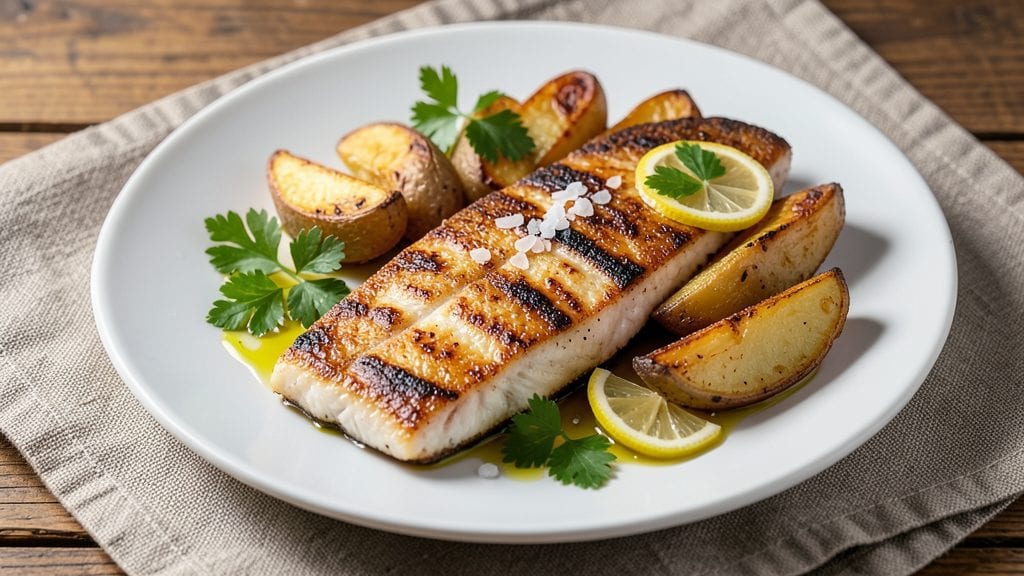
This cod fish with potatoes recipe delivers a perfect balance of crispy, golden fish with tender, fluffy spuds—ideal for a light yet satisfying meal. The secret lies in pan-searing the cod just until the crust forms, ensuring it stays moist inside while developing that irresistible crunch.
I’ve tested this combination countless times, and it never fails to impress, whether for a weeknight dinner or a special occasion.
The potatoes are boiled until perfectly fluffy, then finished with a touch of butter and herbs to enhance their natural flavor. Meanwhile, the cod is seasoned simply with salt, pepper, and a hint of lemon to let the fish shine.
This method ensures both components cook evenly, resulting in a dish that’s as elegant as it is effortless. The buttery crust on the cod pairs beautifully with the creamy texture of the potatoes.
What you’ll achieve is a restaurant-quality meal that’s ready in under 30 minutes, with minimal cleanup. The cod emerges with a crisp exterior and tender interior, while the potatoes remain soft and buttery.
This dish is not only delicious but also versatile—serve it with a simple green salad or a squeeze of lemon for extra brightness. The combination of textures and flavors makes it a standout for any table.
Perfect for pescatarians or anyone looking for a light yet hearty meal, this recipe proves that simple ingredients can create something truly special. Let’s get started on making this dish that’s sure to become a favorite in your rotation.
Ingredients for cod fish with potatoes
Buttery cod meets fluffy potatoes—just eight ingredients for a restaurant-worthy meal.
| Ingredient | Amount | Notes |
|---|---|---|
| Cod Fillets 🐟 | 4 pieces | Skin-on, 6-8 oz each |
| Russet Potatoes 🥔 | 1 ½ lb | Medium size, scrubbed clean |
| Unsalted Butter 🧈 | ½ cup | Cold, cut into cubes |
| Extra-Virgin Olive Oil 🫒 | 2 tbsp | For searing cod |
| Fresh Lemon 🍋 | 1 whole | Zested and juiced |
| Fresh Parsley 🌿 | ¼ cup | Chopped, for garnish |
| Kosher Salt 🧂 | 1 ½ tsp | For potatoes and cod |
| Ground Black Pepper 🌶️ | ½ tsp | Freshly ground |
| Garlic Cloves 🧄 | 2 cloves | Minced for potatoes |
| Water 💧 | 4 cups | For boiling potatoes |
| Heavy Cream 🥛 | ¼ cup | Optional, for extra richness |
The cod makes or breaks this dish. Wild-caught cod is ideal—it stays firm and flaky. Trader Joe's or Whole Foods usually carry high-quality fillets, or check your local fish market for the freshest cut. Look for pieces with a vibrant color and minimal bruising. The potatoes? Russets are your best bet—they hold up to boiling and soak up butter like a dream. If you can't find Russets, Yukon Golds work in a pinch but might fall apart a bit more. The butter is non-negotiable here—full-fat, unsalted gives that rich, golden crust on both the cod and potatoes.
No lemon juice? White wine or apple cider vinegar adds brightness in a pinch. Fresh parsley wilting? Dried parsley at one-third the amount works, but fresh is worth the extra minute to chop. The garlic can be pre-minced from a jar if you're short on time, but freshly minced has way more flavor. For the potatoes, if you're worried about them sticking, parboil them first in cold water—just drop them in, bring to a boil, then drain. The heavy cream is optional but adds a luxurious touch if you're feeling fancy. If you skip it, just use extra butter instead.
Potatoes reheat beautifully—just pop them in the oven at 375°F for 15 minutes until crispy. The cod? Best served immediately, but leftovers reheat well in a warm pan for 2-3 minutes. Store both separately in airtight containers for 2 days. For meal prep, I like to cook extra potatoes and freeze them—just thaw and reheat. The cod doesn't freeze as well, so save that for a fresh meal. If you've got leftovers, toss them with some lemon and parsley for a quick salad the next day.
Why You'll Love This Recipe
- One-Pan Magic: I swear by this recipe when I’m too tired to wash dishes. Toss the potatoes and cod on the same sheet pan, drizzle with olive oil, and let the oven do the rest—no chopping boards in sight.
- Buttery Lemon Bliss: The moment that butter melts into the cod’s flakes while the potatoes soak up the citrusy richness? Pure satisfaction. It’s the kind of dish that makes you squeeze another lemon wedge just to savor it.
- Weeknight to Dinner Party: Honestly, this recipe works for both my lazy Tuesday nights and the times I need to impress guests. The same simple method delivers—just add a sprinkle of parsley for fanciness when needed.
- Budget-Friendly Feast: Cod stays affordable, potatoes fill you up, and a single lemon stretches across multiple meals. I’ve reheated leftovers for lunch the next day, and no one ever complains—proof it’s a winner.
Step-by-step instructions for cod fish with potatoes
Here's how to nail this perfect combo: crispy cod with flaky spuds in one pan.
Parboil the Potatoes for Fluffy Texture
Cut the 1.5 lb russet potatoes into even 1-inch chunks and place them in a large pot. Cover with the 4 cups water and add 1 teaspoon of the 1.5 teaspoons kosher salt. Bring to a boil over high heat, then reduce to a gentle simmer for 8-10 minutes until the potatoes are fork-tender but still hold their shape.
Drain the potatoes in a colander and return them to the pot. Let them steam dry for 2 minutes while you prep the cod. This step prevents soggy potatoes later - don't skip it. The potatoes should feel warm but not wet when you handle them.
Sear the Cod Fillets to Golden Perfection
Pat the 4 pieces cod fillets dry with paper towels - this ensures maximum crispiness. Season both sides generously with the remaining 0.5 teaspoon kosher salt and the 0.5 teaspoon ground black pepper. Heat the 2 tablespoons extra-virgin olive oil in a large oven-safe skillet over medium-high heat until shimmering.
Carefully place the cod fillets skin-side down in the skillet. Press down gently with a spatula for 10 seconds to prevent curling, then let them cook undisturbed for 3-4 minutes until the skin is deep golden brown and crispy. Flip carefully and cook for another 2-3 minutes until the flesh is opaque throughout and flakes easily with a fork.
Add Potatoes and Create the Buttery Sauce
Remove the cod fillets to a plate and tent with foil to keep warm. Add the parboiled potatoes to the same skillet and increase heat to medium. Cook for 3-4 minutes, stirring occasionally, until the potatoes are lightly browned in spots. Reduce heat to low and add the 0.5 cup cold unsalted butter cubes.
Melt the butter completely, then add the 2 minced garlic cloves and the zest from the whole fresh lemon. Cook for 30 seconds until fragrant. Pour in the 0.25 cup heavy cream (if using) and stir until the sauce is smooth and glossy. The potatoes should be coated in this luxurious butter-lemon sauce.
Finish with Fresh Herbs and Lemon Juice
Return the cod fillets to the skillet, spooning some of the buttery sauce over them. Squeeze the juice from the whole fresh lemon over everything and sprinkle with the 0.25 cup chopped fresh parsley. Let everything heat through together for 1-2 minutes, just until the parsley is wilted slightly and the cod is warmed through.
Transfer to serving plates immediately, spooning the sauce and potatoes around each fillet. The cod should have a crispy skin that gives way to tender, flaky flesh, while the potatoes remain soft and creamy with that buttery lemon sauce clinging to them. Serve right away while everything is hot and the flavors are at their peak.
Pro Tips For Making Cod Fish With Potatoes
- Parboil Potatoes First: I learned this the hard way—skipping the parboil leads to uneven cooking and sad, mushy potatoes. Cut them into even chunks, boil in salted water for 5 minutes, then drain. This guarantees they’ll finish tender and crispy without turning to glue.
- Pat Cod Dry: Wet fish sticks to the pan and steams instead of searing. Grab paper towels and press the heck out of those fillets before hitting the heat. The extra 30 seconds saves you from flipping soggy, uncooked cod.
- Lemon Last: Acid breaks down protein, so add lemon after the fish comes off the heat. Squeeze it over the finished dish—brightens the butter and potatoes without turning your cod into a sad, rubbery mess.
- Butter in Stages: Don’t dump all the butter at once. Start with olive oil to sear the fish, then add butter in the last 2 minutes—it’ll foam and baste the cod like a pro. (Yes, even if you’re impatient like me.)
Pro cooking tips for cod fish with potatoes
Perfect Heat Control
Cod is delicate, so maintaining medium-high heat (around 375°F) is key for that golden crust without overcooking. I use a cast-iron skillet—it retains heat beautifully and creates the ideal sear.
If your pan isn’t hot enough, the cod will steam instead of crisp. Test with a drop of water: if it sizzles instantly, you’re ready. 🔥
Dry Fish = Crispy Skin
Pat the cod bone-dry with paper towels before seasoning—this is non-negotiable for crispiness. Wet skin = steam, not crunch. I double-check by pressing a paper towel to the fillet; if it comes away damp, I blot again. The skin should feel almost silky before hitting the pan.
Timing the Potatoes
Parboiling the potatoes for 8-10 minutes ensures they’re tender but not falling apart when added to the skillet. If they’re mushy, they’ll turn to paste in the butter. I like to test one piece—it should hold its shape but yield slightly when pierced with a fork. 🥔
Butter Matters
Use cold, cubed butter for the potatoes—it melts gradually, creating a silky sauce instead of splattering. I cut the butter into ½-inch cubes so it melts evenly. For extra richness, add the heavy cream in the last 30 seconds of cooking to prevent curdling.
Lemon Zest First
Add the lemon zest to the potatoes before the heavy cream—this infuses the butter with bright citrus notes. The zest should sizzle slightly for 10 seconds before adding the cream. I always zest the lemon just before cooking to preserve the oils.
Resting the Cod
Let the cod rest for 2 minutes after searing before adding it back to the skillet. This keeps the juices inside, preventing them from leaking out when you flip. Tent loosely with foil if you’re not serving immediately—it stays warm without steaming. ✨
Nutrition facts
Frequently asked questions
Can I substitute cod with another white fish?
Yes, you can use halibut, haddock, or tilapia in a pinch—they all have a mild flavor and similar texture. Just adjust cooking time slightly: cod takes 2-3 minutes per side, while denser fish like halibut may need 3-4 minutes per side. Avoid flaky fish like sole, which can fall apart too easily.
How do I keep the potatoes from sticking to the pan?
Parboiling the potatoes first is key—they’ll steam dry for 2 minutes before hitting the skillet. Also, use medium heat (not high) when adding them back to the pan, and stir occasionally. If they stick, add a splash of water or lemon juice to deglaze. A well-seasoned cast-iron skillet helps too!
Can I make this recipe ahead of time?
The potatoes reheat beautifully—cook them fully, then store in an airtight container for 2 days. Reheat in the oven at 375°F for 15 minutes until crispy. The cod is best served fresh, but if you must prep ahead, cook it just until 145°F internal temp, then finish searing when ready to serve.
What’s the best way to serve this dish?
This recipe pairs perfectly with a simple green salad (arugula + lemon vinaigrette) or steamed asparagus. For extra flair, garnish with extra lemon wedges and fresh dill. Serve with crusty bread to soak up the buttery sauce—it’s that good!
Why did my cod turn rubbery?
Overcooking is the most likely culprit—cod turns rubbery when cooked past 145°F internal temp. Use a meat thermometer to check, and avoid flipping too soon. Also, ensure your pan isn’t too hot: medium-high heat (not high) is ideal for even cooking.