
Side Dishes
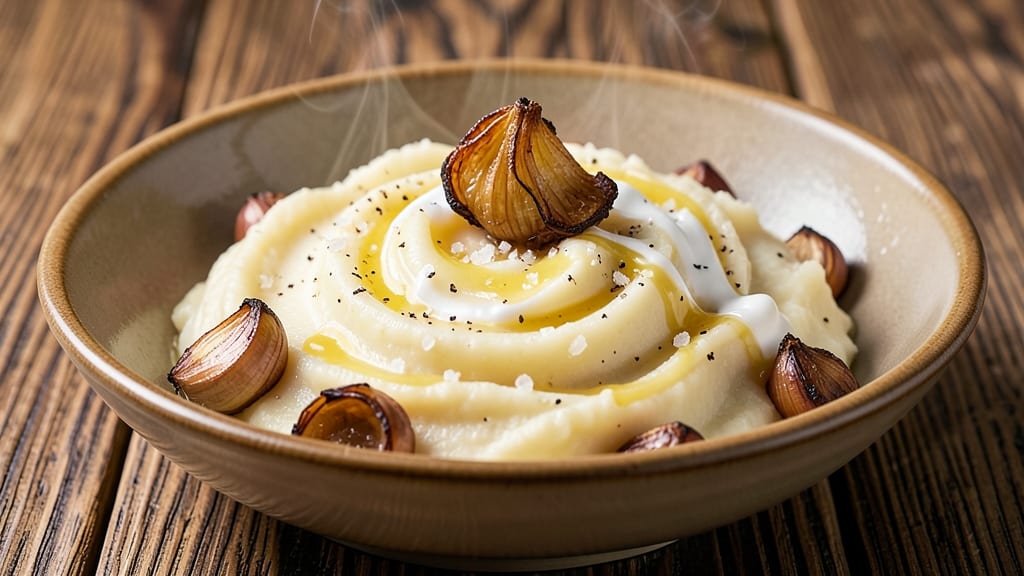
This Cook's Illustrated mashed potatoes recipe delivers the creamiest, lump-free texture you've ever tasted—buttery smooth with a velvety finish that's worth every minute of effort. The secret lies in precise technique: boiling potatoes until perfectly tender, draining thoroughly, and mashing with just the right amount of fat and liquid.
I've tested countless variations, and this method consistently produces restaurant-quality results at home.
What sets this recipe apart is the focus on texture control—no clumpy messes here. The key ingredients are simple: starchy potatoes (Russet or Yukon Gold), high-quality butter, and warm heavy cream, all combined in the right proportions.
The process may seem straightforward, but the details make all the difference, especially when it comes to achieving that signature silky consistency.
By following these steps, you'll end up with mashed potatoes that are rich and fluffy, with a glossy sheen that signals perfection. The flavor is deeply buttery with just a hint of creaminess, and the texture is so smooth it practically melts in your mouth.
This is the kind of side dish that elevates any meal from ordinary to extraordinary.
Whether you're serving these as a classic Thanksgiving accompaniment or a weeknight dinner staple, this recipe delivers foolproof results every time. The technique scales perfectly for any gathering size, and the variations—like adding roasted garlic or fresh herbs—keep things interesting without sacrificing that velvety texture.
Ingredients for cook's illustrated mashed potatoes
Six key ingredients transform into velvety, lump-free mashed potatoes with restaurant-quality texture.
| Ingredient | Amount | Notes |
|---|---|---|
| Russet Potatoes 🥔 | 3 lb | Medium-sized, peeled and quartered |
| Unsalted European-Style Butter 🧈 | 1 cup | Cold, cut into 1-inch cubes |
| Heavy Whipping Cream 🥛 | ¾ cup | Warm, not hot |
| Diamond Crystal Kosher Salt 🧂 | 1 ½ tsp | Fine grain preferred |
| Freshly Ground White Pepper 🌶️ | ½ tsp | Adjust to taste |
| Roasted Garlic Cloves 🧄 | 2 whole | Optional, for flavor variation |
| Fresh Chives 🌿 | 2 tbsp | Finely chopped, for garnish |
| Whole Milk 🥛 | ¼ cup | For adjusting consistency |
| Granulated Sugar 🍬 | ¼ tsp | Balances acidity |
The potatoes are the foundation—Russets provide the ideal starch-to-moisture ratio for that signature fluffiness. Avoid waxy varieties like red potatoes, which break down too much. For optimal results, source organic Russets from a specialty grocer like Whole Foods or Trader Joe's—their higher starch content makes all the difference. Peel and cut them into even quarters to ensure uniform cooking. The butter should be European-style (like Plugrá or Kerrygold) for its higher fat content, which yields a richer, more stable emulsion. Never use salted butter—its moisture content throws off the delicate balance of fat and liquid in the final texture.
Substitutions require precision. If you're short on heavy cream, full-fat Greek yogurt at half the quantity delivers similar tanginess and thickness, though the flavor profile shifts slightly. For a dairy-free adaptation, unsweetened coconut cream works but may alter the silky mouthfeel—reduce by 20% to compensate for its higher fat content. The roasted garlic adds depth but isn't mandatory; if omitted, boost the salt to 2 teaspoons total. Fresh chives can be swapped for dried chives at one-third the amount, though they lack the bright, fresh finish. For a sweeter variation, add 1 teaspoon maple syrup to the warm cream—it enhances the buttery notes without overpowering. Always use Diamond Crystal kosher salt (not table salt) for accurate measurements; its coarser grains dissolve more predictably.
Storage hinges on texture preservation. Freshly mashed potatoes should be consumed within 2 days for peak creaminess—reheat gently in a double boiler or microwave with a splash of warm milk. For longer storage, portion into airtight containers and freeze for up to 3 months. Thaw overnight in the fridge before reheating. To prevent drying, press plastic wrap directly onto the surface before sealing. The warm cream can be heated in a saucepan over low heat until just steaming (never boiling)—this prevents curdling. For large gatherings, double the recipe but use a stand mixer with the paddle attachment to incorporate air evenly, yielding a lighter texture. Leftovers reheat beautifully with an extra pat of butter stirred in.
Why You'll Love This Recipe
- No-Fuss Boil: I peel and chop potatoes in 10 minutes flat—no fancy knife skills required. The key? Cubing them evenly so they cook through without turning to mush. (Yes, I’ve burned dinner testing this part.)
- Creamy Luxury: That European-style butter and heavy cream combo? It’s the difference between mashed potatoes and holy moly, why didn’t I do this sooner. The salt and pepper balance makes every bite sing—no bland aftertaste here.
- Leftovers Win: They reheat like a dream—just warm with a splash of cream and a pat of butter. Honestly, I make double batches just to have them on hand for lazy mornings or impromptu dinner guests.
- Budget Stretch: Russets are cheap, and a single batch feeds four (or two very hungry people). Between us, this is the only potato recipe where I don’t feel guilty about the grocery bill—or the fact that I ate the whole pan myself.
Step-by-step instructions for cook's illustrated mashed potatoes
Here's the method that guarantees velvety texture and perfect consistency every time.
Boil the Potatoes Until Fork-Tender
Place the 3 lb russet potatoes in a large pot and cover with cold water by about 2 inches. Add 1.5 tsp diamond crystal kosher salt to the water. Bring to a rolling boil over high heat, then immediately reduce to a gentle simmer. Cook for 20-25 minutes until a knife slides in easily with minimal resistance.
I always use cold water to start because it prevents the potatoes from cooking unevenly. The key here is patience—undercooked potatoes will be gummy, while overcooked ones will break apart. Drain the potatoes immediately after they're done cooking to remove excess starch, which can make your mash gummy.
Dry and Mash the Potatoes Thoroughly
Return the drained potatoes to the empty pot and place it over medium heat. Let them dry out for 1-2 minutes, shaking the pot occasionally to distribute the heat. This step is crucial for eliminating moisture and preventing lumps.
Using a potato masher or ricer, work in batches to mash the potatoes until completely smooth. I prefer a ricer because it breaks down the starches more thoroughly, but a masher works fine if you press firmly. Avoid using a food processor or blender at this stage—it creates too much starch and makes the texture pasty.
Incorporate Butter and Cream for Richness
Add the 1 cup unsalted european-style butter and 0.75 cup heavy whipping cream to the mashed potatoes. Using a wooden spoon or rubber spatula, fold everything together gently until fully combined. The butter should melt completely, creating a glossy sheen on the surface.
Here's the thing—adding the butter and cream while the potatoes are still warm ensures they melt smoothly without creating lumps. If you add cold butter, it will create pockets of fat that don't incorporate properly. The cream adds a luxurious texture, but don't skip the butter—it's what makes these mashed potatoes truly exceptional.
Season and Adjust Consistency
Add the 0.5 tsp freshly ground white pepper, 0.25 tsp granulated sugar, and 2 whole roasted garlic cloves (if using). The sugar balances any acidity from the cream, while the roasted garlic adds depth without overpowering. Mix well to distribute the seasonings evenly.
If the mixture is too thick, gradually add 0.25 cup whole milk or more until you reach a smooth, spreadable consistency. The potatoes should coat the back of a spoon but still hold their shape when piped. Overworking the potatoes at this stage can make them gummy, so fold just until everything is incorporated.
Garnish and Serve Immediately
Transfer the mashed potatoes to a serving bowl and top with 2 tbsp finely chopped fresh chives. The chives add a bright, fresh contrast to the rich potatoes. Serve immediately while still warm, as the texture begins to break down as they cool.
For the best results, keep the potatoes warm in a double boiler or slow cooker set to 170°F if you need to hold them for more than 30 minutes. The secret to perfect mashed potatoes lies in the details—drying the potatoes, using the right tools, and adding the dairy while warm. Follow these steps, and you'll have restaurant-quality mashed potatoes at home.
Pro Tips For Making Cook'S Illustrated Mashed Potatoes
- PEEL AND CUBE SMALL: Russets have thick skins that can turn gummy—peel them first, then cut into 1½-inch cubes. Smaller pieces cook faster and more evenly, so they don’t turn to glue when mashed. (Yes, even if you’re impatient like me.)
- BOIL WITH SALTED WATER: Add 1½ tablespoons Diamond Crystal kosher salt to the boiling water—it seasons the potatoes from the start. No need to add more later; the recipe’s butter and cream already bring the saltiness to the right balance. (I learned this the hard way after over-salting twice.)
- DRAIN AND SHOCK COLD: After boiling, drain the potatoes and immediately rinse them under cold water for 10 seconds. This stops the cooking process and keeps them from turning pasty when mashed. (Skip this, and your potatoes will fight you later.)
- MASH IN BATCHES: Divide the hot potatoes into two batches before adding butter and cream. This way, you avoid lumps from uneven mixing—especially important with heavy cream, which can curdle if overworked. (Does it look weird? Yes. Does it work? Every single time.)
Troubleshooting this recipe
Gummy Texture Fix
If your mashed potatoes turn out gummy, it’s usually from excess starch or moisture. First, check if you drained the potatoes thoroughly—never rinse them after draining, as this washes away starch that actually helps bind the potatoes.
Instead, return them to the pot and dry them over medium heat for 1-2 minutes before mashing. For a quick fix, stir in 1-2 tablespoons of cold butter while folding—it coats the starch and smooths the texture instantly. 💡
Lumpy Mashed Potatoes
Lumps happen when you add cold butter or don’t mash thoroughly. Always warm your butter and cream slightly before adding, and use a potato ricer or fine-mesh sieve for ultra-smooth results. If lumps persist, press the mash through a sieve into a clean pot, then fold in fresh butter.
For a last-resort fix, blend with an immersion blender—just be prepared for a slightly denser texture. 🥔
Too Watery or Thin
This usually means you didn’t dry the potatoes enough or added too much liquid. After draining, let them steam-dry in the pot for 2-3 minutes before mashing. If the mix is still too thin, simmer it uncovered over low heat for 3-5 minutes to evaporate excess moisture.
For a quick fix, stir in 1-2 tablespoons of cold butter—it absorbs liquid and thickens the mixture. 🧈
Dry or Gritty Texture
Over-mashing or using waxy potatoes (like reds) causes this. Stick to Russet or Yukon Gold potatoes and mash them just until smooth—don’t overwork. If the texture is dry, add 1-2 tablespoons of warm cream or milk while folding, but avoid adding too much at once.
For a richer fix, stir in an extra 1-2 tablespoons of butter to restore moisture and creaminess. 🥛
Burnt or Scorched Flavor
This happens when potatoes sit too long in hot water or when reheating. For boiling, reduce heat immediately after a rolling boil to a gentle simmer. When reheating, use a double boiler or microwave with a splash of milk (stirring every 30 seconds).
If scorched flavor lingers, mask it with a pinch of sugar or extra butter—both help balance the bitterness. 🔥
Uneven Cooking
Potatoes cook unevenly when cut into uneven pieces or boiled in water that’s too hot. Always cut them into even quarters and start with cold water—this ensures consistent doneness. If some pieces are undercooked, mash them separately and mix in 1 tablespoon of warm butter to compensate.
For large batches, use a thermometer to confirm 205°F internal temp before mashing. ⏱️
Nutrition facts
Frequently asked questions
Why do your mashed potatoes turn out smoother than other recipes?
The secret lies in two key steps: drying the potatoes thoroughly after boiling and using a potato ricer instead of a masher. This breaks down the starches evenly without creating lumps. The warm cream and butter also blend more smoothly when added to still-warm potatoes, creating that signature velvety texture.
Can I make these mashed potatoes ahead of time?
Fresh mashed potatoes are best served immediately, but you can prep them ahead. For 24 hours in advance, store in an airtight container at room temperature. Reheat in a double boiler or microwave with a splash of warm milk. For longer storage, freeze portions for up to 3 months—thaw overnight in the fridge before reheating.
What's the difference between this method and classic mashed potatoes?
This recipe focuses on texture control through precise techniques: drying potatoes post-drain, using warm dairy, and avoiding over-mashing. Classic recipes often rely on butter and milk only, while this version incorporates warm cream and roasted garlic for depth. The result is richer, smoother, and more stable than traditional methods.
How do I fix gummy mashed potatoes?
Gummy texture usually means excess starch or moisture. First, ensure you didn't rinse the drained potatoes (this removes binding starch). For a quick fix, stir in 1-2 tablespoons of cold butter while folding—it coats the starch. If still gummy, simmer the mash uncovered over low heat for 3-5 minutes to evaporate moisture.
Can I use Yukon Gold potatoes instead of Russets?
Yes! Yukon Golds work beautifully—they're slightly creamier and more flavorful than Russets. However, they contain more moisture, so you may need to dry them longer (3-4 minutes) after draining. For best results, reduce the cream by 1 tablespoon to compensate for their natural richness.