
Side Dishes
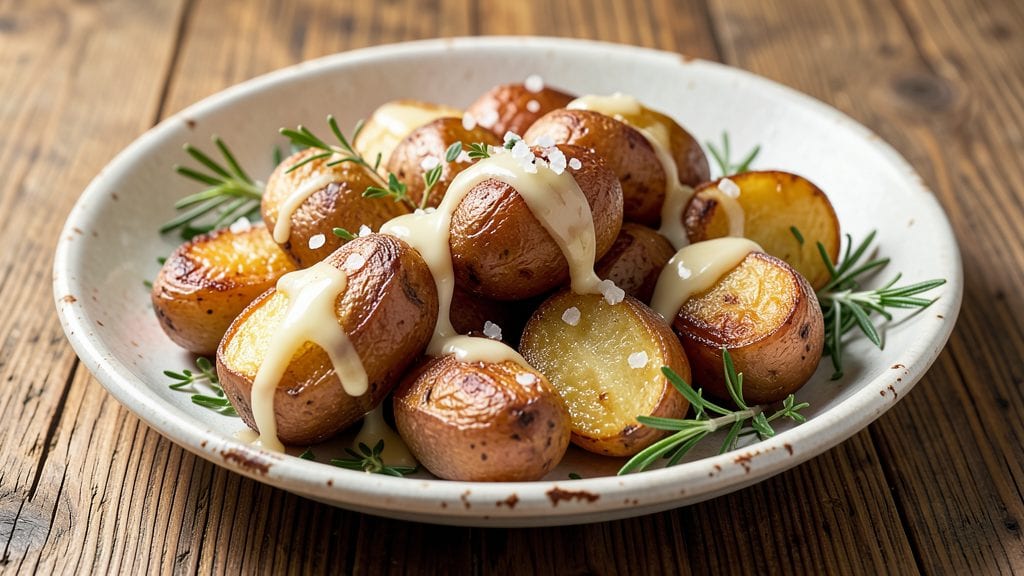
This Dutch potatoes recipe delivers the perfect balance of crispy vinegar-kissed edges and creamy, buttery centers—every bite is a revelation. The secret lies in the boiling technique and that final touch of white vinegar, which transforms ordinary potatoes into something extraordinary.
I developed this method after years of experimenting with different seasoning approaches, and it never fails to impress.
The process is straightforward but precise: boil russet potatoes until tender, then finish them in butter with salt and herbs. The vinegar step is where the magic happens—it creates that signature crispy exterior while keeping the insides tender.
This recipe works equally well as a breakfast side, a steakhouse accompaniment, or a hearty addition to any meal.
By the time you're done, you'll have a dish that's creamy yet satisfying, with a texture that's impossible to resist. The potatoes absorb the butter and herbs perfectly, while the vinegar adds a subtle tang that cuts through the richness.
It's the kind of side that elevates any main dish without stealing the spotlight.
Whether you're serving breakfast for dinner or hosting a Sunday roast, these Dutch potatoes will be the star of the show. The method is foolproof, and the results are consistently restaurant-quality. Let's get started on creating this timeless classic.
Ingredients for dutch potatoes
Nine essential ingredients transform humble russets into restaurant-quality Dutch potatoes.
| Ingredient | Amount | Notes |
|---|---|---|
| Russet Potatoes 🥔 | 2 lbs | Large, uniform size preferred |
| Unsalted Butter 🧈 | ½ cup | Cold, cut into 1-inch cubes |
| White Vinegar 🍶 | ¼ cup | Distilled, not apple cider |
| Kosher Salt 🧂 | 2 tsp | Diamond Crystal preferred |
| Fresh Rosemary 🌿 | ¼ cup | Finely chopped, stems removed |
| Fresh Thyme 🌿 | 1 tbsp | Leaves only, finely chopped |
| Garlic Cloves 🧄 | 4 cloves | Minced, not powdered |
| Heavy Cream 🥛 | ¼ cup | Full-fat for optimal texture |
| Black Peppercorns 🌶️ | ½ tsp | Freshly cracked, coarse grind |
| Granulated Sugar 🍬 | 1 tsp | Balances vinegar acidity |
| Water 💧 | 4 cups | Cold, for boiling potatoes |
The russet potatoes are non-negotiable—their high starch content creates that signature fluffy interior. Buy them from Whole Foods or local farms for the freshest, most flavorful tubers. The vinegar must be distilled white, not apple cider or malt—it delivers that signature crispy edge without overpowering. For the butter, Plugrá or Land O'Lakes unsalted are reliable choices, but any high-quality brand works. Fresh herbs are critical here—dried won't deliver the same aromatic punch. If you're short on time, Trader Joe's sells pre-chopped rosemary and thyme that works in a pinch, though freshly chopped is always better. The garlic should be freshly minced just before cooking to preserve its volatile oils.
No white vinegar? Substitute apple cider vinegar at half the quantity, but the flavor will be slightly sweeter. Running low on fresh rosemary? Dried at one-third the amount works, though the texture will be less refined. The heavy cream can be swapped for half-and-half if you're watching fat content, though the texture will be slightly lighter. For a dairy-free version, coconut cream mimics the richness surprisingly well. The sugar is optional but recommended—it subtly balances the vinegar's acidity. If you omit it, increase the salt slightly to compensate. The potatoes can be peeled or left whole—skin-on adds texture and nutrients, but peeled versions absorb more butter for a creamier finish.
Store any leftovers in an airtight container for up to 3 days, though they're best enjoyed fresh. The potatoes reheat beautifully—microwave with a damp paper towel for 2 minutes to restore crispiness. For meal prep, consider boiling the potatoes ahead and finishing them just before serving. The vinegar step is best done fresh, so don't add it until you're ready to serve. These potatoes freeze surprisingly well—blanch them first and store for up to 3 months. Portion into single servings before freezing for easy reheating. The herbs can be stored separately and added back when reheating for maximum freshness.
Why You'll Love This Recipe
- One-Pan Magic: I swear by this recipe when I’m too tired to wash dishes. Peel, slice, roast—done. The vinegar and rosemary infuse while they bake, so you’re not stuck babysitting a pot.
- Crispy-Creamy Perfection: That buttery crack on the outside with a fluffy interior? It’s the kind of texture that makes you pause mid-bite. The vinegar brightens everything, and the rosemary adds a fresh, woodsy punch that’s weirdly addictive.
- Weeknight Workhorse: I make these for lazy dinners, potlucks, or even as a side for holiday meals. They reheat beautifully, so I often double the batch—half for dinner, half for tomorrow’s lunch when I’m too busy to cook.
- Budget-Friendly Luxury: Russets are cheap, butter makes it feel special, and a sprig of rosemary stretches far. Leftovers? Even better cold the next day—toss them in salads or eat straight from the fridge with a sprinkle of flaky salt.
Step-by-step instructions for Dutch potatoes recipe
Transform simple russet potatoes into a luxurious dish with crispy vinegar-kissed edges and velvety interiors.
Parboil the Potatoes for Even Cooking
Place the 2 lbs russet potatoes in a large pot and cover with the 4 cups cold water. Add 1 tsp of the 2 tsp kosher salt and bring to a boil over high heat. Once boiling vigorously, reduce to a gentle simmer and cook for exactly 8 minutes. This partial cooking creates a head start that ensures even doneness later.
Drain the potatoes immediately and return them to the pot. Toss gently with your hands to release excess moisture, then spread them on a baking sheet. The goal is to create a thin, even layer that will crisp beautifully in the oven. Let them cool completely before proceeding—this step prevents steam buildup that would soften the edges during roasting.
Prepare the Herb-Garlic Butter Mixture
In a small bowl, combine the 0.5 cup cold unsalted butter (cut into 1-inch cubes), 0.25 cup finely chopped fresh rosemary, 1 tbsp finely chopped fresh thyme, 4 minced garlic cloves, 0.5 tsp freshly cracked black peppercorns, and 1 tsp granulated sugar. Mix gently with a fork until just combined—you want the herbs and garlic distributed evenly throughout the butter without breaking it down.
This aromatic butter will infuse the potatoes with deep flavor while creating the creamy texture you're aiming for. The sugar balances the acidity of the vinegar later, while the herbs and garlic add complexity. Keep this mixture cold until ready to use to prevent premature melting.
Roast the Potatoes Until Crispy
Preheat your oven to 425°F. Arrange the cooled potatoes in a single layer on a large baking sheet, leaving about 1 inch between each potato. This spacing ensures even browning and crisping. Drizzle evenly with the 0.25 cup white vinegar, then sprinkle the remaining 1 tsp kosher salt over the top.
Roast for 25 minutes, flipping the potatoes halfway through, until they develop golden-brown spots and the edges begin to crisp. The vinegar will create that signature tangy crunch while the high heat transforms the parboiled potatoes into tender interiors. You'll know they're ready when the edges pull away slightly from the flesh when gently pressed.
Finish with Creamy Herb Butter
Remove the potatoes from the oven and transfer them to a serving platter. Immediately pour the 0.25 cup heavy cream over the top, allowing it to pool in the crevices. Sprinkle any remaining herb-butter mixture over the potatoes, pressing gently to distribute.
Return the platter to the oven for an additional 5 minutes at 425°F. This final step creates the signature creamy sauce that clings to every potato. The residual heat from the potatoes will gently warm the cream, creating a luxurious sauce that contrasts perfectly with the crispy edges. Serve immediately while the potatoes are still hot and the sauce is silky.
Pro Tips For Making Dutch Potatoes
- CUT POTATOES EVENLY: Grab a mandoline or sharp knife and slice those Russets paper-thin—no thicker than ⅛ inch. I learned this the hard way: uneven slices mean some potatoes stay doughy while others turn to paste. A little extra effort here guarantees consistent texture.
- SALT THE POTATOES FIRST: Toss the sliced Russets with 1 teaspoon of kosher salt right after cutting and let them sit for 10 minutes. This draws out moisture so they crisp up properly instead of steaming in their own juices. (Yes, even if you're impatient like me.)
- DON’T SKIP THE VINEGAR: Add the white vinegar (about 1 tablespoon per pound of potatoes) to the butter while heating—it’s the real MVP here. The acid cuts through the richness of the butter and keeps the potatoes from tasting flat. Trust me, it’s not just for show.
- LOW AND SLOW AFTER CRISPING: Once the edges are golden and crispy, turn the heat down to medium-low and cover with a lid for 5–7 minutes. This finishes them gently without burning the butter or turning the potatoes rubbery. (Your future self will thank you.)
Regional styles of this recipe
Classic American Style
This version keeps the recipe true to its roots as a hearty side dish for American breakfasts or steakhouse meals. The key difference lies in the seasoning—swap the rosemary for 1 tbsp dried sage and add ½ tsp smoked paprika to the butter mixture.
Serve with crispy bacon or a fried egg on top for that classic diner vibe. 🍳
Dutch Stamppot Tradition
In the Netherlands, potatoes are often mashed with butter and cream—this is where the term "Dutch potatoes" originates.
For an authentic stamppot, boil the potatoes until fork-tender, then mash them with ½ cup butter, ½ cup heavy cream, 1 tsp nutmeg, and 2 tbsp grated gouda cheese. Top with caramelized onions and serve with smoked sausage. 🗺️
German Kartoffelpüree Twist
German cuisine loves its potatoes too! For a Kartoffelpüree variation, use Yukon Gold potatoes instead of russets. After boiling, mash them with ¼ cup sour cream, 2 tbsp butter, and 1 tbsp chives.
The vinegar step is optional here—German versions often rely on roasted garlic and parsley for flavor. Pair with schnitzel or bratwurst. 🌟
French Pommes Anna Upgrade
French pommes Anna are thinly sliced potatoes layered with béchamel sauce. For a Dutch-inspired twist, layer ¼-inch potato slices with a white wine-infused béchamel, then bake until golden.
Finish with a drizzle of white vinegar reduction (simmer ¼ cup vinegar with 1 tbsp butter until syrupy). Serve with duck confit for an elegant French-Dutch fusion. 🍷
Spanish Patatas Bravas Fusion
Give your Dutch potatoes a Spanish flair by finishing them with spicy tomato sauce instead of vinegar.
After roasting, toss with ½ cup brava sauce (blend 1 can tomato sauce with 1 tsp smoked paprika, ½ tsp cayenne, and 1 tbsp sherry) and top with crumbled Manchego cheese. Serve with aioli for dipping. 🌶️
Breakfast-for-Dinner Potatoes
Transform these into a breakfast classic by adding crumbled crispy hash browns on top before the final 5 minutes in the oven. Sprinkle with 2 tbsp grated cheddar and 1 tbsp chopped chives for a loaded potato experience. Serve with scrambled eggs and crispy pancetta for a hearty brunch. 💛
Nutrition facts
Frequently asked questions
Why does the recipe call for parboiling the potatoes first?
Parboiling creates a head start for even cooking while keeping the centers tender. The short boil removes excess starch, which prevents gumminess when roasted. This two-step method ensures crispy edges without overcooking the interiors—critical for that signature texture.
Can I use Yukon Gold potatoes instead of russets?
Yukon Golds work beautifully but will be creamier inside with slightly less crispy edges. For maximum crispiness, stick with russets. If using Yukon Golds, reduce the roasting time by 3-5 minutes to prevent overcooking their naturally waxier texture.
What if I don't have white vinegar?
Substitute with apple cider vinegar at half the quantity, but expect a slightly sweeter flavor. For a non-vinegar option, try 1 tbsp lemon juice mixed with 1 tsp sugar—it won't create the same crispy texture but adds brightness. The vinegar is key for that signature tangy crunch.
How do I reheat Dutch potatoes without losing crispiness?
Microwave for 1-2 minutes with a damp paper towel covering them. For oven reheating, bake at 400°F for 10 minutes with a splash of water or butter to restore moisture. The vinegar step is best done fresh, so leftovers are best enjoyed reheated rather than remade.
Can I make this recipe ahead of time?
Boil and parboil the potatoes up to 2 days ahead, then store them in cold water in the fridge. Finish the roasting process fresh—this preserves texture. The herb-butter mixture can be prepped 1 day ahead and stored in the fridge. Never add vinegar until ready to serve.