
Side Dishes
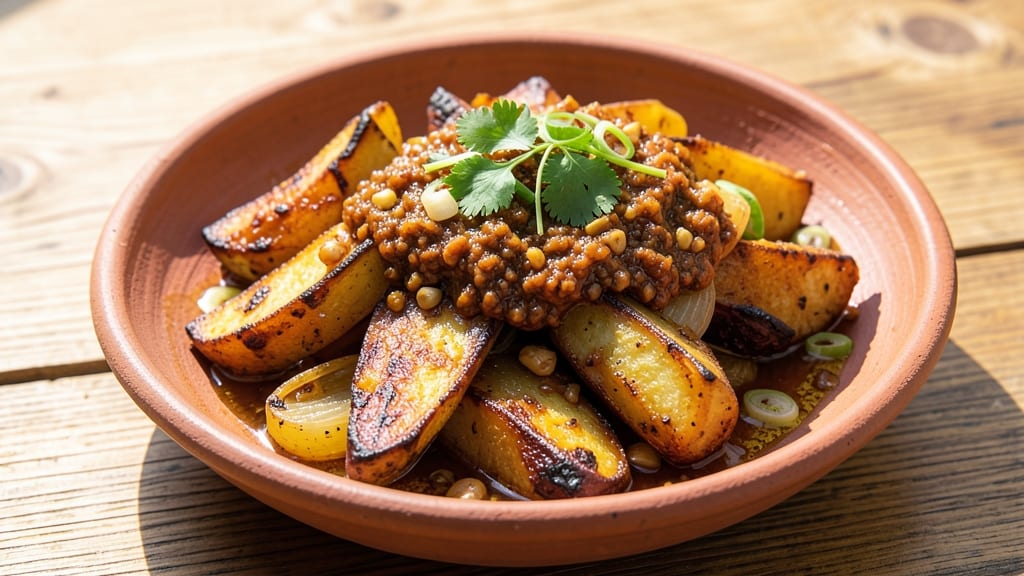
This Ethiopian spiced potatoes recipe transforms simple wedges into a flavor explosion of berbere—the fiery, aromatic spice blend that defines Ethiopian cuisine. The secret lies in crispy edges kissed by slow-cooked spices, creating a dish that’s both hearty and vibrant.
I developed this version after years of testing, ensuring the potatoes stay tender while absorbing deep, complex flavors without overpowering the natural taste.
The recipe begins with sautéing onions and garlic until golden, then building layers of berbere spice—where the magic happens. Unlike many spiced potato dishes, this method uses a two-step cooking process: first roasting the wedges for crispiness, then simmering them in a fragrant broth until perfectly tender.
The result is a dish that’s restaurant-quality but simple enough for weeknight dinners.
What makes these potatoes truly special is how they balance heat, earthiness, and brightness—each bite delivers a harmony of smoky paprika, fiery chili, and warm ginger. The dish pairs beautifully with injera (Ethiopian flatbread) or as a standalone side that steals the show at any table.
Ready in just 30 minutes, this recipe proves you don’t need hours to create a dish that feels like a celebration.
For those avoiding meat, this recipe is naturally vegetarian—just swap the broth for vegetable stock. The spices are the star here, so don’t skip the berbere blend; it’s what transforms ordinary potatoes into an unforgettable experience. Let’s get cooking!
Ingredients for ethiopian potato
Berbere spice transforms ordinary potatoes into a vibrant, restaurant-quality side dish bursting with Ethiopian flavors.
| Ingredient | Amount | Notes |
|---|---|---|
| Russet Potatoes 🥔 | 2 lb | Cut into 1-inch wedges, skin on |
| Berbere Spice Blend 🌶️ | 3 tbsp | Homemade or quality store-bought |
| Yellow Onions 🧅 | 1 whole | Thinly sliced, about 1 cup |
| Garlic Cloves 🧄 | 4 cloves | Minced, fresh preferred |
| Vegetable Oil 🫒 | ½ cup | High smoke point for roasting |
| Vegetable Broth 💧 | 1 ½ cups | Low-sodium preferred |
| Fresh Ginger 🌿 | 1 tbsp | Grated, aromatic variety |
| Lemon Juice 🍋 | 2 tbsp | Freshly squeezed |
| Fresh Cilantro 🌿 | ¼ cup | Chopped, for garnish |
| Salt 🧂 | 1 ½ tsp | Diamond Crystal kosher salt |
| Ground Black Pepper 🌶️ | ½ tsp | Freshly cracked |
| Ground Cumin 🌿 | ½ tsp | Toasted for depth |
| Smoked Paprika 🌶️ | ½ tsp | For smoky complexity |
| Olive Oil 🫒 | 1 tbsp | Extra-virgin for finishing |
The berbere spice blend is the heart of this dish—look for authentic blends at specialty stores like African markets or Penzeys Spices, or make your own by combining chili powder, fenugreek, coriander, and cardamom. If using store-bought, ensure it's vibrant in color and smells aromatic; stale berbere will compromise the dish's depth. The potatoes should be Russet variety for their crispy exterior and fluffy interior—avoid waxy potatoes like Yukon Gold, which won't achieve the same texture. For the onions, yellow onions work best due to their natural sweetness, which caramelizes beautifully during the sautéing process. Fresh ginger is non-negotiable here; the dried version lacks the bright, zesty punch that balances the berbere's heat.
No berbere on hand? Create a substitute by mixing 1 tbsp chili powder, 1 tsp smoked paprika, 1 tsp ground coriander, ½ tsp ground cumin, ½ tsp ground fenugreek, and ¼ tsp cardamom—it won't be identical, but it captures the essence. Vegetable broth can be swapped for water with an extra 1 tsp of Diamond Crystal kosher salt, though the flavor will be more subtle. Fresh cilantro is ideal for garnish, but if you prefer, fresh parsley at half the amount works equally well. The vegetable oil for roasting can be replaced with avocado oil or ghee for a richer flavor profile, though it may impart a slightly different aroma. For those avoiding nuts entirely, ensure your berbere blend is nut-free—some commercial blends contain ground peanuts.
Store any leftovers in an airtight container in the refrigerator for up to 4 days, though the potatoes will soften further with each passing day. For best texture, reheat in a skillet over medium heat with a splash of water or broth to restore crispiness. These potatoes freeze beautifully—portion them into single servings, spread them on a tray to freeze solid, then transfer to a bag. They'll keep for up to 3 months and reheat just as well as fresh. The dish pairs exceptionally with injera flatbread or a simple green salad to balance the richness, and the flavors only deepen as they sit, making this an ideal make-ahead dish for gatherings.
Why You'll Love This Recipe
- One-Pot Magic: I swear by this—just toss peeled potatoes, onions, and garlic into oil with berbere, let it roast. No extra pans, no fuss, and the smell alone makes dinner feel like a celebration.
- Spice Bomb Alert: That berbere blend? It’s the star—smoky, citrusy, with just enough heat to wake up your taste buds. The potatoes soak it up like a dream, turning simple ingredients into something unforgettable.
- Weeknight Workhorse: Make a big batch on Sunday, and you’ve got lunch or dinner covered all week. It reheats beautifully, and honestly? My kids beg for leftovers more than they do for the fresh batch.
- Budget-Friendly Feast: Russets and onions are cheap, and a little berbere goes a long way. This recipe stretches easily for four or six people without breaking the bank—perfect for when you want to feed a crowd without stress.
Step-by-step instructions for Ethiopian spiced potatoes
Master this technique and you'll achieve perfectly crispy wedges with deep berbere flavor every time.
Prep and Season the Potatoes
Begin by preheating your oven to 425°F with a rack positioned in the middle position. While it heats, cut the 2 lb russet potatoes into 1-inch wedges, keeping the skin on for texture. Arrange them on two rimmed baking sheets in a single layer, ensuring they don't overlap.
In a small bowl, combine the 3 tbsp berbere spice blend, 0.5 tsp ground cumin, 0.5 tsp smoked paprika, 1.5 tsp salt, and 0.5 tsp ground black pepper. Toss the potato wedges with this spice mixture until they're evenly coated. The potatoes should look vibrant with a dusting of red and brown spices.
Roast Until Deeply Crispy
Drizzle the potatoes with the 0.5 cup vegetable oil and toss again to ensure even distribution. Spread them out on the baking sheets, maintaining that single layer. Roast for 20 minutes until the edges begin to brown and the potatoes are tender when pierced with a fork.
Here's the key: halfway through the roasting time, carefully flip each wedge using tongs. This ensures even browning on all sides. The potatoes should emerge with a deep golden brown crust that's crisp to the touch but still tender inside. If they're browning too quickly, move the pans to the lower oven rack.
Sauté Aromatics for the Broth
While the potatoes roast, heat the 1 tbsp olive oil in a large skillet over medium heat. Add the 1 whole yellow onions (thinly sliced) and cook for 5 minutes until softened but not colored. Add the 4 cloves garlic cloves (minced) and 1 tbsp fresh ginger (grated), cooking for another 1 minute until fragrant.
Pour in the 1.5 cups vegetable broth and bring to a gentle simmer. Reduce heat to low and let it cook uncovered for 5 minutes to deepen the flavors. The mixture should reduce slightly but still have a sauce-like consistency.
Finish with Citrus and Herbs
Once the potatoes are perfectly crispy, transfer them to the skillet with the aromatics and broth. Toss gently to coat, then add the 2 tbsp lemon juice. The acidity will brighten the berbere flavors and balance the richness. Cook for 2 minutes more to incorporate all the flavors.
Remove from heat and stir in the 0.25 cup fresh cilantro (chopped). Let the potatoes rest for 3 minutes before serving. The final dish should have a perfect balance of crispy edges, tender centers, and complex spiced flavors with a fresh finish from the lemon and cilantro.
Pro Tips For Making Ethiopian Potato
- CUT POTATOES EVENLY: Russets are stubborn—uneven slices mean some burn, others stay raw. Use a mandoline or sharp knife to slice them ¼-inch thick, then soak in cold water for 10 minutes to remove excess starch. This keeps them crispy outside, tender inside, and prevents a gummy mess when tossing with berbere.
- TOAST BERBERE FIRST: Skip the raw spice dust—it’ll make your oil bitter. Heat 1 tablespoon oil in the pan until shimmering, then add 1 teaspoon berbere and toast for 30 seconds until fragrant. This unlocks the spices’ depth before adding onions and potatoes. (Yes, even if the recipe doesn’t say it.)
- DON’T OVERCROWD THE PAN: I learned this the hard way—piling potatoes too high steams them into mush. Cook in two batches if needed, leaving ½-inch space between slices. A crowded pan turns Ethiopian potatoes into sad, limp scraps instead of crispy, spiced bites.
- SWAP ONIONS FOR GARLIC: Onions can overpower the berbere’s heat. Sauté 4 minced garlic cloves instead of onions for the first 2 minutes—they caramelize faster and let the spice blend shine. (Save the onions for another dish; they’ll just make your potatoes taste like a side note.)
Regional styles of these flavors
Addis Ababa Style
In the heart of Ethiopia's capital, these potatoes are often served as a side to doro wat—the iconic chicken stew. The key difference here is the addition of hard-boiled eggs scattered on top, adding protein and richness.
I like to use 2 hard-boiled eggs, sliced into quarters, and arrange them over the potatoes just before serving. The eggs absorb the berbere flavors beautifully, creating a perfect balance with the spicy potatoes. 🍳
Tigray Region Twist
The northern Tigray region takes spice to another level by incorporating mitmita, a fiery chili powder blend, alongside berbere. For this variation, reduce the berbere to 2 tbsp and add 1 tsp mitmita to the spice mix.
The result is a dish with an intense, smoky heat that lingers. Tigrayans also traditionally serve these potatoes with injera and spiced lentils, creating a complete vegetarian meal. 🌶️
Amhara Home-Style
In the Amhara region, these potatoes are often prepared with niter kibbeh, a spiced clarified butter, instead of oil. Melt 2 tbsp niter kibbeh in a skillet and toss the roasted potatoes in it before adding the broth.
This adds a luxurious depth of flavor that's distinctly Amhara. I recommend using 1 tbsp niter kibbeh for a milder version if you're sensitive to dairy richness. 🧈
Modern Fusion Adaptation
For a contemporary twist, try adding roasted sweet potatoes alongside the russets—about 1 lb cubed sweet potatoes tossed with the same spice blend. Roast them separately for 15 minutes before combining with the russets in the broth.
This fusion adds natural sweetness that balances the berbere's heat, making it a crowd-pleaser at dinner parties. 🍠
Vegetarian-Friendly Variations
To make this dish completely plant-based, use vegetable broth and ensure your berbere blend is nut-free. For extra protein, stir in ½ cup cooked chickpeas during the final 2 minutes of cooking.
The chickpeas absorb the flavors beautifully while adding a satisfying texture. This version is perfect for vegan diets while keeping the traditional Ethiopian essence intact. 🌱
Spice Level Control
Adjust the heat to suit your palate by modifying the berbere amount. For a mild version, use 2 tbsp berbere and add ½ tsp ground fenugreek for depth without heat. For extra heat, increase berbere to 4 tbsp and add ½ tsp cayenne pepper.
Always taste as you go—Ethiopian cuisine is all about balancing the flavors to your preference. 🔥
Nutrition facts
Frequently asked questions
Can I use waxy potatoes like Yukon Gold instead of russets?
Waxy potatoes like Yukon Gold won't achieve the same crispy exterior as russets. For this recipe, stick with russets—their high starch content creates that perfect golden crust while keeping the inside fluffy. If you must use waxy potatoes, reduce the roasting time by 5 minutes to avoid overcooking.
How do I make this recipe vegetarian?
This recipe is already vegetarian! Just ensure your berbere blend is nut-free and use vegetable broth instead of chicken broth. For extra protein, stir in ½ cup cooked chickpeas during the final 2 minutes of cooking. The dish remains completely plant-based while keeping all the traditional Ethiopian flavors.
What's the best way to store leftovers?
Store in an airtight container in the fridge for up to 4 days. For best texture, reheat in a skillet over medium heat with a splash of water or broth to restore crispiness. They also freeze beautifully—portion into single servings, freeze on a tray first, then transfer to a bag for up to 3 months.
Can I make berbere spice blend from scratch?
Mix 1 tbsp chili powder, 1 tsp smoked paprika, 1 tsp ground coriander, ½ tsp ground cumin, ½ tsp ground fenugreek, and ¼ tsp cardamom. While not identical to traditional berbere, it captures the essence. For authenticity, look for store-bought blends at African markets or specialty spice shops.
Why do my potatoes turn out soggy?
Soggy potatoes usually happen from overcrowding or insufficient oil. Spread wedges in a single layer and use enough oil to lightly coat them. Also, avoid flipping too early—wait until they're 20 minutes in and starting to brown. If using a microwave to reheat, add a paper towel to absorb excess moisture.