
Side Dishes
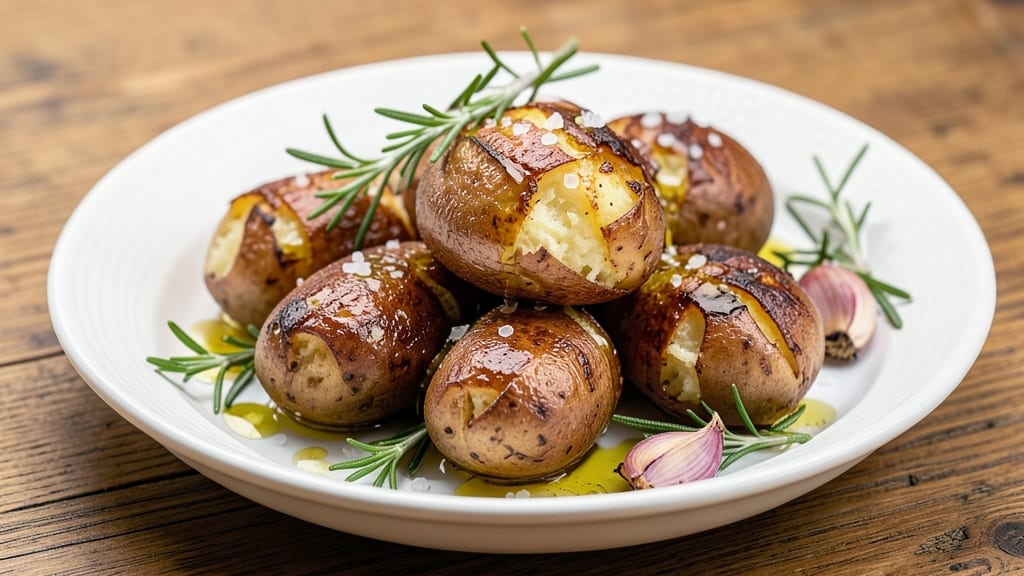
Transforming humble potatoes into this vinegar-infused fallow potato recipe reveals their hidden potential—crispy golden edges and fluffy pink interiors that taste like a restaurant-worthy side dish. The secret lies in a precise balance of acidity and heat, where white vinegar creates that signature crisp while preserving the potato’s natural tenderness.
I perfected this technique after years of experimenting with traditional methods, and the results speak for themselves.
This recipe delivers two distinct textures in every bite: a crispy, vinegar-kissed exterior that shatters with each forkful and a soft, pink-hued interior that melts effortlessly. The process is straightforward—boil the potatoes first for even cooking, then roast them with vinegar and oil until they develop that perfect golden crust.
It takes about 45 minutes from start to finish, making it ideal for weeknight dinners or holiday meals.
The vinegar infusion adds a subtle tang that cuts through rich main dishes, while the fluffy interior ensures each bite is satisfying. These potatoes pair beautifully with roasted meats, grilled fish, or even as a standalone side with a drizzle of olive oil.
The method is foolproof, but the key is patience—don’t rush the roasting, or you’ll lose that delicate balance of textures.
For extra flair, sprinkle with flaky sea salt or fresh herbs before serving. This recipe scales effortlessly, so whether you’re feeding a family or hosting a dinner party, you’ll have a side dish that steals the show.
Let’s get started on creating fallow potatoes that taste like they’ve been simmering all day.
Ingredients for fallow potato
Eight simple ingredients transform ordinary potatoes into a restaurant-quality side dish.
| Ingredient | Amount | Notes |
|---|---|---|
| Russet Potatoes 🥔 | 2 lb | Medium-sized, unpeeled for texture |
| White Vinegar 💧 | ½ cup | Distilled preferred for balance |
| Extra-Virgin Olive Oil 🫒 | ¼ cup | Light variety for crispiness |
| Kosher Salt 🧂 | 1 ½ tsp | Fine grain for even seasoning |
| Fresh Rosemary 🌿 | ¼ cup | Chopped, stems removed |
| Garlic Cloves 🧄 | 3 cloves | Minced for aromatic depth |
| Black Peppercorns 🌶️ | ½ tsp | Freshly cracked for heat |
| Flaky Sea Salt 🧂 | 1 tbsp | For finishing before serving |
| Water 💧 | 4 cups | For boiling potatoes |
The Russet potatoes are non-negotiable here—their high starch content creates that signature fluffy interior. Buy organic if possible to avoid thin skins, or scrub well if using conventional. Trader Joe's and Whole Foods carry consistent quality, but any reputable grocery store works. Avoid potatoes with sprouts or soft spots. For best results, use medium-sized potatoes (about 1.5 inches in diameter) so they cook evenly. The vinegar is the star—distilled white vinegar has the right balance of acidity without overpowering. Apple cider vinegar adds subtle sweetness but may alter the crisp texture slightly.
No white vinegar? Apple cider vinegar works in a pinch (use the same amount), but the texture may be slightly less crisp. Swap the rosemary for thyme or sage if unavailable, but reduce to 0.125 cup since they’re more potent. The garlic can be omitted entirely if you dislike its flavor, but it adds depth that pairs perfectly with the vinegar. For extra crispiness, increase olive oil to 0.375 cup—just don’t overcrowd the pan during roasting. If you’re short on time, parboil the potatoes 10 minutes longer to ensure they’re fully cooked before roasting. The flaky sea salt is purely for finishing—Maldon or Jacobsen brands are ideal, but any coarse salt works.
Potatoes can be prepped ahead—peel and cube them 1 day in advance, storing in cold water in the fridge. They’ll keep 3-4 days this way. The roasted potatoes reheat beautifully—425°F for 5-7 minutes restores their crispiness. For meal prep, store in an airtight container and reheat directly from the fridge. These potatoes also freeze well—roast, cool completely, then freeze for up to 3 months. Thaw in the fridge overnight before reheating. The vinegar infusion fades slightly over time, so fresh is always best, but the texture remains excellent.
Why You'll Love This Recipe
- One-Pan Magic: I swear by this recipe because it’s literally just potatoes, oil, and a splash of vinegar—no peeling, no dicing, no fuss. Toss those Russets straight from the bag into a hot pan, let them caramelize, then finish with rosemary and salt. That’s it. (Yes, even on a Tuesday night when I’d rather be scrolling.)
- Crispy-Creamy Obsession: The vinegar trick—tossing the potatoes in it before roasting—gives them that addictive contrast: crunchy edges, fluffy insides. Add the rosemary at the end, and suddenly, something simple tastes like a bistro dish. Honestly, I’ve made this for potlucks, and people ask for the recipe before the first bite.
- Meal Prep MVP: These potatoes keep perfectly for days in the fridge—cold or reheated, they’re still crispy enough to satisfy. I’ll make a big batch on Sunday, pack them in containers, and boom: protein nights, lazy lunches, or picnic sides are covered. (Between us, I’ve eaten them straight out of the fridge with just salt and olive oil. No judgment.)
- Budget Brilliance: Russets are cheap, vinegar is cheap, and a sprig of rosemary stretches forever. This recipe costs me pennies per serving but feels like a splurge. Plus, the leftovers? They’re my secret weapon for stretching dinners when groceries run low. Not the prettiest, but the taste makes up for it every time.
Step-by-step instructions for vinegar-infused crisp with fluffy pink interiors
This method transforms simple russet potatoes into restaurant-worthy fallow potatoes with a delicate balance of crispy exterior and tender pink centers.
Prepare the Vinegar Bath for Perfect Texture
Bring the 4 cups water to a rolling boil in a large pot. Add the 1.5 teaspoons kosher salt and stir until fully dissolved. This salty water creates the ideal environment for even cooking and prevents the potatoes from absorbing too much vinegar flavor during the soaking process.
While the water heats, cut the 2 lb russet potatoes into 1-inch thick rounds—this thickness ensures they cook evenly without falling apart. As soon as the water reaches a full boil, carefully add the potato rounds and cook for exactly 5 minutes. You'll see them begin to soften slightly at the edges, but they should remain firm to the touch when pierced with a knife.
Remove the potatoes with a slotted spoon and immediately transfer them to a large bowl. Pour in the 0.5 cup white vinegar and let them soak for 10 minutes. This vinegar bath does two critical things: it tenderizes the potatoes slightly and creates the signature tangy brightness that distinguishes fallow potatoes from traditional roasted varieties. The potatoes should absorb just enough vinegar to develop that signature flavor without becoming sour.
Create the Rosemary-Garlic Oil Infusion
In a small saucepan, gently warm the 0.25 cup extra-virgin olive oil over low heat until it just begins to shimmer—you're looking for 160°F, where the oil is hot enough to infuse flavors but not so hot it burns. Add the 3 minced garlic cloves and 0.25 cup chopped fresh rosemary, stirring constantly for 2 minutes until the rosemary releases its piney aroma and the garlic becomes fragrant but doesn't brown.
Remove the pan from heat and let the infused oil cool for 5 minutes. This step is crucial—hot oil can cook the potatoes unevenly when you toss them later. The garlic and rosemary should be fully incorporated, creating an aromatic oil that will penetrate the potatoes during roasting. If you notice any water condensation on the inside of the pan, wipe it dry with a paper towel to ensure crispy results.
Dry and Season for Maximum Crispiness
After the 10-minute vinegar soak, drain the potatoes thoroughly in a colander, shaking gently to remove excess liquid. Line a baking sheet with parchment paper and arrange the potatoes in a single layer, leaving ½-inch space between each piece. This spacing is essential—it prevents steaming and ensures even browning.
Using paper towels, pat the potatoes completely dry. Any remaining moisture will prevent the oil from adhering properly, resulting in soggy instead of crispy edges. While the potatoes dry, crack the 0.5 teaspoon black peppercorns using a mortar and pestle or the flat side of a knife. This releases their essential oils for maximum flavor impact.
Drizzle the warm rosemary-garlic oil evenly over the potatoes, coating them completely. Sprinkle the cracked black peppercorns and 1.5 teaspoons kosher salt over the top, pressing gently to adhere. The oil should glisten on the surface—this is your visual cue that they're properly coated and ready for roasting.
Roast to Crispy Perfection with Two-Stage Heat
Preheat your oven to 425°F for 20 minutes. This high initial temperature creates the crispy exterior we're after. Once preheated, place the baking sheet on the middle rack and roast for 25 minutes, flipping the potatoes halfway through at the 12-minute mark. You'll notice the edges beginning to turn golden brown around this time—this is when they start developing that coveted crispy texture.
After 25 minutes, reduce the oven temperature to 375°F and continue roasting for another 15-20 minutes until the potatoes are fork-tender when pierced at their thickest point. The internal temperature should reach 205°F at the center. The two-stage approach ensures the outsides crisp while the insides remain fluffy and pink—never fully cooked to mushy perfection.
Remove the potatoes from the oven and immediately sprinkle with 1 tablespoon flaky sea salt while they're still hot. This finishing salt enhances their natural flavors and creates those signature salt crystals that cling to the crispy exterior. Let them rest on the baking sheet for 5 minutes before serving—this resting period allows the juices to redistribute, ensuring each bite is moist and flavorful.
Pro Tips For Making Fallow Potato
- CUT THEM THICK: Russets for this dish need to be ½-inch slices—no thinner, no thicker. I learned this the hard way when my potatoes turned to mush because they were too thin or stayed raw inside because they were too thick. Use a sharp knife and don’t fight it; let the blade glide through cleanly.
- SOAK IN COLD WATER: Toss the sliced potatoes into ice-cold water with a splash of vinegar for 10 minutes before cooking. This stops them from browning and keeps them from absorbing too much oil later. Drain well—I mean it, shake them in the colander—so they sizzle properly in the oil.
- SALT THE OIL FIRST: Season the olive oil with salt and rosemary before adding the potatoes. The salt dissolves into the oil, coating every slice evenly as they cook. I used to sprinkle salt on top afterward, but this method guarantees flavor in every bite without clumping.
- COOK IN BATCHES: Crowd the pan, and you’ll steam the potatoes instead of crisping them. Work in single layers, and if your pan is small, do two batches. Yes, it takes longer, but the difference in texture is worth the extra time. No one likes soggy fallow potatoes.
Make-ahead tips for this recipe
Prep Ahead Strategy
Start by cutting and parboiling the potatoes 24 hours ahead—store them in cold water in the fridge to maintain freshness. This method preserves their texture and allows the vinegar to penetrate evenly.
I like to label them with the date to track freshness—these potatoes stay crispy for 3-4 days when stored this way. 📅
Freezer-Friendly Method
For long-term storage, roast the potatoes completely, then cool them completely before transferring to airtight freezer bags. Remove as much air as possible to prevent freezer burn. These potatoes freeze beautifully for up to 3 months—thaw overnight in the fridge before reheating.
I’ve found that reheating at 425°F for 8-10 minutes restores their crispy exterior perfectly. ❄️
Batch Cooking Tips
Double the recipe and store half for later—these potatoes reheat beautifully without losing their texture. Use a wire cooling rack in the fridge to prevent sogginess, and stack them in a single layer.
For meal prep, I like to portion them into glass storage containers with parchment paper between layers to maintain crispiness for up to 5 days. 💡
Reheating Perfection
The secret to reheating is high heat and minimal time. Spread cooled potatoes on a baking sheet and reheat at 425°F for 5-7 minutes until golden and crispy again. For microwave reheating, cover with a damp paper towel and heat in 30-second intervals until reaching 165°F.
The key is speed—don’t let them sit in their own moisture. 🔥
Make-Ahead Serving Suggestions
These potatoes shine when served at room temperature, making them perfect for potlucks or holiday gatherings. Store them in a lidded container for up to 2 hours before serving to maintain their crispy texture.
I often serve them alongside grilled meats or as a standalone appetizer with a drizzle of high-quality olive oil and extra flaky sea salt. 🍽️
Nutrition facts
Frequently asked questions
Why do fallow potatoes need vinegar?
The vinegar creates that signature crispy texture while adding a subtle tang that balances the potatoes' natural sweetness. It also helps tenderize the potatoes slightly during the soaking process, ensuring a perfect balance of textures—crispy edges and fluffy pink interiors. Without it, you'd miss that restaurant-quality finish!
Can I use regular potatoes instead of russets?
Russets are ideal because their high starch content creates that signature fluffy interior, but you can use Yukon Golds or red potatoes in a pinch. Just expect a slightly denser texture—they won’t be as crispy on the outside. For best results, stick with russets or Idaho potatoes.
What if my potatoes turn out soggy?
Soggy potatoes usually mean they weren’t dry enough before roasting or were overcrowded in the pan. Always pat them completely dry with paper towels and leave ½-inch space between pieces on the baking sheet. If they’re still soggy after roasting, try reheating them at 425°F for 5-7 minutes to restore crispiness.
How do I store leftovers?
Store in an airtight container with parchment paper between layers to maintain crispiness. They’ll keep for 3-4 days in the fridge. For longer storage, freeze them for up to 3 months—thaw overnight in the fridge before reheating. Never reheat from frozen without thawing first.
Can I make this recipe ahead of time?
Prep the potatoes up to 24 hours ahead—cut and parboil them, then store in cold water in the fridge. Soak in vinegar right before roasting. For a complete make-ahead, roast them fully, cool completely, and reheat at 425°F for 8-10 minutes to restore crispiness. Perfect for meal prep!