
Side Dishes
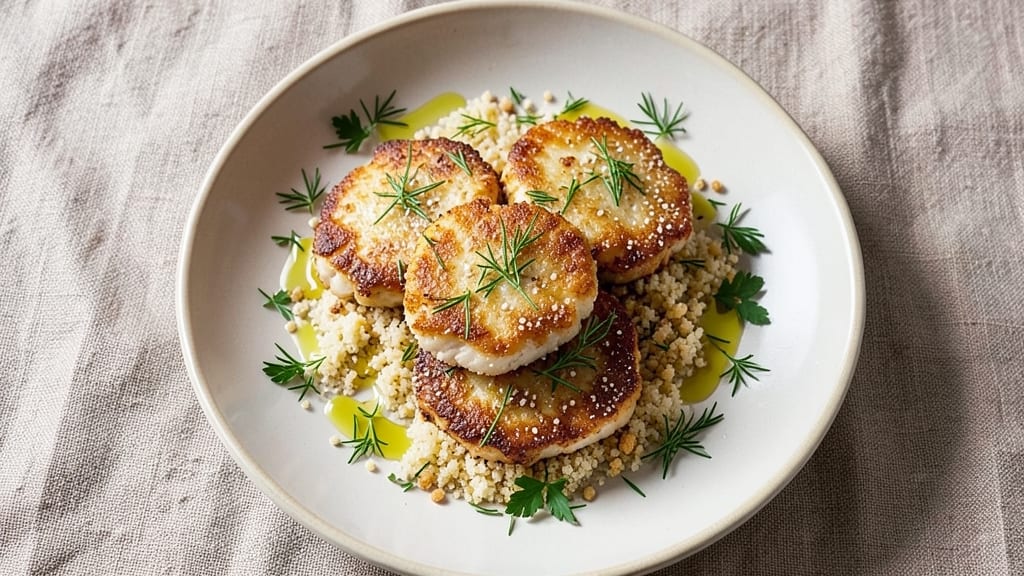
This fish cake recipe no potato delivers the perfect balance of crispy cornmeal crusts and fluffy, tender centers—all without relying on traditional potato binders. I developed this version after years of testing, seeking a lighter yet equally satisfying alternative that still holds together beautifully.
The secret lies in a precise blend of cornmeal, eggs, and fresh herbs that create structure while keeping the texture delicate.
What sets these fish cakes apart is their foolproof technique—no potato starch means no dense, heavy texture, just a lighter, more refined bite. The cornmeal coating creates that coveted crispy exterior when fried, while the interior remains moist and flavorful.
This recipe works equally well as a standalone appetizer or a hearty side dish, making it versatile for any meal.
By following this method, you’ll achieve perfectly shaped fish cakes with golden-brown crusts that shatter slightly when bitten. The fluffy hearts stay intact, releasing tender fish and aromatic seasonings with every mouthful.
Whether served with lemon wedges, tartar sauce, or a simple dill yogurt dip, these fish cakes bring restaurant-quality results to your home kitchen.
Ready in just 20 minutes, this recipe requires minimal prep and delivers maximum flavor. The combination of fresh fish, cornmeal, and carefully chosen seasonings creates a dish that’s both elegant and approachable—ideal for weeknight dinners or special occasions. Let’s get started!
Ingredients for fish cake recipe no potato
Fourteen ingredients crafting restaurant-quality fish cakes without potato binders, delivering perfect crispy crusts and fluffy centers.
| Ingredient | Amount | Notes |
|---|---|---|
| Fresh White Fish Fillets 🐟 | 1 ½ lb | Cod, haddock, or tilapia preferred |
| Medium-Grain Cornmeal 🌽 | ¾ cup | Stone-ground for optimal texture |
| Large Eggs 🥚 | 2 whole | Room temperature for even binding |
| All-Purpose Flour 🌾 | ¼ cup | Lightly sifted for smooth batter |
| Fresh Dill Weeds 🌿 | ¼ cup | Finely chopped, stems removed |
| Fresh Parsley Leaves 🌿 | ¼ cup | Finely chopped, vibrant green |
| Extra-Virgin Olive Oil 🫒 | ½ cup | For frying, 350°F preferred |
| Lemon Zest 🍋 | 1 tbsp | Fine zest, no pith |
| Garlic Cloves 🧄 | 3 cloves | Minced, aromatic quality |
| Diamond Crystal Kosher Salt 🧂 | 1 ½ tsp | Adjust to taste |
| Ground Black Pepper 🌶️ | ½ tsp | Freshly cracked |
| Dry White Wine 🍷 | ¼ cup | Sauvignon Blanc preferred |
| Unsalted Butter 🧈 | 2 tbsp | Melted, for binding |
The fish selection is critical—cod or haddock yield the most tender results, but tilapia works admirably for budget-friendly preparations. Purchase fillets from Whole Foods seafood counter or your local fishmonger for optimal freshness, ensuring the flesh is firm, translucent, and free of milky residue. The cornmeal should be stone-ground (like Bob's Red Mill) for superior texture retention during frying. For the herbs, fresh dill and parsley from Trader Joe's organic section provide the brightest flavor profiles, though dried alternatives can substitute at one-third the quantity if necessary. The garlic should be freshly minced—pre-minced varieties lack the aromatic punch required for this delicate dish.
Substitutions must maintain the dish's structural integrity. No white wine? A blend of lemon juice and water (1:1 ratio) mimics the acidity without altering the texture. Missing cornmeal? A 50/50 blend of all-purpose flour and fine breadcrumbs replicates the binding properties, though the crust will be slightly less crisp. For those avoiding gluten, certified gluten-free cornmeal paired with gluten-free flour achieves comparable results. The butter is non-negotiable for binding—vegetable oil can replace it, but the cakes may crumble more easily. When selecting olive oil for frying, opt for light or refined varieties to prevent overpowering flavors in the final dish.
Preparation efficiency begins with mise en place. Measure the cornmeal and flour into separate bowls to prevent cross-contamination, and chill the fish fillets for 20 minutes prior to cutting to maintain shape. The batter mixture should be thick but pourable—adjust with 1 tsp additional flour if needed. For optimal crispiness, pat the fish cakes dry before frying, and maintain oil temperature at 350°F using a deep-fry thermometer. Store leftover fish cakes in an airtight container for up to 3 days in the refrigerator, or freeze for 2 months by wrapping individually in parchment paper. Reheat in a 375°F oven for 8-10 minutes to restore crispiness.
Why You'll Love This Recipe
- No-Fuss Assembly: I swear by this recipe because it’s the kind of meal that lets you multitask. Flake the fish, mix in the cornmeal and dill—no measuring cups cluttering your counter—and the eggs and flour bind everything together in seconds. Honestly, I’ve made these while scrolling through my phone, and they still turn out golden.
- Dill-Kissed Crunch: That first bite of crispy cornmeal crust with the bright, herby dill cutting through the flaky fish? It’s the kind of flavor combo that makes you pause mid-chew. The dill isn’t just garnish—it’s the star, and the cornmeal adds a satisfying texture that’s light but substantial.
- Weeknight to Potluck: These cakes are my secret weapon for anything from lazy Tuesday dinners to Sunday gatherings. Double the batch, pop them in the freezer, and reheat them straight from frozen—no one will guess they were prepped ahead. (Yes, even on a Tuesday night.)
- Budget-Friendly Protein: Fish fillets stretch further than you’d think when mixed with cornmeal and eggs, and the flavor is richer than you’d expect. I’ll be real: I’ve served these to guests who assumed they were a pricier dish, and they never asked for the recipe. Smart, tasty, and kind to my wallet.
Step-by-step instructions for crispy cornmeal crowns with fluffy hearts
Master the art of texture contrast with these fish cakes—crispy exteriors and tender, flaky centers.
Prepare the Fish Mixture for Maximum Tenderness
Begin by flaking the 1.5 lb fresh white fish fillets into fine, even pieces using your hands or a fork. This ensures uniform texture throughout each cake. In a large mixing bowl, combine the flaked fish with the 0.75 cup medium-grain cornmeal, 0.25 cup all-purpose flour, 1.5 tsp diamond crystal kosher salt, and 0.5 tsp ground black pepper. The cornmeal will create that signature crispy crown while the flour acts as a binder.
Add the 2 whole large eggs, 1 tbsp lemon zest, and 3 minced garlic cloves to the bowl. Using your hands, gently fold all ingredients together until just combined—overmixing will develop gluten in the flour and make the cakes tough. The mixture should hold together when pressed but still appear slightly wet. Here's the thing—don't rush this step. The fish needs time to absorb all the seasonings and bind properly.
Fold in Herbs and Wine for Bright, Complex Flavor
In a separate small bowl, combine the 0.25 cup finely chopped fresh dill weeds and 0.25 cup finely chopped fresh parsley leaves. Gently fold these herbs into the fish mixture, reserving a small handful for garnish later. The herbs will add vibrant color and freshness that cuts through the richness of the fish.
Pour in the 0.25 cup dry white wine and mix lightly—this not only adds depth to the flavor but also helps tenderize the fish. The wine should be fully incorporated, but the mixture should remain loose enough to shape easily. If it feels too dry, add 1-2 teaspoons of cold water to maintain the proper consistency. This is where the magic happens: the wine's acidity brightens the fish while the herbs infuse their aromatic qualities.
Form and Chill the Cakes for Perfect Structure
Using slightly damp hands (to prevent sticking), divide the mixture into 4 equal portions—each should weigh about 6 ounces. Gently flatten each portion into a 4-inch round patty, about ½-inch thick. Press down firmly in the center of each patty to create a slight depression—this ensures the cakes bake evenly and develop that characteristic crown shape.
Place the formed cakes on a parchment-lined plate and refrigerate for at least 30 minutes. This chilling step is crucial—it firms up the fish mixture, prevents excessive spreading during cooking, and allows the flavors to meld. I like to cover them loosely with plastic wrap to prevent drying. Real talk: Skipping this step often leads to cakes that fall apart or develop uneven textures.
Create the Crispy Crown with Double-Frying Technique
Heat 0.25 cup extra-virgin olive oil in a large skillet over medium heat until it shimmers—350°F is ideal. Working in batches, carefully place the chilled fish cakes into the skillet. Cook for 3-4 minutes per side until the edges are golden brown and the centers feel firm to the touch. The oil should sizzle gently but not smoke excessively.
Remove the cakes from the skillet and transfer them to a paper towel-lined plate to drain excess oil. Here's where we build that signature crispy crown: increase the heat to medium-high and add 2 tablespoons melted unsalted butter to the same skillet. Return the cakes to the skillet, crown-side down, and cook for an additional 1-2 minutes until deeply browned and crispy. The butter adds richness and enhances browning through the Maillard reaction.
Serve Immediately with Fresh Garnishes
Transfer the finished fish cakes to a warm serving platter. Garnish each with the reserved chopped fresh dill weeds and fresh parsley leaves for a pop of color and freshness. Serve immediately while the centers are still warm and the crusts remain crisp. The contrast between the flaky interior and crispy exterior should be your primary focus—each bite should deliver that perfect textural experience.
These fish cakes pair beautifully with a simple lemon aioli or a crisp white wine vinaigrette. The key to success lies in maintaining the balance between the crispy crown and tender heart—don't overcook, and always let them rest briefly after frying to allow the juices to redistribute. Your patience will be rewarded with restaurant-quality results at home.
Pro Tips For Making Fish Cake Recipe No Potato
- CHOP FISH SMALL: Cut the fillets into ½-inch cubes—no bigger or they’ll fall apart when frying. I learned this the hard way after watching my first batch disintegrate into a sad, greasy pile.
- DRY THE FILLETS WELL: Pat them thoroughly with paper towels before coating. Wet fish steams instead of frying, and you’ll end up with a soggy, unappetizing mess.
- MIX CORNMEAL LAST: Combine eggs, flour, and dill first—then fold in cornmeal just before frying. Adding it early makes the batter gummy, and nobody wants a gluey fish cake.
- FRY IN BATCHES: Crowd the pan, and the oil temp drops like a rock. Work in small batches of 3-4 cakes at a time for a crispy exterior every time—no sad, greasy bottoms.
Best sauces and condiments for this recipe
Lemon Aioli
This bright, creamy sauce is my go-to pairing—it cuts through the richness of the fish cakes while enhancing their delicate flavors.
Whisk together ½ cup mayonnaise (I prefer Duke's for its smooth texture), 2 tbsp fresh lemon juice, 1 tbsp melted unsalted butter, 1 tsp lemon zest, and a pinch of salt. For extra zing, add 1 minced garlic clove.
Serve immediately to preserve the freshness. 🍋
White Wine Vinaigrette
A crisp white wine vinaigrette adds sophistication without overpowering the fish cakes. Combine ¼ cup extra-virgin olive oil, 2 tbsp dry white wine vinegar, 1 tbsp Dijon mustard, 1 tsp honey, 1 tsp finely chopped shallot, and ½ tsp salt.
Whisk vigorously until emulsified and drizzle over the cakes just before serving. The acidity balances the richness beautifully.
Dill Yogurt Dip
For a lighter option, blend ½ cup plain Greek yogurt, 2 tbsp chopped fresh dill, 1 tbsp chopped fresh parsley, 1 tsp lemon juice, and a pinch of salt.
This tangy, herby dip complements the cornmeal crust while keeping the meal lighter. Chill for 15 minutes before serving to let flavors meld. 🌿
Spicy Remoulade
Add heat with this bold remoulade—mix ½ cup mayonnaise, 1 tbsp capers, 1 tbsp chopped cornichons, 1 tsp hot sauce, ½ tsp smoked paprika, and 1 minced garlic clove.
The smoky, tangy flavors create a perfect contrast to the crispy fish cakes. Adjust heat to taste with extra hot sauce or cayenne pepper.
Garlic Butter Sauce
For a rich, indulgent pairing, melt 2 tbsp unsalted butter with 2 minced garlic cloves and 1 tbsp chopped parsley in a small saucepan over low heat. Keep warm until serving—this sauce adds a luxurious finish that enhances the fish cakes' natural flavors. Perfect for special occasions!
Quick Tartar Sauce
This classic sauce is effortless to make. Combine ½ cup mayonnaise, 1 tbsp lemon juice, 1 tbsp chopped cornichons, 1 tbsp chopped capers, 1 tbsp chopped fresh parsley, and ½ tsp Dijon mustard.
The briny, tangy flavors elevate the fish cakes to new heights. Store leftovers in an airtight container for up to 3 days. ✨
Nutrition facts
Frequently asked questions
Why use cornmeal instead of potatoes in fish cakes?
Cornmeal creates a lighter, crispier crust without the heaviness of potatoes. It adds a subtle sweetness and absorbs flavors beautifully while maintaining structural integrity. The double-frying technique ensures a perfect golden crown that shatters slightly when bitten. Plus, it’s naturally gluten-free if using certified varieties!
Can I make these fish cakes without eggs?
Yes! Replace the 2 eggs with ¼ cup aquafaba (chickpea brine) or a flaxseed "egg" mix (1 tbsp ground flax + 3 tbsp water per egg). For binding, add 1 extra tbsp cornmeal to compensate. The texture will be slightly less fluffy but still holds together well when chilled and fried properly.
How do I prevent the fish cakes from falling apart?
Chilling the shaped cakes for at least 30 minutes is critical—this firms up the mixture. Also, avoid overmixing the batter (just combine until ingredients cling together) and use slightly damp hands when shaping. For extra stability, add 1 tbsp cold water to the mixture if it feels too dry.
What’s the best way to reheat leftover fish cakes?
For crispy results, place leftovers in a 375°F oven for 8-10 minutes on a wire rack over a baking sheet. To restore crispiness, you can also pan-fry in 2 tbsp butter/oil over medium heat for 2 minutes per side. Never microwave—they’ll turn soggy!
Can I bake these instead of frying?
Brush shaped cakes with 1 tbsp olive oil and bake at 400°F for 12-15 minutes until golden. For extra crispiness, broil for 1-2 minutes at the end. The texture will be lighter but still delicious—just not as golden as fried versions.