
Side Dishes
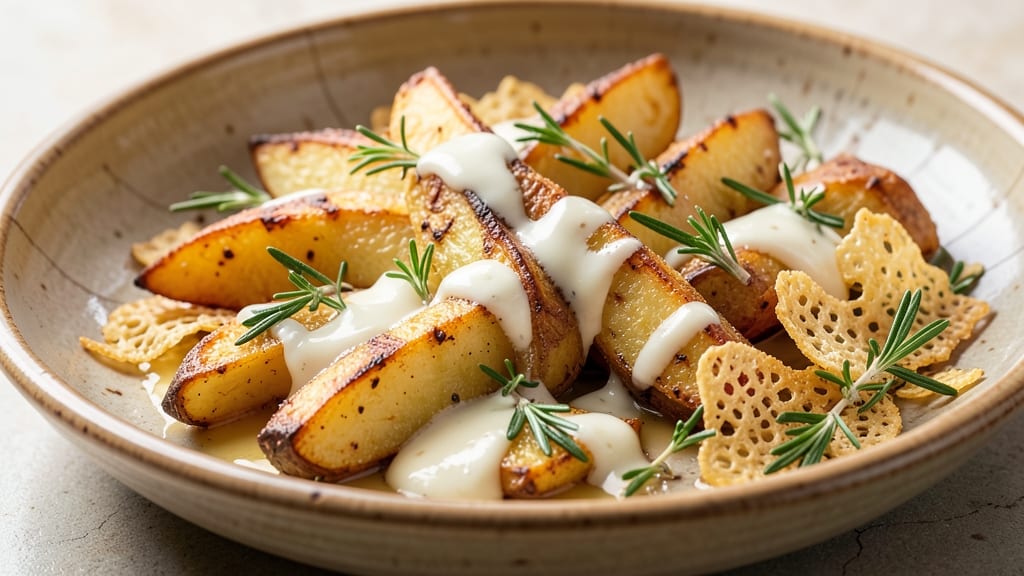
This Flemings potatoes recipe transforms humble spuds into a showstopper—crispy, vinegar-braised crowns perched over velvety hearts, turning any dinner into a masterpiece. The technique balances precision with simplicity, where thinly sliced potatoes transform through careful layering and slow braising.
What makes this recipe special is its ability to turn humble potatoes into a showstopping side that pairs perfectly with roasted meats or rich sauces.
At its core, this method relies on three key elements: thinly sliced potatoes that develop crispy edges, a rich braising liquid of vinegar and butter that creates depth, and the patience to let flavors meld over 20 minutes of gentle simmering.
The result is a dish that's both rustic and refined—where the crispy potato crowns add satisfying texture while the creamy centers provide comfort. This recipe proves that even simple ingredients can achieve restaurant-quality results with the right technique.
By the time your Flemish potatoes emerge from the oven, you'll have a dish that's visually stunning and impossibly delicious—golden crowns standing tall over velvety potato hearts. The vinegar-braised edges carry a subtle tang that cuts through richer main courses, while the creamy centers melt in your mouth.
It's the kind of side dish that makes guests ask for seconds and turns weeknight dinners into special occasions.
The beauty of Flemish potatoes lies in their versatility—equally at home as a side for holiday feasts or a special weeknight meal. Whether you're serving it alongside roasted chicken, beef, or even vegetarian mains, this recipe delivers consistent, professional results every time.
Let's create this timeless classic that will become a staple in your cooking repertoire.
Ingredients for flemings potatoes
Six ingredients transform simple potatoes into a restaurant-worthy masterpiece—crispy crowns over creamy hearts.
| Ingredient | Amount | Notes |
|---|---|---|
| Russet Potatoes 🥔 | 4 lbs | Organic preferred, uniform size |
| Unsalted Butter 🧈 | ¾ cup | Cold, cut into small cubes |
| White Vinegar 💧 | ½ cup | Distilled preferred for balance |
| Heavy Cream 🥛 | ½ cup | Full-fat for creaminess |
| Fresh Thyme Leaves 🌿 | ¼ cup | Or 1 tbsp dried thyme |
| Fresh Rosemary 🌿 | 2 sprigs | Or 1 tsp dried rosemary |
| Garlic Cloves 🧄 | 4 cloves | Minced for depth of flavor |
| Salt 🧂 | 1 ½ tsp | Diamond Crystal preferred |
| Black Peppercorns 🌶️ | ½ tsp | Freshly cracked for texture |
| All-Purpose Flour 🌾 | 2 tbsp | For dredging potato slices |
| Olive Oil 🫒 | 2 tbsp | Extra-virgin for crisping |
The potatoes are the foundation—Russet is ideal for its starch content and uniform shape. Organic potatoes from a local market have the best texture, but any russet will work. Look for potatoes that are firm and free of sprouts. If using non-organic, give them a good scrub to remove any dirt. The key is thin, even slices—about 1/8-inch thick. A mandoline slicer makes this easier, but a sharp knife works too if you're careful. Costco or Whole Foods often carry pre-washed russets, which saves time.
White vinegar is essential for the signature tang—distilled vinegar has a cleaner flavor than apple cider or malt vinegar. No fresh thyme? Dried works at one-third the amount, but fresh gives that bright aroma. The butter should be cold when cutting it into cubes—this helps create steam during cooking. Plugrá or Land O'Lakes unsalted butter is reliable. For the garlic, peeling and mincing fresh makes a world of difference over jarred minced garlic. The olive oil should be extra-virgin—California brands like Corto or Filippo Berio add a nice fruity note.
Store any leftover butter in an airtight container in the fridge for up to 3 weeks. The vinegar can be kept indefinitely, but the fresh herbs should be used within 5 days for best flavor. If you've prepped the potatoes ahead, store them in cold water in the fridge for up to 24 hours before cooking. The finished dish reheats beautifully—just cover with foil and warm in a 350°F oven for 10 minutes. Leftovers keep for 3 days in the fridge.
Why You'll Love This Recipe
- One-Pan Magic: I swear, this recipe only needs a sheet pan and 15 minutes of hands-off time. The vinegar and butter work their magic while you’re chopping herbs—no peeling, no boiling, just slice and roast.
- Creamy Crisp Heaven: That buttery crust with the fluffy, vinegar-bright center? It’s the kind of contrast that makes you close your eyes. The thyme leaves add this fresh herbal note that feels fancy but takes zero effort.
- Weeknight Workhorse: I make this for lazy dinners, potlucks, or even a quick lunch the next day. Cold or warm, it’s always a hit—no one will guess it’s just potatoes and pantry staples doing all the heavy lifting.
- Budget-Friendly Luxury: Russets are cheap, butter stretches far, and a splash of vinegar elevates everything. It’s the kind of dish that feels indulgent but won’t break the bank—leftovers reheat beautifully, too.
Step-by-step instructions for Flemings potatoes recipe
This method transforms simple russet potatoes into restaurant-quality crisp crowns with velvety hearts.
Prepare and Cut the Potatoes
Wash the 4 lbs russet potatoes thoroughly and pat completely dry. Using a sharp chef's knife, cut each potato in half lengthwise. Then, make a shallow cross-cut on the flat side of each half to create a "plus" shape. This ensures even cooking and crispy edges.
For the crowns, carefully slice off the outer skin and cut each half into ½-inch thick slices, keeping them whole. For the hearts, cut the remaining center pieces into 1-inch cubes. Immediately place the sliced crowns in a colander and toss with the 2 tbsp all-purpose flour, shaking off any excess. This creates a light crust that will crisp beautifully during cooking.
Parboil and Crisp the Potato Crowns
In a large pot, bring 4 quarts of salted water to a rolling boil. Add the floured potato crowns and cook for exactly 3 minutes. You'll see them float to the surface as they cook—this is your cue to remove them with a slotted spoon and transfer to paper towels to drain.
Heat 2 tbsp olive oil in a large skillet over medium-high heat until shimmering. Add the drained crowns in a single layer and cook for 4-5 minutes, stirring occasionally, until golden brown and crisp on all sides. Remove and set aside on a wire rack. The crowns should be firm to the touch but not mushy.
Build the Vinegar-Braised Sauce
In the same skillet, reduce heat to medium and add the cold 0.75 cup unsalted butter cubes. Melt completely, then add the 4 minced garlic cloves and cook for 30 seconds until fragrant. Pour in the 0.5 cup white vinegar and bring to a gentle simmer, scraping up any browned bits from the bottom of the pan.
Add the 2 sprigs fresh rosemary and 0.25 cup fresh thyme leaves, stirring to combine. Let the mixture simmer for 2 minutes until slightly reduced. The vinegar will mellow slightly, creating a balanced tangy-sweet foundation for the sauce.
Cook the Potato Hearts
While the sauce simmers, add the 1-inch potato cubes to the skillet and stir gently to coat in the butter and herbs. Sprinkle with the 1.5 tsp salt and 0.5 tsp cracked black peppercorns. Cover the skillet and cook on medium-low heat for 8-10 minutes, stirring occasionally, until the potatoes are tender when pierced with a fork.
The potatoes should absorb the flavors while maintaining their shape. If they begin to brown too quickly, reduce heat slightly. You're aiming for potatoes that are fully cooked through but still hold their structure.
Finish with Cream and Assemble
Remove the skillet from heat and stir in the 0.5 cup heavy cream. The mixture should become luxuriously smooth and creamy. Taste and adjust seasoning if needed—you may need a touch more salt to balance the acidity from the vinegar.
To serve, arrange the crisp potato crowns on a platter, fanning them out to show their golden edges. Spoon the creamy potato hearts over the crowns, allowing the sauce to mingle with the crispy pieces. Garnish with additional fresh thyme leaves for a pop of color and freshness.
Pro Tips For Making Flemings Potatoes
- SOAK CUT POTATOES: Toss the sliced Russets into cold water for 10 minutes before cooking—this washes off excess starch so they crisp instead of turning gummy. I learned this the hard way after making a batch that looked like glue. Use a colander to drain, but don’t skip the shake—get that water off thoroughly.
- COOK IN BATCHES: Crowd the pan? Nope. Cook the potatoes in two rounds—first batch gets golden, second stays pale. My first attempt had soggy edges because I played hero. A 12-inch skillet fits about 6 cups of sliced potatoes per batch. Patience here makes all the difference.
- ACID FIRST, CREAM LATER: Deglaze with vinegar before adding cream—this cuts the richness and brightens the sauce. I used to toss the vinegar in at the end, and the dish always tasted flat. A splash (¼ cup) is enough; you’re not pickling them, just balancing flavors.
- WHISK THE CREAM: Warm the heavy cream gently (don’t boil it) and whisk it into the pan in a slow stream. My lazy method of dumping it in clumps made the sauce separate. A wooden spoon works too, but whisking guarantees silkiness.
Creative variations of this flemings potatoes
Classic Belgian Style
This is the traditional Flemish approach, where the potatoes are arranged in concentric circles on a baking sheet. After parboiling the crowns and cooking the hearts as directed, spread the creamy potato mixture in a thin layer on a 10x15-inch baking sheet.
Arrange the crisp potato crowns in overlapping circles, creating a visually stunning pattern. Bake at 375°F for 10 minutes until lightly golden. This method highlights the contrast between crispy and creamy textures while keeping the presentation elegant. 🌟
Smoky Bacon Twist
For a heartier version, cook 6 oz thick-cut bacon until crispy, then crumble it into the vinegar-braised sauce before adding the potato hearts. The smoky, salty bacon adds depth that pairs perfectly with the creamy potatoes.
I like to use Applewood-smoked bacon from Oscar Mayer for that authentic flavor. Garnish with extra bacon bits on top for added texture. 🔥
Herb-Infused Variations
Swap out the thyme and rosemary for other fresh herbs to create unique flavor profiles. For a Mediterranean twist, use 1 tbsp chopped oregano and 1 tsp dried marjoram in the braising liquid.
A French-inspired version calls for 1 tbsp chopped tarragon and 1 sprig fresh thyme, which adds a delicate anise-like note. Always adjust seasoning after adding herbs to balance flavors.
Vegetarian Adaptation
To make this dish completely plant-based, replace the butter with vegan butter (I recommend Miyoko's) and use coconut cream instead of heavy cream. The vinegar-braised sauce still works beautifully, and the texture remains rich and satisfying.
For extra umami, add 1 tbsp nutritional yeast to the sauce. The crispy crowns will still shine while the hearts become tender and flavorful. 🌱
Spiced Citrus Version
Add a bright, zesty twist by incorporating 1 tbsp grated lemon zest and 1 tsp ground coriander into the vinegar-braised sauce. The citrus cuts through the richness of the butter and cream, creating a refreshing contrast.
Finish with a drizzle of honey (about 1 tsp) to balance the acidity. This variation works especially well with grilled seafood or poultry. ✨
Cheesy Potato Crowns
For a decadent twist, sprinkle ½ cup grated Gruyère cheese over the crisp potato crowns before baking. The cheese melts slightly, creating a golden, gooey topping that adds richness. I recommend using French-style Gruyère from Whittard of Chelsea for its nutty flavor.
This version is perfect for serving as a standalone appetizer or alongside hearty mains like steak or lamb. 🧀
Nutrition facts
Frequently asked questions
What makes Flemish potatoes different from other potato dishes?
The key lies in the dual texture technique—crispy potato crowns perched over creamy hearts. Unlike mashed potatoes or roasted spuds, this recipe uses precise slicing and a vinegar-braised butter sauce to create that signature contrast. The parboiling step ensures the crowns stay crispy while the hearts become velvety.
Can I make Flemish potatoes ahead of time?
Yes! Prepare the potato crowns and hearts up to 24 hours ahead—store them separately in cold water in the fridge. Reheat the hearts gently in the sauce before assembling. The crowns can be fried fresh before serving to maintain crispness. For the full dish, reheat covered at 350°F for 10 minutes.
What's the best way to adjust this recipe for fewer servings?
Scale down all ingredients proportionally—use 2 lbs potatoes, 0.375 cup butter, 0.25 cup vinegar, and 0.25 cup cream for 3 servings. Keep the same ratios for herbs and seasoning. A smaller skillet works fine, but don't overcrowd the crowns when frying to maintain crispness.
Why did my potato crowns turn out soggy?
Soggy crowns usually mean overcooking during parboiling or not draining them properly. Stick to exactly 3 minutes in boiling water, then pat very dry before frying. Also ensure your oil is hot enough—it should shimmer when added. For extra crispness, fry in batches if needed.
What wines pair best with Flemish potatoes?
A crisp Chardonnay or Sauvignon Blanc complements the dish beautifully. The acidity in these whites cuts through the richness of the butter and cream while enhancing the vinegar's tang. For red wine lovers, a light Pinot Noir works surprisingly well.