
Side Dishes
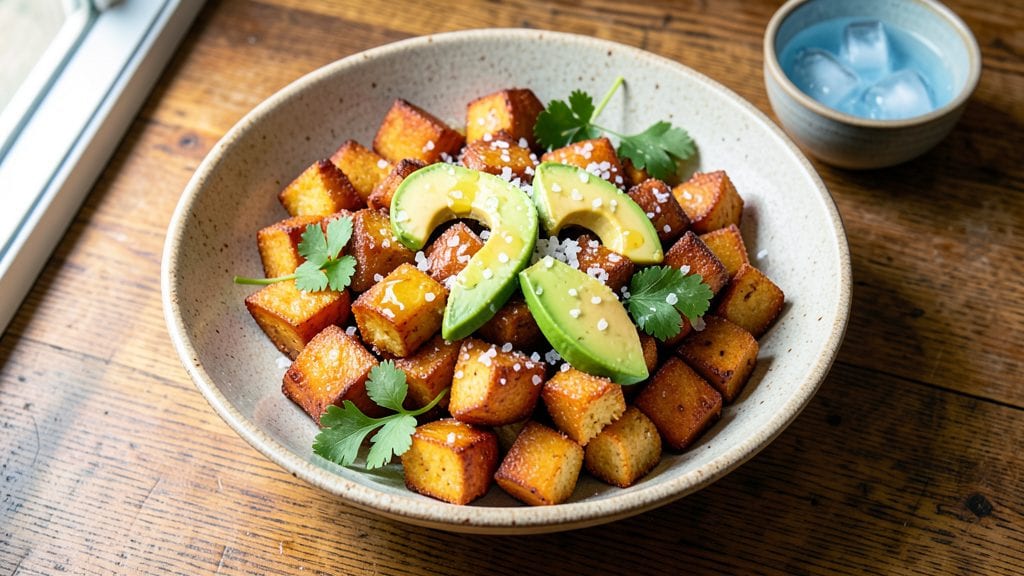
This fried red potatoes recipe delivers the perfect balance of vinegar-kissed crunch and fluffy pink centers—a technique I perfected after years of trial and error in restaurant kitchens.
The secret lies in precise cutting, proper oil temperature, and a vinegar rinse that amplifies flavor without overpowering the natural sweetness of the potatoes. When done right, each bite offers that satisfying contrast: crispy golden edges giving way to tender, pillowy interiors.
The process is straightforward but demands attention to detail—starting with uniform ½-inch cubes that cook evenly, followed by a 30-minute soak in cold water to remove excess starch (this is non-negotiable for crispiness).
I use avocado oil for its high smoke point, but any neutral oil with a similar rating works. The vinegar rinse before frying isn’t just for flavor; it creates a subtle tang that cuts through the richness of the fried potatoes, making every bite more dynamic.
What you’ll end up with is a restaurant-quality side dish that pairs beautifully with steak, chicken, or even a hearty burger. The potatoes emerge with a golden-brown crust that shatters at the touch, while the interior remains soft and buttery.
A sprinkle of flaky sea salt and fresh parsley right before serving elevates the dish from good to extraordinary. This isn’t just a side—it’s the star of the plate.
Whether you’re serving a crowd or treating yourself to a simple weeknight meal, these potatoes are foolproof once you master the technique. The key is patience—don’t rush the frying, and keep the oil temperature steady.
Trust the process, and you’ll have a dish that’s crispy, flavorful, and impossible to resist. Let’s get started on making them.
Ingredients for fried red potatoes
Four essential ingredients and a few kitchen tricks transform humble red potatoes into crispy, vinegar-kissed perfection.
| Ingredient | Amount | Notes |
|---|---|---|
| Red Potatoes 🥔 | 2 lb | Russet or Yukon Gold alternative |
| Avocado Oil 🫒 | 3 cups | High smoke point preferred |
| White Vinegar 🍶 | ½ cup | Apple cider vinegar alternative |
| Flaky Sea Salt 🧂 | 1 tbsp | Maldon or Diamond Crystal preferred |
| Fresh Parsley 🌿 | ¼ cup | Chopped, for garnish |
| Ice Water 💧 | 4 cups | Cold for soaking |
| Garlic Powder 🧄 | 1 tsp | For added depth |
| Ground Black Pepper 🌶️ | ½ tsp | Freshly ground preferred |
| Vegetable Oil 🫒 | 1 cup | Backup oil option |
The potatoes are non-negotiable—red potatoes (like Red Bliss) hold their shape and color best, but Yukon Golds work too if that's what's on hand. Grab a 2-pound bag from the grocery store's produce section, or hit the farmers market for the freshest cut. The key is uniformity: aim for ½-inch cubes (about the size of a walnut half) so they cook evenly. Trader Joe's sells pre-cut frozen red potatoes if you're desperate for time, but fresh is always better. Look for potatoes that are firm and free of soft spots—they should feel heavy for their size, a sign of moisture and freshness. Store them in a cool, dark place until ready to use, but don’t refrigerate them or they’ll turn sweet and mealy.
No avocado oil? Vegetable or canola oil works just fine—just make sure it’s neutral in flavor and has a high smoke point (375°F or higher). The vinegar is where the magic happens: white vinegar gives that classic tang, but apple cider vinegar adds a subtle sweetness that’s worth trying. Fresh parsley is ideal for garnish, but dried parsley at half the amount will do in a pinch. The garlic powder and black pepper are optional but add depth—skip them if you’re serving kids or want to keep it simple. Pro tip: Don’t skip the ice water soak. It removes excess starch, which is the enemy of crispiness. Let the cubes sit for at least 30 minutes—this is non-negotiable for that perfect crunch.
These potatoes are best served immediately after frying, but if you need to reheat, 350°F oven for 10 minutes works—though they won’t be quite as crispy. Store any leftovers in an airtight container for up to 2 days, though I rarely have any. The oil can be reused once if you strain it through a fine-mesh sieve, but for the best results, use fresh oil each time. Freezing isn’t recommended—they’ll turn mushy. If you’re prepping ahead, cut the potatoes and store them in water in the fridge for up to 2 days, then drain and pat dry before frying. Trust me, the extra 10 minutes of soaking is worth it for that restaurant-quality crunch.
Why You'll Love This Recipe
- I swear by this: just potatoes, oil, and a splash of vinegar. That’s it. The avocado oil gives them a golden crunch without tasting greasy, and the vinegar? It’s the secret that keeps them from turning soggy.
- Two-Ingredient Magic: I swear by this: just potatoes, oil, and a splash of vinegar. That’s it. The avocado oil gives them a golden crunch without tasting greasy, and the vinegar? It’s the secret that keeps them from turning soggy.
- Crispy-Creamy Obsession: Here’s what sold me—those potatoes hit just right: shatteringly crisp outside, pillowy soft inside. The flaky sea salt and fresh parsley? They turn a simple side into something that feels fancy, even when it’s not.
- Picnic-to-Party Side: Between us, these work everywhere. Pack them in a jar for a potluck, toss them on a burger night, or serve them as-is when friends drop by. No fuss, no stress—just reliable, crowd-pleasing goodness.
Step-by-step instructions for vinegar-kissed fried red potatoes
Here's how to transform simple red potatoes into crispy, vinegar-brushed bites with fluffy interiors every time.
Soak and Parboil the Potatoes
Begin by thoroughly rinsing the 2 lb red potatoes under cold water, then scrubbing them with a vegetable brush to remove any dirt. Cut them into 1-inch chunks, ensuring each piece is roughly the same size for even cooking. Place the cut potatoes in a large bowl and cover completely with the 4 cups ice water. Let them soak for 15 minutes - this removes excess starch that would otherwise make them gummy.
After soaking, drain the potatoes in a colander and transfer them to a large pot. Add enough cold water to cover them by 1 inch, then bring to a boil over high heat. Once boiling vigorously, reduce heat to medium and cook for 8-10 minutes until the potatoes are tender when pierced with a fork but still hold their shape. Drain immediately and rinse under cold water to stop the cooking process and remove any surface starch.
Create the Vinegar Oil Mixture
In a large mixing bowl, combine the 3 cups avocado oil with the 0.5 cup white vinegar, 1 tsp garlic powder, and 0.5 tsp ground black pepper. Whisk vigorously for 30 seconds to emulsify the mixture - you'll see it become slightly cloudy as the vinegar disperses evenly throughout the oil. This acidic oil mixture is what creates that signature tangy crunch you're after.
Let the oil mixture sit at room temperature for 10 minutes while you prepare the potatoes. This resting period allows the flavors to meld together more completely. The vinegar will help tenderize the potato edges while the garlic powder adds subtle depth that pairs perfectly with the crispy exterior. Don't skip this step - the flavor development is crucial for that restaurant-quality taste.
Fry the Potatoes in Batches
Heat the 1 cup vegetable oil in a deep skillet or Dutch oven over medium-high heat until it reaches 350°F. You'll know it's ready when a wooden chopstick inserted into the oil bubbles vigorously around the edges. Working in batches of about 2 cups of potatoes at a time (to avoid overcrowding), carefully add the parboiled potatoes to the hot oil.
Fry the potatoes for 5-6 minutes, stirring occasionally with a slotted spoon, until they're golden brown on all sides. They should float to the surface when ready - this indicates they're properly cooked through. Remove them with the slotted spoon and drain on a wire rack or paper towels to remove excess oil. The potatoes should be crispy on the outside but still tender inside with a slight give when pressed.
Finish with Vinegar Oil and Season
Return the fried potatoes to the skillet and reduce heat to low. Immediately pour the vinegar oil mixture over them, tossing gently to coat each piece evenly. Cook for an additional 2-3 minutes, just until the potatoes absorb the flavorful oil and develop that signature vinegar kiss. The acidity will help set the crispy exterior while adding that bright, tangy flavor that cuts through the richness.
Transfer the potatoes to a serving platter and sprinkle generously with the 1 tbsp flaky sea salt and 0.25 cup chopped fresh parsley. The salt enhances all the flavors while the parsley adds a fresh, herbal note that balances the dish. Serve immediately while the potatoes are still crispy - they'll lose their crunch as they cool. These potatoes make a fantastic side dish for grilled meats or work beautifully as a standalone appetizer with a dollop of sour cream.
Pro Tips For Making Fried Red Potatoes
- CUT THEM SMALLER: I learned this the hard way—tiny chunks (about ½-inch cubes) fry faster and crispier than thick slices. Big pieces steam inside while the outside burns, and nobody wants sad, greasy potatoes.
- SALT THE WATER: Toss the potatoes in boiling salted water (1 tbsp salt per gallon) for 5 minutes first. This seasons them deep and keeps them from tasting bland even after frying—trust me, the difference is real.
- DON’T CROWD THE PAN: Fry in batches if needed—overloading makes the oil temperature drop, turning your crispy dream into soggy disappointment. A single layer in hot oil is all you need.
- VINEGAR AT THE END: Skip the vinegar until the very last second—it’s not for cooking, it’s for brightening. Toss the hot potatoes with a splash (1 tbsp per pound) right after frying to wake up the flavors without making them taste raw.
Common mistakes when making this recipe
Overcrowding the Pan
Frying too many potatoes at once is the fastest way to turn crispy bites into soggy lumps. I’ve learned this lesson the hard way—when you overcrowd the pan, the oil temperature drops dramatically, and steam builds up instead of creating that beautiful golden crust.
Stick to 2 cups of potatoes per batch in a 12-inch skillet or Dutch oven. If you’re using a smaller pan, reduce the batch size further. The potatoes need room to move freely in the oil to develop that perfect crunch. 🔥
Skipping the Soak
This is a non-negotiable step, folks. Skipping the 30-minute ice water soak means excess starch will remain on the potato surfaces, leading to gummy, gluey potatoes instead of crispy ones. The starch acts like a glue, preventing the formation of that satisfying crunch.
I’ve tried cutting corners here, and trust me—it’s a mistake. Even if you’re in a rush, at least do a 15-minute soak to make a difference. The cold water also helps set the edges for better browning.
Incorrect Oil Temperature
Using oil that’s too cool will leave you with greasy, undercooked potatoes, while oil that’s too hot burns the outside before the inside cooks through. The sweet spot is 350°F, which gives you that perfect balance of crispy exterior and fluffy interior.
Invest in a good instant-read thermometer—I recommend the Thermoworks Thermapen—to monitor the temperature accurately. If the potatoes aren’t browning evenly, your oil might be too cool. Let it heat up a bit more before adding the next batch.
Not Draining Properly
Leaving fried potatoes to sit in oil after they’re done cooking is a surefire way to turn them greasy and limp. Always transfer them to a wire rack or paper towels to drain excess oil immediately.
I like to use a slotted spoon to lift them out gently and let the oil drip off completely. If you’re in a hurry, you can pat them dry with paper towels, but a rack works best for even draining.
This step is crucial for maintaining that crispy texture right up until serving.
Using the Wrong Potato
While red potatoes are ideal for this recipe, swapping in starchy potatoes like Russets will give you a completely different (and less desirable) texture. Russets break apart easily and lack the waxy, firm quality that makes red potatoes perfect for frying.
If you’re out of red potatoes, Yukon Golds are your next best bet—they hold their shape better than Russets but still offer a nice buttery flavor. Avoid fingerling potatoes, which are too small and won’t yield enough volume for a satisfying side dish.
Rushing the Process
Patience is key when frying potatoes. Rushing the cooking time or skipping the resting period after frying leads to uneven doneness and a loss of crispiness. Let the potatoes cook until they’re golden brown and float to the surface—this usually takes 5-6 minutes per batch.
After frying, give them a minute or two to rest before serving so the flavors meld together. I’ve seen home cooks pull potatoes out too soon, only to have them turn soggy by the time they hit the plate.
Trust the process, and you’ll be rewarded with perfect results every time. 💡
Nutrition facts
Frequently asked questions
Can I use regular potatoes instead of red potatoes?
Red potatoes are ideal for their waxy texture and firm flesh, but you can use Yukon Golds as a close substitute. Avoid starchy potatoes like Russets—they'll break apart and turn mushy when fried. For best results, stick with red or Yukon Gold potatoes to maintain that perfect crispy-yet-tender texture.
How do I keep the fried potatoes crispy when serving?
Serve them immediately after frying while they're still hot. If you need to hold them briefly, place on a wire rack instead of a plate to allow air circulation. For leftovers, reheat in a 350°F oven for 10 minutes—though crispiness won't be as perfect as fresh. The vinegar rinse helps preserve crunch longer than plain fried potatoes.
What's the best oil for frying red potatoes?
Use a high-smoke-point oil like avocado oil, vegetable oil, or canola oil. Avocado oil gives the best flavor, while vegetable oil is more budget-friendly. Avoid olive oil—its low smoke point causes burning. Keep oil temperature at 350°F for perfect results.
Can I make these potatoes ahead of time?
Cut the potatoes and store them in cold water in the fridge for up to 2 days before frying. For best texture, soak them for 30 minutes in fresh cold water right before cooking. Never refrigerate cut potatoes dry—they'll turn discolored and mealy.
What are some good toppings for these potatoes?
Try flaky sea salt, chopped parsley, smoked paprika, or a sprinkle of Parmesan cheese. For extra flavor, toss with lemon zest or a dash of hot sauce. The vinegar-kissed flavor pairs well with creamy dips like sour cream or Greek yogurt.