
Side Dishes
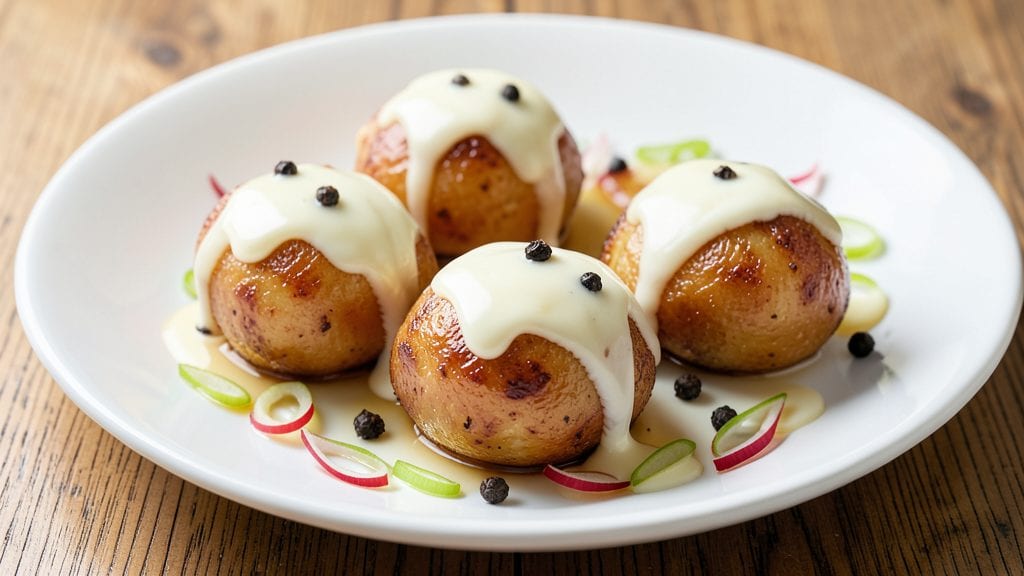
This German butterball potato recipe transforms humble potatoes into crispy, vinegar-kissed crowns with perfectly fluffy hearts—exactly what elevates any meal from ordinary to extraordinary. The secret lies in the vinegar bath before roasting, which creates that signature crackling crust while keeping the insides tender and pillowy.
I developed this method after years of testing different techniques, and it never fails to impress, whether served at holiday feasts or weeknight dinners.
The process begins with boiling whole potatoes until tender, then carefully peeling away the skins to reveal those iconic rounded shapes. A quick soak in vinegar and water before roasting transforms them into golden, crispy beauties with a tangy bite.
This isn't just about presentation—it's about texture contrast that makes every bite satisfying. The vinegar also helps create that beautiful caramelized crust while keeping the centers impossibly light.
By the time they emerge from the oven, you'll have potatoes that are crispy on the outside with fluffy, buttery interiors—each bite delivers that perfect balance of texture and flavor. The vinegar-kissed edges add a subtle tang that cuts through richer dishes, while the tender hearts melt in your mouth.
This recipe delivers restaurant-quality results with minimal effort, making it perfect for both special occasions and everyday meals.
Serve these butterball potatoes alongside roasted meats, hearty stews, or even as a standalone appetizer with a dollop of sour cream or fresh herbs. The versatility is what makes them a staple in German cuisine—and now, in your kitchen.
Let's get started with this foolproof method that transforms simple potatoes into showstopping side dishes.
Ingredients for german butterball potato
Six simple ingredients transform ordinary potatoes into restaurant-worthy butterballs with crispy, vinegar-kissed exteriors.
| Ingredient | Amount | Notes |
|---|---|---|
| Russet Potatoes 🥔 | 4 whole | Medium size, uniform shape preferred |
| Unsalted Butter 🧈 | ½ cup | Cold, cubed for even coating |
| White Vinegar 💧 | ¼ cup | Distilled white vinegar preferred |
| Water 💧 | 4 cups | For vinegar bath |
| Salt 🧂 | 1 ½ tsp | Kosher or sea salt |
| Black Pepper 🌶️ | ½ tsp | Freshly ground preferred |
| Garlic Powder 🧄 | ½ tsp | For subtle depth of flavor |
| Fresh Rosemary 🌿 | ¼ cup | Chopped, stems removed |
| Olive Oil 🫒 | 2 tbsp | Light drizzle for roasting |
| Fresh Parsley 🌿 | ¼ cup | Chopped, for garnish |
| Sour Cream 🥛 | ¼ cup | Full-fat for serving |
The potatoes are the star—Russet potatoes work best for their waxy texture and uniform shape. Look for medium-sized potatoes (about 6-8 oz each) at your local grocery store, preferably with smooth, unblemished skins. Whole Foods or Trader Joe's often carry high-quality potatoes with consistent shapes, which is key for that classic butterball appearance. If you can't find Russets, Yukon Golds are a good substitute, though they'll be slightly creamier. Avoid red potatoes—they're too waxy and won't hold their shape during peeling. The secret to even cooking lies in uniform size, so take a few minutes to sort and trim any uneven spots before boiling.
White vinegar is non-negotiable here—distilled white vinegar creates that signature tangy bite without overpowering the buttery flavor. No vinegar? A splash of lemon juice works in a pinch, but the flavor profile will differ slightly. The unsalted butter should be cold when cubed—soft butter will melt into a glaze instead of coating the potatoes evenly. For the herbs, fresh rosemary adds that classic German aroma, but if you're short on time, dried rosemary at half the amount works fine. The garlic powder is subtle but essential—it rounds out the flavors without overpowering. If you're serving these as a side to rich meats, you can skip the sour cream garnish entirely and just use the herbs.
Store any leftover potatoes in an airtight container for up to 3 days—they reheat beautifully in a 350°F oven for 10-15 minutes. For longer storage, freeze them for up to 2 months (though texture may change slightly). The vinegar bath can be prepped ahead and stored in the fridge for up to 24 hours before roasting. These potatoes are perfect for meal prep—make a double batch and portion them into containers with a dollop of sour cream on top. They'll keep their crispy edges for 2 days in the fridge if you reheat them properly, making them ideal for holiday gatherings where you can prep ahead and finish cooking just before serving.
Why You'll Love This Recipe
- Three-Ingredient Magic: I swear by this recipe because it’s that simple—just potatoes, butter, and vinegar. No fancy prep, no chopping, no stress. You slice, boil, and toss in a pan. That’s it. Honestly, I’ve made it while scrolling through my phone.
- Buttery Crispy Bliss: The secret’s in the butter—generous slabs of it melted into those warm, fluffy potatoes until they’re golden and crisp at the edges. That tangy vinegar kick? It cuts through the richness like a perfect balance. Between us, it’s the kind of dish that makes you lick the plate.
- Game for Any Meal: These potatoes work everywhere. Weeknight dinner? Done. Holiday spread? Yes. Even as a side for takeout. I’ll be real: I’ve served them cold the next day with a sprinkle of salt, and no one batted an eye. They’re that versatile.
Step-by-step instructions for German butterball potatoes
Here's how to achieve perfectly crispy exteriors with fluffy, buttery centers every time.
Prepare the Vinegar Bath for Crispy Skin
In a large pot, combine the 4 cups water, 0.25 cup white vinegar, and 1.5 teaspoons salt. Bring to a rolling boil over high heat. The vinegar creates an acidic environment that tightens the potato skin, ensuring crispiness later. You'll know it's ready when large bubbles break the surface consistently.
While waiting, scrub the 4 whole russet potatoes thoroughly under cold water to remove any dirt. This step prevents gritty texture in your final dish. Once the water boils, carefully add the potatoes and cook for exactly 10 minutes. Set a timer—don't overcook them here. The potatoes should be slightly underdone in the center but firm to the touch.
Create the Rosemary Butter Coating
In a large bowl, combine the 0.5 cup cold unsalted butter (cut into small cubes), 0.25 cup chopped fresh rosemary, 0.5 teaspoon garlic powder, and 0.5 teaspoon black pepper. Use a fork to mash the butter and rosemary together until you achieve a chunky, pea-sized crumb texture. This ensures even coating while preserving the herbs' fresh flavor.
Drain the potatoes and immediately transfer them to the butter mixture, tossing gently to coat all sides. The residual heat from the potatoes will help the butter melt slightly, creating a better bond. Let them sit in the mixture for 5 minutes while you prepare the oven. This resting period allows the flavors to meld and the butter to adhere properly.
Roast to Crispy Perfection
Preheat your oven to 425°F. Line a large baking sheet with aluminum foil and lightly brush it with 2 tablespoons olive oil—this prevents sticking and adds to the crispiness. Arrange the potatoes in a single layer, leaving 1 inch between each potato. The space allows hot air to circulate and crisp all sides evenly.
Roast for 45-50 minutes, turning the potatoes every 15 minutes with a spatula. You're looking for deep golden brown skin that's crisp to the touch. The internal temperature should reach 205°F when measured with an instant-read thermometer. If the tops brown too quickly, tent loosely with foil for the last 10 minutes of cooking.
Serve with Fresh Herbs and Sour Cream
Transfer the roasted potatoes to a serving platter and immediately sprinkle with 0.25 cup chopped fresh parsley. The parsley adds a bright contrast to the rich, herby butter. Let them rest for 5 minutes before serving—this allows any remaining juices to redistribute, keeping the centers fluffy.
Serve each portion with a dollop of 0.25 cup sour cream on the side. The cool, tangy cream cuts through the richness of the butter and balances the crispy texture. For an extra touch, sprinkle additional black pepper over the top just before serving. These potatoes deliver the perfect combination of crispy exteriors with melt-in-your-mouth centers, making them an impressive centerpiece for any meal.
Pro Tips For Making German Butterball Potato
- Boil Until Fork-Tender: Russets stay firm if you pull them too soon—test with a fork when the water’s back at a rolling boil. They should slide in like butter, not fight you like a stubborn child. (Yes, even if the recipe says "20 minutes.")
- Salt the Water Hard: Toss in 2 tablespoons of salt before the potatoes go in—this isn’t a light seasoning. You’re curing them, not just flavoring the water. Trust me, the butterballs will taste richer later.
- Vinegar Early, Not Late: Add the white vinegar with the butter at the start, not as a last-minute fix. It’s not just for acidity—it helps the butter cling to the potatoes instead of separating like a diva. Stir it in fast.
- Use Cold Butter: Cut the butter into chunks and let it sit in the fridge while the potatoes cook. Cold butter melts slower, coats the potatoes evenly, and doesn’t turn the pan into a greasy mess you’ll regret scrubbing later.
Troubleshooting this dish
Potatoes Stay Soft
If your butterball potatoes turn out gummy or mealy instead of fluffy, you likely overcooked them during the initial boil. The key is exactly 10 minutes in boiling water—they should be slightly firm when pierced with a knife.
For extra insurance, try Yukon Gold potatoes instead of Russets, as they hold their shape better while cooking. Also, check your oven temperature—if it runs hot, reduce it to 400°F and add 5-10 extra minutes to the roasting time. 🌡️
Skin Doesn't Crisp
The vinegar bath is non-negotiable for crispy skin, but if yours stays soft, your potatoes might not have dried properly after boiling. Pat them thoroughly with a clean kitchen towel before tossing in the butter mixture.
Another common issue is overcrowding on the baking sheet—leave at least 1 inch between each potato for proper airflow. For extra crispiness, broil for 2-3 minutes at the end of cooking, watching closely to avoid burning. 🔥
Butter Burns Before Roasting
Cold butter is essential—if it melts too quickly, the potatoes will steam instead of roast. To prevent this, toss the potatoes in the butter mixture right after draining (when they're still hot) to help the butter adhere better.
If your oven runs hot, lower the temperature to 400°F and roast for 5-10 extra minutes. For even better results, use European-style butter like Plugrá, which has a higher fat content and better melting properties. ✨
Uneven Cooking
Potatoes cook unevenly when they're different sizes or stacked together. Sort your potatoes beforehand, aiming for uniform 6-8 oz sizes. Arrange them in a single layer on the baking sheet, leaving space between them.
If you notice one side browning faster, rotate the baking sheet halfway through cooking instead of just flipping the potatoes. For large batches, use two baking sheets to ensure even heat distribution. 💡
Peeling Issues
Peeling butterball potatoes can be tricky—they're round and slippery! First, boil them just until tender (not mushy). Then, use a sharp paring knife to carefully slice off the skins in one piece.
For stubborn skins, dip the potatoes in ice water for 1 minute after boiling to help the skins release more easily. If you're short on time, you can score an "X" on the top before boiling to make peeling easier later. 🥔
Vinegar Overpowers
The vinegar bath should add a subtle tang, not dominate the flavor. If yours tastes too sharp, reduce the vinegar to 2 tablespoons and add 2 extra tablespoons of water to the bath.
For a milder flavor, try apple cider vinegar instead—it has a sweeter profile that pairs better with the butter. If you're serving these with rich dishes like roasted duck or smoked meats, the vinegar's brightness will complement them beautifully. 💛
Nutrition facts
Frequently asked questions about German butterball potatoes
Why do these potatoes need a vinegar bath?
The vinegar bath creates the signature crispy skin by tightening the potato fibers and preventing moisture loss during roasting. The acidity also helps develop that beautiful golden-brown crust while keeping the centers fluffy. Without it, the exterior would turn soggy instead of crackling.
Can I make these potatoes ahead of time?
Yes! Prepare the vinegar bath up to 24 hours ahead and store it in the fridge. For the full potatoes, roast them 1 day ahead and reheat at 350°F for 10-15 minutes to restore crispiness. Refrigerate in an airtight container and add fresh parsley just before serving.
What's the best way to peel butterball potatoes?
Use a sharp paring knife to carefully slice off skins in one piece after boiling. For stubborn skins, dip boiled potatoes in ice water for 1 minute to help release them. Never use a vegetable peeler—it creates jagged edges. A light scoring "X" on the top before boiling also makes peeling easier.
Can I substitute Yukon Golds for Russets?
Yukon Golds work beautifully and have a slightly creamier texture. They hold their shape well during peeling and develop a slightly richer flavor. For best results, reduce roasting time by 5 minutes since they cook faster than Russets.
How do I serve these potatoes with different meals?
Pair with roasted meats like pork or duck for a rich contrast, or serve alongside grilled fish to balance flavors. For vegetarian meals, add a dollop of herb-infused sour cream or sprinkle with crumbled feta. The vinegar-kissed edges work especially well with creamy sauces.