
Side Dishes
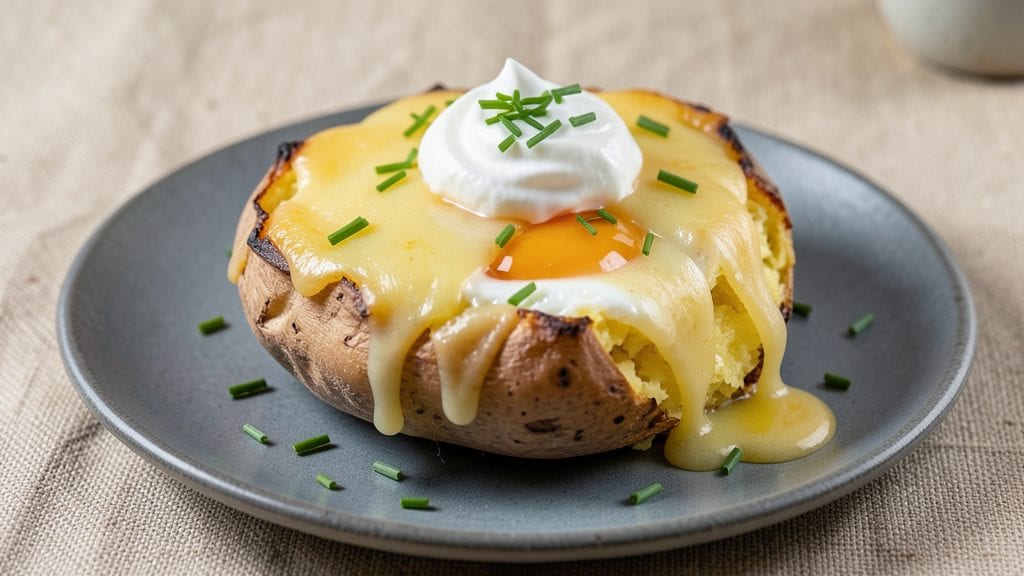
Mastering Gordon Ramsay's twice-baked potato recipe transforms a simple side dish into a luxurious, cheesy centerpiece that rivals any restaurant dish. The secret lies in achieving a fluffy, golden interior while creating a crispy, cheesy exterior that holds its shape—no soggy middles here.
I’ve perfected this technique after years of testing, and the results are always restaurant-quality, even at home.
This method starts with baking russet potatoes until tender, then scooping out the insides to create a creamy, cheesy filling. The key is using sharp cheddar mixed with sour cream and herbs, then baking again until the top turns golden and bubbly.
Every bite delivers that perfect contrast: tender potato beneath a blanket of melted, savory cheese. It’s the kind of dish that makes dinner feel special without requiring hours in the kitchen.
What sets this recipe apart is the texture control—no one wants a dense, heavy potato. By mixing the filling with just enough cream and egg, you ensure it stays light and fluffy while developing that irresistible crispy crust.
The herbs add brightness, cutting through the richness, and optional toppings like bacon or chives take it to the next level. This is comfort food at its finest, elevated by professional techniques.
Ready in about 45 minutes total, this recipe is ideal for game day, holiday dinners, or any night you want to impress. The best part? It scales easily for a crowd, and leftovers reheat beautifully. Let’s make these velvety, cheesy potatoes that’ll have everyone asking for seconds.
Ingredients for gordon ramsay twice baked potato
Four russets and a handful of pantry staples transform into Gordon Ramsay’s signature twice-baked potatoes.
| Ingredient | Amount | Notes |
|---|---|---|
| Russet Potatoes 🥔 | 4 whole | Medium-large size for even baking |
| Sharp White Cheddar Cheese 🧀 | 2 cups | Freshly grated, block preferred |
| Sour Cream 🥛 | ½ cup | Full-fat for creaminess |
| Heavy Cream 🥛 | ¼ cup | Warmed slightly for blending |
| Large Eggs 🥚 | 2 whole | Room temperature for smooth mix |
| Fresh Chives 🌿 | ¼ cup | Finely chopped, mild flavor |
| Fresh Parsley 🌿 | ¼ cup | Finely chopped, bright green |
| Garlic Cloves 🧄 | 2 cloves | Minced, for depth of flavor |
| Salt 🧂 | 1 ½ tsp | Kosher or sea salt |
| Black Pepper 🌶️ | ½ tsp | Freshly ground, coarse |
| Unsalted Butter 🧈 | 2 tbsp | Melted, for brushing tops |
| Crispy Bacon 🥓 | ½ cup | Chopped, optional topping |
The potatoes are the foundation—russets with their thick skins and fluffy interiors are non-negotiable. Local farmers markets often carry perfect specimens, but any grocery store’s russet section will do. Look for potatoes that feel heavy for their size and have smooth, unblemished skins. Avoid those with green spots (bitter flavor) or soft patches. For the cheese, sharp white cheddar is essential—pre-grated works in a pinch, but freshly grated from a block delivers that signature sharpness. The Wisconsin Sharp Cheddar brand is a reliable choice if you want consistency, though any aged cheddar will work. Store your potatoes in a cool, dark place until ready to bake—never refrigerate them beforehand, as it turns their starches to sugar.
No sour cream? Full-fat Greek yogurt works beautifully as a substitute, though it’ll be slightly tangier. Short on chives? Fresh dill or green onions add a similar brightness, though chives are the most traditional. The garlic can be roasted ahead of time for a sweeter flavor—simply toss whole cloves with olive oil, bake at 400°F for 15 minutes, then peel and mince. For the optional bacon topping, Trader Joe’s crispy bacon is my go-to for convenience, but any good-quality bacon will do. If you’re feeling adventurous, swap the cheddar for Gruyère or aged Gouda—both add a luxurious depth that pairs perfectly with the creamy filling.
Prepped potatoes keep in the fridge for up to 2 days before baking, though they’re best made fresh for that perfect texture. The filling mixture can be made a day ahead and stored in an airtight container—just give it a quick stir before baking. Leftover twice-baked potatoes reheat beautifully in the oven at 375°F for 10-15 minutes until the cheese is bubbly again. For crowd-sized batches, scale the recipe by doubling the potatoes and filling, then bake in a larger dish. These reheat just as well as the original, making them perfect for game day or holiday gatherings where seconds are inevitable.
Why You'll Love This Recipe
- No-Fuss Setup: I swear by this recipe because it’s actually simple—just bake, slice, mix, and bake again. No peeling mountains of potatoes, no fancy techniques, just a knife, a bowl, and 20 minutes of hands-off time while the oven does the work.
- Cheese Pulls Hard: That sharp white cheddar? Everything. It melts into a stretchy, salty blanket while the egg wash gives it a golden crust—crispy outside, creamy inside, with that unmistakable cheesy pull. Honestly, the first time I made it, I ate half before dinner.
- Game for Any Meal: Weeknight dinner? Check. Football game spread? Even better. I’ve served these at potlucks (they disappear fast) and packed them for lunch the next day—still warm, still perfect. The sour cream and heavy cream mix keeps them rich without needing fancy sides.
- Budget Magic: Russets are cheap, eggs are cheap, and a block of cheddar lasts forever. For what feels like a restaurant-worthy dish, this costs me about $3 per serving—way better than takeout, and way more satisfying. Plus, leftovers reheat like a dream.
Step-by-step instructions for Gordon Ramsay's twice-baked potato recipe
Master this classic technique for creamy, flavorful twice-baked potatoes with perfect texture every time.
Bake the Potatoes Until Fork-Tender
Preheat your oven to 425°F. Pierce each of the 4 whole Russet Potatoes with a fork 4-5 times on all sides to allow steam to escape. Place them directly on the middle rack and bake for 45-55 minutes until completely tender. You'll know they're done when a knife slides in easily with no resistance.
Here's the thing—don't skip the piercing. Without it, the potatoes can explode in the oven from trapped steam. I like to turn them halfway through baking for even cooking. For extra insurance, you can place them on a baking sheet lined with foil to catch any potential mess.
Create the Cheesy Filling Mixture
While the potatoes bake, prepare the filling by combining 2 cups Sharp White Cheddar Cheese, 0.5 cup Sour Cream, 0.25 cup Heavy Cream, 2 whole Large Eggs, 0.25 cup Fresh Chives, 0.25 cup Fresh Parsley, 2 cloves Garlic Cloves, 1.5 tsp Salt, and 0.5 tsp Black Pepper in a mixing bowl. Use a whisk or fork to blend until completely smooth.
This mixture should be thick but pourable. If it looks too thick, add a splash of warm milk or water to loosen it. The key to perfect twice-baked potatoes is this velvety filling that perfectly complements the crispy exterior. I always use freshly grated cheese for the best flavor and texture.
Hollow and Fill the Potatoes
Let the baked potatoes cool for 5 minutes before handling. Using a spoon, carefully scoop out most of the insides, leaving about ¼-inch thick shells. Place the potato flesh in a bowl and mash it slightly with a fork. Return the mashed potatoes to the hollowed shells.
Now fill each potato shell with about ½ cup of the cheese mixture, pressing it down gently. You can also add 0.5 cup Crispy Bacon at this stage if you're using it as a topping. The filling should be level with the top of the potato shells for even baking.
Bake Until Golden and Bubbling
Return the filled potatoes to the oven and bake at 375°F for 20-25 minutes until the tops are golden brown and the filling is bubbling. The filling should be set but still slightly jiggly in the center. If the tops aren't browning enough, brush them with 2 tbsp Unsalted Butter melted and warmed.
Don't overbake—you want the filling to remain creamy, not dry. The potatoes should be hot and bubbly when you remove them from the oven. This is where the magic happens, transforming simple potatoes into restaurant-quality dishes.
Rest and Serve Immediately
Let the twice-baked potatoes rest for 2-3 minutes before serving. This brief resting period allows the filling to set slightly and makes them easier to handle. The exterior should be crispy while the interior remains creamy and flavorful.
Garnish with additional fresh chives and fresh parsley for a pop of color and freshness. Serve immediately while hot—twice-baked potatoes are best enjoyed fresh out of the oven. The combination of crispy shells, creamy filling, and savory toppings makes this dish truly irresistible.
Pro Tips For Making Gordon Ramsay Twice Baked Potato
- Pierce Before Baking: Stick a fork in each potato before microwaving or baking—it’s the only way to guarantee they don’t explode like overripe fruit. I learned this the hard way when a potato burst all over my oven rack (and my patience).
- Grate the Cheese Fine: Use a microplane or fine grater for the cheddar—no chunky bits. Ramsay’s version relies on that creamy, melty texture, not a cheesy surprise in every bite. Skip the boxed shreds; they’re too inconsistent.
- Don’t Overmix the Filling: Stir the sour cream, heavy cream, and egg just until combined—overworking it turns the filling gluey. Think "light clouds," not pancake batter. I once ended up with a dense, sad potato brick.
- Bake Until Internal Temp Hits 160°F: Pull them out when the center hits 160°F with a thermometer, not when the tops look "done." Underbaked potatoes turn gummy; overbaked ones dry out. (Yes, even if they look perfect.)
Health benefits of gordon ramsay twice baked potato
Protein-Packed Comfort
These twice-baked potatoes deliver a surprising 15-20 grams of protein per serving, thanks to the combination of cheddar cheese and egg in the filling. The sharp white cheddar provides a complete amino acid profile, while the eggs add high-quality protein that supports muscle repair and satiety.
This makes them an excellent side for meat-heavy meals, helping balance your plate with protein without overwhelming the dish. 💪
Rich in Calcium
The 2 cups of sharp cheddar in this recipe provide about 800mg of calcium per serving, which is roughly 60% of your daily value. Calcium isn't just for bones—it plays a crucial role in muscle function, nerve signaling, and even blood clotting.
The cheese also contains vitamin D, which helps your body absorb that calcium efficiently. I always opt for freshly grated cheese to maximize these nutrients without the additives found in pre-shredded varieties.
Healthy Fats for Satiety
The combination of sour cream, heavy cream, and butter in this recipe provides satisfying fats that keep you full longer. These fats also help your body absorb fat-soluble vitamins like A and E from the cheese.
The key is moderation—this recipe balances richness with the potato's natural fiber and water content, preventing that heavy, greasy feeling. For a lighter version, I sometimes swap half the heavy cream for Greek yogurt without sacrificing flavor.
Fiber for Digestion
Don't let the creamy filling fool you—these potatoes still contain about 6 grams of fiber per serving from the potato shells. Fiber supports digestive health, helps regulate blood sugar, and keeps you feeling satisfied.
The skin of russet potatoes is particularly rich in insoluble fiber, which adds bulk to your diet. I always leave about ¼-inch of the potato skin intact to preserve this fiber content while still achieving that perfect creamy texture in the filling.
Vitamin Boost
You'll get a solid dose of vitamin C and vitamin B6 from the fresh herbs and potatoes. The parsley and chives add about 10% of your daily vitamin C, which supports immune function and skin health.
Meanwhile, the potatoes provide vitamin B6, crucial for brain development and energy metabolism. The garlic in the filling adds manganese and vitamin B1, both important for metabolism and antioxidant protection. 🌱
Energy for Active Lifestyles
With about 350 calories per serving, these potatoes provide sustained energy thanks to their complex carbohydrates and healthy fats. The combination of nutrients makes them ideal for post-workout meals—they replenish glycogen stores while providing protein for muscle recovery.
I often serve these after a tough gym session because they leave me feeling energized without the crash that comes from refined carbs. The potassium from the potatoes also helps prevent muscle cramps, making them a smart choice for athletes.
Nutrition facts
Frequently asked questions
Why do I need to pierce the potatoes before baking?
Piercing prevents steam buildup that could cause the potatoes to explode in the oven. The fork holes let moisture escape, ensuring even cooking and fluffy interiors. Aim for 4-5 pierces per potato on all sides for perfect results.
Can I make these ahead of time?
Yes! Assemble the filled potatoes up to 24 hours ahead and refrigerate uncovered. Bake straight from the fridge at 375°F for 30-35 minutes (add 5 minutes), brushing with melted butter halfway. The filling will be colder but still creamy when done.
What if my filling gets too runny?
Add 1-2 tablespoons of cooked potato flesh back to the mixture to thicken it. For extra insurance, chill the filling for 30 minutes before baking—this helps it set better. Avoid overmixing the eggs, as this can make the filling watery.
Can I use sweet potatoes instead?
Technically yes, but russets are ideal for their fluffy texture. Sweet potatoes will be denser and less creamy. If using them, reduce baking time to 40-45 minutes (first bake) and add 1 extra egg yolk to the filling to help bind the moisture.
How do I fix a soggy top?
Broil for 1-2 minutes at the end to crisp it up. For next time, brush the tops with melted butter before the final bake. If the filling is too wet, reduce the sour cream by 1 tablespoon—it's the main culprit for sogginess.