
Desserts
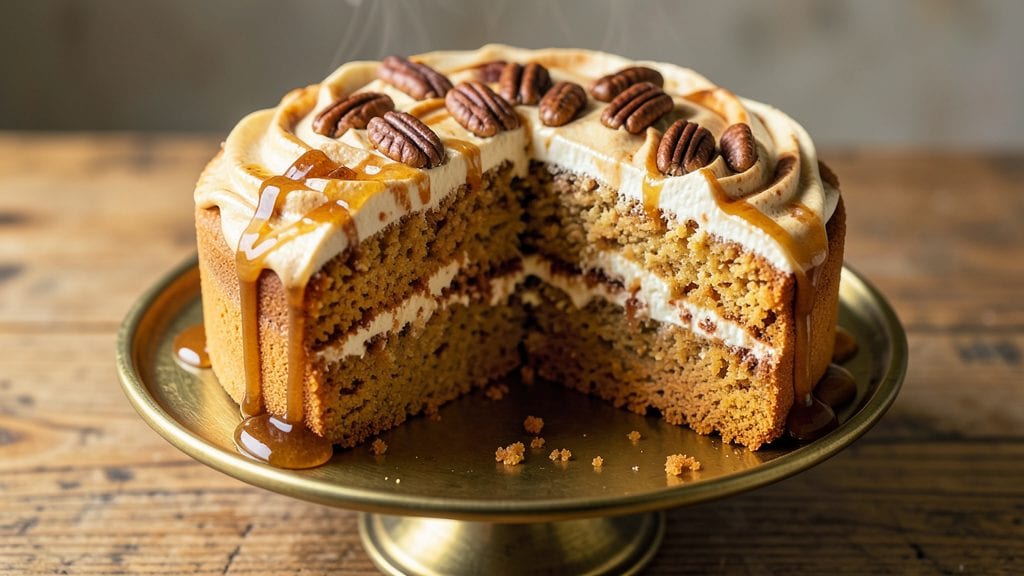
Grandma's famous sweet potato butter cake recipe delivers the perfect balance of spiced moistness and rich buttery layers that vanish in seconds. The secret lies in blending sweet potatoes with brown sugar and warm spices like cinnamon and nutmeg, creating a tender crumb that stays fresh for days.
I first tasted this cake at my grandmother's kitchen table, where the aroma of baking sweet potatoes filled the air—now it's my go-to recipe for holidays and special occasions.
This cake isn't just moist—it's velvety and packed with natural sweetness from the sweet potatoes, which also add a subtle earthiness that pairs beautifully with the buttery frosting.
The recipe uses simple ingredients you likely already have on hand, including all-purpose flour, baking soda, and of course, plenty of butter for that signature richness. Baking at 350°F ensures even cooking while maintaining that perfect texture.
What makes this recipe truly special is how the flavors develop as it bakes—caramelized sweet potatoes mingle with warm spices, while the frosting layer melts into every bite for a decadent finish.
The frosting, made with butter and powdered sugar, adds a smooth contrast that makes each slice irresistible. It's the kind of cake that disappears quickly, leaving only crumbs and satisfied smiles.
Whether you're serving it at a family gathering or simply treating yourself, this cake delivers restaurant-quality results with minimal effort. The recipe scales easily for larger crowds, and the frosting can be adjusted to suit your preferences—vanilla, chocolate, or even a simple powdered sugar dusting. Let's get baking!
Ingredients for grandma's famous sweet potato butter cake
Simple pantry staples blend into velvety sweet potato cake with rich buttery frosting layers.
| Ingredient | Amount | Notes |
|---|---|---|
| Sweet Potatoes 🍠 | 2 cups | Canned, drained and mashed smooth |
| All-Purpose Flour 🌾 | 2 ½ cups | Sifted for even texture |
| Granulated Sugar 🍚 | 1 ½ cups | Standard white sugar |
| Brown Sugar 🍯 | 1 cup | Packed firmly for sweetness |
| Unsalted Butter 🧈 | 1 ½ cups | Room temperature, full-fat |
| Large Eggs 🥚 | 4 whole | Room temperature for best mixing |
| Baking Soda 🧂 | 1 tsp | Pure baking soda |
| Ground Cinnamon 🌿 | 2 tsp | Freshly ground preferred |
| Ground Nutmeg 🍃 | ½ tsp | Freshly grated nutmeg |
| Ground Cloves 🌶️ | ¼ tsp | Freshly ground for warmth |
| Salt 🧂 | 1 tsp | Fine sea salt |
| Vanilla Extract 💧 | 2 tsp | Pure vanilla extract |
| Powdered Sugar 🍚 | 3 cups | For frosting, sifted |
| Heavy Cream 🥛 | ½ cup | Cold for frosting stability |
Sweet potatoes are the heart of this cake. Canned sweet potatoes save time, but fresh—roasted until tender—adds depth. I prefer Libby's canned sweet potatoes for consistent texture. The spices are key: freshly ground cinnamon and nutmeg make all the difference. For the frosting, powdered sugar from Domino dissolves smoothly, while heavy cream should be cold for a stable finish. Avoid pre-grated nutmeg; it loses potency quickly.
No canned sweet potatoes? Roast fresh sweet potatoes until fork-tender—about 45 minutes at 400°F. Swap brown sugar for white sugar plus 1 tsp molasses if needed. For a lighter cake, replace half the all-purpose flour with cake flour. The frosting can be adjusted: add vanilla bean paste for extra flavor or lemon juice for brightness. If heavy cream isn't available, whipped topping works in a pinch.
Store baked cake in an airtight container at room temperature for 3-4 days or refrigerate for up to 1 week. The frosting softens in warmth, so bring it to room temperature before serving. For longer storage, freeze the unfrosted cake for up to 3 months. Thaw overnight in the fridge, then frost. The cake reheats beautifully in a 300°F oven for 10 minutes to restore its softness.
Why You'll Love This Recipe
- Sweet Potato Magic: The mashed sweet potatoes add natural sweetness and moisture—no extra eggs or oil needed. Honestly, I’ve tried other cakes that dry out, but this one stays tender for days.
- Butter-Kissed Richness: That brown sugar and butter combo? It’s like a warm hug in cake form. The sweet potatoes blend seamlessly with the flour and sugars, creating a texture that’s almost like a cross between pound cake and a spice cake.
- Weeknight or Celebration: I make this for lazy Sundays or last-minute birthday cakes—same recipe, zero guilt. The frosting (if you add it) is simple, but the cake stands alone if you’re in a rush.
- Budget-Friendly Staples: Sweet potatoes and flour are cheap, and you’ll use butter you already have. Between us, this recipe saved me $15 last month compared to store-bought cakes, and it’s way better.
Step-by-step instructions for grandma's famous sweet potato butter cake
Here's how to recreate that legendary moist texture and spiced sweetness layer by layer.
Prepare the Sweet Potato Base
Drain and mash the 2 cups of canned sweet potatoes until completely smooth—no lumps should remain. I like to press through a fine-mesh sieve for extra silkiness. The goal is to create a velvety purée that will blend seamlessly with the wet ingredients. This step is crucial for that signature moistness that keeps the cake tender for days.
In a separate bowl, whisk together the 1.5 cups of granulated sugar, 1 cup of packed brown sugar, and the 2 teaspoons of vanilla extract until fully dissolved. The sugars should form a smooth syrup that will help balance the natural sweetness of the sweet potatoes. This mixture should be ready to combine once your sweet potato purée has cooled slightly to room temperature.
Mix Wet Ingredients and Combine
In a large mixing bowl, combine the sweet potato purée with the 1.5 cups of room temperature unsalted butter. Cream these together using an electric mixer on medium speed for 2-3 minutes until light and fluffy. You'll see the mixture nearly double in volume as air is incorporated—this creates that tender crumb we're after. If the butter hasn't softened properly, you'll end up with a dense cake instead of the moist texture we want.
Add the 4 whole large eggs one at a time, mixing well after each addition. Then stir in the sugar mixture you prepared earlier. The batter should be thick but pourable at this stage. If it looks too stiff, don't worry—it will come together once we add the dry ingredients. The key here is to mix just until combined to avoid developing gluten that would make the cake tough.
Incorporate Dry Ingredients
In a separate bowl, sift together the 2.5 cups of all-purpose flour, 1 teaspoon of baking soda, 2 teaspoons of ground cinnamon, 0.5 teaspoon of ground nutmeg, 0.25 teaspoon of ground cloves, and 1 teaspoon of salt. The spices should be evenly distributed throughout the flour mixture. This combination creates that signature warm, aromatic flavor that makes this cake special.
With the mixer on low speed, gradually add the dry ingredients to the wet mixture. Mix just until the flour is incorporated—you should still see some streaks of flour. Overmixing develops gluten, which would make the cake tough instead of moist. This is where patience pays off. The batter should be thick but smooth, with a consistency similar to pancake batter. If it looks too dry, add 1-2 tablespoons of milk (though we're not using it here, the principle applies).
Bake to Golden Perfection
Preheat your oven to 350°F. Grease and flour two 9-inch round cake pans or line them with parchment paper. Divide the batter evenly between the pans and smooth the tops. Bake for 30-35 minutes, or until a toothpick inserted into the center comes out clean. The cakes should be golden brown on top but still slightly springy to the touch—this indicates they're done.
I always check for doneness at the 28-minute mark, as ovens vary. The cakes should have a slightly domed top with a crack running through the center—this is normal and actually enhances the texture. Let the cakes cool in the pans for 10 minutes before transferring to a wire rack to cool completely. The cooling process is essential for setting the cake structure properly before frosting.
Prepare the Buttercream Frosting
In a large mixing bowl, beat the 3 cups of powdered sugar with the 0.5 cup of cold heavy cream until smooth. Add the remaining 0.5 cup of unsalted butter, cut into small pieces, and beat until fully incorporated and fluffy. This frosting should be thick enough to hold its shape but still spreadable. If it's too stiff, add 1 teaspoon of milk at a time until you reach the desired consistency.
Spread the frosting between the two cooled cake layers and over the top and sides. I like to use a long spatula for smooth coverage. The frosting should be about 1/4-inch thick between layers. Chill the cake for 30 minutes before serving to let the frosting set properly. This step ensures clean slices and prevents the frosting from sliding off when you cut into it.
Pro Tips For Making Grandma'S Famous Sweet Potato Butter Cake
- Boil Sweet Potatoes Until Fork-Tender: I learned this the hard way—mashing undercooked sweet potatoes leaves gummy, uneven texture. Test with a fork: it should slide in like butter. Overboiling turns them mushy, so aim for 15-20 minutes (depending on size), then drain and mash while still hot.
- Use Cold Butter for Layers: Skip cutting the butter into the dry flour first—it creates a tough cake. Instead, mix the wet ingredients (including melted butter) with the flour, then fold in cold butter cubes at the end. This keeps the crumb tender and rich without overworking the batter.
- Don’t Overmix the Batter: After combining wet and dry ingredients, stop as soon as flour disappears. Overmixing develops gluten, making the cake dense. A few lumps are fine—Grandma’s version had just enough to hold together without being heavy.
- Bake in Two Rounds: This cake’s dense texture benefits from a slower rise. Bake the first round for 20 minutes, then swap with the second. The center stays moist longer, and the top browns evenly without burning. (Yes, it’s extra work, but the payoff is worth it.)
Regional styles of this grandma's famous sweet potato butter cake
Southern Comfort Style
In the South, this cake often gets a deep, spiced twist with an extra ½ teaspoon of allspice and a pinch of black pepper for warmth. I remember my grandmother adding a ½ cup of chopped pecans to the batter for crunch, especially in Virginia where pecan trees thrive.
The frosting is sometimes replaced with whipped cream cheese frosting—just mix 8 oz cream cheese, ½ cup butter, and 3 cups powdered sugar—for a tangy contrast that balances the sweet potatoes beautifully. 🌿
Midwest Homestyle Twist
Up north, families often swap the frosting for a simple glaze made with 1 cup powdered sugar and 2 tablespoons milk, brushed over the warm cake. In Minnesota, I’ve seen this cake baked in a tube pan instead of rounds, creating a pull-apart center that’s perfect for gatherings.
The spices here tend to be less intense—just cinnamon and nutmeg—with a focus on vanilla bean for depth. A sprinkle of toasted coconut flakes on top adds a tropical touch that surprises everyone. 🥥
New England Spiced Variations
New England bakers love to boost the warmth with cardamom (¼ teaspoon) and gingersnap crumbs pressed into the cake pans before baking. The frosting often includes orange zest for brightness, reflecting the region’s love of citrus.
I’ve made this version with molasses instead of brown sugar—just replace the brown sugar with ½ cup molasses and reduce the granulated sugar by ¼ cup—for a deeper, almost caramel-like flavor. Serve with a dollop of whipped cream for extra indulgence. 🍊
Modern Gluten-Free Adaptation
For a gluten-free version, replace the all-purpose flour with a 1:1 gluten-free baking flour like Bob’s Red Mill. Add ½ teaspoon xanthan gum to improve texture, and reduce the spices slightly—gluten-free baked goods can taste more intense.
The frosting stays the same, but I’ve found that chilling the cake longer (up to 1 hour) helps it hold together better. This adaptation works surprisingly well and keeps all the cozy, spiced flavors intact. 💪
Holiday-Inspired Additions
During the holidays, I love adding chopped candied ginger or dried cranberries to the batter for festive pops of color and texture. For a Christmas twist, swap the frosting for white chocolate ganache—melt 8 oz white chocolate with ½ cup heavy cream, then drizzle over the cake.
Top with crushed peppermint** for a minty holiday finish. These variations keep the cake’s signature moistness while celebrating the season. ✨
Nutrition facts
Frequently asked questions
Can I substitute fresh sweet potatoes for canned in this recipe?
Yes! Roast 2 medium fresh sweet potatoes (about 1.5 pounds) at 400°F for 45 minutes until tender, then mash them completely. Fresh sweet potatoes add deeper flavor but may require slightly more sugar (½ cup extra granulated sugar) to balance their natural sweetness.
Why does my cake turn out dense instead of moist?
Overmixing the batter or using cold butter are common culprits. Always cream the butter and sweet potatoes until light and fluffy (2-3 minutes), and mix dry ingredients just until combined. Another fix: reduce flour by ¼ cup or add 1 extra egg for extra moisture. The cake should be tender, not crumbly.
How can I make this cake gluten-free?
Replace all-purpose flour with a 1:1 gluten-free baking flour (like Bob's Red Mill) plus ½ teaspoon xanthan gum. Reduce spices slightly (½ teaspoon less) since gluten-free cakes can taste more intense. Chill the batter 30 minutes before baking for better texture. The frosting remains the same.
What's the best way to store leftover cake?
Keep it in an airtight container at room temperature for 3-4 days or refrigerate for up to 1 week. For longer storage, freeze the unfrosted cake for 3 months. Thaw overnight in the fridge, then frost. Reheat slices at 300°F for 10 minutes to restore softness. The frosting softens in warmth, so bring it to room temperature before serving.
Can I use oil instead of butter in the frosting?
Not recommended—the frosting relies on butter for its signature richness and texture. However, for a lighter option, you could replace ¼ cup butter with ¼ cup neutral oil, but the frosting will be less stable. The cake's moistness comes from the sweet potatoes and butter in the batter, not the frosting.