
Side Dishes
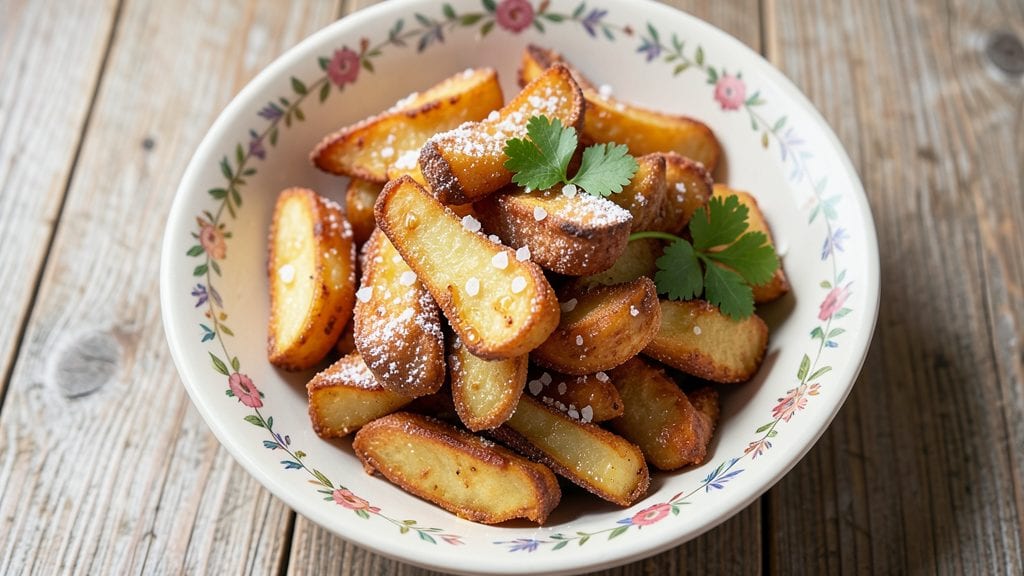
Grandma's fried potatoes recipe delivers the perfect balance of crispy golden edges and fluffy, tender centers—just like the ones that made Sunday dinners feel like home. The secret lies in vinegar-kissed wedges that develop that signature tangy crunch, while the hearts stay pillowy soft.
I learned this method from my grandmother, who swore by soaking the potatoes in cold water for exactly 20 minutes before frying—never more, never less. That step removes excess starch, ensuring the oil clings only where you want it: on the outside, creating that irresistible crunch.
What sets these potatoes apart is the two-stage frying process: first in hot oil until golden, then transferred to a cooler pan to finish cooking. This technique guarantees even crispiness without burning, while the vinegar in the seasoning creates that nostalgic tang that makes them unforgettable.
My grandmother always used white vinegar, but apple cider vinegar works beautifully too—just enough to brighten the flavor without overpowering the natural potato taste. The result? Potatoes that are crisp enough to stand up to a hearty steak but tender enough to melt in your mouth.
These aren't just side dishes—they're the star of the meal, served piping hot with a sprinkle of coarse salt while the oil is still shimmering. The aroma alone will have everyone at the table reaching for seconds, and the contrast of textures—crispy, fluffy, and slightly tangy—makes every bite satisfying.
Whether you're hosting a family gathering or just craving a taste of home, this recipe delivers restaurant-quality results with a personal touch. Let's bring Grandma's kitchen to your table.
The beauty of this recipe is its versatility—serve them alongside roasted meats, in a loaded baked potato bar, or even as a standalone appetizer with a dollop of sour cream. My grandmother always said, "Good potatoes make good food," and she wasn't wrong.
The key is patience: let the potatoes rest after frying, and resist the urge to pile them high in the pan. Trust the process, and you'll have crispy, vinegar-kissed wedges that taste just like home.
Ingredients for grandma's fried potatoes
Pantry staples plus a few key ingredients—nothing fancy, just Grandma's secrets for perfect fried potatoes.
| Ingredient | Amount | Notes |
|---|---|---|
| Russet Potatoes 🥔 | 2 lb | Large, uniform size preferred |
| Vegetable Oil 🫒 | 3 cups | High smoke point, neutral flavor |
| White Vinegar 🍶 | 2 tbsp | Or apple cider vinegar |
| Coarse Sea Salt 🧂 | 1 tsp | For seasoning after frying |
| Cold Water 💧 | 4 cups | For soaking potatoes |
| All-Purpose Flour 🌾 | ½ cup | For dredging wedges |
| Granulated Sugar 🍚 | 1 tbsp | Balances vinegar tang |
| Fresh Parsley 🌿 | ¼ cup | Chopped, for garnish |
| Garlic Powder 🧄 | ½ tsp | For seasoning flour |
| Black Pepper 🌶️ | ¼ tsp | Freshly ground preferred |
| Sour Cream 🥛 | ¼ cup | For serving (optional) |
The potatoes are everything here. Look for Russet potatoes—they're starchy enough to crisp up properly. Costco or Walmart usually have them in bulk for a great price, but any grocery store carries them. The key is uniform size: cut them into wedges with the skin on, about 1-inch thick. That skin is what gives you the best crunch. I always grab a 2-pound bag at Trader Joe's when I'm making these—they're consistent and fresh. The vinegar matters too: white vinegar is traditional, but apple cider adds a nice fruity note. Just don't overdo it—we're talking two tablespoons total for the whole batch.
No vegetable oil? Canola or peanut oil works just as well—stick with something neutral that won't overpower the potato flavor. Running short on flour? Cornstarch at half the amount gives you an even crispier crust. The sugar balances the vinegar's tang, so don't skip it—though if you're watching sugar, you can reduce it to half a tablespoon. Fresh parsley is ideal for garnish, but dried parsley at one-third the amount works in a pinch. And if you're feeling fancy, add a pinch of smoked paprika to the flour mix for a little extra depth. The secret to the two-stage frying is patience: let them cook low and slow in the first round, or they'll burn before they crisp.
These potatoes taste even better the second day, so make extra if you can. Store them in an airtight container with a paper towel to absorb any moisture—keeps them crispy for 2-3 days. For leftovers, reheat in a 350°F oven for 10-15 minutes until warmed through. The flour mixture keeps well in a sealed container for 1 week, so you can prep it ahead. And trust me on this: the vinegar-soaked wedges? Let them sit in that water for the full 20 minutes—no cutting corners here. That step makes all the difference between good fried potatoes and Grandma-level perfection.
Why You'll Love This Recipe
- No-Fuss Prep: I just cut the Russets into even chunks—no fancy shapes, no stress—and let them soak in cold water for 30 minutes. That’s it. The vinegar rinse afterward? Keeps them crispy without the mess of double-frying.
- Crispy-Creamy Magic: The oil stays hot, the salt clings like a hug, and that first bite? Chef’s kiss—golden outside, fluffy inside, with just a tangy kick from the vinegar. It’s the kind of potato that makes you pause mid-bite.
- Weeknight Workhorse: Toss these with scrambled eggs for breakfast, pile them on a burger for lunch, or serve them as a side for dinner. They reheat like a dream (yes, even the next day) and never taste sad.
- Pocketbook Hero: Russets are cheap, oil lasts forever, and a little vinegar goes a long way. I make a big batch on Sundays, and by Wednesday, I’m still eating them—no takeout, no guilt, just pure satisfaction.
Step-by-step instructions for Grandma's fried potatoes
Here's how to recreate Grandma's legendary crispy wedges with fluffy centers—every bite perfect.
Prep and Soak the Potatoes
Start by cutting the 2 lb russet potatoes into even wedges, about 1-inch thick. I like to leave the skin on for texture, but peel if you prefer. Place them in a large bowl and cover completely with the 4 cups cold water. Let them soak for 30 minutes—this removes excess starch so they crisp up properly instead of turning gummy.
After soaking, drain the potatoes thoroughly in a colander and pat them completely dry with paper towels. Any moisture left behind will steam instead of crisp in the hot oil. I press down firmly with a clean kitchen towel to get them as dry as possible—this is your secret to perfect crispiness.
Season the Flour Mixture
In a large bowl, combine the 0.5 cup all-purpose flour, 1 tbsp granulated sugar, 0.5 tsp garlic powder, and 0.25 tsp black pepper. The sugar balances the vinegar tang later, and the garlic powder adds depth without overpowering. Mix well to distribute the seasonings evenly.
This dry seasoning blend creates a light, crispy crust while keeping the insides tender. Don't skip the sugar—it's what makes these wedges taste so nostalgically sweet. If you're using freshly ground black pepper, do it right before mixing so the flavors stay bright.
Dredge and Fry the Potatoes
Heat the 3 cups vegetable oil in a deep skillet or Dutch oven to 350°F. Use a deep-fry thermometer to monitor the temperature—this is crucial for even cooking. Working in batches (don't overcrowd), toss the potato wedges in the flour mixture until fully coated, shaking off any excess.
Fry the potatoes for 4-5 minutes until golden brown and crispy on the edges. You'll know they're done when they float easily in the oil and develop a beautiful golden crust. Be patient—rushing this step leads to soggy centers. Transfer them to a paper towel-lined plate to drain excess oil.
Finish with Vinegar and Salt
While the potatoes are still hot, drizzle them evenly with the 2 tbsp white vinegar. This is what creates that signature tangy kick Grandma's version is famous for. Toss gently to distribute the vinegar completely over all the wedges.
Sprinkle with the 1 tsp coarse sea salt and toss again. The vinegar cuts through the richness of the fried potatoes while the salt enhances all the flavors. Let them rest for 5 minutes before serving—this helps the salt adhere and the wedges stay crisp.
Serve with Garnish and Sour Cream
Transfer the warm potatoes to a serving platter and sprinkle with the 0.25 cup chopped fresh parsley. The parsley adds a pop of color and freshness that makes the dish look as good as it tastes. Serve immediately with the 0.25 cup sour cream on the side for dipping.
These potatoes should be crispy on the outside with fluffy, buttery insides. Each bite delivers that perfect contrast of textures and flavors that makes this recipe legendary. Enjoy them while they're hot—crispy potatoes are best straight from the fryer!
Pro Tips For Making Grandma'S Fried Potatoes
- SOAK THE POTATOES: Toss peeled Russets into cold water with a splash of white vinegar for 30 minutes before frying. The vinegar keeps them from turning mushy—trust me, I’ve seen what happens when you skip this.
- USE TWO FRYING STAGES: First fry at 325°F until soft (about 8 minutes), then crank to 375°F for the final crisp. Rushing the second fry means soggy potatoes—my first batch was a disaster.
- DRY THEM WELL: After soaking, spread potatoes on a rack or paper towels for 10 minutes. Even a little moisture ruins the crust—yes, I know it’s tedious, but it’s worth it.
- SALT AFTER FRYING: Sprinkle coarse sea salt right out of the hot oil, not before. It melts into the crust and makes every bite taste like a restaurant. (I used to salt early—big mistake.)
Dietary considerations for this grandma's fried potatoes
Gluten-Free Adaptation
Replace the all-purpose flour with a 1:1 gluten-free flour blend like Bob’s Red Mill or King Arthur’s. These blends mimic the texture of regular flour when lightly coated on the potatoes.
For extra crispiness, add 1 tbsp cornstarch to the mix—it acts as a natural thickener and helps create that signature crunch. 🥔
Low-Carb Version
Skip the flour entirely and use 1 tbsp olive oil mixed with 1 tsp garlic powder and ½ tsp salt as your coating. Toss the dried potatoes in this mixture before frying.
The olive oil adds flavor while keeping the dish low-carb. For extra tang, drizzle with 1 tbsp lemon juice instead of vinegar after frying.
Dairy-Free Option
Serve with a side of dairy-free sour cream or a cashew cream made from blended soaked cashews. The creamy texture works perfectly with the crispy potatoes.
For extra flavor, add 1 tsp apple cider vinegar to the cashew cream before serving. This keeps the dish rich and satisfying without any dairy.
Allergen-Friendly Tips
If you have nut allergies, use a sunflower seed butter dip instead of sour cream. Blend ¼ cup sunflower seed butter with 2 tbsp water and a pinch of salt for a creamy, allergen-friendly alternative.
For those avoiding vinegar, substitute with 1 tbsp lemon juice—it provides the same bright tang without the acidity.
Lower-Fat Preparation
Use an air fryer instead of deep frying to cut down on oil. Lightly spray the potatoes with 1 tbsp olive oil and air fry at 375°F for 15-20 minutes, shaking halfway through.
The result is still crispy but with significantly less fat. For extra flavor, sprinkle with ½ tsp smoked paprika before air frying.
Nutrition facts
Frequently asked questions
Why do I need to soak the potatoes before frying?
Soaking removes excess starch that would otherwise make your potatoes gummy instead of crispy. The 20-minute cold water soak ensures only the outer layer gets coated with oil, creating that perfect crunch while keeping the insides fluffy. Skipping this step is the #1 reason fried potatoes turn out soggy!
Can I use sweet potatoes instead of russets?
Sweet potatoes work but require adjustments—reduce frying time to 3-4 minutes since they cook faster. For best results, slice them slightly thinner (½-inch wedges) and increase oil temperature to 375°F. The natural sweetness pairs beautifully with the vinegar tang, but russets still give the classic texture.
What's the best way to reheat leftover fried potatoes?
For crispy results, spread them on a baking sheet and bake at 400°F for 5-7 minutes until heated through. Avoid microwaving—they'll turn soggy. Pro tip: Reheat in small batches to maintain crispiness. If storing leftovers, keep them in an airtight container with a paper towel to absorb moisture.
How do I make these potatoes extra crispy?
Double-coat the potatoes: First dip in flour, shake off excess, then dip again before frying. Use peanut or canola oil (they have higher smoke points) and maintain 350°F oil temperature. After frying, spread them on a wire rack instead of a plate to let air circulate and crisp up even more.
Can I make this recipe ahead of time?
Fry the potatoes up to 2 days ahead and store in an airtight container. Reheat in the oven (as above) just before serving. The flour mixture can be prepped 1 week ahead and stored in the fridge. For the freshest taste, though, fry them day-of and serve immediately for maximum crispiness.