
Side Dishes
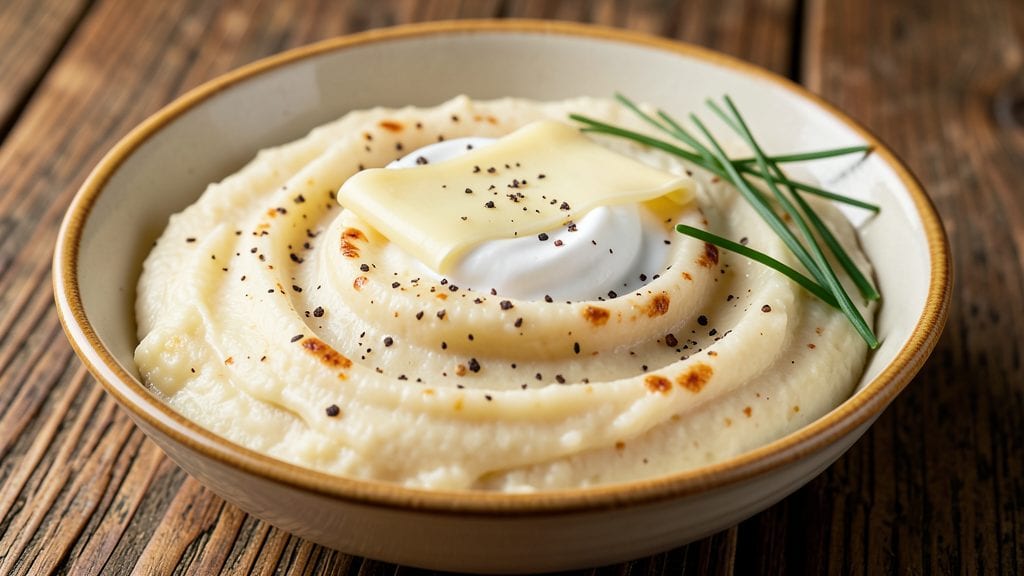
Grandma's old-fashioned mashed potatoes recipe brings warmth and tradition to every holiday table with its buttery smoothness and rustic charm. The secret lies in the slow simmer of Yukon Gold potatoes until they're tender enough to mash by hand—no electric mixers allowed.
I still remember the way my grandmother's kitchen filled with that comforting aroma of warm potatoes and melted butter, a scent that instantly transports me back to childhood.
What sets these mashed potatoes apart is the perfect balance of creamy texture and rich flavor, achieved through a precise method of boiling, draining, and mashing. The key ingredients—high-quality butter and warm milk—create that signature velvety consistency without turning the potatoes gluey.
My grandmother always insisted on using whole milk and unsalted butter, and I've never found a better combination for that authentic taste.
By the time you're done, you'll have a bowl of golden, fluffy mashed potatoes that look as good as they taste—smooth yet slightly rustic, with just the right amount of lumpiness for texture.
The aroma alone will have everyone gathering around the table, and the first bite delivers that perfect harmony of buttery richness and creamy comfort. This is the kind of side dish that turns ordinary meals into memorable gatherings.
Serve these mashed potatoes with your favorite holiday roast or as a comforting side for any family dinner. The recipe includes optional variations like adding roasted garlic or a sprinkle of chives, but the classic version remains timeless. Let's get started on creating this nostalgic centerpiece for your table.
Ingredients for grandma's old fashioned mashed potatoes
Nine simple ingredients bring back childhood kitchen warmth every holiday season.
| Ingredient | Amount | Notes |
|---|---|---|
| Yukon Gold Potatoes 🥔 | 3 lb | Peeled, cut into even chunks |
| Unsalted Butter 🧈 | 1 cup | European-style preferred, cold |
| Whole Milk 🥛 | 1 ½ cups | Warm, not boiling |
| Salt 🧂 | 1 ½ tsp | Diamond Crystal kosher salt |
| Heavy Cream 🥛 | ½ cup | Optional for extra richness |
| Freshly Ground Black Pepper 🌶️ | ½ tsp | Freshly cracked preferred |
| Fresh Rosemary 🌿 | 1 sprig | Optional, finely chopped |
| Roasted Garlic 🧄 | 2 cloves | Optional, mashed |
The potatoes are non-negotiable—Yukon Golds have that perfect waxy texture that holds up to boiling and mashing without turning gluey. I always grab mine from Whole Foods or the organic section at Kroger—they're worth the extra few cents. Skip the pre-peeled bags; peeling and cutting them yourself ensures even cooking. The butter? European-style unsalted like Plugrá or Kerrygold melts into pure flavor without overpowering. If you can't find those, any good-quality unsalted butter works, but don't use salted—you'll need to adjust the salt later. The milk should be whole for that classic richness, and warm but not hot—just enough to melt the butter smoothly.
No heavy cream? Skip it or use an extra splash of milk—the classic version doesn't need it. Fresh rosemary adds a subtle earthy note, but dried works in a pinch (use half the amount). Running short on time? Instant potatoes are a last resort, but they won't have that same velvety texture. The roasted garlic is optional but adds depth—if you're using it, roast a whole head at 400°F for 40 minutes until soft, then mash it with a fork. For the salt, Diamond Crystal kosher dissolves better than table salt, and you'll need it for both seasoning and drawing out moisture. Trust me on the full-fat dairy—low-fat milk or butter will give you a gummy, watery result.
These keep beautifully for 3-4 days in the fridge, though they're best on day one. Reheat gently in the microwave with a splash of warm milk to restore that creamy texture. For leftovers, store in an airtight container with plastic wrap pressed right on the surface to prevent drying. Freezing isn't recommended—they get grainy when thawed. I always make extra for sandwiches the next day (the ultimate comfort food). If you're prepping ahead, boil the potatoes the day before and refrigerate them—just reheat with extra milk and butter when ready to mash.
Why You'll Love This Recipe
- I swear by this combo: Yukon Golds hold their shape, butter melts into velvety richness, and that splash of heavy cream? Chef’s kiss. No fancy gadgets, just peel, boil, mash—done.
- Five-Ingredient Magic: I swear by this combo: Yukon Golds hold their shape, butter melts into velvety richness, and that splash of heavy cream? Chef’s kiss. No fancy gadgets, just peel, boil, mash—done.
- No-Lumpy Guarantee: Between us, I’ve burned mashed potatoes before. But this method—boiling whole potatoes until fork-tender, then mashing with warm milk and butter—gives that silky texture every time. No food processor needed.
- Holiday Hero: Roast beef dinner? Thanksgiving leftovers? These potatoes always steal the show. They reheat beautifully (just add a little extra butter) and pair with anything—even a simple grilled chicken.
Step-by-step instructions for Grandma's old fashioned mashed potatoes
Here's how to achieve that legendary buttery smoothness with rustic charm—just like Grandma used to make.
Prepare and Boil the Potatoes for Perfect Texture
Start by peeling the 3 lb Yukon Gold Potatoes and cutting them into even 1-inch chunks. The key here is consistency—uneven pieces cook at different rates and lead to gummy mashed potatoes. Place them in a large pot and cover with cold water by about 2 inches. Add the 1.5 tsp Salt right away to season the water, which helps flavor the potatoes from the inside out.
Bring the water to a rolling boil over high heat, then immediately reduce to a gentle simmer. Cover the pot and cook for 15-20 minutes until a knife slides in easily with no resistance. The potatoes should be tender but not falling apart—this ensures a smooth mash without excess starch. Drain them well in a colander, shaking to remove all excess water. I like to return them to the pot to keep them warm while I prepare the rest.
Warm the Milk and Melt the Butter Together
While the potatoes cook, warm the 1.5 cups Whole Milk in a small saucepan over medium-low heat until it's steaming but not boiling—you're looking for a temperature where you could just comfortably touch the side of the pan. This warm milk will blend seamlessly with the potatoes without creating lumps. In a separate bowl, cut the 1 cup Unsalted Butter into small cubes and let it sit at room temperature for about 10 minutes to soften slightly, but keep it cool.
Here's where the magic happens: add the softened butter to the warm milk and whisk gently until fully melted and combined. The butter should create a silky, emulsified base that will give your mashed potatoes that velvety, restaurant-quality texture. Keep this mixture warm over low heat while you mash the potatoes—it should stay just below simmering to prevent scorching.
Mash the Potatoes to Silky Perfection
Using a potato masher or ricer (I prefer a ricer for ultra-smooth results), mash the drained potatoes directly in the pot. Don't overwork them—just break them down until they're mostly smooth with a few small lumps remaining. The goal is to retain some texture while creating a creamy base. If you're using a ricer, work in batches to avoid making a mess.
Now, gradually add the warm milk-butter mixture while continuing to mash. Start with about ½ cup at a time, letting it absorb before adding more. This slow incorporation prevents lumps and ensures even distribution of the rich, buttery flavor. Taste as you go and add more milk if needed—you want a light, airy consistency that coats the back of a spoon without being watery.
Incorporate the Finishing Touches
Once the potatoes are mostly smooth and creamy, stir in the 0.5 cup Heavy Cream (if using) for extra richness, followed by the 0.5 tsp Freshly Ground Black Pepper. For that classic Grandma touch, finely chop the 1 sprig Fresh Rosemary and the 2 cloves Roasted Garlic, then fold them into the potatoes. The rosemary adds a subtle piney aroma, while the roasted garlic brings deep, sweet flavor without overpowering.
For the final texture check, taste and adjust seasoning with more salt if needed—Grandma's potatoes were always generously seasoned. The finished mash should be light, fluffy, and smooth with just a hint of rustic character. If it's too thick, whisk in a splash of warm milk; if too thin, let it sit covered for 5-10 minutes to thicken slightly.
Serve Immediately for Maximum Comfort
Transfer the mashed potatoes to a serving bowl and cover with a clean kitchen towel to keep them warm. The beauty of these potatoes is in their immediate serving—they're at their peak when fresh from the pot. For extra drama, pipe them onto a platter or serve family-style in the pot they were made in, just like Grandma always did.
These potatoes pair perfectly with roasted meats, gravy, or even as a standalone dish with a sprinkle of extra black pepper. The secret to their old-fashioned charm lies in the high-quality butter, warm milk technique, and gentle handling—none of that over-mixing or electric mixer nonsense. Serve with confidence, knowing you've just recreated a classic family tradition.
Pro Tips For Making Grandma'S Old Fashioned Mashed Potatoes
- BOIL UNTIL FORK-TENDER: I learned this the hard way—Yukon Golds need to be fully cooked before mashing, or you’ll end up with gritty, uneven texture. Test with a fork when the pan is done: it should slide in like butter. If it fights you, add 5 more minutes. (Yes, even if you’re impatient like me.)
- SALT THE WATER: Skip this, and your potatoes will taste bland no matter how much butter you add. Use 1½ teaspoons salt per pound of potatoes in the boiling water—it seasons the flesh before you even mash. Trust me, your taste buds will notice the difference.
- MASH HOT, NOT BOILING: After draining, let the potatoes steam in the pot for 2 minutes with the lid on. Then, add butter and milk while they’re hot—not scalding, but still steaming. Cold potatoes turn gluey when mashed, and nobody wants that. (Your future self will thank you.)
- WHISK IN THE CREAM: Dumping heavy cream directly into mashed potatoes can break it into curds. Instead, warm the cream slightly (just until it steams) and whisk it in gradually while stirring the potatoes. This keeps them silky, not lumpy. (Sounds weird, but it works.)
Storing and reheating your leftovers
Refrigerator Storage
Store your freshly made mashed potatoes in an airtight glass container with plastic wrap pressed directly onto the surface to prevent drying. Keep them refrigerated at 40°F or below for up to 3-4 days, though they're best enjoyed within the first 24 hours.
The texture may become slightly denser after refrigeration, but a quick reheat restores that creamy perfection. I always use Pyrex storage containers—they’re sturdy and keep the potatoes tasting fresh. 🥄
Freezer Considerations
I don’t recommend freezing mashed potatoes because they tend to develop a grainy texture upon thawing. However, if you must, spread them thinly on a baking sheet, freeze solid, then transfer to a freezer-safe bag with all air removed.
Thaw overnight in the fridge, then reheat gently—expect some texture loss. For best results, stick to refrigeration or make a fresh batch when needed. ❄️
Microwave Reheating
For quick reheating, transfer 1-2 servings to a microwave-safe bowl, cover loosely with a damp paper towel, and heat on 50% power for 1-2 minutes. Stir well, then continue in 30-second intervals until reaching 165°F.
Add 1-2 tablespoons of warm milk or butter to restore creaminess. Avoid overcooking—mashed potatoes dry out fast! 🔥
Stovetop Revival
For the creamiest results, reheat mashed potatoes in a lightly oiled saucepan over low heat. Add 2-3 tablespoons of warm milk or broth to loosen them, stirring constantly until smooth.
Cover for 3-5 minutes to steam gently—this brings back that silky, velvety texture without lumps. Taste and adjust seasoning with a pinch of salt or pepper. 💛
Make-Ahead Boiling
Save time by boiling the potatoes the day before, then refrigerate them peeled and drained in cold water (covered) for up to 2 days. Reheat in their cooking water over medium heat until tender, then mash as directed.
This shortcut keeps the potatoes from drying out while preserving their flavor. Perfect for busy holiday mornings! ⏰
Gravy Pairing Tip
If reheating with gravy, warm the gravy separately and stir it in at the very end. The residual heat helps emulsify the potatoes and gravy for a restaurant-worthy finish.
I like to keep gravy in a small saucepan nearby while reheating—just a splash adds that final touch of comfort. 🍲
Nutrition facts
Frequently asked questions
Why do your mashed potatoes turn out smoother than store-bought?
Grandma's secret lies in the warm milk technique and gentle handling. We warm the milk to 110°F before mixing it with the potatoes, which creates a silky emulsion without lumps. Plus, using a potato ricer instead of a mixer preserves the natural texture while achieving that ultra-creamy consistency.
Can I make these ahead of time for a holiday dinner?
Boil the potatoes the day before and store them peeled and drained in cold water (covered) in the fridge. Reheat in their cooking water over medium heat until tender, then mash as directed. This keeps them from drying out while preserving that classic flavor. Perfect for busy Thanksgiving mornings!
What's the best way to fix gummy mashed potatoes?
If your potatoes turn out too thick or gluey, stir in 1-2 tablespoons of warm milk or butter at a time until you reach a smooth, creamy texture. For extra insurance, make sure your potatoes are fully drained after boiling and don't overmix while mashing.
Can I substitute whole milk with something else?
For the classic version, whole milk is ideal, but you can use half-and-half or heavy cream for extra richness. If you're lactose intolerant, try unsweetened almond milk or oat milk, though the texture will be lighter. The key is using warm dairy to prevent lumps and maintain creaminess.
How do I keep mashed potatoes from drying out when reheating?
Always reheat with extra warm milk or butter—about 1 tablespoon per serving. For best results, use the stovetop method: cover and steam gently over low heat for 3-5 minutes. Microwave reheating works too, but add a damp paper towel to trap moisture. Never reheat dry!