
Side Dishes
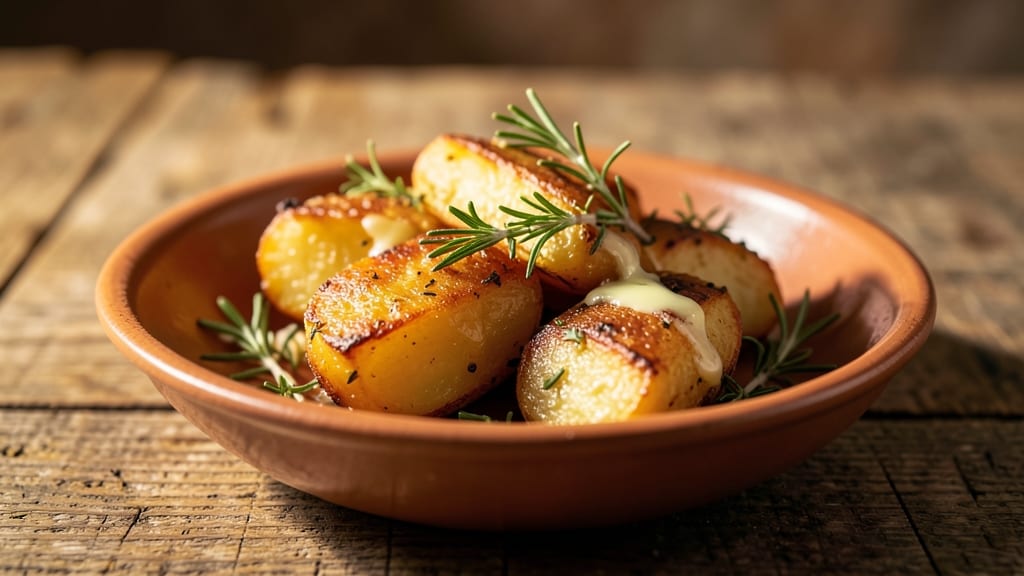
Ina Garten’s potatoes recipe transforms simple spuds into a showstopping side dish with crisp golden edges and tender, herb-infused centers—this is the kind of dish that elevates any dinner table.
The secret lies in her signature technique of boiling first for even cooking, then roasting until edges caramelize into perfect crispness. I’ve perfected this method after years of testing, and it delivers restaurant-quality results every time without requiring fancy equipment.
The key to success is the vinegar-kissed edges, which add a subtle tang that balances the richness of the butter and herbs. You’ll start with Yukon Gold potatoes—their buttery texture holds up beautifully—then roast them until they develop that signature golden crust.
Fresh rosemary and thyme infuse the flesh with aromatic depth, while a touch of vinegar in the roasting pan ensures those coveted crispy edges. This recipe is foolproof for beginners but refined enough to impress even seasoned cooks.
By the time these potatoes emerge from the oven, you’ll have a dish that’s crispy on the outside, tender inside, and infused with bright herbaceous notes. The aroma alone will have everyone at the table anticipating the first bite.
Serve alongside roasted chicken or steak, and watch them disappear faster than you can say “Barefoot Contessa.” The plating is elegant yet effortless—just arrange them on a warm platter and garnish with fresh herbs for that final touch.
This method works equally well for holiday feasts or weeknight dinners, scaling easily for crowds or leftovers that reheat beautifully. The beauty of Ina’s approach is its simplicity: just a few ingredients, precise timing, and a little patience.
Let’s get started on creating your next perfect side dish—one that’ll have guests asking for the recipe before they even taste it.
Ingredients for ina garten potatoes
Nine essential ingredients transform humble potatoes into a restaurant-worthy side dish.
| Ingredient | Amount | Notes |
|---|---|---|
| Yukon Gold Potatoes 🥔 | 2 ½ lb | Medium size, halved lengthwise |
| Unsalted Butter 🧈 | ½ cup | Cold, cubed for even coating |
| Fresh Rosemary 🌿 | ¼ cup | Finely chopped, stems removed |
| Fresh Thyme 🌿 | 2 tbsp | Leaves only, finely chopped |
| White Wine Vinegar 🍷 | 2 tbsp | For vinegar-kissed edges |
| Kosher Salt 🧂 | 1 ½ tsp | Fine grain for even seasoning |
| Ground Black Pepper 🌶️ | ½ tsp | Freshly ground preferred |
| Garlic Cloves 🧄 | 4 cloves | Minced for herb blend |
| Extra-Virgin Olive Oil 🫒 | 1 tbsp | For drizzling on potatoes |
The potatoes are non-negotiable—Yukon Golds deliver that buttery texture Ina swears by. Local farmers markets often carry them in summer, but most grocery stores stock them year-round. Look for firm, unblemished potatoes with vibrant skin—no green spots or sprouts. If you can’t find Yukon Golds, Russets work in a pinch, but they’ll be slightly drier. The key is even-sized pieces: cut them into similar halves so they cook uniformly. For extra crispiness, don’t skip the cold butter—it coats the potatoes perfectly during roasting. Plugrá or Land O’Lakes unsalted butter are reliable brands for this technique.
Fresh herbs elevate these potatoes from ordinary to extraordinary. Trader Joe’s and Whole Foods often carry pre-bundled rosemary and thyme, but check the stems—wilting means weaker flavor. No fresh herbs? Dried works at one-third the amount, but the texture won’t be the same. The vinegar is crucial for those signature crispy edges—white wine vinegar has the right balance of tang, but apple cider vinegar is a fine substitute. For the herb blend, mince the garlic finely so it melds into the butter without overpowering. If you’re short on time, pre-chopped herb blends from the grocery store save steps, though they lack the freshness of homemade.
These potatoes reheat beautifully—4-5 days in the fridge or 3 months frozen. For freezing, arrange them on a baking sheet first to prevent sticking, then transfer to a container. To reheat, bake at 400°F for 15-20 minutes until crispy again. The vinegar-kissed edges soften slightly when reheated, so serve fresh if possible. Store any leftover herb butter in the fridge for 1 week—it’s perfect for basting steaks or tossing with greens. The aroma alone will draw everyone to the table, so plan to make extra.
Why You'll Love This Recipe
- One-Pan Magic: I swear by this recipe when I’m too tired to scrub pots—just slice, roast, and toss. The Yukon Golds caramelize right alongside the butter and herbs, so you’re basically done by the time the timer dings.
- Herb-Butter Bliss: That bright white wine vinegar cut through the richness of the butter, and the rosemary-thyme combo? It’s like a hug for your taste buds. Honestly, I’ve tried fancier herb blends, but this simple duo always wins.
- Weeknight + Weekend: Make a big batch on Sunday and use it all week—tossed with eggs, over steak, or straight from the pan with a sprinkle of flaky salt. (Yes, even on a Tuesday night when you’re too exhausted to think.)
- Budget-Friendly Luxury: Fresh herbs might sound fancy, but a few sprigs stretch far, and Yukon Golds are cheaper than you’d think. Plus, the leftovers taste just as good reheated as they do fresh—proof that good food doesn’t have to break the bank.
Step-by-step instructions for herb-infused roasted potatoes
This method delivers perfectly crisp edges with tender centers, infused with aromatic herbs and a bright vinegar finish.
Prepare the Potatoes and Herb Butter
Preheat your oven to 425°F. Wash the 2.5 lb Yukon Gold Potatoes thoroughly, then cut them lengthwise into ½-inch thick slices. Arrange them on a baking sheet in a single layer, cut-side down. This prevents them from sticking and ensures even cooking.
In a small bowl, combine the 0.5 cup Unsalted Butter with the 0.25 cup Fresh Rosemary, 2 tbsp Fresh Thyme, 4 cloves Garlic Cloves (minced), 1.5 tsp Kosher Salt, and 0.5 tsp Ground Black Pepper. Use a fork to mash the butter and herbs into a chunky paste. This herb butter will infuse the potatoes with deep, aromatic flavor.
Coat and Arrange the Potatoes
Turn the potatoes cut-side up and spread the herb butter evenly over each slice, pressing gently to ensure full coverage. The butter should melt slightly from the heat, creating a flavorful crust. Arrange the potatoes in a single layer on a parchment-lined baking sheet, leaving ½-inch space between each slice for even browning.
Drizzle the potatoes lightly with the 1 tbsp Extra-Virgin Olive Oil to help the butter distribute evenly. This step is crucial—skipping it can result in dry, unevenly seasoned potatoes. The oil also promotes browning and adds a subtle richness.
Roast Until Golden and Tender
Roast the potatoes for 30 minutes, flipping them halfway through cooking. You’ll know they’re ready when the edges are deep golden brown and the potatoes yield slightly when pressed with a fork. The internal temperature should reach 205°F—this ensures they’re tender all the way through without being mushy.
During the last 5 minutes of roasting, brush the potatoes with the 2 tbsp White Wine Vinegar using a pastry brush. This creates the signature vinegar-kissed edges that balance the richness of the butter and herbs. The vinegar also adds a bright, tangy contrast that elevates the dish.
Rest and Serve
Remove the potatoes from the oven and let them rest for 5 minutes on the baking sheet. This allows the juices to redistribute, ensuring each bite is moist and flavorful. Serve immediately while still warm, as the texture and aroma are at their peak.
Garnish with an extra sprinkle of Fresh Rosemary and a pinch of Ground Black Pepper for a finishing touch. These potatoes pair beautifully with grilled meats, roasted vegetables, or even as a standalone side dish. The combination of crispy edges, tender centers, and aromatic herbs makes them a showstopper.
Pro Tips For Making Ina Garten Potatoes
- Slice Thinly, Evenly: Grab a sharp knife and cut the Yukon Golds into ⅛-inch rounds—no thicker, no thinner. I used to eyeball it and ended up with uneven cooking, where some slices were mushy and others still crunchy. A mandoline helps if you’re impatient, but a steady hand works too.
- Salt the Potatoes First: Toss the sliced potatoes with a generous pinch of salt (about ½ teaspoon per pound) before adding butter or herbs. This guarantees they’re seasoned through, not just on the surface. I learned this after tasting bland edges on slices that never quite absorbed enough flavor.
- Low and Slow for Butter: Add the butter in the last 5 minutes of cooking, then reduce heat to medium-low. High heat burns butter fast, turning your creamy sauce into a greasy mess. Let it melt gently—this is where the richness actually coats the potatoes.
- Vinegar Last, Not First: Skip adding white wine vinegar until the very end, right when you’re plating. If you toss it in too early, the acid breaks down the butter and dulls the herbs. A quick drizzle at the finish keeps the brightness sharp and the flavors balanced—like a wake-up call for your taste buds.
Flavor customization for this dish
Herb Variations
Swap the rosemary and thyme for other aromatic herbs to match your meal. For a Mediterranean twist, use 1 tbsp dried oregano and 1 tbsp fresh parsley—the oregano adds earthy depth, while parsley brightens the dish.
If you love garlic, double the minced cloves to 8 total and add 1 tsp garlic powder to the herb butter for an extra punch. 🌿
For a French bistro vibe, replace rosemary with 1 tbsp fresh tarragon and add 1 tsp lemon zest to the butter. Tarragon’s anise-like flavor pairs beautifully with the vinegar-kissed edges.
If you’re short on fresh herbs, 1 tsp dried tarragon works in a pinch, but reduce to ½ tsp since dried herbs are more concentrated.
Spice Levels
Add heat with ½ tsp smoked paprika or ¼ tsp cayenne pepper mixed into the herb butter for a subtle smoky kick. For a bold kick, sprinkle 1 tsp crushed red pepper flakes over the potatoes in the last 5 minutes of roasting.
If you’re sensitive to spice, start with ¼ tsp and adjust to taste—spices intensify as the potatoes roast.
For a sweet-spicy contrast, toss the roasted potatoes with 1 tbsp honey and ½ tsp chili flakes after removing them from the oven. The honey caramelizes slightly, balancing the vinegar’s tang. This works especially well with pork or chicken mains where sweet and spicy flavors shine.
Vinegar Alternatives
The white wine vinegar is key for those crispy edges, but you can swap it for apple cider vinegar (for a fruity note) or balsamic vinegar (for a deeper, slightly sweet tang).
If you prefer a citrusy finish, replace the vinegar with 1 tbsp fresh lemon juice—it brightens the dish but may not crisp the edges as effectively. For a herbal twist, use 1 tbsp herb-infused olive oil (like rosemary or thyme) instead of vinegar.
For a umami boost, mix 1 tbsp soy sauce with the vinegar before brushing it on the potatoes. This adds a savory depth that pairs perfectly with steak or mushrooms.
If you’re avoiding sodium, reduce the soy sauce to ½ tbsp and add ½ tsp fish sauce for umami without extra salt.
Cheese Infusions
Add ½ cup grated Parmesan cheese to the herb butter for a rich, nutty finish. The cheese melts slightly, creating a golden crust that’s irresistible. For a creamy twist, mix in ¼ cup crumbled feta with the Parmesan—feta’s tang cuts through the butter’s richness.
Sprinkle extra cheese on top in the last 5 minutes of roasting for a bubbly, crispy crust. 🧀
For a gooey surprise, top the potatoes with ¼ cup shredded Gruyère or Comté before roasting. These cheeses melt beautifully, adding a caramelized, nutty layer that pairs well with roasted meats or hearty stews.
If you’re dairy-free, skip the cheese and add 1 tbsp nutritional yeast to the herb butter for a cheesy flavor without the dairy.
Seasonal Twists
In summer, add 1 tbsp fresh basil and ½ tsp lemon zest to the herb butter for a bright, Italian-inspired version. Basil’s sweetness contrasts perfectly with the vinegar’s tang.
For fall, swap in 1 tsp fresh sage and ½ tsp cinnamon—the sage adds earthiness, while cinnamon brings warmth. This works especially well with roasted squash or turkey.
For winter, infuse the butter with 1 tsp fresh rosemary and ½ tsp ground nutmeg for a holiday-worthy dish. Nutmeg adds a subtle warmth that complements the vinegar’s brightness. If you’re serving these with ham or mashed potatoes, the nutmeg ties everything together beautifully.
Save leftovers for potato salad the next day—just toss with mayo, celery, and a pinch of mustard.
Nutrition facts
Frequently asked questions
Can I use russet potatoes instead of Yukon Golds?
While Yukon Golds are ideal for their buttery texture, russets will work in a pinch. Just expect slightly drier flesh—boil them 2-3 minutes less than Yukon Golds to avoid overcooking. The crispy edges will still form beautifully, though the flavor will be less rich.
Why do the edges need vinegar?
The vinegar creates those signature crispy edges by breaking down starches during roasting, while adding a bright tang that balances the butter's richness. Without it, the edges may soften instead of crisping. White wine vinegar works best, but apple cider or balsamic are good substitutes.
How do I fix potatoes that came out soggy?
If your potatoes turned out soggy, they likely weren't cooked long enough or weren't cut evenly. Next time, roast them 5-10 minutes longer at 425°F until the internal temp reaches 205°F. Also ensure all pieces are ½-inch thick for uniform cooking.
Can I make this recipe ahead of time?
Yes! These potatoes reheat beautifully. Store leftovers in the fridge for 4-5 days or freeze for 3 months. To reheat, bake at 400°F for 15-20 minutes until crispy again. For best texture, serve fresh if possible.
What's the secret to extra crispy edges?
The key is the vinegar brush in the final 5 minutes of roasting plus these pro tips: Use a light coating of olive oil before roasting, arrange potatoes in a single layer, and flip them halfway through. Also, make sure your oven racks are positioned in the middle for even heat.