
Side Dishes
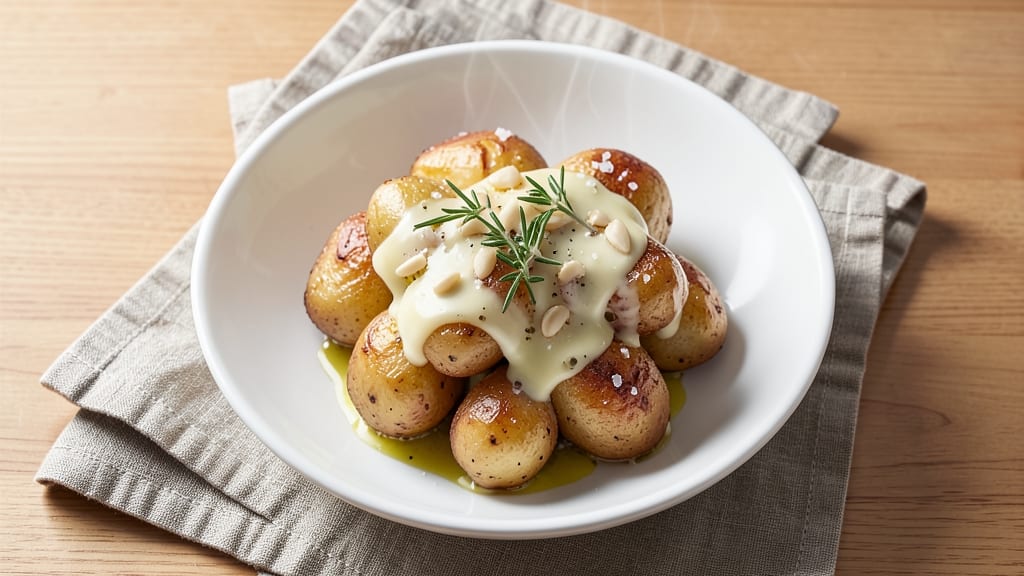
Jamie Oliver’s new potatoes recipe transforms humble baby potatoes into a buttery, herb-infused side dish with crispy edges and tender centers. The secret lies in parboiling followed by roasting with garlic, thyme, and a generous drizzle of olive oil—simple steps that deliver restaurant-quality results.
I’ve adapted this technique to ensure every bite achieves that perfect balance of texture and flavor, just like Jamie’s.
What sets this recipe apart is the foolproof method that guarantees crispy skin without drying out the interior. The potatoes first steam in their skins, locking in moisture before hitting the oven where high heat caramelizes the edges while the herbs infuse deeply.
Even beginners will achieve golden, aromatic results that elevate any main dish—whether roasted chicken, grilled fish, or a hearty steak.
The final presentation is where Jamie’s signature style shines: visually stunning with vibrant herbs and glossy edges. A sprinkle of flaky sea salt and a drizzle of extra virgin olive oil at the end adds that professional touch.
This isn’t just a side dish—it’s a flavor-packed centerpiece that transforms ordinary meals into something special.
Ready in just 30 minutes, this recipe requires minimal effort but delivers maximum impact. The combination of simple ingredients and precise technique makes it perfect for weeknight dinners or holiday feasts. Let’s get started on creating these crispy, herb-infused potatoes that will have everyone asking for seconds.
Ingredients for jamie oliver new potatoes
Nine essential components elevate humble potatoes to restaurant-worthy perfection.
| Ingredient | Amount | Notes |
|---|---|---|
| Baby Potatoes 🥔 | 2 lb | New potatoes, halved if large |
| Unsalted Butter 🧈 | ½ cup | Cold, cubed for even coating |
| Extra-Virgin Olive Oil 🫒 | ¼ cup | High-quality, fruity variety |
| Garlic Cloves 🧄 | 4 cloves | Minced for aromatic infusion |
| Fresh Thyme Leaves 🌿 | ¼ cup | Stems removed, loosely packed |
| Flaky Sea Salt 🧂 | 1 ½ tsp | Diamond Crystal preferred |
| Fresh Rosemary 🌿 | ⅛ cup | Needles finely chopped |
| Black Peppercorns 🌶️ | ½ tsp | Freshly cracked for texture |
| Water 💧 | 4 cups | For parboiling potatoes |
The baby potatoes are the foundation—opt for fingerling or Yukon Gold varieties from Whole Foods or local farmers' markets for their creamy texture and vibrant color. Pre-washing removes dirt without compromising texture. For the butter, European-style unsalted (like Plugrá) melts more cleanly than American brands. Fresh thyme and rosemary should be vibrant green with no wilting—Trader Joe's bulk bins offer excellent quality at reasonable prices. The garlic should be plump and firm, not sprouting or soft. Organic varieties from Costco provide consistent flavor without bitterness.
No fresh thyme? Dried thyme at one-third the amount works, though it lacks the same aromatic depth. Substitute fresh parsley for rosemary in equal quantities, though the flavor profile shifts slightly. Olive oil shortages? Avocado oil maintains crispiness, though it lacks the fruity notes. For the garlic, garlic powder at half the amount is a pinch-hit option, but fresh is non-negotiable for this technique. Pre-minced garlic often contains anti-caking agents that mute flavor—freshly minced is essential. The sea salt should be flaky and coarse—Maldon or Diamond Crystal are industry standards for presentation.
Store fresh herbs wrapped in damp paper towels in sealed containers for up to 5 days in the refrigerator. Butter cubes last 2 weeks in the fridge or 6 months frozen. Parboiled potatoes can be refrigerated for 2 days before roasting—simply reheat the oven to 425°F and roast for 20-25 minutes. For meal prep, roast an extra batch and store in airtight containers for 4 days. The crispy edges soften upon reheating, so re-crisp at 450°F for 5-7 minutes before serving.
Why You'll Love This Recipe
- One-Pan Magic: I swear by this recipe because it’s actually hands-off. Toss the baby potatoes in olive oil, garlic, and thyme, then let them roast while you chop veggies or set the table—no flipping, no fuss. The butter melts right into the pan, giving them that golden, buttery bliss without extra work.
- Garlic-Thyme Euphoria: Between us, the combo of roasted garlic and fresh thyme is ridiculously good. The potatoes get this crispy skin with a creamy center, and the thyme leaves release their perfume as they cook—like a little aromatic hug in every bite.
- Picnic to Potluck: Honestly, this recipe is my secret weapon for any gathering. Cold or warm, they’re perfect for lunchboxes, BBQ sides, or even a charcuterie board. (Yes, even on a Tuesday night, because why not?)
- Budget-Friendly Staple: Baby potatoes are cheap, and this recipe stretches them far—leftovers reheat like a dream. I make a double batch, and they disappear faster than I can say “seconds, please.” Plus, butter and olive oil go a long way here.
Step-by-step instructions for Jamie Oliver's new potatoes recipe
Transform simple baby potatoes into restaurant-quality roasted potatoes with perfectly crisp edges and aromatic herb layers.
Parboil the Potatoes for Even Cooking
Place the 2 lb baby potatoes in a large pot and add the 4 cups water. Bring to a rolling boil over high heat. Once boiling, reduce heat to medium-high and cook for 8-10 minutes until the potatoes are just tender when pierced with a fork but still hold their shape.
This initial boiling step ensures even cooking throughout the potatoes and prevents them from cracking during roasting. Drain immediately in a colander and return them to the pot. Let them steam-dry for 1-2 minutes while you prepare the herb butter mixture. The residual heat will evaporate surface moisture, which is crucial for achieving crispy edges later.
Prepare the Herb-Infused Butter Coating
In a small bowl, combine the 0.5 cup cold cubed unsalted butter, 0.25 cup extra-virgin olive oil, 0.25 cup fresh thyme leaves, 0.125 cup finely chopped fresh rosemary, 1.5 tsp flaky sea salt, and 0.5 tsp freshly cracked black peppercorns. Use your fingers to work the herbs into the butter until evenly distributed and the mixture resembles coarse crumbs.
The cold butter should soften slightly but maintain texture—this ensures it will cling to the potatoes rather than melt away. If the mixture feels too dry, add 1 teaspoon of the reserved potato cooking water to help bind it. The herb infusion will create layers of flavor as the butter melts during roasting, while the olive oil adds richness that prevents the potatoes from becoming too heavy.
Toss Potatoes in Herb Butter Mixture
Working in batches if needed, toss the warm potatoes in the herb butter mixture until every surface is thoroughly coated. Use a large bowl to prevent overcrowding and ensure each potato gets an even layer. The potatoes should look golden and glistening with butter—this coating is what creates those coveted crispy edges.
Here's the thing—don't rush this step. Every potato needs equal contact with the herb butter. If you're working with larger potatoes, gently press them into the mixture to ensure the herb butter penetrates any crevices. The butter should cling to the potatoes rather than pooling at the bottom of the bowl, which happens if the potatoes are still too wet.
Roast Until Golden and Crisp
Preheat your oven to 425°F with a rack positioned in the middle position. Spread the coated potatoes in a single layer on a rimmed baking sheet, leaving about ½ inch between each potato to allow for even air circulation. This spacing is critical for achieving crispy edges rather than steamed potatoes.
Roast for 25-30 minutes, stirring the potatoes once halfway through cooking. You'll know they're ready when they develop a deep golden-brown color with crisp edges that give slightly when pressed. The internal temperature should reach 205°F when measured with an instant-read thermometer. If the butter begins to brown too quickly, tent the pan with aluminum foil to prevent burning while allowing the potatoes to finish cooking.
Rest and Serve Immediately
Transfer the roasted potatoes to a serving platter and let them rest for 3-5 minutes before serving. This brief resting period allows the juices to redistribute, ensuring each bite is moist and flavorful. The potatoes should be hot and the herb butter should have melted into a glossy coating that clings to each potato.
Serve immediately with the crispy edges intact—these potatoes lose their texture quickly once removed from the oven. The combination of crispy exterior, tender interior, and aromatic herb butter makes this dish a showstopper. For extra flavor, sprinkle with additional flaky sea salt and cracked black peppercorns right before serving to enhance the natural flavors you've developed through the cooking process.
Pro Tips For Making Jamie Oliver New Potatoes
- Boil Until Pierced: Test doneness with a thin knife—if it glides in like butter, they’re done. I used to pull them too soon because I thought "soft" meant "mushy," but these potatoes need that firm bite. Overcooking turns them mealy, and no one wants sad, dry spuds.
- Sear in Batches: Crowd the pan and you’ll steam them instead of crisp them. Use a 12-inch skillet max—two batches if needed—and let them sizzle undisturbed for 2 full minutes per side. That’s how you get the golden crust Jamie’s recipe promises.
- Rough Up the Garlic: Smash those cloves with the flat side of your knife before slicing—it releases more flavor. I skipped this once and the dish tasted bland, like I’d used garlic powder instead. Two quick whacks per clove makes all the difference.
- Salt the Butter First: Mix the butter with a pinch of salt before adding it to the pan. That way, every bite gets seasoned evenly, not just the edges. I learned this the hard way when my first batch tasted like unsalted butter had been drizzled on top.
Perfect pairings for this dish
Herb-Infused Dinners
These potatoes pair beautifully with herb-infused roasted meats like Jamie Oliver’s garlic butter chicken or rosemary-marinated lamb chops. The thyme and rosemary flavors bridge seamlessly, creating a cohesive Mediterranean-inspired meal.
I like to serve them alongside pan-seared scallops with lemon and capers—the crispy edges contrast perfectly with the delicate seafood. 🌿
Rich Comfort Meals
For heartier dishes, these potatoes elevate beef Wellington or duck confit by cutting through the richness. The buttery herb coating balances the deep flavors of slow-cooked meats, while the crispy texture adds satisfying contrast.
I’ve also paired them with mushroom risotto—the earthy umami flavors complement the potatoes’ bright herb notes beautifully.
Light Summer Lunches
Transform these into a summer salad by tossing warm potatoes with arugula, cherry tomatoes, and shaved fennel. Drizzle with lemon vinaigrette and top with crumbled feta for a refreshing yet satisfying main.
For a seafood twist, serve with grilled shrimp skewers and a sprinkle of toasted pine nuts—the combination feels fresh yet substantial.
Holiday Centerpieces
These potatoes shine as a Thanksgiving or Christmas side when arranged on a platter with roasted Brussels sprouts and caramelized onions. Garnish with pomegranate seeds for a festive pop of color.
They also work wonderfully with honey-glazed ham—the sweetness of the glaze pairs perfectly with the savory herb butter. 🎄
Breakfast Reinvented
Yes, you read that right! These potatoes make an elevated breakfast when served with crispy bacon and poached eggs. The herby, buttery flavor adds depth to morning meals, while the crispy edges provide satisfying texture.
I like to sprinkle with everything bagel seasoning for an extra crunch—it’s a game-changer for weekend brunches.
Global Fusion Twists
Get creative with global flavors: Toss roasted potatoes with harissa and preserved lemon for a North African twist, or mix in gochujang and sesame seeds for a Korean-inspired side.
For a Mexican-inspired version, add cumin, smoked paprika, and cotija cheese—the flavors are bold yet balanced. These adaptations prove how versatile this dish truly is. 🌍
Nutrition facts
Frequently asked questions
Why do I need to parboil the potatoes before roasting?
The parboiling step is crucial for creating perfectly crispy edges while keeping the centers tender. Boiling first steams the potatoes evenly, preventing cracking during roasting. The brief drying period after draining removes surface moisture, which helps the herb butter cling better and creates that coveted crunch.
Can I use regular potatoes instead of baby potatoes?
While you can use larger potatoes, they won't achieve the same restaurant-quality texture. Cut them into 1-inch chunks and increase parboiling time to 12-15 minutes to ensure even cooking. Baby potatoes (like Yukon Gold or fingerlings) are ideal because their small size cooks uniformly and develops crispy edges more consistently.
What if my potatoes turn out soggy instead of crispy?
Soggy potatoes usually happen from one of three issues: not drying them enough after parboiling, overcrowding on the baking sheet, or roasting at too low a temperature. Always steam-dry for 1-2 minutes after draining, space potatoes ½ inch apart, and use 425°F heat. If they're still soft, broil for 2-3 minutes at the end for extra crispiness.
How can I make this recipe ahead of time?
Parboil and steam-dry the potatoes up to 2 days ahead, then store them in an airtight container in the fridge. When ready to serve, toss them in the herb butter and roast at 425°F for 20-25 minutes. For best texture, reheat directly from the fridge rather than thawing first. The flavor develops better when made fresh, but this method works for busy schedules.
What herbs can I substitute if I don't have thyme or rosemary?
For thyme, use 1 tsp dried thyme or 1 tbsp fresh oregano. Rosemary can be replaced with 1 tbsp fresh parsley or ½ tsp dried marjoram. The key is maintaining the herbaceous brightness—avoid heavy herbs like sage or bay leaves which can overpower. A pinch of lemon zest also adds nice brightness if you're missing both herbs.