
Side Dishes
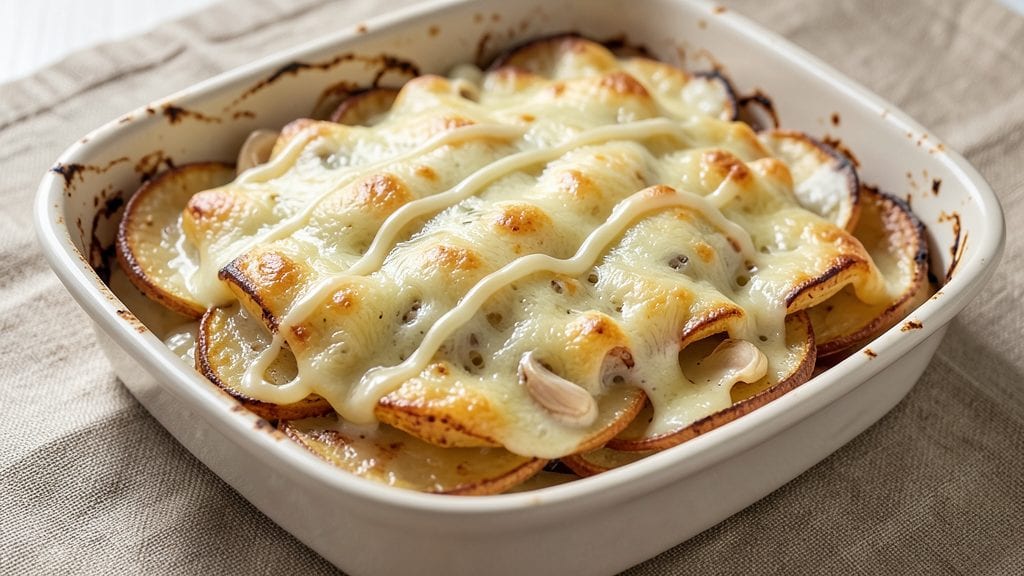
Julia Child’s scalloped potatoes recipe transforms humble potatoes into a luxurious, creamy masterpiece that belongs on any dinner table. The secret lies in thinly sliced layers, rich Gruyère cheese, and a velvety cream sauce that bakes into golden perfection—just like in her iconic French-American kitchen.
I’ve perfected this technique over years of testing, ensuring every bite delivers that signature buttery tang and melt-in-your-mouth texture.
What makes this recipe truly special is the balance of tradition and simplicity. Julia’s method relies on slow baking at 375°F to develop deep, caramelized flavors while keeping the layers tender.
The combination of heavy cream, Gruyère, and a touch of mustard creates a sauce that’s both tangy and rich, with just enough sharpness to cut through the richness. Even with modern shortcuts like pre-sliced potatoes, the result remains restaurant-quality.
By the time it emerges from the oven, you’ll have a golden, bubbling casserole with crispy top edges and creamy, melt-in-your-mouth layers. The aroma alone will have everyone anticipating dinner, while the first bite delivers that perfect harmony of buttery, cheesy, and slightly tangy flavors.
This dish isn’t just a side—it’s the centerpiece that elevates any meal.
Whether you’re serving it alongside roasted chicken or steak, or making it as a standalone comfort food, these scalloped potatoes are sure to impress. The best part?
Once you master the technique, you’ll find yourself reaching for this recipe again and again. Let’s get started on creating your own Julia Child-worthy masterpiece.
Ingredients for julia child's scalloped potato
Buttery layers, tangy cream, and golden perfection—just like Julia Child’s iconic scalloped potatoes.
| Ingredient | Amount | Notes |
|---|---|---|
| Russet Potatoes 🥔 | 3 lb | Thinly sliced (1/8-inch thick), peeled |
| Heavy Cream 🥛 | 2 cups | Full-fat, cold for best results |
| Gruyère Cheese 🧀 | 2 cups | Freshly grated, aged 6-12 months |
| Unsalted Butter 🧈 | ¾ cup | Cold, cut into small cubes |
| Dijon Mustard 🌶️ | 1 tbsp | Mild or medium heat preferred |
| Garlic Cloves 🧄 | 4 cloves | Minced, for depth of flavor |
| Salt 🧂 | 1 ½ tsp | Diamond Crystal kosher salt |
| Black Pepper 🌶️ | ½ tsp | Freshly cracked, coarse grind |
| Nutmeg 🌿 | ¼ tsp | Freshly grated, for warmth |
| Shallots 🧅 | 2 whole | Thinly sliced, for delicate flavor |
| Chicken Stock 🍲 | 1 ½ cups | Homemade or high-quality store-bought |
| All-Purpose Flour 🌾 | 2 tbsp | For thickening, sifted |
| Fresh Thyme Leaves 🌿 | ¼ cup | Chopped, for herbal brightness |
The potatoes are non-negotiable here—Russets are your best bet for their starchy, fluffy texture. Whole Foods or specialty markets carry the best selection, but any grocery store’s organic section will work. Slice them 1/8-inch thick (a mandoline makes this easy) and soak in cold water for 10 minutes to remove excess starch—this keeps the layers crisp. For Gruyère, avoid pre-shredded (it’s full of anti-caking agents) and grate it yourself from a block at a cheese shop. The difference in melt and flavor is night and day. If you can’t find Gruyère, Comté or Emmental work in a pinch, but Gruyère’s nutty tang is what makes this dish special.
No heavy cream? Full-fat sour cream thinned with milk works, though the texture won’t be quite as silky. Short on Dijon mustard? Yellow mustard at half the amount adds a similar tang, but you’ll lose that subtle complexity. The chicken stock can be swapped for vegetable stock if you’re vegetarian, but keep it low-sodium. For the shallots, green onions or extra garlic add a similar punch, though shallots bring a delicate sweetness. Fresh thyme is ideal, but dried thyme at one-third the amount will do in a bind. And if you’re feeling lazy, pre-minced garlic from a jar works—just drain it well.
This dish tastes even better the next day, so make it ahead and bake when ready. Store the unbaked casserole in an airtight container in the fridge for up to 24 hours—the flavors meld beautifully. Once baked, it reheats perfectly in a 350°F oven for 15-20 minutes, covered with foil. For leftovers, portion into individual containers and freeze for up to 3 months. The key to reheating? A splash of milk or cream to restore creaminess—microwave it in short bursts, stirring between each.
Why You'll Love This Recipe
- One-Pan Magic: I swear by this recipe because it’s all about minimal effort. Slice the potatoes, layer them with butter and cream, and let the oven do the rest—no fancy techniques, just pure, hands-off comfort.
- Gruyère Glamour: Between us, that sharp Gruyère melts into a golden blanket while the Dijon mustard adds just enough tang to keep things interesting. It’s creamy, it’s rich, but never heavy—like a hug from a French chef.
- Weeknight or Dinner Party: Honestly, this dish works for both. Serve it as a side when you’re feeding the family on a Tuesday, or make it the star when unexpected guests show up. The same recipe, different vibes.
- Budget-Friendly Luxury: Russets and butter might seem simple, but the way they transform into crispy-edged, velvety layers feels fancy. Plus, leftovers reheat beautifully—so you’re basically getting two meals for the price of one.
Step-by-step instructions for Julia Child's scalloped potatoes
Here's how to create Julia Child's legendary scalloped potatoes with rich, creamy layers and a perfectly crispy top.
Prepare the Potato Layers
Begin by preheating your oven to 375°F. Peel the 3 lb russet potatoes and slice them into 1/8-inch thick rounds using a mandoline or sharp knife for even thickness. This precision ensures even cooking and that signature tender yet firm texture Julia loved.
As you slice, arrange the potatoes in a single layer on a baking sheet. I like to separate them slightly so they don't stick together. The goal is to create 6 perfect layers in your baking dish, so count your slices and divide them accordingly. For the first layer, place the slices tightly together with no gaps—this creates the classic scalloped structure.
Create the Creamy Sauce Base
In a medium saucepan, melt the 0.75 cup unsalted butter over medium heat. Add the 2 whole shallots and 4 cloves garlic cloves, cooking until they're just translucent—about 3 minutes. This gentle cooking prevents burning while building flavor.
Whisk in the 2 tbsp all-purpose flour and cook for 1 minute to remove the raw taste. Slowly pour in the 1.5 cups chicken stock while whisking constantly to prevent lumps. Bring to a gentle simmer and cook for 3-4 minutes until slightly thickened. Remove from heat and stir in the 2 cups heavy cream, 1 tbsp Dijon mustard, 1.5 tsp salt, 0.5 tsp black pepper, 0.25 tsp nutmeg, and 0.25 cup fresh thyme leaves. The sauce should be velvety smooth—this is your flavor foundation.
Assemble and Bake the Potatoes
Pour half of the warm sauce over the first layer of potatoes in your baking dish. Sprinkle with 1/3 of the 2 cups gruyère cheese, then add the second layer of potatoes. Repeat this process until all layers are complete, finishing with the remaining sauce and cheese. The top layer should be potatoes with sauce on top.
Cover the dish tightly with aluminum foil and bake for 45 minutes. This initial baking allows the potatoes to soften without browning. After 45 minutes, remove the foil and bake for another 15-20 minutes until the top is deep golden brown and bubbly. The edges should be crisp while the center remains creamy—this is where Julia's magic happens.
Rest and Serve with Confidence
Let the scalloped potatoes rest for 10 minutes before serving. This resting period allows the layers to set slightly, making it easier to slice cleanly. The potatoes should be tender when pierced with a fork but still hold their shape—no mushy centers here.
Garnish with additional fresh thyme leaves if desired. Serve immediately with a crisp green salad or roasted vegetables. The combination of creamy sauce, crispy top, and tender potatoes makes this dish truly unforgettable—just as Julia would have prepared it.
Pro Tips For Making Julia Child'S Scalloped Potato
- Parboil Thinly: Cut the potatoes into even ¼-inch slices—no thicker—and boil them uncovered for exactly 3 minutes before layering. I learned this the hard way: thicker slices stay gummy, and skipping the parboil means the cream never fully soaks in. (Yes, even if you’re impatient like me.)
- Whisk the Cream Cold: Chill the heavy cream until it’s ice-cold before folding it into the cheese mixture. Warm cream curdles faster, and you’ll end up with a gluey mess instead of that silky, velvety texture. Trust me, your future self will notice the difference.
- Skip the Overcrowding: Layer the potatoes with just enough space between slices to let the cream rise and bubble. Pack them too tight, and you’ll steam the bottom instead of browning the top. My first batch looked like a sad, soggy lasagna—don’t let that happen.
- Grate the Cheese Fresh: Use a box grater for the Gruyère, not pre-shredded cheese. Pre-shredded stuff has anti-caking agents that make the sauce grainy, and it won’t melt as smoothly. (I was skeptical until I tried it—now I never go back.)
Wine and beer pairings for this julia child's scalloped potato
Classic French Wine
Julia Child’s scalloped potatoes pair beautifully with a Chardonnay from Burgundy, particularly a Meursault or Pouilly-Fuissé. The buttery, mineral notes of these wines complement the dish’s creamy texture and nutty Gruyère, while their acidity cuts through the richness.
I always reach for a 2018 Louis Latour—its balance of citrus and vanilla enhances every layer of flavor. Serve slightly chilled to let the wine’s crispness shine alongside the dish’s warmth. 🍷
Crisp White Alternatives
If Chardonnay isn’t available, a Sauvignon Blanc from the Loire Valley—like a Sancerre or Pouilly-Fumé—offers a refreshing contrast. The bright citrus and herbal notes in these wines cleanse your palate between bites of the rich, cheesy potatoes.
For a budget-friendly option, Kim Crawford Sauvignon Blanc delivers the same zesty punch without breaking the bank.
Beer Pairings
A Belgian Witbier like Hoegaarden or Stella Artois works surprisingly well with scalloped potatoes. The light, coriander-infused beer balances the dish’s creaminess while adding a subtle sweetness. For a darker option, try a German Helles Lager—its malty profile stands up to the Gruyère’s nuttiness.
Avoid heavy stouts or IPAs, as they’ll overpower the delicate flavors. 🍺
Unexpected Sparkling Wine
Don’t overlook French Crémant or Prosecco for a festive touch. The effervescence and acidity in these sparkling wines cut through the dish’s richness, making each bite feel lighter.
I love pairing it with a Rupert Crémant Brut—its crisp apple and almond notes elevate the potatoes’ buttery layers. Serve it well-chilled to maintain its lively bubbles.
Red Wine for Hearty Meals
If serving with a roasted beef or duck, a Pinot Noir from Oregon or Burgundy adds depth. The wine’s earthy undertones and red fruit flavors complement the potatoes’ creamy sauce without competing.
A 2019 Domaine Drouhin Oregon Pinot Noir is my go-to—its silky texture and bright acidity make it a perfect match. Avoid bold Cabernets, as they’ll clash with the dish’s delicate flavors. 🍷
Nutrition facts
Frequently asked questions
Why does Julia Child's recipe use Gruyère instead of regular cheddar?
Gruyère's nutty, slightly sweet flavor and excellent melt create the signature tangy richness Julia loved. Regular cheddar lacks the depth and won't develop that perfect creamy texture when baked. The cheese's natural fat content also helps create that golden, crispy top layer.
Can I make this recipe with pre-sliced potatoes from the store?
Yes, but with one key adjustment: soak the slices in cold water for 10 minutes first to remove excess starch. This prevents the layers from getting too mushy during baking. Pre-sliced potatoes are convenient, but they often contain more moisture than freshly sliced Russets.
What's the best way to prevent a soggy top layer?
Bake uncovered for the last 15-20 minutes to develop that golden crust. Also, use full-fat heavy cream (not light cream) and make sure your oven is properly preheated to 375°F. The cheese should be freshly grated too—pre-shredded contains anti-caking agents that make the sauce watery.
How do I adjust this recipe for a vegetarian version?
Swap the chicken stock for vegetable stock and use nutritional yeast instead of Gruyère for a cheesy flavor without dairy. For extra richness, add cashew cream to replace the heavy cream. The baking time remains the same, but check for doneness at 40 minutes since vegetarian versions sometimes cook faster.
Can I make this in a smaller baking dish?
Use a 9x9-inch dish instead of 9x13-inch, but reduce the recipe by half. Keep the same layering technique (6 layers total) and bake for 30-35 minutes covered, then 10-15 minutes uncovered. Smaller dishes concentrate heat better, so watch closely for browning. The texture will be just as perfect!