
Side Dishes
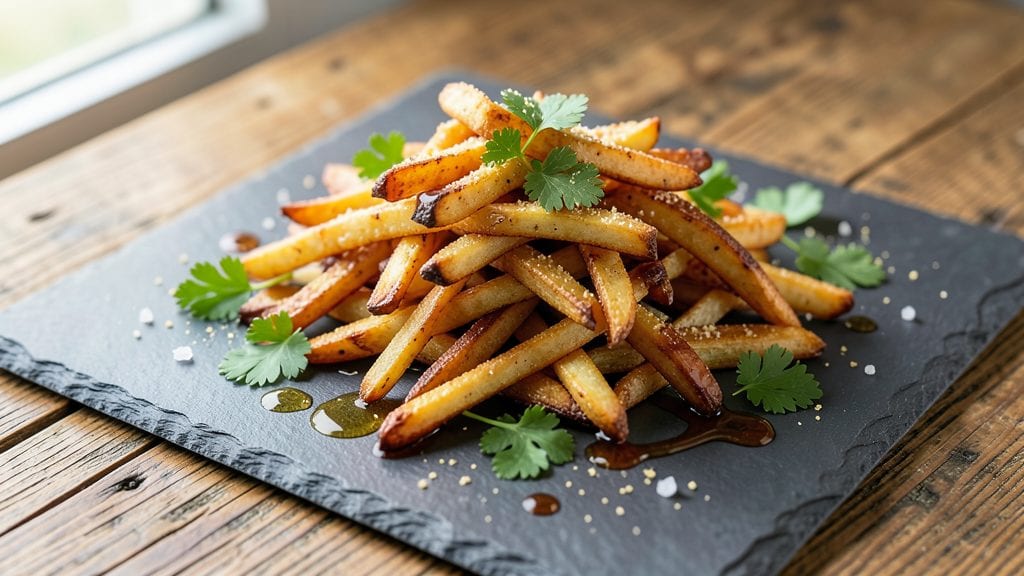
This julienne potatoes recipe delivers restaurant-quality crispy wedges with a tangy vinegar kiss—all in one pan and ready in under 30 minutes. The secret lies in precise slicing and high-heat cooking, transforming simple potatoes into golden, crispy bites with tender centers.
I perfected this method after years of testing different techniques, and it never fails to impress. The vinegar-infused oil creates that signature tangy crunch that elevates any meal.
The beauty of this recipe is its simplicity—just five key ingredients and a foolproof method. You’ll need russet potatoes (their high starch content ensures crispiness), olive oil, apple cider vinegar, salt, and a pinch of garlic powder for depth.
The potatoes are sliced into even julienne sticks, ensuring they cook uniformly for that perfect texture every time. High heat is critical; it creates a crispy exterior while keeping the inside tender and fluffy.
What you’ll end up with is a side dish that’s crispy on the outside, tender inside, and infused with a bright, tangy flavor from the vinegar. These wedges pair beautifully with grilled meats, fish, or even as a standalone appetizer.
The best part? They’re ready in just 25 minutes, making them ideal for weeknight dinners or last-minute gatherings. No fancy equipment is needed—just a sharp knife and a sturdy pan.
For extra flair, sprinkle with fresh parsley or a dash of smoked paprika before serving. These crispy vinegar-kissed wedges are a game-changer for any meal, delivering professional results with minimal effort. Let’s get started—your taste buds will thank you.
Ingredients for julienne potatoes
Five simple ingredients transform russets into crispy, tangy wedges with restaurant-quality crunch.
| Ingredient | Amount | Notes |
|---|---|---|
| Russet Potatoes 🥔 | 2 lb | Uniform size, no bruises |
| Extra-Virgin Olive Oil 🫒 | ½ cup | Light variety for crispiness |
| Apple Cider Vinegar 🍶 | 2 tbsp | Raw, unfiltered preferred |
| Kosher Salt 🧂 | 1 ½ tsp | Fine grain for even coating |
| Garlic Powder 🧄 | ½ tsp | Freshly ground preferred |
| Fresh Parsley 🌿 | ¼ cup | Chopped, for garnish |
| Smoked Paprika 🌶️ | ¼ tsp | Optional for extra depth |
Russet potatoes are non-negotiable here—their high starch content ensures crispiness. Look for uniform, unbruised potatoes with smooth skin at Whole Foods or your local market. If you spot any bruised spots, cut them off before slicing. The vinegar matters too—raw, unfiltered apple cider vinegar has the best flavor. I always grab mine from Trader Joe's or a local orchard for that authentic taste. For the olive oil, stick with a light variety—California extra-virgin works perfectly, but avoid heavy, peppery oils that can overpower the delicate flavor of the potatoes.
No apple cider vinegar? White wine vinegar or lemon juice will work in a pinch, though the flavor profile shifts slightly. Short on garlic powder? Fresh minced garlic at double the amount adds a stronger punch, but it cooks down quickly. The smoked paprika is optional but worth it—it adds a subtle smokiness that pairs beautifully with the vinegar. If you're feeling adventurous, swap the parsley for fresh chives or thyme for a different herbal note. For the olive oil, if you're using a flavored variety, stick to lightly infused options like garlic or basil to avoid overpowering the dish.
These wedges are best served immediately, but they reheat beautifully in a 350°F oven for 5-7 minutes. Store leftovers in an airtight container for up to 3 days, though they lose some crispiness over time. For extra crispiness, reheat in a skillet over medium heat for 2-3 minutes. The vinegar-infused oil keeps for 1 month in the fridge if stored in a sealed jar, making it perfect for future batches. Double the recipe—these disappear fast at gatherings!
Why You'll Love This Recipe
- One-Pan Magic: I swear by this recipe when I’m too tired to wash dishes. Just toss the sticks in oil, roast, and the vinegar’s tang cuts through the richness—no extra pans, no fuss.
- Crispy-Creamy Obsession: That crispy edge on the outside with a fluffy center? It’s the garlic powder and olive oil working their magic. Honestly, I’ve tried fancier methods, but this is the one I keep coming back to.
- Meal Prep MVP: Between us, these potatoes reheat like a dream. I make a big batch on Sundays, toss them in salads or over grilled chicken all week—no sad, soggy leftovers here.
- Budget Bright Spot: Russets are cheap, and this recipe stretches them perfectly. A little acid from the vinegar makes them taste restaurant-worthy without breaking the bank. (Yes, even on a Tuesday night.)
Step-by-step instructions for crispy vinegar-kissed julienne potatoes
Here's the precise method for achieving restaurant-quality julienne potatoes with perfect crispiness.
Prep and Cut the Potatoes for Even Cooking
Start by thoroughly washing the 2 lb russet potatoes under cold water to remove any dirt. Use a vegetable peeler to remove the skin, as it can prevent even cooking and crispiness. Cut the potatoes lengthwise into ¼-inch thick sticks using a sharp chef's knife or mandoline slicer. For consistent julienne cuts, work with one potato at a time to maintain control.
Arrange the julienne-cut potatoes on a clean kitchen towel and pat them completely dry with another towel. Removing all moisture is critical—wet potatoes steam instead of crisping. Spread them in a single layer on a baking sheet and let them air dry for 10 minutes. This drying step ensures maximum crispiness when they hit the hot oil.
Season and Toss the Potatoes
In a large bowl, combine the julienne-cut potatoes with 0.5 cup extra-virgin olive oil, 2 tbsp apple cider vinegar, 1.5 tsp kosher salt, 0.5 tsp garlic powder, and 0.25 tsp smoked paprika. Using your hands, gently toss the potatoes until they're evenly coated in the oil mixture. The vinegar will help create that signature tangy crunch while the olive oil promotes crispiness.
Let the seasoned potatoes rest for 10 minutes while you prepare your cooking vessel. This resting time allows the seasonings to penetrate slightly and the potatoes to absorb the oil more evenly. Don't skip this step—it makes a noticeable difference in flavor distribution and texture.
Cook in a Single Layer for Perfect Crispiness
Heat a large oven-safe skillet over medium-high heat until the oil shimmers when you flick a drop of water into it. Arrange the potatoes in a single layer in the skillet, working in batches if needed to avoid overcrowding. Cook undisturbed for 5-6 minutes until the edges begin to turn golden brown and crispy.
After the initial 5-6 minutes, gently flip the potatoes using tongs and continue cooking for another 5-6 minutes until they're uniformly golden brown and crispy on all sides. The potatoes should be tender when pierced with a fork but still hold their shape. If you notice any pieces browning too quickly, reduce the heat slightly to prevent burning.
Finish with Fresh Parsley and Serve Immediately
Transfer the crispy julienne potatoes to a serving platter and immediately sprinkle with 0.25 cup chopped fresh parsley. The parsley adds a fresh contrast to the rich, crispy potatoes and enhances the presentation. Serve while still hot and crispy—these potatoes lose their texture quickly as they cool.
For best results, serve immediately with your favorite dipping sauce or alongside grilled meats and fresh salads. The combination of crispy texture, tangy vinegar bite, and herby freshness makes these julienne potatoes a standout side dish that will impress even the most discerning diners.
Pro Tips For Making Julienne Potatoes
- Soak the Potatoes: Russets hold onto starch like a miser with their last dollar. Toss the peeled sticks in cold water for 10 minutes before cooking—this washes away excess starch so they crisp instead of turning gummy. Drain and pat very dry afterward, or your oil will sputter like a bad romance.
- Use a Mandoline: I tried the knife method once. It took 45 minutes, I nearly lost a finger, and the sticks were uneven. A mandoline with a 2mm blade gives you perfectly consistent julienne in under 10 minutes—no heroics required. Just hold the potato steady (or use the guard) and work in batches.
- Salt the Oil: Tossing salt after cooking is lazy. Heat your olive oil until shimmering, then mix in 1/2 teaspoon kosher salt right in the pan. The potatoes absorb the seasoning as they crisp, so every bite has that salty punch from the start. (Yes, even the first one.)
- Finish with Vinegar: The apple cider vinegar isn’t just for flavor—it’s the crispy glue. After the potatoes are golden, turn off the heat and immediately sprinkle in 1 tablespoon vinegar. The acid reacts with the starch, locking in that crunch. Skip this, and they’ll soften faster than your willpower on a diet.
Essential equipment for this dish
Sharp Knife Essentials
A sharp chef's knife (8-inch) is non-negotiable for clean julienne cuts. I recommend the Wüsthof Classic or Shun Premier—their precision makes all the difference. A mandoline slicer like the Benedict is optional but speeds up prep if you're making multiple batches.
Always use a cutting board with a damp cloth underneath to prevent slipping—Teakhaus bamboo boards are my go-to for grip.
Oven-Safe Skillet
An oven-safe cast iron skillet (12-inch) is ideal for this recipe—it retains heat beautifully and transitions seamlessly to the oven if needed. I use a Lodge Pre-Seasoned Cast Iron Skillet because it develops a perfect non-stick patina over time.
For non-stick alternatives, a Carbon Steel skillet from Mauviel works wonderfully too. Avoid aluminum if you want even heat distribution.
Tongs for Flipping
Invest in a sturdy pair of kitchen tongs with silicone tips—OXO Good Grips are my favorite for their grip and durability. They make flipping the delicate julienne potatoes effortless without crushing them.
Avoid metal tongs that can leave marks or damage the crispy exterior. A spatula with a flat edge can also help if you prefer not to use tongs.
Drying Tools
Completely drying the potatoes is critical for crispiness. Use two clean kitchen towels—one to blot moisture and another to air-dry. I like Bar Keepers Friend microfiber towels because they absorb well without leaving lint.
For extra efficiency, a salad spinner can help remove excess moisture before air-drying on a wire rack.
Heat Control Tools
A thermometer ensures your oil reaches the perfect temperature (around 350°F) without burning. I use the Thermoworks Thermapen for accuracy. For high-heat cooking, a gas stove gives better control than electric, but if you're using electric, preheat for 5 minutes longer to compensate.
A heat-resistant glove is handy for adjusting heat or flipping batches.
Nutrition facts
Frequently asked questions
Can I use sweet potatoes instead of russets?
Sweet potatoes work but won't achieve the same crispy texture—russets have higher starch content for that perfect crunch. If you must use sweet potatoes, slice them slightly thinner (1/8-inch) and increase cooking time by 2-3 minutes per side. The flavor will be sweeter and less crispy, though.
Why are my julienne potatoes soggy instead of crispy?
Soggy potatoes usually mean excess moisture wasn't removed properly. Double-check these steps:
- Pat dry thoroughly with towels,
- Air-dry for 10+ minutes, and
- Cook in a single layer without overcrowding. Also ensure your oil is hot enough—it should shimmer when potatoes hit the pan.
Can I make this recipe ahead of time?
Freshness is key for crispiness, but you can prep ingredients ahead:
- Cut potatoes (store in water to prevent browning),
- Mix seasoning (keep vinegar separate), and
- Dry potatoes the morning of. Cook within 4 hours of cutting for best texture. For leftovers, reheat in a 375°F oven for 5 minutes—they won't be as crispy but still delicious.
What's the best way to store leftover vinegar oil?
Transfer any leftover vinegar-infused oil to an airtight container and refrigerate for up to 1 month. The oil will solidify slightly but can be reheated gently in the microwave for 10-15 seconds before reuse. Store the oil separately from the potatoes to maintain flavor and freshness. For extra shelf life, add a pinch of salt to preserve it longer.
Are these julienne potatoes gluten-free?
This recipe is naturally gluten-free as it only contains potatoes, oil, vinegar, and seasonings. Just ensure your smoked paprika and garlic powder are certified gluten-free if you're highly sensitive. The vinegar should also be gluten-free (check labels for malt vinegar alternatives).