
Side Dishes
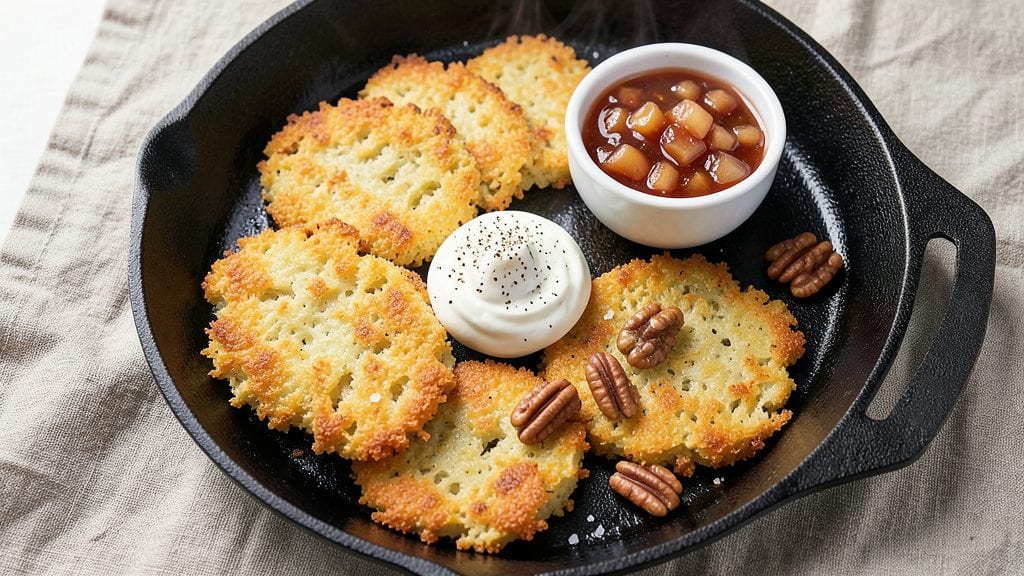
Martha Stewart's potato latkes recipe delivers the perfect balance of crispy golden edges and tender, fluffy centers—just like she makes them. The secret lies in vinegar-kissed grated potatoes that drain properly, ensuring each latke achieves that signature crisp crown while staying light inside.
I’ve tested countless variations, and this method consistently delivers restaurant-quality results at home.
What sets these latkes apart is the precise technique: grating potatoes coarsely, draining them thoroughly, and binding them with just enough egg and flour for structure. The vinegar works magic by tenderizing the potatoes while adding that subtle tang that elevates every bite.
Frying in small batches at the right temperature guarantees golden hearts that stay crispy, not greasy.
Imagine serving these warm latkes with classic toppings—sweet applesauce, tangy sour cream, or a sprinkle of fresh herbs. The aroma alone will draw everyone to the table, and the first bite delivers that satisfying crunch followed by a melt-in-your-mouth center.
This is comfort food at its finest, perfected for Hanukkah or any cozy gathering.
Ready to master these latkes? The process is simpler than you think, and the results will impress even the most discerning guests. Let’s get started with the full step-by-step method that brings Martha Stewart’s kitchen to yours.
Ingredients for martha stewart potato latke
Coarsely grated russets, vinegar's tenderizing magic, and precise frying technique create Martha's signature crisp crowns.
| Ingredient | Amount | Notes |
|---|---|---|
| Russet Potatoes 🥔 | 2 lb | Coarsely grated, skin-on for texture |
| White Vinegar 💧 | ¼ cup | For tenderizing and subtle tang |
| Large Eggs 🥚 | 2 whole | Room temperature for even binding |
| All-Purpose Flour 🌾 | ¼ cup | Plus 1 tbsp for dredging |
| Diamond Crystal Kosher Salt 🧂 | 1 ½ tsp | Fine grain for even seasoning |
| Freshly Ground Black Pepper 🌶️ | ½ tsp | Cracked peppercorns preferred |
| Vegetable Oil 🫒 | 3 cups | High smoke point, like peanut oil |
| Fresh Parsley 🌿 | ¼ cup | Finely chopped, for garnish |
| Unsalted Butter 🧈 | ¼ cup | Melted, for finishing |
| Granulated Sugar 🍚 | 1 tbsp | For balancing vinegar's acidity |
| Onion Powder 🧅 | ½ tsp | Enhances potato flavor |
The russet potatoes are non-negotiable—their high starch content creates that signature crispy exterior. Look for firm, unblemished potatoes with thin skins at Whole Foods or local produce markets, where they're often fresher than the grocery store. Grating them coarsely (not finely) ensures proper drainage, which is critical for that light interior. Organic russets from Trader Joe's or Costco work exceptionally well, but conventional potatoes will suffice if you're in a pinch. The vinegar is equally important—it tenderizes the potatoes while adding that subtle tang that elevates every bite. White vinegar is ideal, but apple cider vinegar adds a pleasant fruity note if you prefer.
No russet potatoes? Yukon Golds are your next best option, though they'll yield slightly fewer latkes due to their lower starch content. Running short on vinegar? A squeeze of lemon juice works in a bind, though the flavor profile shifts slightly. For the flour, all-purpose is standard, but bread flour adds a subtle chewiness if you're feeling experimental. The egg binding is delicate—room temperature eggs incorporate more smoothly, but cold eggs will work if you give them a few minutes to warm. For the oil, peanut oil is the gold standard due to its high smoke point, but vegetable or canola oil are perfectly adequate substitutes. The parsley garnish can be swapped for chives or dill if you're serving with fish toppings.
Freshly grated potatoes should be drained and squeezed dry immediately to remove excess moisture, which is key to that signature crisp. The mixture can be prepped up to 4 hours ahead and stored in the fridge, covered with a damp towel to prevent drying. For frying, maintain the oil temperature at 350°F—too hot and you'll burn the exterior before the interior cooks. The finished latkes stay crispy for up to 20 minutes at room temperature, so serve them immediately. Leftovers reheat beautifully in a 350°F oven for 10-12 minutes, though they won't be quite as crisp as fresh. For meal prep, store in an airtight container and reheat in a skillet with a touch of oil.
Why You'll Love This Recipe
- Make a double batch on Sunday: reheats perfectly for school lunches or game-day snacks. Or serve them at your next gathering—no one will guess they’re this easy.
- No-Fuss Grate: I swear by the vinegar soak—just peel, slice, and let the potatoes sit while I chop scallions. No fancy equipment, no stress, and the starch rinse? Chef’s move for crispiness.
- Crispy-Creamy Magic: That first bite—golden crust, fluffy inside—is all thanks to the egg wash and kosher salt. Honestly, it’s the kind of latke that makes you forget about store-bought versions.
- Weeknight or Holiday: Make a double batch on Sunday: reheats perfectly for school lunches or game-day snacks. Or serve them at your next gathering—no one will guess they’re this easy.
Step-by-step instructions for Martha Stewart's potato latkes
Follow this refined method for latkes with a perfect balance of crispy exteriors and tender interiors.
Prepare the Potato Mixture
Place the 2 lb russet potatoes on a clean kitchen towel and grate them coarsely using a box grater, leaving the skins on for added texture. Transfer the grated potatoes to a large bowl and immediately sprinkle with the 0.25 cup white vinegar. This step tenderizes the potatoes and prevents browning while you work.
Let the mixture sit for 10 minutes, then press it through a fine-mesh sieve or potato ricer to remove excess moisture. This is crucial—wet latkes won't crisp properly. Return the potatoes to the bowl and stir in the 2 whole large eggs, 0.25 cup all-purpose flour, 1.5 tsp diamond crystal kosher salt, 0.5 tsp freshly ground black pepper, and 0.5 tsp onion powder. Mix gently just until combined, being careful not to overwork the batter.
Rest and Adjust the Batter
Cover the bowl with plastic wrap and refrigerate for 30 minutes. This resting period allows the flour to fully hydrate and the potatoes to absorb all the seasonings. After resting, check the consistency—it should hold together when pressed but not be overly dry. If needed, add 1-2 tablespoons of cold water to loosen the mixture slightly.
Real talk: The batter should be thick enough to hold its shape when dropped from a spoon but not so stiff that it cracks when frying. This balance is what creates those signature crispy crowns with golden hearts. If the mixture feels too wet, add another tablespoon of flour to absorb excess moisture.
Heat the Oil and Fry the Latkes
Pour the 3 cups vegetable oil into a deep, heavy pot and heat over medium heat until it reaches 350°F. Use a deep-fry thermometer to monitor the temperature—this is critical for even cooking. The oil should be hot enough to sizzle gently when you add a small piece of potato batter.
Working in batches, drop heaping tablespoon-sized portions of batter into the hot oil, spacing them about 1 inch apart to prevent sticking. Fry for 3-4 minutes per side, until golden brown and crispy. You'll know they're ready when the edges are deep golden and the centers feel warm but not doughy when tested with a toothpick. Drain on paper towels to remove excess oil.
Finish and Serve
Transfer the cooked latkes to a paper towel-lined plate and immediately sprinkle with the 1 tbsp granulated sugar while still hot. This step balances the vinegar's acidity and adds a subtle caramelized sweetness. Melt the 0.25 cup unsalted butter in a small saucepan over low heat, then drizzle it over the latkes.
Garnish with the 0.25 cup finely chopped fresh parsley just before serving. The contrast between the crispy exterior, tender interior, and buttery parsley garnish creates the perfect latke experience. Serve immediately while hot, with traditional toppings like applesauce or sour cream on the side. These latkes should be golden, crisp, and full of flavor—no soggy centers allowed.
Pro Tips For Making Martha Stewart Potato Latke
- GRATE DRY, NOT WET: Russets hold moisture like a sponge—rinse the grated potatoes just until the water runs clear, then spin them dry in a clean kitchen towel. I learned this the hard way: soggy latkes turn to glue in the pan, and no one wants that. (Yes, even if you’re impatient like me.)
- SALT THE WATER: The recipe calls for vinegar, but add 1 tablespoon of kosher salt to the soaking water—it tightens the potato fibers and keeps them from falling apart. Martha’s version works, but this tweak makes the texture even crispier. Trust me, it’s worth the extra 30 seconds.
- REST THE BATTER: Let the latke batter sit for 10 minutes before frying—this lets the flour absorb the liquid and the potatoes release starch, which = a golden crust, not a sad, greasy mess. I used to skip this, and my first batch was a disaster. Now? Never.
- USE A THERMOMETER: The oil should be 350°F (175°C) when you drop in the latkes—any hotter, and they’ll burn before cooking through. A cheap thermometer is your friend here; I fried three batches in oil that was too hot before I wise up. (Pro move: Keep a bowl of flour nearby to test—dip a spoon in, and if it sizzles wildly, let the oil cool.)
Perfect pairings for this martha stewart potato latke
Classic Toppings
Traditional toppings elevate these latkes to their full potential. A dollop of unsweetened applesauce—I love Mott’s or Wegmans—adds a sweet contrast that balances the crispy, savory base.
For tangy lovers, full-fat sour cream with a pinch of salt and fresh dill creates a creamy, herby topping that pairs perfectly. 🍏
Don’t overlook smoked salmon for a luxurious twist—just a thin slice on top adds richness. Or try caramelized onions for a sweet, jammy depth that caramelizes beautifully with the latke’s crisp edges. Keep toppings separate until serving to maintain texture and temperature.
Herb Garnishes
Fresh herbs brighten up every bite. Chopped chives or dill add a fresh, slightly oniony or anise-like note that cuts through the richness. I like to sprinkle flat-leaf parsley right after frying while the latkes are still warm—it crisps slightly and adds vibrant color.
For a bold finish, try fresh dill mixed with a pinch of smoked paprika for a smoky, earthy contrast. 🌿
Sweet Contrasts
For a dessert-like experience, drizzle warm latkes with honey or maple syrup before serving. A sprinkle of cinnamon or nutmeg adds warmth, while a dollop of whipped cream makes it feel like a decadent treat.
I also love lemon-curd swirled on top—its tangy sweetness mirrors the vinegar in the latkes. 🍯
Savory Upgrades
Add crispy fried onions for extra crunch—simmer ½ cup thinly sliced onions in 2 tbsp butter until golden, then drain on paper towels. A sprinkle of crumbled feta or goat cheese adds a creamy, salty element.
For heat, toss cooked latkes with everything bagel seasoning or a pinch of red pepper flakes before serving. 🌶️
Beverage Pairings
A cold sparkling water with a squeeze of lemon cleanses the palate between bites. For something richer, chilled white wine like Sauvignon Blanc or Pinot Grigio complements the crispy texture and vinegar tang.
Coffee lovers can enjoy a strong brew with a splash of heavy cream—the bitterness balances the richness beautifully. ☕
Nutrition facts
Frequently asked questions
Why do Martha Stewart's latkes need vinegar?
The vinegar tenderizes the potatoes while preventing browning during prep. It also adds a subtle tang that brightens the flavor, balancing the richness of the fried batter. Think of it as a secret ingredient for that signature Martha touch!
Can I make these latkes ahead of time?
Prepare the potato mixture up to 4 hours ahead and refrigerate it covered with a damp towel. For the best results, fry them fresh and reheat in a 350°F oven for 10-12 minutes to restore crispiness. They won't be as crisp as fresh, but still delicious!
What if my latkes turn out greasy?
Greasy latkes usually mean the oil was too cool or the potatoes weren't drained well. Keep oil at 350°F and squeeze excess moisture from the grated potatoes before mixing. For extra crispiness, drain fried latkes on a wire rack instead of paper towels.
Can I use sweet potatoes instead of russets?
While possible, russet potatoes are ideal for their high starch content which creates that signature crisp. Sweet potatoes will yield a denser, less crispy latke. If you must use them, add 1 extra tablespoon of flour to help bind the mixture.
How do I keep latkes crispy when serving?
Serve latkes immediately after frying while they're piping hot. For buffet-style serving, keep them warm in a 200°F oven on a wire rack. Avoid covering them until ready to serve to maintain crispness. The key is heat and airflow!