
Side Dishes
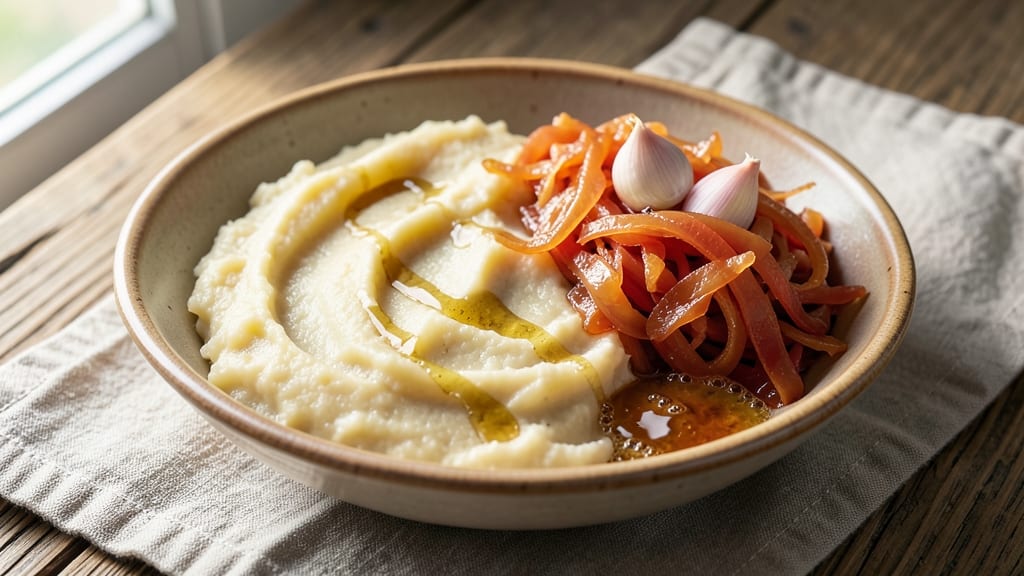
This mashed potatoes and sauerkraut recipe transforms a classic comfort side into a bold, tangy-sour masterpiece that steals the show at any meal. The secret lies in balancing creamy, buttery potatoes with the sharp, fermented punch of sauerkraut—a combination that adds depth and complexity to even the simplest plate.
I developed this recipe after realizing how often sauerkraut gets overlooked in favor of plain sides, and the results speak for themselves.
The beauty of this dish is its simplicity: fluffy, velvety mashed potatoes meet the vibrant crunch of sauerkraut, creating a contrast that’s both satisfying and unexpected.
The potatoes are seasoned with just the right amount of garlic and butter, while the sauerkraut is lightly sautéed to soften its edges without losing its signature tang.
Together, they form a side that’s hearty enough to stand alone or pair perfectly with roasted meats, grilled fish, or even a simple steak.
What you’ll end up with is a dish that’s rich, flavorful, and impossible to resist—creamy potatoes with pockets of tangy sauerkraut that cut through the richness. The texture is a perfect marriage: smooth and fluffy meets crisp and slightly acidic, all in one bite.
This isn’t just a side dish; it’s a flavor experience that elevates any meal from ordinary to extraordinary.
Ready in under an hour, this recipe is foolproof and adaptable. Whether you’re serving a holiday feast or a weeknight dinner, the balance of flavors and textures will leave everyone asking for seconds. Let’s get started on creating this tangy-sour masterpiece.
Ingredients for mashed potatoes and sauerkraut
Six core ingredients transform ordinary sides into a tangy-sour masterpiece worth prepping ahead.
| Ingredient | Amount | Notes |
|---|---|---|
| Yukon Gold Potatoes 🥔 | 3 lb | Russet or Yukon Gold, peeled and cubed |
| Unsalted Butter 🧈 | ¾ cup | European-style preferred for flavor |
| Heavy Cream 🥛 | ½ cup | Full-fat for creamy texture |
| Sauerkraut 🥬 | 2 cups | Unopened jar, drained and rinsed |
| Garlic Cloves 🧄 | 4 cloves | Freshly minced for aromatic depth |
| Apple Cider Vinegar 🍎 | 1 tbsp | For balancing sauerkraut acidity |
| Diamond Crystal Kosher Salt 🧂 | 1 ½ tsp | Adjust to taste, don't oversalt |
| Freshly Ground Black Pepper 🌶️ | ½ tsp | Cracked peppercorns preferred |
| Extra-Virgin Olive Oil 🫒 | 1 tbsp | For sautéing sauerkraut |
| Fresh Thyme Leaves 🌿 | ¼ cup | Chopped, for aromatic finish |
| Chicken or Vegetable Broth 🍲 | ¼ cup | Low-sodium preferred |
| Sour Cream 🥛 | ¼ cup | Optional, for serving |
The potatoes form the foundation, so selecting the right variety is critical. Yukon Golds deliver a creamy texture without gummy aftertaste, while Russets provide a fluffier consistency—both work beautifully. For optimal results, purchase organic potatoes from Whole Foods or local farmers markets, as their higher starch content yields smoother mash. The butter should be European-style, 82% fat minimum—Plugrá or Kerrygold elevate the dish beyond standard American butter. Freshly minced garlic and thyme from Penzeys Spices or your local specialty grocer add aromatic depth that dried alternatives cannot replicate. Sauerkraut quality varies dramatically; seek out unpasteurized, refrigerated brands like Bubbies or Maslow's for authentic tang and probiotic benefits.
Substitutions must preserve the dish's core balance. Sweet potatoes can replace Yukon Golds but require longer cooking; full-fat Greek yogurt substitutes for sour cream with similar tang. If sauerkraut proves unavailable, ferment your own cabbage for 3-4 weeks or use pickled green beans at half the quantity. For a dairy-free option, replace butter with coconut oil or vegan butter, though texture will differ slightly. The apple cider vinegar serves as a critical acidity balancer—substitute with lemon juice at equal measure, though flavor profile shifts. When sautéing sauerkraut, never skip the vinegar; it neutralizes excess acidity while enhancing caramelization. For a richer finish, fold in crumbled bacon or caramelized onions during the final step.
Proper storage maximizes this dish's potential. Prepared mashed potatoes keep 3-4 days refrigerated in an airtight container with plastic wrap pressed directly on the surface to prevent skin formation. For longer storage, freeze portions in 1-cup silicone molds for perfect single servings—thaw overnight in the fridge. Sauerkraut should be stored unopened in the refrigerator, where it maintains optimal tang for up to 6 months. The combination reheats beautifully; simply warm in a saucepan over medium heat with a splash of broth or milk. For serving, garnish with fresh thyme and cracked black pepper immediately before eating to preserve aroma. Leftovers make exceptional sandwich fillings or hearty breakfast hash components.
Why You'll Love This Recipe
- No-Fuss Weeknight Win: I swear by this when I’m too tired to fuss—just boil potatoes, mash, stir in sauerkraut and garlic, and boom. The heavy cream makes it rich without extra work, and the tangy kraut cuts through the richness like a breath of fresh air.
- Tangy Creamy Magic: That first bite? The buttery potatoes meet the sharp, fermented punch of sauerkraut—it’s like comfort food got a flavor upgrade. The garlic cloves roasted in the butter? Chef’s kiss. Simple, but it’s the kind of combo that makes you go back for thirds.
- Leftovers That Don’t Suck: Honestly, this dish actually improves the next day. The sauerkraut’s acidity mellows just enough to make it even more addictive, and it reheats like a dream. Pack it for lunch or serve it cold on rye—it’s versatile enough to handle both.
- Budget-Friendly Luxury: Yukon Golds are pricier than russets, but they’re worth it for that buttery texture. Still, this recipe stretches easily—double the batch, freeze half, and you’ve got a fancy-ish side for months. Plus, sauerkraut lasts forever, so you’re not wasting money on perishables.
Step-by-step instructions for mashed potatoes with sauerkraut
This method delivers velvety mashed potatoes with a perfectly balanced sauerkraut topping—creamy yet tangy, rich yet bright.
Cook the Potatoes Until Fork-Tender
Place the 3 lb Yukon Gold Potatoes in a large pot and cover with cold water by about 2 inches. Add 1.5 tsp Diamond Crystal Kosher Salt and bring to a boil over high heat. Once boiling, reduce heat to medium and cook for 20-25 minutes until a knife slides in easily with minimal resistance.
Drain the potatoes thoroughly in a colander, then return them to the pot. This prevents the mashed potatoes from becoming watery. For extra-smooth texture, I like to pass them through a potato ricer immediately after draining—this eliminates lumps and creates a luxurious consistency. If using a masher, work in batches to ensure even texture.
Create the Sauerkraut Topping
Heat 1 tbsp Extra-Virgin Olive Oil in a large skillet over medium heat. Add the 2 cups Sauerkraut, breaking up any large clumps with a wooden spoon. Cook for 5-6 minutes until the sauerkraut softens slightly and begins to release its juices.
Add the 4 cloves Garlic Cloves (minced) and cook for 30 seconds until fragrant—don't let the garlic brown or it will turn bitter. Stir in 1 tbsp Apple Cider Vinegar and the 0.25 cup Chicken or Vegetable Broth, scraping up any browned bits from the bottom of the pan. These bits carry deep flavor that will elevate the entire dish. Simmer for 2-3 minutes until the liquid reduces slightly and coats the sauerkraut.
Whisk the Mashed Potatoes to Perfection
Return the drained potatoes to the pot and place it over low heat. Add the 0.75 cup Unsalted Butter (cut into small pieces) and the 0.5 cup Heavy Cream. Using a hand mixer or wooden spoon, mash until completely smooth and creamy.
Taste and adjust seasoning with additional Diamond Crystal Kosher Salt or 0.5 tsp Freshly Ground Black Pepper if needed. The potatoes should be rich but not overly salty—the sauerkraut will contribute acidity that balances the flavor. For extra aroma, fold in the 0.25 cup Fresh Thyme Leaves at this stage. The heat will release their essential oils, adding depth to every spoonful.
Assemble and Finish with Sour Cream
Transfer the mashed potatoes to a serving dish and spread them evenly. Spoon the sauerkraut mixture over the top, creating an even layer. The contrast between the creamy potatoes and tangy sauerkraut is what makes this dish special.
For serving, dollop the 0.25 cup Sour Cream over each portion—this adds a cooling element that cuts through the richness. Garnish with additional Fresh Thyme Leaves if desired. Serve immediately while the potatoes are still warm and the sauerkraut is vibrant. The flavors meld beautifully when enjoyed fresh, creating a harmonious balance of textures and tastes.
Pro Tips For Making Mashed Potatoes And Sauerkraut
- Boil Potatoes Until Fork-Tender: I learned this the hard way—Yukon Golds need to be fully cooked before mashing, not just soft. Test with a fork: if it slides in like butter, they’re ready. Overcooking turns them gluey, but undercooked ones make gummy mash. Aim for 15-20 minutes after boiling starts, then drain immediately—no lingering in hot water.
- Squeeze Out Kraut Juice: Sauerkraut’s liquid is sneaky—it makes your mash watery if you don’t handle it. Drain the kraut, then press it in a clean kitchen towel or cheesecloth to wring out excess juice. This keeps your potatoes light and creamy, not soggy. (Yes, even if you’re impatient like me.)
- Add Butter Gradually: Dumping all the butter at once? You’ll end up with a greasy mess. Warm the potatoes first, then mix in cold butter one pat at a time, folding gently. The fat melts into the starch, creating that velvety texture without turning the mash into a blob. Trust the process—your future self will thank you.
- Sauté Garlic in Kraut First: Skip the raw garlic clove in your mash—it’s harsh and doesn’t blend well. Instead, crush the cloves and sauté them in a dry pan for 30 seconds until fragrant, then mix into the drained kraut. The toasts slightly, deepening the flavor without bitterness. Does it look weird? Yes. Does it work? Every single time.
Pro cooking tips for this recipe
Potato Texture Secrets
For silky-smooth mashed potatoes, Yukon Golds are my go-to—peel and cube them evenly (1.5-inch pieces) to ensure consistent cooking. Boil in salted water until a knife slips in effortlessly (20-25 minutes), then drain thoroughly in a colander.
The key to preventing gummy mash? Never rinse the potatoes—this washes away surface starch needed for creaminess. For ultra-luxurious texture, I use a potato ricer instead of a masher, which eliminates lumps and creates a velvety consistency. 🥔
Sauerkraut Balance
The magic happens when you tame the sauerkraut’s acidity before serving. Start by draining and rinsing the sauerkraut to remove excess brine, then sauté in 1 tbsp extra-virgin olive oil over medium heat for 5-6 minutes until softened.
Add 1 tbsp apple cider vinegar to neutralize sharpness—this is non-negotiable for harmony. For extra depth, stir in 1 tsp caraway seeds (if you love them) during the last 2 minutes of cooking. The vinegar also helps caramelize the sauerkraut slightly, adding complexity. 🌶️
Butter and Cream Technique
When whipping the mashed potatoes, low and slow wins every time. Return the drained potatoes to the pot and warm over low heat before adding the 0.75 cup unsalted butter and 0.5 cup heavy cream.
Mash with a hand mixer until completely smooth, then fold in the 0.25 cup fresh thyme leaves—this releases their aromatic oils for a fragrant finish. Avoid high heat, which can turn the cream grainy.
For extra richness, I sometimes replace 2 tbsp of the heavy cream with 2 tbsp crème fraîche for a tangy twist. 🧈
Assembly Like a Pro
Spread the mashed potatoes evenly in a serving dish, then press the sauerkraut mixture on top with a spoon to create a textural contrast. The creamy potatoes should peek through the sauerkraut in spots for visual appeal.
For serving, dollop 0.25 cup sour cream over each portion—this adds a cooling element that balances the dish’s richness. Garnish with extra thyme and cracked black pepper right before eating to preserve the herbs’ freshness. Serve immediately while the sauerkraut is still vibrant and the potatoes are warm. ✨
Make-Ahead Mastery
This dish reheats beautifully, but timing is everything. Prepare the mashed potatoes up to 2 days ahead and store in an airtight container with plastic wrap pressed directly on the surface to prevent skin formation.
Reheat in a saucepan over medium-low heat with a splash of milk or broth to restore creaminess. The sauerkraut topping should be made fresh before serving—it doesn’t reheat well and loses its crisp texture.
If prepping ahead, store the sauerkraut mixture separately in the fridge and reheat it in a skillet for 3-4 minutes before assembling. 💡
Flavor Boosts for Every Palate
Want to elevate this dish further? For a smoky depth, stir 1 tsp smoked paprika into the mashed potatoes. For extra umami, fold in 2 tbsp nutritional yeast with the butter. If you love heat, add ½ tsp cayenne pepper to the sauerkraut mixture.
For a herbaceous twist, swap thyme for fresh dill or chives. Each variation keeps the core balance of creamy and tangy while adding a new dimension. 🌟
Nutrition facts
Frequently asked questions
Why does the recipe pair mashed potatoes with sauerkraut?
The combination creates a perfect flavor and texture contrast. The creamy, buttery potatoes provide richness and comfort, while the tangy, fermented sauerkraut adds a bright acidity that cuts through the heaviness. This balance makes every bite more dynamic and satisfying. The sauerkraut also introduces a probiotic element that enhances digestion.
Can I make this dish ahead of time?
Yes! Prepare the mashed potatoes up to 2 days ahead and store them in an airtight container with plastic wrap pressed directly on the surface. Reheat gently with a splash of milk or broth. However, make the sauerkraut topping fresh before serving—it doesn't reheat well and loses its crisp texture. Warm it in a skillet for 3-4 minutes before assembling.
What if I don't like sauerkraut? Are there good substitutes?
If you prefer milder flavors, try sautéed pickled green beans or red cabbage> (use 1 cup at half the quantity). For a similar tang, ferment your own cabbage for 3-4 weeks or use kimchi> (reduce to 1 cup and adjust vinegar to taste). The key is balancing acidity—always add 1 tbsp vinegar to whatever you substitute.
How do I prevent my mashed potatoes from getting gummy?
Never rinse the potatoes after draining—the starch on their surface is essential for creaminess. Use a potato ricer> instead of a masher for ultra-smooth results, and avoid overworking the mixture. Also, return the drained potatoes to the pot and warm them over low heat before adding butter and cream. This helps incorporate the fat evenly.
Is this dish suitable for a holiday meal?
The rich, creamy potatoes and tangy topping make this a showstopper side for holidays like Thanksgiving or Christmas. For extra elegance, garnish with crispy fried onions> or fresh dill>. It pairs beautifully with roasted meats, smoked fish, or even vegetarian mains. The make-ahead instructions also make it perfect for busy holiday prep.