
Side Dishes
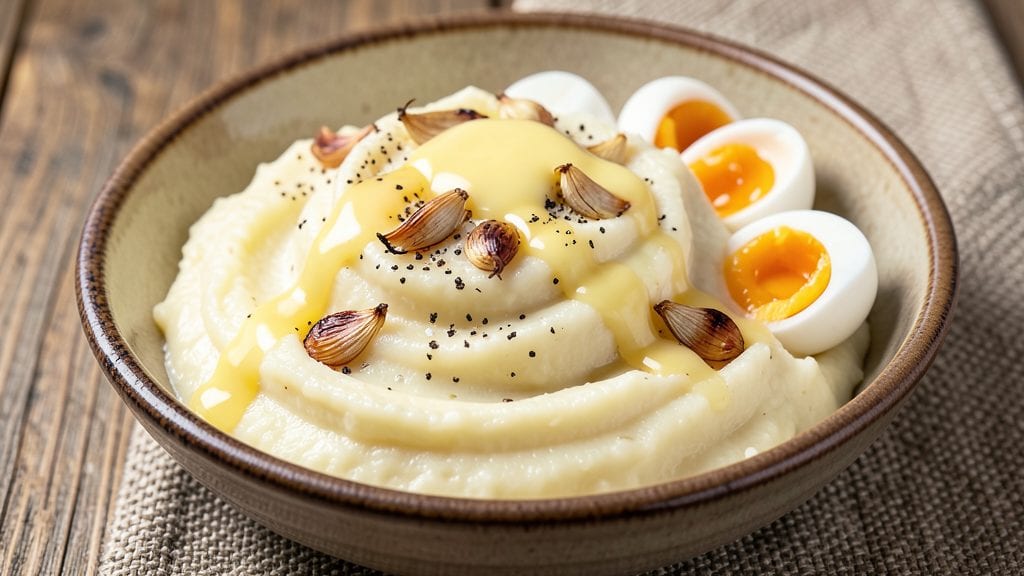
Mastering this mushed potatoes recipe begins with steaming potatoes until tender, then mashing them to a velvety consistency with rich butter and warm milk. This method ensures every bite is smooth, creamy, and impossible to resist, whether you're serving them alongside a holiday roast or a weeknight dinner.
The secret lies in precise timing and the right balance of moisture and fat to achieve that signature buttery texture.
What sets this recipe apart is its foolproof approach to achieving fluffiness without lumps, a common challenge when making mashed potatoes. By boiling the potatoes until they’re fork-tender and then draining them thoroughly, you create the ideal base for a silky-smooth finish.
The addition of butter and milk—not cream—keeps the texture light while delivering that unmistakable richness. Even beginners can master this technique with just a few key steps.
Once you’ve reached that buttery, velvety perfection, you’ll have a side dish that’s as impressive as it is delicious. The result is a bowl of mashed potatoes so smooth and tender, it feels like a hug for your taste buds.
Pair it with gravy, roasted meats, or even as a base for loaded potato dishes. This is the kind of recipe that transforms a simple side into the star of the meal.
For those who love customization, you can easily adapt this recipe with garlic, roasted potatoes, or even a vegan twist. The foundation remains the same—just tweak the seasonings or ingredients to suit your preferences. Let’s get started on creating the creamiest, most satisfying mashed potatoes you’ve ever made.
Ingredients for mushed potatoes
Eight essentials for velvety, lump-free mashed potatoes that taste like holiday perfection every time.
| Ingredient | Amount | Notes |
|---|---|---|
| Russet Potatoes 🥔 | 2 ½ lb | Medium size, peeled and quartered |
| Unsalted Butter 🧈 | ½ cup | Cold, cut into small cubes |
| Whole Milk 🥛 | ½ cup | Warm, not hot |
| Diamond Crystal Kosher Salt 🧂 | 1 ½ tsp | Adjust to taste |
| Freshly Ground Black Pepper 🌶️ | ½ tsp | Freshly cracked preferred |
| Roasted Garlic Cloves 🧄 | 2 cloves | Optional, for depth |
| Heavy Cream 🥛 | ¼ cup | Optional, for extra richness |
| Fresh Chives 🌿 | 2 tbsp | Chopped, for garnish |
Russet potatoes are your best bet—their high starch content breaks down beautifully for that signature fluffiness. Buy them in bulk at Costco or Trader Joe's for the best price and freshness. Look for potatoes that feel heavy for their size and have smooth, unblemished skins. Peeled and quartered, they cook faster and more evenly. For extra flavor, roast the garlic cloves first—just wrap them in foil with a drizzle of olive oil and bake at 400°F for 30 minutes. The caramelized sweetness adds a whole new dimension (and it’s worth the extra minute).
No butter? Olive oil or coconut oil works in a pinch, though the flavor won’t be as rich. Swap whole milk for half-and-half or warm water if that’s what you have, but the texture will be slightly lighter. Freshly ground pepper makes a difference—pre-ground loses its punch fast. For a vegan twist, use nutritional yeast and olive oil instead of butter and milk. The roasted garlic cloves can be skipped, but if you’re feeling fancy, add a pinch of nutmeg for warmth. And if you’re making this ahead, store the cooked potatoes in the fridge—just reheat with extra butter and milk before mashing.
Potatoes keep for 3-5 days in the fridge once peeled, but cook them fresh for the best texture. The mashed potatoes reheat beautifully—just warm with a splash of milk and a pat of butter until creamy. Portion into containers for easy lunches, or freeze for up to 3 months. For a restaurant-worthy touch, press the potatoes through a ricer instead of mashing with a fork—it eliminates every last lump. And save those potato peels! Toss them in olive oil, bake at 425°F for 20 minutes, and you’ve got crispy, flavorful chips.
Why You'll Love This Recipe
- Here’s what sold me: boiling potatoes until they’re tender enough to mash with a fork, then folding in warm butter and milk. No food processor needed, no lumps, just that buttery, smooth texture that feels like a hug in your mouth.
- Four-Ingredient Magic: I swear by this combo—just potatoes, butter, milk, and salt. That’s it. No fuss, no extra shopping trips, and the results? Rich, velvety perfection every time.
- Creamy Without the Hassle: Here’s what sold me: boiling potatoes until they’re tender enough to mash with a fork, then folding in warm butter and milk. No food processor needed, no lumps, just that buttery, smooth texture that feels like a hug in your mouth.
- Weeknight Wonder: Between us, this is my go-to when I’m starving after work but don’t want to slave over dinner. Toss a few potatoes in boiling water, let them simmer while I chop veggies or grill steak—by the time everything else is ready, these are done. (Yes, even on a Tuesday night.)
Step-by-step instructions for buttery velvety mashed potatoes
Here's the method I've perfected for restaurant-quality mashed potatoes every time—silky, rich, and perfectly fluffy.
Prep and Boil the Potatoes
Start by peeling and quartering the 2.5 lb russet potatoes, removing any blemishes or sprouts. This size ensures they cook evenly without turning mushy. Place them in a large pot and cover with cold water by about 2 inches—just enough to fully submerge them. Add 1.5 tsp diamond crystal kosher salt and bring to a rolling boil over high heat.
Once boiling, reduce heat to medium-high and cook for 15-20 minutes until a knife slides in easily with just slight resistance. You'll know they're done when the edges begin to soften but the center still offers a tiny bit of pushback. Drain immediately in a colander and return them to the pot to work off excess steam—this prevents gummy texture.
Heat and Prepare the Dairy
While the potatoes cook, warm the 0.5 cup whole milk in a small saucepan over low heat until it reaches 160°F—just warm enough to melt butter but not hot enough to scald. In a separate bowl, combine the 0.5 cup unsalted butter (cut into small cubes) with the 0.25 cup heavy cream and 0.5 tsp freshly ground black pepper. Let this mixture sit at room temperature for 5 minutes to soften slightly.
This step is crucial for achieving that velvety texture. The warm milk helps emulsify the butter perfectly, while the heavy cream adds luxurious richness. I like to use roasted garlic cloves here—if you're using them, mash them lightly with a fork and add them to the dairy mixture now for subtle depth.
Mash to Silky Perfection
Return the drained potatoes to the pot and let them sit for 1 minute to dry out any residual moisture. Then, using a potato masher or ricer, work the potatoes until they reach your desired consistency—smooth and lump-free for classic mashed potatoes or slightly rustic with small lumps for texture. I prefer a smooth finish for this recipe, so I give it an extra 30 seconds of attention.
Gradually add the warm dairy mixture while stirring constantly. The heat from the potatoes will melt the butter completely, creating a luxurious, creamy base. If the mixture seems too thick, add 1-2 tablespoons of the warm milk to reach that ideal, spreadable consistency. Taste and adjust seasoning with additional diamond crystal kosher salt if needed—this is where the magic happens.
Finish and Serve
Transfer the mashed potatoes to a serving bowl and gently fold in the 2 cloves roasted garlic cloves (if using) and 2 tbsp chopped fresh chives. The chives add a bright, fresh finish that cuts through the richness. Cover the bowl loosely with plastic wrap pressed directly onto the surface to prevent a skin from forming, and let rest for 5-10 minutes—this allows the flavors to meld and the texture to become even smoother.
Serve immediately while warm, spooning onto plates with a light hand. The potatoes should be velvety smooth, with just enough body to coat a spoon. For extra presentation, garnish with a sprinkle of freshly ground black pepper and a few more chopped chives. This is where all your effort pays off—creamy, buttery perfection in every bite.
Pro Tips For Making Mushed Potatoes
- BOIL THEM WHOLE: Skip peeling and chopping—just scrub Russets clean, poke them with a fork, and boil them whole. They’ll cook faster, lose fewer nutrients, and mash up creamier. (Yes, even the skin breaks down into fluff.)
- SALT THE WATER LIKE THE OCEAN: Add 1½ tablespoons Diamond Crystal kosher salt to the boiling water—more than you’d use for pasta. Russets need that much salt to develop real flavor, and you’re not just seasoning the water, you’re seasoning the potatoes themselves.
- DON’T RUSH THE DRYING: After draining, spread the potatoes on a rimmed baking sheet and let them steam-dry for 5 minutes. Cold, wet potatoes release more liquid when mashed, and no one wants gluey potatoes. (I know, I know—you’re eager to mash, but trust me.)
- WORK IN THE BUTTER LAST: Fold in the butter and milk at the very end, when the potatoes are just broken down. Adding it too early cooks the butter and makes the mash greasy. A few tablespoons of warm milk and cold butter at the end keeps everything silky and controlled.
Dietary considerations for mushed potatoes
Classic Gluten-Free
This recipe is naturally gluten-free since it only requires potatoes, butter, and milk. I always double-check labels on butter and milk to ensure they’re certified gluten-free, especially if using brands like Organic Valley or Kirkland Signature.
The key is using a potato ricer instead of a fork to mash—it creates that signature smooth texture without any risk of gluten contamination. Serve with gluten-free gravy or a drizzle of olive oil for extra richness. 🥔
Dairy-Free Adaptation
For a dairy-free version, replace butter with olive oil or coconut oil (about ¼ cup total) and use unsweetened almond milk or oat milk warmed to 160°F. I recommend Silk Unsweetened Almond Milk for its neutral flavor.
Add 1 tbsp nutritional yeast for a cheesy depth, and a pinch of turmeric for color. The texture stays creamy but slightly lighter than the classic version. 🌱
Low-Carb Keto Option
To make this keto-friendly, swap potatoes for cauliflower—use 4 cups riced cauliflower (about 1 large head) and steam until tender. Mash with 2 tbsp butter or ghee, ¼ cup heavy cream, and a pinch of garlic powder.
The result is a lighter, lower-carb side that pairs perfectly with steak or salmon. I use Organic Prairie ghee for its rich, neutral flavor. 🥬
Vegan Version
For a fully vegan mashed potatoes, use olive oil or vegan butter (about ½ cup total) and unsweetened plant-based milk like soy or cashew milk. Add 1 tbsp nutritional yeast for umami and a pinch of white miso paste for depth.
I also include ½ tsp smoked paprika to mimic the richness of dairy. The texture is still creamy but holds up better to reheating than dairy-based versions. 🌿
Allergen-Friendly Tips
If you're avoiding dairy but still want creaminess, try cashew cream—blend ½ cup soaked cashews with ½ cup water until smooth. For nut-free options, use sunflower seed butter or extra olive oil. Always check labels on spices like garlic powder or onion powder for hidden allergens.
I keep a stash of Trader Joe’s Everything But the Bagel seasoning for a flavor boost that’s free from top allergens. ✨
Nutrition facts
Frequently asked questions
Why do my mashed potatoes turn out gummy?
Overcooking potatoes releases excess starch, which makes them gummy. Always cook russets until tender but still firm to the touch—about 15-20 minutes in boiling water. Drain them immediately and return to the pot to work off excess steam for 1 minute before mashing. This simple step prevents that sticky texture.
Can I make mashed potatoes ahead of time?
Yes! Cook and mash the potatoes, then store them in an airtight container in the fridge for up to 3 days. To reheat, warm with a splash of milk and extra butter until creamy. For freezing, portion into containers and freeze for up to 3 months. Thaw overnight in the fridge before reheating.
What's the best tool for smooth mashed potatoes?
A potato ricer or food mill creates the silkiest texture without lumps. If you don't have one, use a hand masher and press potatoes through a fine-mesh sieve for restaurant-quality smoothness. For chunky mashed potatoes, a fork works fine—just mash until slightly lumpy for texture.
How do I fix lumps in my mashed potatoes?
Lumps happen when potatoes aren't mashed enough or when cold dairy is added. To fix them, press the potatoes through a ricer or sieve. For extra smoothness, use an immersion blender (on low) or vigorously stir with a wooden spoon. Warm the dairy first—cold butter creates lumps when mixed with hot potatoes.
Can I use sweet potatoes for this recipe?
Sweet potatoes work differently—they're denser and need longer cooking. For best results, boil peeled sweet potato cubes for 25-30 minutes until fork-tender. Mash with butter, milk, and a pinch of cinnamon or maple syrup. The texture will be slightly thicker and more moist than russet potatoes.