
Side Dishes
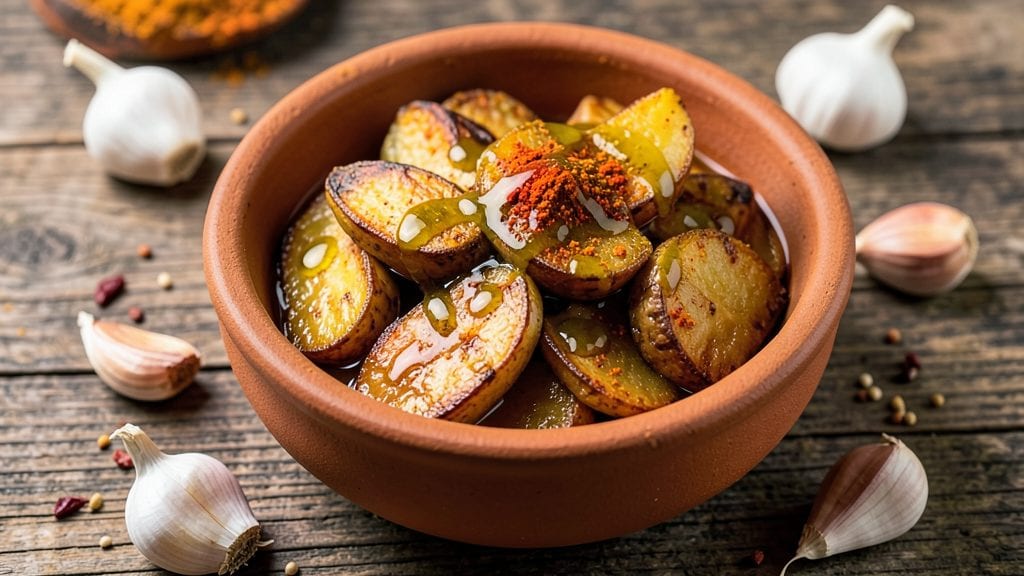
This Nepali potato pickle recipe brings the bold, tangy flavors of Himalayan cuisine straight to your kitchen with a fermentation process that transforms simple potatoes into a complex, spiced condiment.
The key lies in the traditional blend of mustard oil, garlic, and fiery red chili—ingredients that create a depth of flavor unlike any store-bought pickle. I developed this after years of perfecting the balance between sharpness and richness, ensuring every bite delivers that signature Nepali tang.
The process begins with carefully peeled and sliced potatoes, which ferment in a spiced brine for at least three days—though the longer it sits, the more intense the flavor becomes. Mustard oil, a staple in Nepali cooking, adds a distinct aroma and richness that sets this pickle apart from others.
Turmeric and asafoetida (hing) contribute earthy warmth, while garlic and green chilies bring the heat. This isn’t just a side dish; it’s a flavor experience that elevates every meal.
What you’ll end up with is a vibrant, golden pickle with a perfect balance of spicy, tangy, and slightly sweet notes. The texture is firm yet tender, and the aroma alone will transport you to the streets of Kathmandu.
This pickle pairs beautifully with steamed rice, dal, or as a standalone snack—its bold flavors make it a staple in Nepali households. The best part? It keeps for months in the refrigerator, allowing you to enjoy this authentic taste of Nepal whenever you crave it.
Ready to transform humble potatoes into a restaurant-worthy condiment? Let’s dive into the step-by-step process, from preparation to fermentation, so you can bring this traditional Nepali flavor to your table. The effort is minimal, but the reward is unmatched authenticity. Here’s everything you need to know to make it perfectly.
Ingredients for nepali potato pickle
Simple ingredients transform into a restaurant-worthy Nepali pickle with bold tangy-spicy depth.
| Ingredient | Amount | Notes |
|---|---|---|
| Russet Potatoes 🥔 | 2 ½ lb | Peeled, cut into 1-inch slices |
| Mustard Oil 🫒 | 1 cup | Cold-pressed, for authentic flavor |
| Red Chili Powder 🌶️ | 3 tbsp | Adjust for spice preference |
| Turmeric Powder 🌿 | 1 tbsp | Freshly ground preferred |
| Asafoetida (Hing) 🌿 | ½ tsp | Essential for authentic aroma |
| Garlic Cloves 🧄 | 8 cloves | Peeled, crushed for infusion |
| Green Chilies 🌶️ | 4 whole | Slit lengthwise, seeds removed |
| Salt 🧂 | 1 ½ tbsp | Kosher or sea salt |
| Sugar 🍯 | 2 tbsp | Balances tanginess |
| Water 💧 | 1 ½ cups | Filtered or boiled |
| Lemon Juice 🍋 | ½ cup | Freshly squeezed |
| Fresh Fenugreek Leaves (Methi) 🌿 | ¼ cup | Optional, for extra aroma |
Mustard oil is the heart of this pickle—look for cold-pressed in Indian grocery stores or specialty shops. Trader Joe's sometimes carries it, but authentic brands like Kesar or Saffola are worth hunting down. The red chili powder should be vibrant, not dull; Amul or MDH are reliable brands. Fresh fenugreek leaves add complexity, but dried methi works in a pinch (use half the amount). Potatoes need to be uniform slices—no thicker than 1 inch—so they ferment evenly. If you can't find asafoetida, garlic powder at 1/4 tsp mimics the umami punch.
No mustard oil? Vegetable oil with 1 tsp mustard seeds gets you close, though the aroma won't be identical. Short on green chilies? Cayenne pepper at half the amount works, but you'll lose that fresh heat. The sugar might seem odd, but it's crucial—brown sugar adds depth if you're feeling fancy. For the brine, boiled water prevents cloudiness. If you're making this ahead, add lemon juice last to preserve its brightness. The fenugreek leaves? Skip if unavailable—it's optional but magical.
This pickle gets better with time—minimum 3 days, maximum 3 months in the fridge. Store in a sterilized glass jar with a tight seal. The oil will rise to the top; stir before serving. Portion into small jars for gifts—it makes a stunning homemade present. The flavor peaks at 2-3 weeks, so plan ahead. Freezing isn't recommended, but the fridge version keeps indefinitely if properly sealed.
Why You'll Love This Recipe
- No-Chop Required: I swear by this trick—just peel and slice those Russets into thick rounds. No dicing, no mincing, no stress. The mustard oil does all the flavor work while you sip tea.
- Fiery Comfort in a Jar: That first bite of crispy potato with the slow-building heat from the chili powder and hing? It’s the kind of flavor that makes you reach for seconds without thinking. Honestly, it’s the only pickle I keep in my fridge.
- Party in a Pinch: Forget buying store-bought pickles when guests drop by. This keeps for weeks in the fridge, pairs with everything from dal to roti, and even elevates a simple sandwich. My lazy-Sunday-brunch secret.
- Pocketbook Hero: Mustard oil and spices cost pennies, and potatoes last forever. I make a big batch once a month, portion it out, and never stress about grocery runs. Budget-friendly? More like budget-smart.
Step-by-step instructions for Nepali potato pickle
Here's how to create this bold, tangy pickle with layers of spice and fermentation.
Prepare the Potato Base
Start by peeling the 2.5 lb russet potatoes and cutting them into 1-inch thick slices. Arrange them in a single layer on a clean kitchen towel to absorb any excess moisture. This step is crucial—wet potatoes will dilute the spices and prevent proper fermentation.
In a large bowl, combine the potato slices with 1.5 tbsp salt and the 0.25 cup fresh fenugreek leaves (methi). Gently toss everything together until the potatoes are evenly coated. Let them sit for 30 minutes while you prepare the spice mixture. This salting process begins drawing out moisture, which helps create the perfect texture for the pickle.
Create the Spice Infusion
In a small saucepan, heat the 1 cup mustard oil over low heat. Add the 8 peeled garlic cloves and 4 slit green chilies, cooking for 3-4 minutes until the garlic turns golden and the chilies soften slightly. Remove from heat and let cool for 5 minutes—this prevents burning when you add the dry spices.
In a separate bowl, mix together the 3 tbsp red chili powder, 1 tbsp turmeric powder, and 0.5 tsp asafoetida (hing). Slowly pour the cooled oil over the spice mixture while stirring continuously. This creates a fragrant paste that will infuse the potatoes with deep, aromatic flavors. Let this mixture sit for 10 minutes to allow the spices to bloom fully.
Combine and Ferment
Transfer the salted potatoes to a clean, sterilized glass jar or ceramic container. Pour the spice-infused oil evenly over the potatoes, pressing down gently to ensure everything is coated. Add the 1.5 cups water and 0.5 cup freshly squeezed lemon juice, stirring once more to distribute everything evenly.
Cover the container loosely with a clean cloth or lid (not airtight) and let it ferment at room temperature for 24 hours. You'll notice bubbles forming and the liquid turning slightly cloudy—this is normal and indicates fermentation is working. After 24 hours, transfer to the refrigerator where it will continue fermenting slowly, developing richer flavors over the next 3-5 days.
Add Sugar and Finalize
After 3 days of fermentation, stir in the 2 tbsp sugar to balance the tanginess. The sugar will help preserve the pickle while adding subtle sweetness that complements the spicy flavors. Let it sit in the refrigerator for another 24 hours to allow the sugar to fully integrate and the flavors to meld.
Before serving, give it one final taste and adjust seasoning if needed. The pickle should have a perfect balance of tangy, spicy, and slightly sweet flavors with a satisfying crunch. Store in an airtight container in the refrigerator where it will keep for up to 2 months, developing even more complex flavors over time.
Pro Tips For Making Nepali Potato Pickle
- Parboil Until Fork-Tender: Russets stay waxy if you rush this—drop them in boiling water for 10-12 minutes until a knife slides in like butter. Overcooking turns them mushy, and nobody wants that in a pickle where texture matters.
- Toast the Spices First: Heat your mustard oil on medium-low until it shimmers, then add turmeric and chili powder. Let them sizzle for 30 seconds—this deepens their flavor way more than just dumping them in. (Yes, even if you’re impatient like me.)
- Skip the Raw Potatoes: Cooling the parboiled potatoes completely before slicing prevents them from turning to mush in the oil. I learned this the hard way after my first batch turned into a sad, soupy pile.
- Bloom the Hing in Oil: Add asafoetida when the oil is hot but not smoking—it should dissolve instantly. If you wait, you’ll taste the raw powder instead of that umami punch. (Pro move: crush the hing lightly first for faster release.)
Essential equipment for nepali potato pickle
Mustard Oil Infuser
Mustard oil is the soul of this pickle, so I recommend using a stainless steel infuser or a small saucepan with a tight-fitting lid to gently infuse the garlic and chilies without burning. I use a 3-quart stainless steel pot from Cuisinart—it distributes heat evenly and prevents scorching.
If you don’t have one, a small heavy-bottomed pan works too, but keep the heat low to avoid bitter flavors. 🌶️
Glass Fermentation Jars
Fermentation requires airtight but breathable containers. I prefer quart-sized glass mason jars with wide mouths for easy stirring and layering. The Ball Mason brand (available at Walmart or Amazon) is my go-to—they’re durable, non-reactive, and come with airlock lids for controlled fermentation.
For larger batches, stack 2-quart jars in a cooling rack to ensure even airflow during the initial 24-hour room-temperature fermentation.
Precision Scale
A digital kitchen scale (like the OXO Good Grips model) is essential for measuring asafoetida and turmeric powder accurately—these spices are potent, and even 0.1 tsp too much can overpower the dish.
I weigh my 0.5 tsp asafoetida and 1 tbsp turmeric to ensure perfect balance. For the potatoes, a scale helps standardize slices—aim for 1-inch thickness for even fermentation. 💡
Sterilization Tools
To prevent mold or off-flavors, sterilize your jars and tools before use. I boil glass jars and lids in water for 10 minutes, then dry them on a clean kitchen towel. For tools, I use 70% isopropyl alcohol to wipe down knives, spoons, and funnels.
A steam sanitizer (like the Presto 02300) speeds up the process if you’re making multiple batches. Never skip this step—contamination ruins fermentation! ⚡
Spice Grinder
Freshly ground spices make all the difference. I use a small electric spice grinder (like the Black+Decker CMG300) to grind turmeric and red chili powder just before mixing. For asafoetida, a mortar and pestle works best—crush it into a fine powder to release its umami depth.
If you don’t have a grinder, store-bought powdered spices (like MDH or Amul) are fine, but toast them in a dry pan for 30 seconds to intensify their aroma.
Lemon Juice Squeezer
Fresh lemon juice is key for tanginess, so I use a handheld citrus juicer (like the OXO Good Grips) to extract 0.5 cup without seeds or pulp. Avoid bottled juice—it lacks the bright acidity needed to balance the spices.
If you’re squeezing manually, roll the lemon on the counter first to break up the juices, then cut it in half and use a spoon to scoop out the pulp before juicing. 🍋
Nutrition facts
Frequently asked questions
How long does it take for the pickle to be ready?
The minimum fermentation time is 3 days, but the flavors develop best after 2-3 weeks in the refrigerator. The longer it sits, the more complex and tangy it becomes. For immediate use, wait at least 5 days—this ensures the potatoes absorb the spices fully while maintaining a crisp texture.
Can I make this pickle without mustard oil?
Yes, but the flavor won't be authentic. Substitute with vegetable oil and add 1 tsp mustard seeds to mimic the aroma. For a closer match, use sesame oil (toasted) and a pinch of asafoetida—this combo captures the earthy depth. The oil is key for preserving the pickle's rich texture and spice infusion.
Why did my pickle turn cloudy or develop mold?
Cloudiness is normal during fermentation, but mold indicates contamination. Always sterilize jars and tools, and use filtered or boiled water. If mold appears, discard the batch—it can't be safely salvaged. To prevent this, keep the container loosely covered during the first 24 hours (not airtight) and refrigerate afterward. Proper hygiene is critical for safe fermentation.
How do I adjust the spice level?
Reduce heat by cutting green chili in half or using 1 tbsp milder chili powder. For extra kick, add 1 extra green chili or a pinch of cayenne pepper. Taste the spice oil before mixing—it should be vibrant but not overwhelming. Adjust gradually, as spices intensify during fermentation.
Can I use sweet potatoes instead of russets?
Sweet potatoes work but yield a sweeter, softer pickle. Stick to russets or Yukon Golds for the classic firm texture. If using sweet potatoes, reduce sugar to 1 tbsp and increase lemon juice to 0.75 cup to balance the natural sweetness. The fermentation process will still work, but the flavor profile changes significantly.