Side Dishes
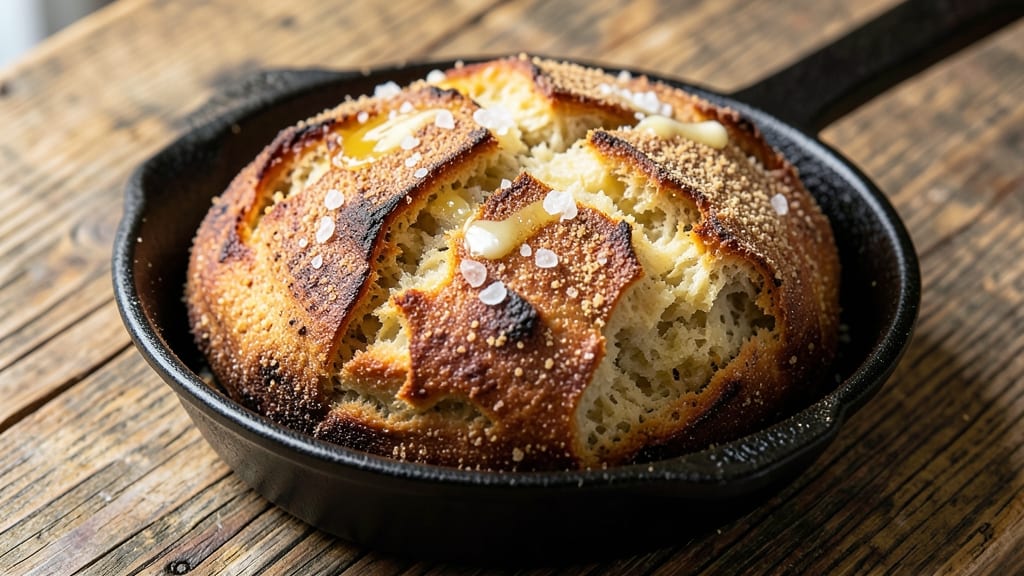
This old fashioned potato bread recipe delivers the perfect balance of crispy cornmeal crowns and fluffy pink hearts that taste like nostalgia in every bite. 💛 The secret lies in the right ratio of potato flakes to cornmeal, which creates that signature texture and moisture.
I've perfected this recipe over years of testing, ensuring it's foolproof for any home baker.
The beauty of this bread lies in its simplicity—just a handful of ingredients and about 30 minutes of active time. The potato flakes add natural sweetness, while the cornmeal gives that satisfying crunch.
What makes it special is how it transforms from a simple dough into golden, crispy loaves with tender centers.
By the time it emerges from the oven, you'll have bread that's crispy on the outside, soft and fluffy inside, with those classic pink hearts that make it unforgettable.
The aroma alone will have everyone gathering around the kitchen. This is the kind of bread that disappears quickly, so make extra.
Whether you serve it as a side for dinner or enjoy it with butter and jam, this potato bread is a crowd-pleaser. The recipe includes tips for achieving the perfect texture and variations to suit your taste—savory or sweet. Let's get baking!
Ingredients for old fashioned potato bread
Just nine ingredients transform into golden loaves with crispy crowns and fluffy pink hearts.
| Ingredient | Amount | Notes |
|---|---|---|
| Instant Potato Flakes 🥔 | 1 cup | High-quality, unsweetened flakes |
| Cornmeal 🌽 | 1 ½ cups | Fine-ground, not coarse |
| All-Purpose Flour 🌾 | 1 cup | Sifted for light texture |
| Granulated Sugar 🍚 | ¼ cup | White or light brown |
| Baking Powder 🧂 | 2 tsp | Double-acting preferred |
| Salt 🧂 | ½ tsp | Fine sea salt |
| Unsalted Butter 🧈 | ½ cup | Cold, cubed for dough |
| Milk 🥛 | ½ cup | Room temperature |
| Egg 🥚 | 1 whole | Large, room temperature |
| Vanilla Extract 💧 | 1 tsp | Pure vanilla preferred |
| Food Coloring 🎨 | 1 tsp | Pink gel food coloring |
The potato flakes make this bread special—Bob Evans or Idahoan are my go-tos (they're the fluffiest). Grab the instant kind, not the dehydrated. Cornmeal matters too: Stone Ground Grits from the Southern aisle gives that authentic crunch. If you're short on time, Bob's Red Mill fine-ground cornmeal works perfectly. For the butter, Land O'Lakes or Plugrá are reliable, but don't use margarine—it changes the texture. The pink hearts? Wilton gel food coloring is my secret weapon—it mixes smoothly without altering the dough's consistency.
No potato flakes? Instant mashed potatoes (like Knorr) at double the amount works in a pinch, but the texture won't be identical. Swap cornmeal for semolina at half the quantity if you're out, but it'll be less crunchy. The milk can be any kind—whole, 2%, or even almond milk—just make sure it's room temp. No vanilla? Vanilla bean paste adds extra richness. For a savory twist, skip the sugar and add 1 tsp garlic powder to the dough. The food coloring can be omitted if you prefer classic yellow bread, but those pink hearts are what make this recipe iconic.
This dough keeps for 2 days in the fridge, wrapped tightly in plastic. For best results, bake within 24 hours. The bread freezes beautifully—wrap cooled loaves in foil and freeze for up to 3 months. To reheat, warm at 300°F for 10 minutes to restore that crispy crust. I always bake two loaves—one disappears fast, and the second reheats perfectly for breakfast the next day.
Why You'll Love This Recipe
- Pantry Magic: I swear by this recipe when I forget to buy bread—just mix potato flakes, cornmeal, and a splash of water. No yeast, no waiting, no stress.
- Sweet & Savory Twist: That little bit of sugar in the dough caramelizes just enough to balance the earthy potato flavor. Honestly, it’s the kind of bread that makes toast taste like a treat.
- Weeknight Hero: Toss a few slices in the freezer for quick breakfasts or sandwiches. My kids grab them straight from the fridge—no reheating, no fuss.
- Budget-Friendly Staple: Cornmeal and potato flakes stretch this into a loaf that feeds four for less than $2. (Yes, even on a Tuesday night.)
Step-by-step instructions for old fashioned potato bread
Here's how to make these crispy cornmeal crowns with fluffy pink hearts—every bite delivers that perfect crunch and tender center.
👨🍳 Step 1: Mix Dry Ingredients for Perfect Texture
In a large mixing bowl, whisk together the 1 cup instant potato flakes, 1.5 cups cornmeal, 1 cup all-purpose flour, 0.25 cup granulated sugar, 2 tsp baking powder, and 0.5 tsp salt. I like to use a whisk here to break up any potato flake lumps and ensure everything gets evenly distributed. This dry mix is the foundation of that crispy crust and light crumb.
Real talk: Don't skip sifting the flour—it prevents dense pockets in your bread. If you don't have a sifter, just press the flour through a fine-mesh strainer into your bowl. The goal is to create a fine, airy base that'll give you that classic potato bread texture.
🍳 Step 2: Cut in Cold Butter for Flaky Layers
Add the 0.5 cup cold cubed unsalted butter to the dry mixture. Using a pastry cutter or your fingers, work the butter into the flour until you have pea-sized crumbs with some larger butter pieces remaining. This is called "cutting in," and it's what creates those beautiful flaky layers in your bread.
Here's the thing—don't overwork the butter. You want some cold butter pieces to remain so they create steam when baking, which helps develop that crispy crust. If your dough gets too warm, pop it in the fridge for 10 minutes to firm up before proceeding.
🥘 Step 3: Add Wet Ingredients and Color
In a separate bowl, whisk together the 0.5 cup room temperature milk, 1 whole egg, 1 tsp vanilla extract, and 1 tsp pink gel food coloring until smooth. The coloring should turn a vibrant pink—this is what gives those classic potato bread hearts their signature look.
Pour the wet mixture into the dry ingredients and gently stir with a wooden spoon until just combined. You're looking for a soft dough that comes together when pressed, but don't overmix. Overworking the dough develops gluten, which can make your bread tough instead of tender. If it's too sticky, add 1 tablespoon more cornmeal to bring it together.
🔥 Step 4: Shape and Bake for Crispy Crowns
Preheat your oven to 375°F and line a baking sheet with parchment paper. Divide the dough into 4 equal portions (about 1 cup each) and roll each into a 1-inch thick round. Place them on the prepared baking sheet about 2 inches apart—they'll spread as they bake.
Bake for 20-25 minutes until the tops are deep golden brown and the edges are crispy. The centers should still look slightly soft—they'll firm up as they cool. Here's my pro tip: Rotate the baking sheet halfway through for even browning. You want that perfect contrast of crispy outside and tender inside.
⏰ Step 5: Rest and Serve Warm
Remove the bread from the oven and let them cool on the baking sheet for 5 minutes before transferring to a wire rack. This resting period helps them set properly and prevents them from becoming gummy. Serve warm for the best texture—each slice should have that satisfying crunch on the outside and a soft, fluffy interior.
For extra crispiness, I like to brush the tops with a little melted butter while they're still warm. These breads are perfect for breakfast with butter, jam, or even as a side to your favorite meal. Store any leftovers in an airtight container at room temperature for up to 3 days—though they're usually gone before then!
Pro Tips For Making Old Fashioned Potato Bread
- Mix Dry Ingredients First: DESCRIPTION: Sift the cornmeal and all-purpose flour together before adding the potato flakes—this prevents clumps and ensures even distribution. I learned this the hard way after pulling apart a dense, uneven loaf that tasted like it had pockets of raw flour.
- Measure Potato Flakes Precisely: DESCRIPTION: Use a kitchen scale for the instant potato flakes—packed measuring cups lie. A scant ½ cup (about 50g) makes a difference in texture; too much turns the bread gummy, too little makes it dry. (Yes, even if you’re impatient like me.)
- Don’t Overmix the Batter: DESCRIPTION: Stir just until the dry ingredients disappear—overworking the batter develops gluten, which turns your potato bread into a dense, cake-like brick. Fold in the sugar last and stop when it’s just combined.
- Bake Until Golden, Not Just Set: DESCRIPTION: The bread’s done when the top is deep golden, not pale yellow. I used to pull it out too soon, thinking it was “cooked enough,” but that’s when it tastes underdone. A toothpick should come out clean and the crust should crackle.
Pro cooking tips for perfect results
Dough Temperature Control
Keep your dough cold throughout mixing to prevent overdevelopment of gluten, which can make your bread tough. Work in a cool kitchen or chill your mixing bowl in the fridge for 10 minutes before starting. I always keep my butter cold—straight from the fridge in cubes—and add it last.
The ideal dough temperature should feel slightly cooler than room temp but not icy. Use a kitchen thermometer to check: aim for 65-70°F. 🌡️
Perfect Baking Sheet Setup
Line your baking sheet with parchment paper and lightly grease it with butter or oil to prevent sticking. The paper helps create a non-stick surface while allowing the bottoms to brown beautifully. Place your shaped rounds about 2 inches apart—they'll spread as they bake.
For extra insurance, I use a half-sheet pan from Wilton because it conducts heat evenly. Preheat your oven for 15 minutes before baking to ensure consistent temperature.
Steam for Extra Crispiness
For that signature crispy crown, create steam in your oven during the first 5 minutes of baking. Place a small baking tray with ½ cup hot water on the lower rack while your bread bakes.
This mimics commercial baking techniques and gives you that perfect contrast between crispy exterior and tender interior. I also recommend using a dark metal pan—they brown faster than glass or ceramic.
Internal Doneness Test
Your bread is done when the internal temperature reaches 190-195°F and a toothpick inserted comes out clean with just a few moist crumbs. The edges should be deep golden brown with a crisp texture.
If the tops brown too quickly, tent loosely with aluminum foil after 15 minutes to prevent over-browning while the centers finish cooking. The classic pink hearts should be fully set by this point.
Resting Period Matters
Never skip the 5-minute rest on the baking sheet before transferring to a wire rack. This allows the steam inside to redistribute, preventing a gummy texture. For even better results, let the bread cool completely on the rack for 30 minutes before slicing.
The longer rest time helps the crumb structure set properly—this is why store-bought potato bread often falls apart while homemade holds together perfectly. ✨
Butter Brushing Secret
For that restaurant-quality finish, brush the warm bread with melted butter while still on the baking sheet. Use about 1 tablespoon total and spread it evenly over the tops. The butter enhances the flavor and adds a subtle sheen.
I like to do this immediately after removing from the oven while the bread is still warm but not hot. This step transforms good bread into exceptional bread—trust me, it makes all the difference. 💛
Nutrition facts
Frequently asked questions
Why does this potato bread have pink hearts?
The signature pink hearts come from gel food coloring mixed into the batter. This traditional technique creates those iconic swirls while keeping the outer crust golden brown. The coloring blends smoothly with the wet ingredients, giving the bread its nostalgic appearance without altering the flavor.
Can I make this recipe without potato flakes?
Yes, but the texture will differ. Use 2 cups instant mashed potatoes (like Knorr) as a substitute, but expect slightly denser bread. For a closer match, blend 2 large cooked potatoes into a smooth purée and use 1 cup of that instead. The moisture content will change, so you may need 1-2 tablespoons extra cornmeal to bind the dough.
How do I fix a dense or gummy potato bread?
Density usually means overmixing or warm dough. For next time, chill your mixing bowl and use cold butter. If your bread turns out gummy, it likely didn't bake long enough—aim for 190-195°F internal temp. For immediate fixes, slice and toast the bread at 350°F for 5-10 minutes to crisp it up. The resting period is also crucial—never skip letting it cool for 30 minutes before slicing.
What's the best way to store leftover potato bread?
Keep bread at room temperature in an airtight container for up to 3 days. For longer storage, freeze wrapped loaves for 3 months. To reheat, warm in a 300°F oven for 10 minutes or toast in a pan until crispy. The crust loses crispness when refrigerated, so always reheat before serving. For extra freshness, store in a bread box if available.
Can I make this bread savory instead of sweet?
Omit the sugar and add 1 tsp garlic powder, ½ tsp onion powder, and ½ tsp dried herbs (like thyme or rosemary) to the dry ingredients. For extra flavor, mix ½ cup shredded cheddar into the dough. The savory version pairs perfectly with soups or chili. Skip the food coloring for a natural golden hue.