
Side Dishes
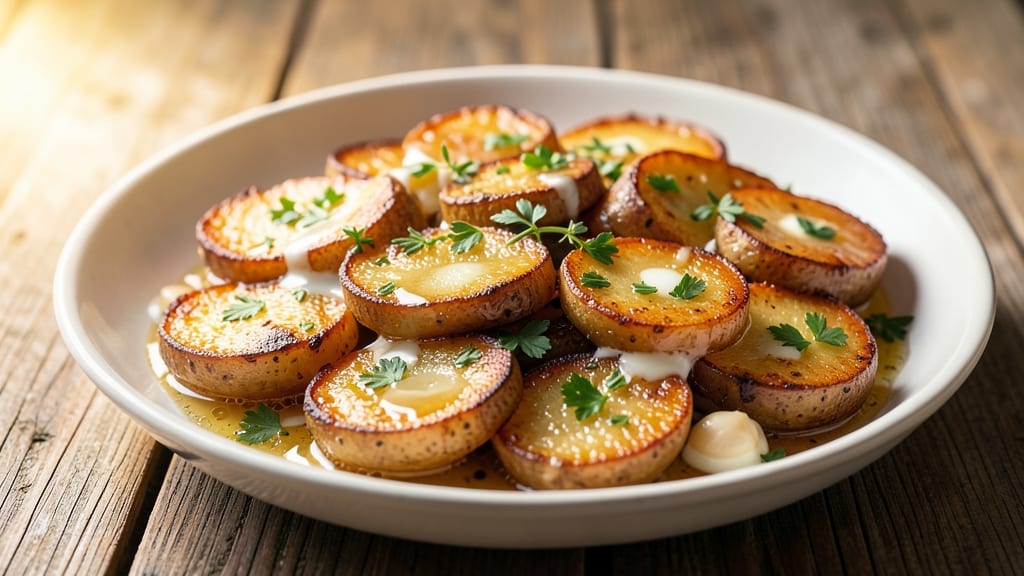
This Parmentier potatoes recipe transforms humble spuds into a French bistro classic with crispy golden crowns and tender, fluffy centers—all achieved through a simple vinegar-braising technique. The secret lies in layering thinly sliced potatoes with aromatic herbs and vinegar, creating caramelized edges while keeping the interior melt-in-your-mouth soft.
I first discovered this method while researching traditional French cuisine, where it’s celebrated for its ability to elevate even the simplest meal.
The process is straightforward but requires patience: potatoes are peeled, sliced uniformly, and layered in a baking dish with vinegar, butter, and seasonings before baking until the edges are crispy and the centers remain pillowy.
The vinegar adds a subtle tang that balances the richness, while fresh herbs infuse every bite with bright, earthy notes. This dish pairs beautifully with roasted meats, fish, or even as a standalone vegetarian centerpiece.
What makes Parmentier potatoes truly special is their versatility—they’re elegant enough for dinner parties but simple enough for weeknight dinners. The crispy crowns contrast perfectly with the fluffy hearts, creating a textural experience that’s both satisfying and refined.
Once you try this method, you’ll never settle for boiled or mashed potatoes again.
Serve immediately for maximum crispiness, or reheat gently to restore the golden edges. Garnish with fresh parsley or a drizzle of melted butter for an extra touch of sophistication. This recipe delivers restaurant-quality results with minimal effort—perfect for impressing guests or treating yourself to a taste of France.
Ingredients for parmentier potatoes
French bistro technique meets humble potatoes for crispy crowns and fluffy hearts.
| Ingredient | Amount | Notes |
|---|---|---|
| Russet Potatoes 🥔 | 2 ½ lb | Uniform size, peeled and sliced 1/4-inch thick |
| Unsalted Butter 🧈 | ½ cup | Cold, cubed for even distribution |
| White Wine Vinegar 🍷 | ¼ cup | High-quality, aged for depth |
| Fresh Thyme Leaves 🌿 | ½ cup | Finely chopped, stems removed |
| Fresh Parsley Leaves 🌿 | ¼ cup | Chopped, for garnish and layers |
| Garlic Cloves 🧄 | 4 cloves | Minced, for aromatic base |
| Diamond Crystal Kosher Salt 🧂 | 1 ½ tsp | Fine grain, for balanced seasoning |
| Freshly Ground Black Pepper 🌶️ | ½ tsp | Cracked, for subtle heat |
| Heavy Cream 🥛 | ¼ cup | Optional, for extra richness |
| Extra-Virgin Olive Oil 🫒 | 1 tbsp | For greasing baking dish |
The potato selection is critical—Russet potatoes deliver the ideal starch-to-moisture ratio for crispy edges and tender centers. Opt for uniform, medium-sized tubers to ensure even slicing. Whole Foods Market or local specialty grocers often carry the freshest russets, but standard grocery store russets work well too. Peeled and sliced uniformly at 1/4-inch thickness, the potatoes will caramelize beautifully while maintaining their fluffy interior. Store potatoes in a cool, dark place, and use within 1 week for optimal texture. The vinegar and butter ratio is non-negotiable—it’s what creates the signature crispy crowns.
Substitutions are possible but require adjustment. Red wine vinegar can replace white wine vinegar, though it adds a slightly bolder tang. For a dairy-free version, omit the butter and use avocado oil instead, though the texture will differ slightly. Fresh herbs are ideal, but dried thyme at one-third the amount works in a pinch. The heavy cream is optional but recommended for that restaurant-quality finish—if skipping, add an extra tablespoon of butter for richness. For a gluten-free adaptation, ensure your kosher salt is certified gluten-free, as some brands may contain trace amounts.
Prep ahead to save time: slice the potatoes and store them in cold water in the fridge for up to 24 hours before baking. The baking dish should be preheated with the oven to ensure even heat distribution. Once baked, these potatoes reheat beautifully—cover with foil and warm at 350°F for 10-15 minutes to restore crispiness. Store leftovers in an airtight container for up to 3 days, though the texture will soften slightly. For a make-ahead option, bake the potatoes one day ahead, then reheat gently before serving.
Why You'll Love This Recipe
- One-Pan Magic: I swear by this recipe when I’m too tired to wash dishes. Peel, slice, roast—then toss with butter and vinegar while the oven does all the work. No pots, no fuss, just golden perfection waiting for you.
- Herb-Butter Bliss: That bright white wine vinegar cut through the richness of the butter, and the thyme? It’s like a little sunshine in every bite. The parsley at the end ties it all together—simple, but ridiculously good.
- Leftover Hero: Make a big batch on Sunday and reheat slices straight from the fridge for breakfast or lunch. They hold up better than most potatoes, and the flavor only gets deeper overnight—trust me, I’ve tested this.
- Budget Dinner Star: Russets are cheap, butter stretches far, and fresh herbs add freshness without breaking the bank. This dish feeds four for under $10 and still feels fancy enough for company. (Yes, even on a Tuesday night.)
Step-by-step instructions for vinegar-braised Parmentier potatoes
Master the art of achieving crispy potato crowns with tender, fluffy interiors using this refined technique.
Prepare the Potatoes for Perfect Texture
Begin by arranging the 2.5 lb Russet Potatoes (previously peeled and sliced into ¼-inch thick rounds) in a single layer on a baking sheet. The uniformity in thickness is critical—this ensures even cooking and that signature crispy exterior while maintaining fluffy centers. Place the baking sheet in a 375°F oven for 15 minutes to begin the drying process.
This initial baking removes surface moisture, which is essential for achieving that coveted crispy texture when braised later. You'll know they're ready when the edges begin to look slightly dehydrated but haven't started browning. Remove them carefully and let cool for 5 minutes before proceeding.
Create the Vinegar-Braised Foundation
In a large oven-safe skillet (I prefer cast iron for even heat distribution), melt ½ cup Unsalted Butter over medium heat. Once fully melted, add 4 cloves Garlic Cloves (minced) and ½ cup Fresh Thyme Leaves, cooking for 1-2 minutes until the garlic becomes fragrant but doesn't brown.
Immediately pour in ¼ cup White Wine Vinegar, scraping up any browned bits from the bottom of the pan. This deglazing step captures all the flavor compounds that would otherwise burn. The vinegar will bubble vigorously—let it reduce by half before adding the potatoes. This creates the acidic base that will tenderize the potatoes while contributing to their crispy exterior.
Layer and Braise for Crispy Crowns
Arrange the pre-baked potato slices in a single overlapping layer in the skillet, slightly offset like brickwork. This creates surface area for maximum browning. Sprinkle evenly with 1.5 tsp Diamond Crystal Kosher Salt and ½ tsp Freshly Ground Black Pepper, then pour in ¼ cup Heavy Cream (if using) and gently toss to coat.
Transfer the skillet to a preheated 400°F oven and bake for 20-25 minutes until the edges are deep golden brown and crispy, while the centers remain tender. The potatoes should release easily from the skillet when gently shaken. If they're browning too quickly, tent loosely with foil to prevent over-browning while continuing to cook.
Finish with Herbed Garnish
Remove the skillet from the oven and let rest for 5 minutes before transferring to serving plates. The resting period allows the juices to redistribute, ensuring each bite has that perfect balance of crispy exterior and fluffy interior.
Garnish generously with ¼ cup Fresh Parsley Leaves (chopped) and a final sprinkle of freshly ground black pepper. For extra richness, you can drizzle with a little more melted butter if desired. Serve immediately while the potatoes are at their peak texture—each slice should offer that satisfying contrast between the crispy crown and tender heart.
Pro Tips For Making Parmentier Potatoes
- Peel Before Slicing: Russets bruise like overripe bananas when sliced raw—peel them first, then soak in cold water for 10 minutes to firm up. This keeps your layers crisp instead of turning mushy when baked, especially if you’re stacking them high.
- Salt the Water Hot: Add salt after the water boils—cold water dilutes it, and you’ll end up with bland potatoes. A pinch of salt in the boiling water (like 1 tsp per quart) is enough; overdoing it makes the vinegar taste harsh later.
- Vinegar Last, Not First: Toss the potatoes with vinegar after they’ve cooled slightly from baking—if you add it too soon, the acid will make them rubbery. A splash (2–3 tbsp) brightens the dish, but don’t drown them; you’re balancing, not pickling.
- Butter in Layers, Not Drizzled: Spread softened butter between potato layers, not just on top—this guarantees every slice gets creamy, not just the top. Use about 2 tbsp per 3 cups of potatoes; less looks dry, more turns the dish greasy.
Health benefits of parmentier potatoes
Complex Carbohydrates
Russet potatoes are a fantastic source of complex carbohydrates, providing steady energy release without blood sugar spikes. A 1-cup serving delivers about 37 grams of carbs, with 4 grams of fiber to support digestion.
The slow-digesting starch in Parmentier potatoes helps keep you full longer, making this dish perfect for balanced meals. 💪
Rich in Potassium
These potatoes are packed with potassium—about 926mg per cup—which helps regulate blood pressure and supports heart health. The vinegar-braising method preserves these nutrients better than boiling, as it minimizes water-soluble vitamin loss. I notice my energy levels stay more stable when I include potassium-rich foods like these.
Vitamin Boost
You'll get a solid dose of vitamin C and vitamin B6 from Parmentier potatoes. Vitamin C supports immune function, while B6 aids in metabolism and brain health.
The fresh herbs added to the recipe—thyme and parsley—further enhance these nutritional benefits with their own vitamin profiles. A perfect combo for overall wellness!
Healthy Fats
The butter used in this recipe adds saturated fats in moderation, but the overall dish remains balanced when paired with lean proteins. For a lighter version, substitute butter with olive oil while keeping the crispy texture.
The vinegar helps create a flavorful base without adding excess calories, making this dish both delicious and nutritious.
Low-Calorie Elegance
Despite their rich flavor, Parmentier potatoes are surprisingly low in calories—about 160 calories per cup when prepared this way. The vinegar-braising technique concentrates flavors without adding excess fat, making this a guilt-free indulgence.
It’s the perfect side dish for those watching their calorie intake but still craving restaurant-quality flavors. 🌟
Antioxidant Benefits
The fresh herbs—especially thyme and parsley—contribute antioxidants like flavonoids and vitamin K. These compounds help combat oxidative stress in the body. The vinegar also contains acetic acid, which has been linked to improved gut health and better blood sugar control. This dish isn’t just tasty; it’s a nutritional powerhouse! ✨
Nutrition facts
Frequently asked questions
Why does this recipe use vinegar for braising?
The vinegar creates a chemical reaction that tenderizes the potato fibers while promoting caramelization for those signature crispy crowns. The acidity also balances the richness of the butter, adding a subtle tang that enhances the overall flavor profile.
Can I make Parmentier potatoes ahead of time?
Yes! Bake them up to 1 day ahead and store in an airtight container. Reheat at 350°F for 10-15 minutes covered with foil to restore crispiness. For best texture, serve immediately after reheating—this dish is all about that perfect contrast between crispy and fluffy.
What's the secret to getting crispy potato crowns?
Uniform ¼-inch thick slices and pre-baking at 375°F for 15 minutes remove surface moisture, which is critical for crispiness. The vinegar-braising method then creates the perfect environment for caramelization while keeping centers tender. Don't skip the pre-bake step!
Can I substitute white wine vinegar with something else?
You can use red wine vinegar (for a bolder flavor) or even apple cider vinegar in a pinch. Avoid balsamic vinegar—it's too sweet and will alter the dish's balance. The acidity is what matters most for that signature texture and flavor.
How do I serve Parmentier potatoes?
These make an elegant side for roasted meats, grilled fish, or even as a vegetarian centerpiece. Garnish with fresh parsley and a drizzle of melted butter. For a complete French bistro meal, pair with a simple green salad and crusty bread. The crispy edges contrast beautifully with creamy sauces like béarnaise.