
Side Dishes
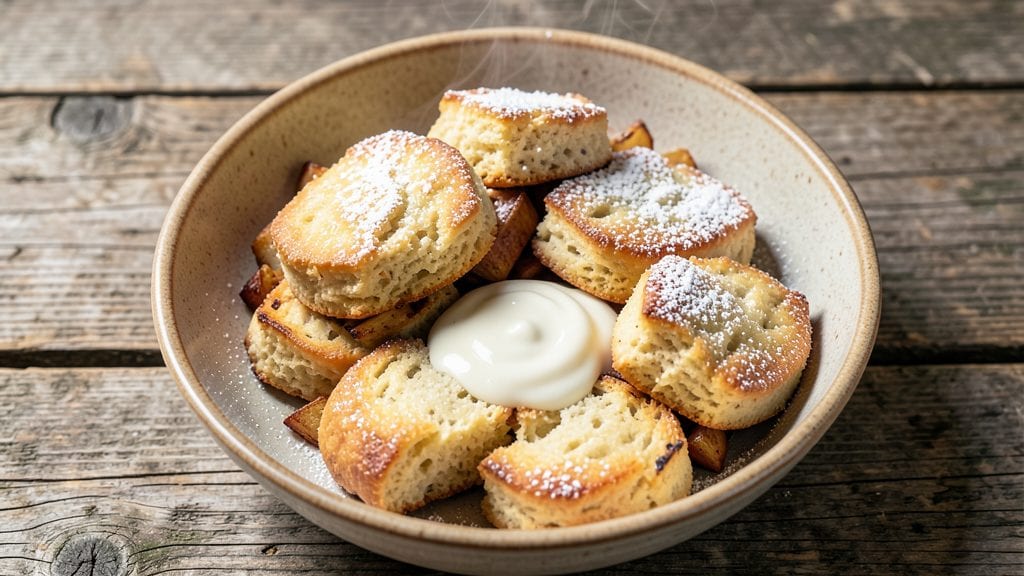
This potato biscuit recipe delivers the kind of flaky, buttery layers that make every bite worth the effort. The secret lies in cold butter and precise folding—techniques that transform simple ingredients into golden, pull-apart perfection.
I perfected this version after years of trial and error, ensuring each biscuit rises high and stays tender.
What sets these biscuits apart is their foolproof method: no special equipment, just a bowl, fork, and oven. The dough comes together in minutes, and the baking time is short—12-15 minutes at 450°F—so you won’t be waiting long for that first pull-apart moment.
The result? Crispy, crackling edges with a soft, airy center that melts in your mouth.
These biscuits are versatile enough for any meal—serve them warm with gravy, butter, or even jam for a sweet twist. The key is patience in the folding and baking, which guarantees those signature layers. Once you try homemade, store-bought biscuits won’t compare. Let’s get started!
For extra flakiness, chill the dough for 30 minutes before baking. And if you love shortcuts, try adding shredded cheese or herbs for custom flavors. The possibilities are endless, but the foundation stays the same: cold butter, gentle folds, and high heat. That’s how you get biscuits this good.
Ingredients for potato biscuit
Cold butter and freshly grated potatoes create these legendary flaky, pull-apart biscuits.
| Ingredient | Amount | Notes |
|---|---|---|
| All-Purpose Flour 🌾 | 2 cups | Sifted for lighter texture |
| Cold Unsalted Butter 🧈 | ½ cup | Cut into small cubes |
| Shredded Russet Potatoes 🥔 | ½ cup | Freshly grated, no moisture |
| Milk 🥛 | ½ cup | Whole milk preferred |
| Baking Powder 🍞 | 1 tbsp | Freshly opened |
| Granulated Sugar 🍚 | 1 tbsp | Light brown preferred |
| Salt 🧂 | 1 tsp | Fine sea salt |
| Black Pepper 🌶️ | ¼ tsp | Freshly ground |
| Garlic Powder 🧄 | ¼ tsp | Optional for flavor |
The butter needs to stay cold—cut it into tiny cubes and keep it in the freezer until ready to mix. Store-bought shredded potatoes work, but freshly grated with a box grater gives the best texture. I grab my potatoes from Trader Joe's when they're on sale, but any Russet will do. The baking powder? Diamond Crystal is my go-to—it's double-acting, which means better rise. If yours is old, test it by mixing with water and vinegar to see if it bubbles.
No milk? Buttermilk or heavy cream works just as well, though the texture might be slightly denser. Short on sugar? Skip it entirely—these biscuits are delicious without it. Want extra flavor? Swap half the flour for whole wheat or add 1 tbsp fresh chives or parsley. The garlic powder is optional, but I always include it—just a pinch makes a difference. If you're in a rush, microwave the butter for 20 seconds to soften it slightly, but don’t let it melt completely.
Shape the biscuits quickly and bake right away—the dough gets tough if it sits. These keep warm for 20 minutes in a 200°F oven wrapped in a towel. For longer storage, freeze shaped biscuits on a tray before transferring to a bag. 3 months in the freezer, and they reheat perfectly in a 375°F oven for 10-12 minutes. I like to freeze extras so I always have a backup for gravy days.
Why You'll Love This Recipe
- Five-Ingredient Magic: I swear by this lineup—flour, butter, potatoes, milk, and baking powder. That’s it. No fancy substitutes, no hunting for obscure spices. Just pantry staples that somehow turn into something flaky and golden.
- Potato-Powered Crisp: Honestly, the shredded Russets are the MVP here. They add this subtle, earthy richness that makes every bite feel like a hug. Plus, that buttery crust? Absolute perfection.
- Breakfast or Dinner: Between us, these work for any meal. Slather them with jam for a lazy weekend brunch, or serve them alongside chili for a hearty weeknight dinner. My kids grab them straight from the pan—no questions asked.
- Budget-Friendly Staple: I make a double batch every Sunday. They freeze like a dream, so I always have a backup for busy nights. And since potatoes and flour are cheap, I feel zero guilt about buying extra. Win-win.
Step-by-step instructions for potato biscuit recipe
Here's how to create those legendary flaky layers—simple steps for perfect results every time.
Mix Dry Ingredients for Light Texture
In a large bowl, whisk together the 2 cups all-purpose flour, 1 tablespoon baking powder, 1 tablespoon granulated sugar, 1 teaspoon salt, ¼ teaspoon black pepper, and ¼ teaspoon garlic powder. I like to use a whisk for this step to avoid developing too much gluten—just until everything is evenly combined and no flour pockets remain.
Here's the thing—don't overmix. You want to see small flour streaks remaining in the bowl. This ensures your biscuits stay tender rather than tough. Sift the flour first if you can; this aerates it and helps create those light, airy layers we're after.
Cut in Cold Butter for Flaky Layers
Add the ½ cup cold unsalted butter (cut into small cubes) to the dry ingredients. Using a pastry cutter or your fingers, work the butter into the flour mixture until you achieve pea-sized crumbs with some larger butter pieces remaining. This is crucial for achieving that signature flaky texture.
I press down gently on the butter pieces during the first minute—this prevents them from melting into the flour too quickly. You want some butter pieces to still be visible when you're done. If the mixture starts to look like wet sand, it's too warm. Place the bowl in the refrigerator for 5 minutes to chill before proceeding.
Incorporate Potatoes and Milk for Moisture
Add the ½ cup shredded russet potatoes and ½ cup milk to the butter-flour mixture. Using a fork or wooden spoon, gently stir until just combined. You'll notice the dough comes together but should still be slightly shaggy—this is perfect. Overmixing at this stage will make your biscuits dense.
The potatoes add moisture and tenderness while keeping the biscuits light. Don't be tempted to add more milk if the dough seems dry—this will make your biscuits tough. The shredded potatoes should be completely dry with no excess moisture from squeezing them.
Shape and Cut Dough for Perfect Biscuits
Turn the dough out onto a lightly floured surface and gently pat it into a 1-inch thick rectangle. Fold the dough in thirds like a letter, then unfold and pat it out again to 1 inch thick. This technique creates those beautiful flaky layers when baked.
Using a 2½-inch round biscuit cutter, cut out biscuits and press straight down without twisting. For extra flaky biscuits, place the cut biscuits on the baking sheet and gently press down on each one with the cutter once more—this compresses the layers and creates more surface area for browning.
Bake Until Golden and Flaky
Preheat your oven to 425°F. Place the biscuits on an ungreased baking sheet, spacing them about 1 inch apart. Bake for 12-15 minutes until they're golden brown on top and the bottoms are lightly browned. Here's where it gets exciting—they should pull away from the pan easily when you lift them.
Don't overbake! You want them to be soft inside with just a hint of firmness in the center. The biscuits will continue cooking for a minute or two after you remove them from the oven. Let them cool for 2-3 minutes before serving—this gives the butter time to set slightly for easier handling.
Pro Tips For Making Potato Biscuit
- Squeeze Dry Those Potatoes: DESCRIPTION:
- Cut Butter in Cold: DESCRIPTION:
- Don’t Overmix the Dough: DESCRIPTION:
- Press Gently, Not Hard: DESCRIPTION:
Troubleshooting great potato biscuit
Dough Too Sticky?
If your dough feels too wet or sticky, resist the urge to add more flour—this will make your biscuits tough. Instead, chill the dough for 10-15 minutes in the refrigerator. The cold temperature firms up the butter and helps the gluten relax, making it easier to handle.
I’ve found that Trader Joe’s all-purpose flour works best for this recipe because it’s finely milled and absorbs moisture without adding dryness. 🥔
Biscuits Spread Too Much?
Biscuits spreading excessively usually means the butter melted too quickly during mixing. To prevent this, keep your butter cold by cutting it into small cubes and working quickly. If your dough feels too warm, pop it in the fridge for 5 minutes before shaping.
Also, use a 2½-inch biscuit cutter and press down firmly when cutting to create a tight seal—this helps maintain shape during baking.
Flat or Dense Biscuits?
Overmixing the dough is the #1 cause of dense biscuits. Once you add the milk and potatoes, stir just until combined—stop when you see shaggy streaks of flour. Another common issue is underfolding the dough.
Fold it in thirds like a letter, then pat it back to 1 inch thick before cutting. This layering technique is what creates those signature flaky layers. If your biscuits still turn out dense, try replacing ½ cup of the all-purpose flour with whole wheat flour for extra moisture.
Browning Too Fast?
If your biscuits brown too quickly on top but stay raw inside, your oven runs hot. Try reducing the temperature to 400°F and baking for 15-18 minutes. For even browning, place a baking sheet on the middle rack and rotate the pan halfway through baking.
If you’re using a dark baking sheet, switch to a light-colored one—dark pans can cause uneven browning. A Lodge pre-seasoned cast iron pan works great for even heat distribution.
Butter Melting Mid-Bake?
Butter melting too soon means your biscuits will be greasy rather than flaky. To fix this, make sure your butter is cold when you start—cut it into tiny cubes and keep it in the freezer until ready to use. Also, avoid overcrowding the baking sheet.
Space biscuits 1 inch apart to allow proper air circulation. If you’re baking in a humid kitchen, place a small baking tray with ½ cup water on the lower oven rack to reduce moisture in the air.
Potatoes Making Biscuits Gummy?
Excess moisture from the potatoes is the culprit here. Always use freshly grated russet potatoes and squeeze out any liquid with a clean kitchen towel before measuring. If your biscuits still turn out gummy, reduce the milk to ¼ cup instead of ½ cup.
For extra insurance, let the dough rest for 10 minutes before shaping—this helps the flour absorb any remaining moisture. 💡
Nutrition facts
Frequently asked questions
Can I make these potato biscuits without butter?
You can substitute butter with an equal amount of cold vegetable shortening or coconut oil for a dairy-free version. However, butter creates those signature flaky layers—shortening will give a more tender but less crispy texture. For a lighter option, try 2 tablespoons of melted lard mixed with ¼ cup oil to mimic butter's performance.
How do I store leftover potato biscuits?
Keep them fresh for 2-3 days in an airtight container at room temperature. For longer storage, freeze shaped biscuits on a tray for 1 hour, then transfer to a bag. Reheat frozen biscuits in a 375°F oven for 10-12 minutes until warm and crispy. Microwaving works too—wrap in a damp paper towel and heat for 15-20 seconds.
Why do my biscuits turn out tough?
Overmixing the dough is the #1 culprit—stop stirring as soon as the ingredients come together. Also, ensure your butter stays cold throughout mixing. If your biscuits still feel dense, try replacing ½ cup of the flour with cornmeal for extra moisture retention. Chilling the dough for 15 minutes before baking also helps relax the gluten.
Can I make these biscuits ahead of time?
Shape the biscuits, wrap them in plastic wrap, and refrigerate for up to 24 hours or freeze for 3 months. Bake from frozen by adding 2-3 extra minutes to the cooking time. For best results, bring frozen biscuits to room temperature before baking to ensure even browning. This is perfect for lazy Sunday mornings!
What’s the best way to serve these potato biscuits?
Warm biscuits pair perfectly with homemade gravy, fried chicken, or sausage and eggs for a classic Southern breakfast. For a sweet twist, serve with maple syrup or strawberry jam. The crispy edges and tender centers make them ideal for dipping—just let them cool slightly for easier handling.