
Side Dishes
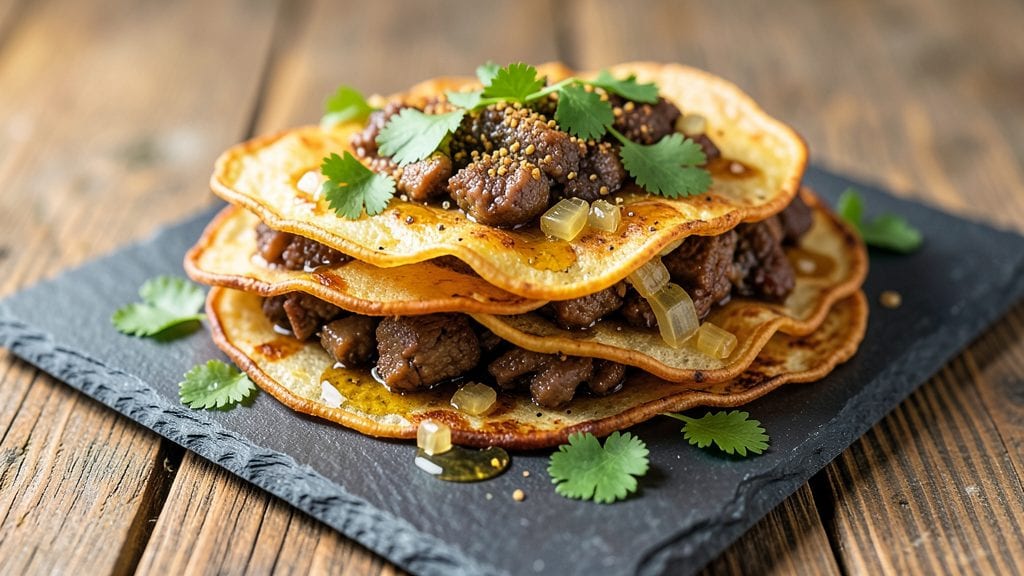
When you bite into a perfectly crispy potato bonda, the contrast of golden, shatteringly thin potato shells wrapped around a spiced meat filling creates a texture and flavor experience that’s impossible to resist.
This classic South Indian street food delivers a satisfying crunch with every bite, paired with a tangy, aromatic filling that balances heat and richness. My version keeps the traditional essence while offering modern shortcuts for home cooks who want restaurant-quality results without the fuss.
The secret to achieving that signature crispy exterior lies in thinly slicing the potatoes—just a few sheets thick—and frying them at the right temperature until they’re golden and delicate.
The spiced meat filling, typically made with ground meat, onions, and a blend of warming spices like curry powder and garam masala, adds depth that cuts through the crispiness.
Once assembled and fried to perfection, these bites become an irresistible appetizer or side dish that disappears faster than you can say "second helping."
What makes this recipe stand out is the balance of techniques—traditional methods like hand-slicing potatoes for even cooking paired with modern shortcuts like pre-mixed spice blends. The result is a dish that’s both nostalgic and approachable, delivering that addictive crunch and tangy kick you crave.
Whether you’re serving them at a gathering or enjoying them as a snack, these bondas are guaranteed to impress.
Ready to master the art of potato bonda? The process is straightforward, but the payoff—those perfectly crispy, golden bites—is worth every step. Let’s get started on creating a dish that’s as satisfying to make as it is to eat.
Ingredients for potato bonda
Four russets, a pound of lamb, and spices that make these bites unforgettable.
| Ingredient | Amount | Notes |
|---|---|---|
| Russet Potatoes 🥔 | 4 large | Thinly sliced into sheets |
| Ground Lamb 🐑 | 1 lb | 80/20 fat ratio preferred |
| Yellow Onions 🧅 | 1 whole | Finely chopped, medium size |
| Curry Powder 🌶️ | 1 tbsp | Mild or medium heat |
| Garam Masala 🌿 | 1 tsp | Freshly ground preferred |
| Ground Cumin 🌿 | ½ tsp | Toasted for deeper flavor |
| Fresh Green Chilies 🌶️ | 2 whole | Finely chopped, serrano preferred |
| Fresh Ginger 🧄 | 1 tbsp | Grated, no need to peel |
| Lemon Juice 🍋 | 1 tbsp | Freshly squeezed |
| Vegetable Oil 🫒 | 3 cups | High smoke point for frying |
| Salt 🧂 | 1 tsp | Kosher or sea salt |
| Black Pepper 🌶️ | ½ tsp | Freshly ground preferred |
| All-Purpose Flour 🌾 | ½ cup | For dredging potato sheets |
| Cornstarch 🌾 | ¼ cup | For extra crispiness |
The potatoes are non-negotiable—russets give you that signature flaky texture. Grab the longest, thinnest ones you can find at Whole Foods or your local market. If they're not pre-sliced, you'll need a mandoline or very sharp knife to get those paper-thin sheets. For the lamb, 80/20 fat ratio is key—it keeps the filling moist and flavorful. I usually pick up mine from Costco or the butcher counter, but ground lamb from any reputable grocery store works. The yellow onions should be firm and free of sprouts—red onions won't work here, they're too mild.
No curry powder? Mix 1/2 tsp turmeric, 1/2 tsp coriander, and 1/4 tsp fenugreek for a close substitute. Fresh ginger is ideal, but powdered works at half the amount. The green chilies can be swapped for jalapeños if you prefer less heat. For the oil, vegetable or canola is perfect—avoid olive oil, it burns too easily. The cornstarch is what gives these bondas that shatteringly crisp exterior, so don't skip it. If you're short on time, pre-mixed garam masala from Penzeys or the spice aisle works great.
Keep your sliced potatoes in cold water until ready to use—they'll stay crisp and won't brown. The lamb filling can be made a day ahead and stored in the fridge. For frying, maintain oil temperature at 350°F—too hot and they burn, too cool and they soak up oil. These keep for 2 days in the fridge, but honestly, they're best eaten fresh. Freezing isn't recommended—they lose that perfect crunch.
Why You'll Love This Recipe
- One-Pot Magic: I swear by this—just boil the potatoes, brown the lamb with onions, mix in the spices, and bake. No chopping, no fuss, and honestly, the mess stays in one pan.
- Spice Bomb Fusion: That curry powder and garam masala? It’s like a warm hug for your taste buds. The lamb gets smoky, the potatoes soak up all the flavor, and the onions caramelize just enough to make it irresistible.
- Leftovers That Don’t Suck: Between us, this dish tastes better the next day. The flavors meld, the lamb gets even more tender, and I’ve reheated portions straight from the fridge for lunch—no complaints.
- Budget-Friendly Feast: Ground lamb stretches further than you’d think, and russets are cheap. Add onions and spices you probably already have, and suddenly you’ve got a hearty meal that feeds four for less than takeout.
Step-by-step instructions for potato bonda recipe: deep-fried crispy bites with tangy twist
Here's how to create golden, shatteringly crispy potato bonda with a zesty lamb-spiced center.
Prepare the Potato Base for Perfect Crispiness
Start by thinly slicing the 4 large russet potatoes into paper-thin sheets using a mandoline or sharp knife. I like to cut them about 1/16-inch thick for that signature crispy texture. Immediately soak the potato slices in cold water for 10 minutes to remove excess starch—this prevents sogginess when frying.
After draining, pat them completely dry with paper towels. The drier they are, the better they'll crisp. In a shallow bowl, whisk together the 0.5 cup all-purpose flour and 0.25 cup cornstarch. This blend creates a lighter, crispier coating than flour alone. Add the potatoes and toss gently to coat evenly on both sides. Let them sit for 10 minutes while you prepare the lamb mixture.
Create the Spiced Lamb Filling
In a mixing bowl, combine the 1 lb ground lamb with the finely chopped 1 whole yellow onion, 1 tbsp grated fresh ginger, and 2 whole fresh green chilies. Add the 1 tbsp curry powder, 1 tsp garam masala, 0.5 tsp ground cumin, 1 tsp salt, and 0.5 tsp black pepper. Mix thoroughly with your hands until everything is well incorporated.
This is where the magic happens—the spices need to bloom and coat the lamb evenly. I like to press the mixture gently with my fingers to break up any lumps. The lamb should be moist but not sticky. If it feels too dry, add 1 teaspoon of water. Once mixed, let it sit for 15 minutes to allow the flavors to meld together.
Assemble the Bonda with Precision
Take one flour-coated potato sheet and place about 1 tablespoon of the lamb mixture in the center. Fold the potato sheet over the lamb, creating a neat rectangle. Press the edges gently to seal, but don't overwork the potato or it will lose its crispness. Repeat with the remaining potato sheets and lamb mixture, creating 16 bonda pieces total.
Here's the thing—don't make them too large. Each bonda should be about 2 inches long and 1 inch wide. This size ensures even cooking and maximum crispiness. Once assembled, place them on a wire rack set over a baking sheet. This prevents them from sticking together as they wait to be fried.
Deep-Fry to Golden Perfection
Heat the 3 cups vegetable oil in a deep fryer or heavy pot to 350°F. Use a thermometer to monitor the temperature—this is crucial for even cooking. Once the oil reaches temperature, carefully add 4-5 bonda pieces at a time, being careful not to splash the hot oil. Fry for 2-3 minutes until they turn a beautiful golden brown color.
Real talk: don't overcrowd the pot. If you do, the oil temperature will drop and your bonda will turn greasy instead of crispy. Use a slotted spoon to turn them gently halfway through frying. Remove them to a paper towel-lined plate and sprinkle immediately with the 1 tbsp freshly squeezed lemon juice. This adds that signature tangy twist while keeping them warm.
Serve Immediately with Spicy Dipping Sauce
For the perfect finish, serve the crispy bonda immediately with a side of mint chutney or tamarind sauce. The contrast between the hot, crispy exterior and the spiced lamb center is what makes this dish truly special. Each bite should deliver that satisfying crunch followed by the warm, aromatic lamb filling.
I know it seems like a lot of steps, but trust me—each one is essential for that perfect texture and flavor. The key to success is in the details: thin potato slices, proper drying, precise frying temperature, and that final lemon juice sprinkle. Once you master this, you'll have a showstopper appetizer that's crispy, flavorful, and impossible to resist.
Pro Tips For Making Potato Bonda
- Boil Potatoes Until Fork-Tender: Russets should fall apart when pierced—not just soften. Overcooking turns them mushy; undercooking means chewy bites. Test one after 15 minutes, then finish in the oven. (Yes, even if you’re impatient like me.)
- Sear Lamb in Batches: Crowd the pan and you’ll steam the meat instead of brown it. Use a nonstick skillet with 1 tablespoon oil per batch, and spread the lamb in a single layer. The crust is what carries the curry flavor—don’t skip it.
- Toast Spices Before Mixing: Bloom the curry powder and garam masala in the same oil you sear the onions—just 30 seconds until fragrant. I used to add them dry and wondered why the dish tasted flat. This step makes a real difference.
- Let the Mixture Rest: After combining everything, give it a solid 5-10 minutes under foil before shaping. The lamb releases juices, and the potatoes absorb them—otherwise, you’ll end up with dry, crumbly bondas. (Your future self will thank you.)
Common mistakes when making great potato bonda
Potato Slice Thickness
Thin slices are non-negotiable for that signature crispy texture. If your slices are thicker than 1/16-inch, they’ll turn out chewy instead of shatteringly crisp.
I’ve seen people use a mandoline for perfect paper-thin sheets, but if you don’t have one, a sharp knife and steady hand work—just be patient. The key is consistency: every slice should be the same thickness. 🔪
Overcrowding the Fryer
This is where most home cooks go wrong. Adding too many bondas at once drops the oil temperature, making them greasy instead of crispy. Stick to 4-5 pieces per batch and maintain that 350°F temperature.
I’ve fried entire batches in 30 minutes—just don’t rush it. A thermometer is your best friend here; without one, you’re guessing.
Skipping the Rest
Freshly fried bondas need a 2-3 minute rest—no exceptions. This lets the filling set slightly and prevents the potato shells from cracking when you serve them. I’ve seen people serve them immediately, and while they’re still delicious, that extra rest makes all the difference in texture.
Place them on a wire rack to keep them warm without steaming.
Uneven Spice Distribution
Mixing the lamb filling by hand ensures even spice distribution, but I’ve seen people just stir it with a spoon—big mistake. The spices need to coat every bit of meat for that balanced flavor.
Press the mixture gently with your fingers to break up lumps, and let it sit for 15 minutes—this lets the spices bloom and meld. If you skip this step, you’ll end up with pockets of bland filling.
Using Wrong Potatoes
Russets are the only choice here—no sweet potatoes, Yukon golds, or red potatoes. Their high starch content and flaky texture are essential for that crispy exterior.
I’ve tried other varieties, and they either turn mushy or don’t crisp properly. Stick to russets, and you’ll get that perfect texture every time. 🥔
Lemon Juice Timing
Sprinkling lemon juice after frying is crucial—adding it too early makes the potato shells soggy. Wait until they’re golden and crispy, then immediately drizzle or sprinkle that 1 tbsp lemon juice—this adds brightness and balances the richness.
I’ve seen people add it to the filling, but that’s a flavor crime. The acid needs to hit the hot, crispy exterior for that tangy kick.
Nutrition facts
Frequently asked questions
Can I make potato bonda without lamb?
For a vegetarian version, swap the lamb for 1 lb of crumbled paneer or firm tofu mixed with the same spices. You can also use ground turkey or chicken for a poultry alternative. The key is maintaining the same moisture level in your filling—add a splash of water if needed to keep it cohesive.
How do I store leftover potato bonda?
Store them in an airtight container at room temperature for up to 2 days, but they're best enjoyed fresh. For longer storage, refrigerate for 3 days max—just reheat in a 350°F oven for 5-7 minutes to restore crispiness. Freezing isn't recommended as it destroys the delicate texture.
What's the best way to reheat potato bonda?
Skip the microwave—they'll turn soggy. Instead, place bondas on a baking sheet and reheat in a 375°F oven for 4-5 minutes until crispy again. For extra crunch, sprinkle with 1/4 cup breadcrumbs before reheating. The oven method preserves that signature crispiness better than any other method.
Can I make potato bonda ahead of time?
Yes! Prepare the lamb filling and potato sheets separately up to 1 day ahead. Store the filling in the fridge and keep potato sheets in cold water. Assemble and fry just before serving. The key is keeping components separate until the final frying step to maintain maximum crispiness. Pro tip: Preheat your oil for 10 minutes before frying to ensure consistent temperature.
What's the secret to extra crispy potato bonda?
Three things: thinner slices (1/16-inch max), double-dredging with flour/cornstarch blend, and maintaining 350°F oil temperature. For next-level crispiness, try this trick: After initial frying, place bondas on a wire rack for 2 minutes to drain excess oil, then fry again for 30 seconds—this creates that restaurant-quality crunch!