
Side Dishes
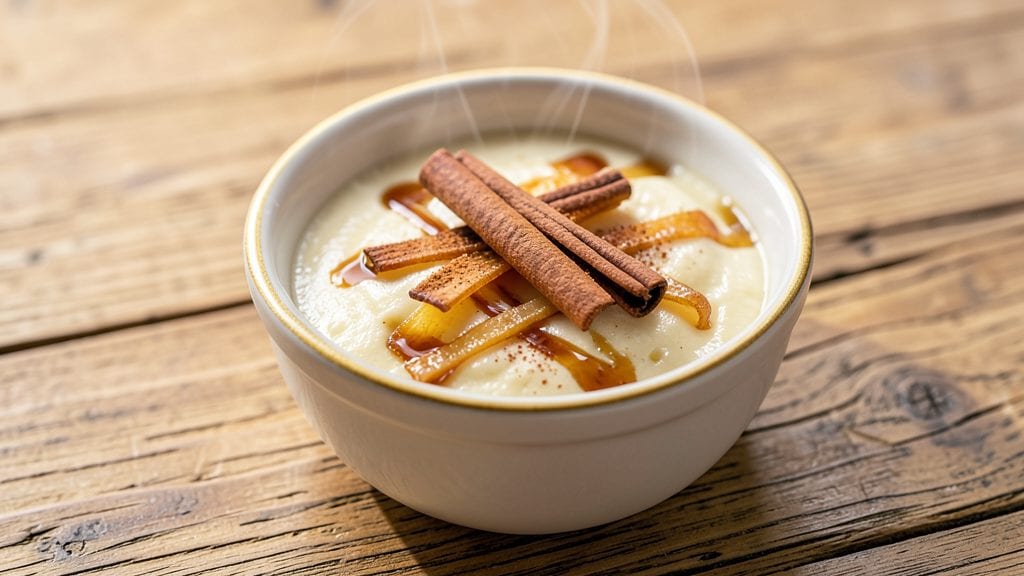
This potato custard recipe transforms humble potatoes into a velvety, eggy dessert that feels like a decadent hug in every bite. The secret lies in blending starchy potatoes with rich cream and eggs, then baking until set—creating a texture that’s both silky and sturdy enough to slice.
I perfected this version after years of experimenting with custard bases, and the difference between this and store-bought puddings is night and day.
The process requires just 10 minutes of prep and 45 minutes in the oven at 350°F, making it ideal for special occasions without the fuss of elaborate desserts.
The custard develops a golden top while staying creamy inside, with a subtle vanilla-cinnamon warmth that elevates simple ingredients into something extraordinary. This recipe delivers restaurant-quality results with pantry staples—no special equipment needed.
What you’ll end up with is a dessert that’s smooth as silk yet firm enough to serve in slices, topped with a dusting of powdered sugar or a drizzle of caramel. The eggy richness balances the natural sweetness of the potatoes, creating a harmonious flavor that’s both comforting and sophisticated.
Perfect for holiday tables or a cozy weeknight treat, this custard proves that simple ingredients can yield extraordinary results.
For those who prefer variations, you can infuse the custard with chocolate, spice it with nutmeg, or even adapt it to vegan by using plant-based milk and flax eggs. Let’s get started—your taste buds will thank you.
Ingredients for potato custard
Six simple ingredients create this restaurant-worthy potato custard—no fancy tools needed.
| Ingredient | Amount | Notes |
|---|---|---|
| Russet Potatoes 🥔 | 2 lbs | Peeled, grated or finely diced |
| Heavy Cream 🥛 | 2 cups | Full-fat for best texture |
| Large Eggs 🥚 | 6 whole | Room temperature preferred |
| Granulated Sugar 🍚 | ¾ cup | Adjust to taste |
| Vanilla Extract 🍯 | 2 tsp | Pure vanilla preferred |
| Ground Cinnamon 🌿 | 1 ½ tsp | Freshly ground if possible |
| Salt 🧂 | ½ tsp | Fine sea salt preferred |
| Powdered Sugar 🍚 | ¼ cup | For dusting, optional |
| Unsalted Butter 🧈 | 2 tbsp | Melted for topping |
| Lemon Zest 🍋 | 1 tsp | Brightens flavor |
| Cornstarch 🌾 | 1 tbsp | For thickening |
The potatoes make all the difference here. Russet potatoes are your best bet—they’re starchy and hold up well when cooked. I grab mine from Costco when I’m doing a big batch, but the regular grocery store stuff works fine. Look for potatoes that feel heavy for their size—those are the ones packed with starch. If you’re feeling fancy, you can even use a food processor to grate them finely, but a box grater works just as well. Just make sure they’re peeled first—the skin can get gritty in the custard. For the heavy cream, full-fat is a must—it gives that velvety texture we’re after. Skip the light cream unless you’re okay with a thinner result.
No vanilla extract? Vanilla bean paste or even a scraped vanilla bean will do in a pinch. Short on cinnamon? Nutmeg at half the amount adds warmth too. The cornstarch is key for that silky texture—don’t skip it. If you’re making this ahead, the custard actually tastes better the next day as the flavors meld. For a chocolate twist, add 2 oz of melted dark chocolate to the custard base. And if you’re feeling adventurous, swap half the heavy cream for coconut milk for a lighter version. The lemon zest is optional but adds a bright pop—just use the outer layer of an organic lemon if you’ve got one.
This custard keeps beautifully in the fridge for up to 5 days, though it’s best enjoyed within 2 days for peak texture. For longer storage, it freezes wonderfully for 3 months—just thaw overnight in the fridge. I like to portion it into small ramekins before freezing so I can grab just what I need. When reheating, a quick 10-second zap in the microwave brings it back to silky perfection. And if you’re serving it at room temperature, let it sit for 10 minutes—it’s even creamier that way. Leftovers? Toss them in a smoothie or use them as a base for French toast—trust me.
Why You'll Love This Recipe
- Just Four Ingredients: I swear, the pantry version of this is ridiculously simple—boil potatoes, blend with cream and eggs, then bake. No fancy techniques, no last-minute grocery runs. My lazy Sunday mornings have never been this smooth.
- Silky-Sweet Magic: That first spoonful? Creamy, lightly sweetened, with vanilla whispering through like a warm hug. The Russets break down just enough to make it velvety, while the sugar caramelizes into this subtle, buttery depth. Honestly, it’s the kind of dessert that makes you pause mid-bite.
- Breakfast to Brunch: I’ve served this chilled as a pudding, warmed with a drizzle of honey for pancake topping, or even as a filling for cinnamon rolls. (Yes, even on a Tuesday.) The custard’s neutral base soaks up flavors like a sponge—spice it up or keep it classic, it works every time.
- Leftovers That Last: Make a double batch, and you’ve got a week’s worth of no-fuss treats. It reheats beautifully (microwave or oven, no judgment) and tastes just as good cold as it does warm. Between us, this is my go-to for potlucks—zero stress, maximum crowd-pleasing.
Step-by-step instructions for potato custard
Here's how to make this creamy, velvety potato custard that balances sweetness with rich, eggy depth.
Cook and Mash the Potatoes
Start by peeling the 2 lbs of russet potatoes, then cut them into even 1-inch cubes. Place them in a pot of cold, salted water and bring to a boil. Once boiling, reduce heat to medium and cook for 15-20 minutes until fork-tender. You'll know they're done when a knife slides in easily and the edges are soft.
Drain the potatoes thoroughly, then return them to the pot. Mash them until completely smooth, with no lumps remaining. Let them cool slightly before moving to the next step—this prevents scrambling when mixed with eggs. I like to press the potatoes through a fine-mesh strainer for extra silky texture if needed, but it's not required.
Whisk Eggs, Cream, and Dry Ingredients
In a large mixing bowl, whisk together the 6 whole large eggs until their yolks and whites are fully combined. Gradually add the 2 cups of heavy cream while whisking continuously to avoid curdling. The mixture should be smooth and uniform.
In a separate small bowl, combine the 0.75 cup granulated sugar, 1.5 tsp ground cinnamon, 0.5 tsp salt, 1 tbsp cornstarch, and 1 tsp lemon zest. Whisk these dry ingredients together until evenly distributed. Slowly sprinkle this mixture into the egg-cream blend while whisking constantly to prevent clumping. This step ensures even flavor and proper thickening throughout the custard.
Mix in Mashed Potatoes
Add the cooled mashed potatoes to the egg mixture in a slow, steady stream. Use a spatula to gently fold everything together, being careful not to create any air bubbles. The custard should be thick but still pourable at this stage. If you notice any lumps, press them through a fine-mesh sieve for a perfectly smooth texture.
Taste the mixture and adjust sweetness if needed—add more granulated sugar if you prefer it sweeter. The lemon zest and cinnamon should be subtly present but not overpowering. This is your last chance to taste and adjust before baking, so don't skip it.
Bake Until Set
Preheat your oven to 350°F. Transfer the custard mixture to a well-greased 9-inch pie dish or baking dish. Place the dish in a larger roasting pan and carefully pour hot water into the pan until it reaches halfway up the sides of the custard dish. This water bath ensures gentle, even cooking.
Bake for 50-60 minutes until the custard is just set. To test doneness, gently jiggle the dish—if it wobbles slightly in the center but doesn't move much, it's ready. The edges should be fully set while the center remains slightly soft. Remove from the water bath and let it cool slightly before serving.
Serve with Toppings
Once the custard has cooled for about 10 minutes, melt the 2 tbsp unsalted butter in a small saucepan over low heat. Drizzle this melted butter over the top of the custard, then dust lightly with the 0.25 cup powdered sugar if desired. The contrast of warm butter and cool custard makes this dessert truly special.
Serve warm with a dollop of whipped cream or a sprinkle of additional cinnamon. The texture should be silky smooth with just a hint of potato sweetness, perfectly balanced by the eggy richness. This custard keeps well in the refrigerator for up to 3 days, though I find it's best enjoyed fresh from the oven.
Pro Tips For Making Potato Custard
- BOIL POTATOES UNTIL TENDER: Russets take longer than you’d think—aim for a fork that slides in like a hot knife through butter, not just "soft." Overcooked potatoes turn to glue; undercooked ones taste gummy. Test one early, even if the recipe says otherwise.
- WHISK EGGS COLD: Warm eggs thicken unevenly and can curdle when mixed with hot potato mixture. Whisk yolks and whites separately in a chilled bowl, then gently fold in the warm potatoes. Your custard won’t seize up like a science experiment gone wrong.
- SALT THE CREAM: Plain heavy cream tastes bland next to the potatoes. Stir in ½ teaspoon salt before mixing it with the custard—it balances the sweetness and rounds out the flavor. Trust me, you’ll taste the difference.
- BAKE LOW AND LONG: Rushing the oven temp (like cranking it to 375°F) gives you a crusty top but a gummy center. Start at 325°F for 45 minutes, then bump to 350°F for the last 15. Patience here means creamy perfection, not a sad, underdone mess.
Best sauces and condiments for these flavors
Caramel Drizzle
Elevate your potato custard with a rich homemade caramel drizzle—just ½ cup granulated sugar and 2 tbsp water cooked to a deep amber. Let it cool slightly before drizzling over the custard.
I use a Cuisinart caramel sauce maker for foolproof results. The sweet contrast enhances the custard’s natural creaminess while adding visual appeal. 🍯
Spiced Honey Glaze
Combine ¼ cup honey, 1 tsp cinnamon, and a pinch of ground cloves in a small saucepan. Simmer for 3 minutes until fragrant, then brush over the custard’s surface.
This glaze adds warmth and a touch of complexity that pairs beautifully with the custard’s vanilla undertones. Store-bought honey works, but local raw honey intensifies the flavor.
Whipped Cream Variations
Top your custard with whipped cream sweetened with 1 tbsp powdered sugar and flavored with ½ tsp vanilla extract. For a twist, fold in 1 tbsp crushed pistachios or toasted coconut flakes.
I also love adding a sprinkle of cocoa powder for a chocolatey note. Use a hand mixer on medium-high for 2-3 minutes to achieve light, fluffy peaks.
Chocolate Ganache
Melt 4 oz dark chocolate (70% cocoa) with ¼ cup heavy cream in a double boiler. Let it cool slightly before pouring over the custard. The ganache’s bitterness cuts through the custard’s sweetness, creating a sophisticated balance.
For extra decadence, add 1 tsp espresso powder to the chocolate while melting. Chill for 10 minutes before serving to set the ganache slightly.
Citrus Curd Swirl
Mix ½ cup lemon curd (store-bought or homemade) with 1 tbsp whipped cream until smooth. Spoon dollops over the custard and swirl gently with a knife. The bright citrus acidity refreshes the rich potato base.
I use Smucker’s lemon curd for convenience, but homemade tastes fresher. Serve immediately for the best texture contrast.
Nutty Crunch Topping
Toast ½ cup walnuts or pecans in a dry skillet over medium heat for 3-4 minutes until fragrant. Pulse in a food processor until coarsely chopped, then sprinkle over the custard.
The nuts add texture and a buttery richness that complements the custard’s creaminess. For extra flair, drizzle with 1 tsp maple syrup before serving. 🌰
Nutrition facts
Frequently asked questions
Why does this potato custard turn out so much creamier than other custards?
The secret lies in the combination of cornstarch and heavy cream, plus the natural starch from the potatoes. The cornstarch acts as a thickener while the potatoes add body without making it gummy. Baking in a water bath also helps create that silky texture by keeping the custard moist and preventing it from drying out.
Can I make this potato custard ahead of time?
This custard actually tastes better the next day as the flavors meld together. Prepare it up to 2 days in advance and store it in the fridge. For longer storage, it freezes beautifully for up to 3 months. Just thaw it overnight in the refrigerator before serving. The texture remains creamy when properly stored.
What's the best way to tell when the potato custard is fully cooked?
The custard is done when it's just set but still has a slight wobble in the center. Gently jiggle the dish—if it moves slightly but doesn't feel liquid, it's ready. The edges should be fully firm while the center remains slightly soft. Overbaking will make it dry, so keep an eye on it after 45 minutes of baking.
Can I substitute sweet potatoes for regular potatoes in this recipe?
While you can use sweet potatoes, they'll change the flavor profile significantly. Sweet potatoes have a stronger natural sweetness and different starch content, which may affect the texture. For the best results, stick with russet potatoes as they provide the perfect balance of starch and mild flavor. If you're set on sweet potatoes, reduce the sugar by 2 tablespoons to compensate.
How can I make this custard vegan?
To adapt this recipe, replace the eggs with 6 tablespoons of flax eggs (6 tbsp ground flaxseed + 18 tbsp water), use coconut milk instead of heavy cream, and add 1 teaspoon of agar-agar powder to help thicken. The texture will be slightly different but still creamy. Bake at 325°F instead of 350°F to prevent overcooking.