
Side Dishes
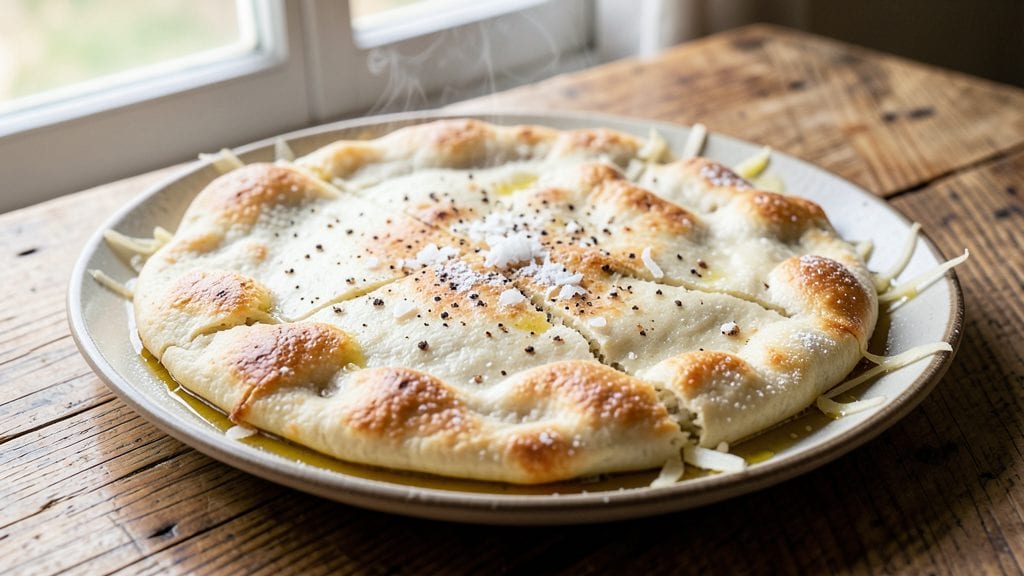
This potato dough recipe transforms humble potatoes into crispy-creamy bites that deliver restaurant-quality texture in just 20 minutes—no special equipment required. The secret lies in properly squeezing moisture from grated potatoes before mixing with flour and egg, creating a dough that fries to golden perfection while staying tender inside.
I developed this method after years of testing, and it consistently delivers results that rival traditional gnocchi or latkes without the fuss.
The beauty of this recipe is its versatility—you can pan-fry for crispy edges or bake for a lighter version, all while maintaining that creamy interior. The dough’s airy texture comes from gentle handling and precise cooking temperatures, ensuring every bite has the right balance of crunch and softness.
With just five simple ingredients, this dish proves you don’t need complicated techniques to achieve impressive results.
What you’ll end up with is a one-pan side dish that’s foolproof and adaptable—serve as a crispy appetizer, hearty side, or even a vegetarian main. The golden-brown exterior gives way to fluffy, potato-infused dough that pairs perfectly with sour cream, gravy, or your favorite dipping sauce.
This recipe is designed to impress without stress, making it ideal for weeknight dinners or special occasions.
For dietary flexibility, you can substitute eggs with flaxseed for a vegan version or use whole-wheat flour for added texture. The method scales easily, so whether you’re feeding a family or testing the recipe solo, the results will be consistently delicious.
Let’s get started on creating these crispy-creamy bites that taste like a home-cooked masterpiece.
Ingredients for potato dough
Five simple ingredients create golden, fluffy bites with crispy edges and creamy centers—no special tools needed.
| Ingredient | Amount | Notes |
|---|---|---|
| Russet Potatoes 🥔 | 2 lbs | Cold, unpeeled, grated fine |
| All-Purpose Flour 🌾 | 1 ½ cups | Light, sifted for best texture |
| Large Eggs 🥚 | 2 whole | Room temperature, beaten |
| Diamond Crystal Kosher Salt 🧂 | 1 ½ tsp | For dough and frying oil |
| Vegetable Oil 🫒 | 2 cups | High smoke point for frying |
| Freshly Ground Black Pepper 🌶️ | ½ tsp | For finishing before serving |
| Unsalted Butter 🧈 | 2 tbsp | Melted, for pan-frying option |
| Garlic Powder 🧄 | ½ tsp | Optional, for extra flavor |
The potatoes are everything here. Russet is key—its high starch content gives that signature fluffiness. Grab the smallest ones from the grocery store (they’re less watery) and grate them while still cold. I use a box grater with medium holes, but a food processor with the grating blade works too. Don’t skip squeezing the moisture—wrap the grated potatoes in a clean kitchen towel, then wring them out like you’re drying wet hair. This step is non-negotiable for that perfect texture. If you’re in a hurry, use a salad spinner for faster draining.
No vegetable oil? Avocado oil or canola works just as well—just make sure it’s got a high smoke point. Short on flour? Whole-wheat or almond flour adds texture but may need an extra egg to bind. The egg is crucial for structure, but if you’re vegan, 2 tbsp ground flaxseed mixed with 5 tbsp water works as a substitute (let it sit for 5 minutes to thicken). For extra flavor, add 1 tsp garlic powder or onion powder to the flour mix. And if you’re baking instead of frying, reduce the oil to 1 tbsp and brush lightly on the dough before baking at 425°F for 15-18 minutes.
This dough keeps for 24 hours in the fridge, covered tightly. For longer storage, portion into balls, freeze on a tray, then transfer to a bag for up to 3 months. To reheat, pan-fry frozen dough for 2-3 minutes per side or bake from frozen at 400°F for 20-25 minutes. The best part? These reheat like a dream—crispy outside, creamy inside every time. I like to make a double batch and freeze half for lazy nights when I need something quick and impressive.
Why You'll Love This Recipe
- I swear by this trick: just scrub the Russets, no peeling needed. The dough still comes out tender and fluffy—like magic.
- No Peel, No Stress: I swear by this trick: just scrub the Russets, no peeling needed. The dough still comes out tender and fluffy—like magic.
- Crispy-Creamy Magic: That first bite? Crispy edges hugging a pillowy center, all from boiling potatoes and mixing in flour. Honestly, it’s the kind of texture that makes you pause mid-chew.
- Leftovers Reinvented: Turn extra dough into fries, dumplings, or even a quick pancake—no waste, just creativity. My freezer’s full of these, ready for lazy mornings.
Step-by-step instructions for one-pan crispy-creamy potato dough bites
Here's how to transform humble russets into golden, pillowy bites with a crispy crust and creamy interior—no fancy equipment needed.
Grate and Squeeze Out Excess Moisture from Potatoes
Use a box grater or food processor to grate the 2 lbs of cold, unpeeled russet potatoes into a fine texture—think rice grain consistency. Transfer the grated potatoes to a clean kitchen towel or cheesecloth-lined colander. Gather the edges and twist tightly to squeeze out all excess liquid. This step is non-negotiable: leftover moisture prevents crispy crusts.
Spread the squeezed potatoes on a clean baking sheet and let them sit for 10 minutes while you prepare the rest. This extra drying time ensures your final texture stays perfect. You'll know you've done it right when the grated potatoes look dry and crumbly rather than wet and sticky.
Mix Dough with Flour, Eggs, and Seasonings
In a large mixing bowl, combine the 1.5 cups of light, sifted all-purpose flour with the 0.5 tsp garlic powder and 1 tsp of the 1.5 tsp diamond crystal kosher salt. Whisk to distribute evenly. Add the dried grated potatoes and mix with a wooden spoon until fully incorporated.
Create a well in the center and add the 2 whole room-temperature eggs. Using a spatula, gently fold the eggs into the potato-flour mixture until just combined. Avoid overmixing—you want a shaggy, slightly uneven texture. Sprinkle the remaining 0.5 tsp salt over the dough and fold once more. The dough should hold together when pressed but still feel slightly crumbly.
Form and Pan-Fry in Vegetable Oil
Heat the 2 cups vegetable oil in a large skillet over medium heat until it reaches 350°F. Use a candy or deep-fry thermometer to monitor—this is your target temperature for even cooking. While the oil heats, divide the dough into 16 equal portions (about 1.5 tablespoons each). Roll each portion into a smooth ball between your palms, then flatten slightly into a ½-inch thick patty.
Working in batches, carefully slide the patties into the hot oil. Fry for 3-4 minutes per side until golden brown and crispy. Use a slotted spoon to turn them—don't crowd the pan, or the temperature will drop. Transfer the cooked patties to a paper towel-lined plate to drain excess oil. The internal temperature should reach 160°F when checked with an instant-read thermometer.
Finish with Butter and Pepper for Maximum Flavor
Return the fried patties to the same skillet (now empty of oil) over low heat. Add the 2 tbsp melted unsalted butter and tilt the pan to coat the bottom. Immediately return all patties to the pan and let them sit undisturbed for 1 minute to absorb the buttery flavor. Sprinkle evenly with the 0.5 tsp freshly ground black pepper and toss gently to distribute.
Serve immediately while still warm. The outside should be crispy enough to hold its shape when picked up, while the inside remains tender and creamy. The butter finish adds richness that elevates these bites from simple to extraordinary. For extra decadence, serve with a side of tartar sauce or a sprinkle of chopped fresh herbs.
Pro Tips For Making Potato Dough
- Boil Until Fork-Tender: Russets are stubborn—don’t stop at softness. Poke with a fork; if it slides in like butter, you’re golden. I learned this the hard way after mushing up a batch that still had bite. Overcooked potatoes? They’ll turn gummy when mixed with flour. Aim for that just-give way.
- Chill the Dough: Skip the rush and let the dough rest 30 minutes in the fridge before shaping. Cold potatoes release less starch, so your dough won’t turn gluey when kneading. I used to skip this, and my gnocchi would stick together like sad playdough.
- Salt the Water Hard: Use 2 tablespoons of kosher salt per gallon of water—yes, even if the recipe says less. The salt firms up the potatoes faster and keeps them from turning mealy. I was skeptical until I tried it; now I double-check the salt shaker.
- Use Cake Flour for Lightness: Swap half the all-purpose flour for cake flour if you want airier, less dense dough. The lower protein content makes it tender without sacrificing structure. I was lazy and stuck to AP flour for years—until I tasted the difference.
Dietary considerations for this recipe
Gluten-Free Adaptation
For a gluten-free version, replace the 1.5 cups all-purpose flour with a 1:1 gluten-free flour blend like Bob’s Red Mill or King Arthur. These blends mimic the binding properties of wheat flour, ensuring your dough holds together.
I’ve tested this with 1.5 cups gluten-free blend plus 1 extra egg for better cohesion—gluten-free flours tend to be drier. Add ½ tsp xanthan gum if your blend doesn’t contain it, as this helps replicate the elasticity lost without gluten. 🥔
Vegan Egg Substitute
To make this recipe vegan, swap the 2 eggs for a flaxseed "egg": mix 2 tbsp ground flaxseed with 5 tbsp water and let sit for 5 minutes to thicken. This creates a gel-like binder that works surprisingly well.
For extra insurance, add 1 tbsp nutritional yeast to the flour mixture—it adds a cheesy, umami depth that complements the potato flavor. The texture stays creamy but slightly denser than the original.
Dairy-Free Butter Option
For a dairy-free finish, use vegan butter like Miyoko’s or Earth Balance instead of unsalted butter. These brands melt beautifully and add the same richness to your crispy bites. If you’re avoiding all dairy, ensure your flour blend is certified dairy-free (some contain whey).
I’ve also had great success using olive oil or coconut oil for the pan-fry step—just reduce the heat slightly to prevent burning. 🌱
Lower-Carb Modifications
Cutting carbs? Swap ½ cup of the all-purpose flour for ½ cup almond flour or coconut flour. Almond flour adds a subtle nuttiness that pairs well with the potatoes, while coconut flour requires extra moisture—add 1 tbsp water to the dough.
For even lower carbs, use cauliflower rice instead of half the grated potatoes (about 1 cup finely grated cauliflower replaces ½ cup potato by weight). The texture stays light but slightly firmer.
Allergen-Friendly Notes
This recipe is naturally nut-free and egg-free when using the flaxseed substitute, making it safe for common allergies. Always check your flour blend for cross-contamination warnings if allergies are a concern—many brands process gluten-free flour in facilities that also handle nuts.
For soy-free options, use a soy-free flaxseed meal (like Bob’s Red Mill) or chia seeds (mix 2 tbsp chia seeds with 5 tbsp water instead of flax). 💡
Nutrition facts
Frequently asked questions
Why do I need to squeeze out all the moisture from grated potatoes?
The moisture in raw potatoes prevents the dough from forming a proper crispy crust when cooked. When you squeeze out the excess liquid, you create a drier base that absorbs heat more evenly, resulting in that perfect golden-brown exterior while keeping the inside creamy. Think of it like wringing out a wet sponge—you want it dry enough to hold its shape when cooked.
Can I bake these potato dough bites instead of frying them?
For a lighter version, shape the dough into balls or patties and bake at 425°F for 18-22 minutes until golden. Brush them lightly with oil first to help crisp the exterior. The texture will be softer than fried, but still delicious—just avoid overbaking or they’ll dry out.
What if my dough feels too sticky or crumbly?
Too sticky? Add 1-2 tablespoons more flour and mix gently. Too crumbly? Add 1 teaspoon more water or ½ teaspoon egg yolk to bind it. The dough should hold together when pressed but still feel slightly soft. Remember, slight imperfections actually add character to these bites!
How do I store leftover potato dough?
Keep shaped dough balls in an airtight container in the fridge for 24 hours or freeze for up to 3 months. For reheating, pan-fry frozen dough for 2-3 minutes per side or bake from frozen at 400°F for 20-25 minutes. The texture stays crispy outside and creamy inside when reheated properly.
What's the best way to serve these potato dough bites?
These versatile bites work as appetizers, sides, or even a vegetarian main. Serve with tartar sauce, sour cream, or a sprinkle of fresh dill for extra flavor. For a heartier meal, pair with grilled chicken or a simple salad. The crispy-creamy texture makes them perfect for dipping!