
Side Dishes
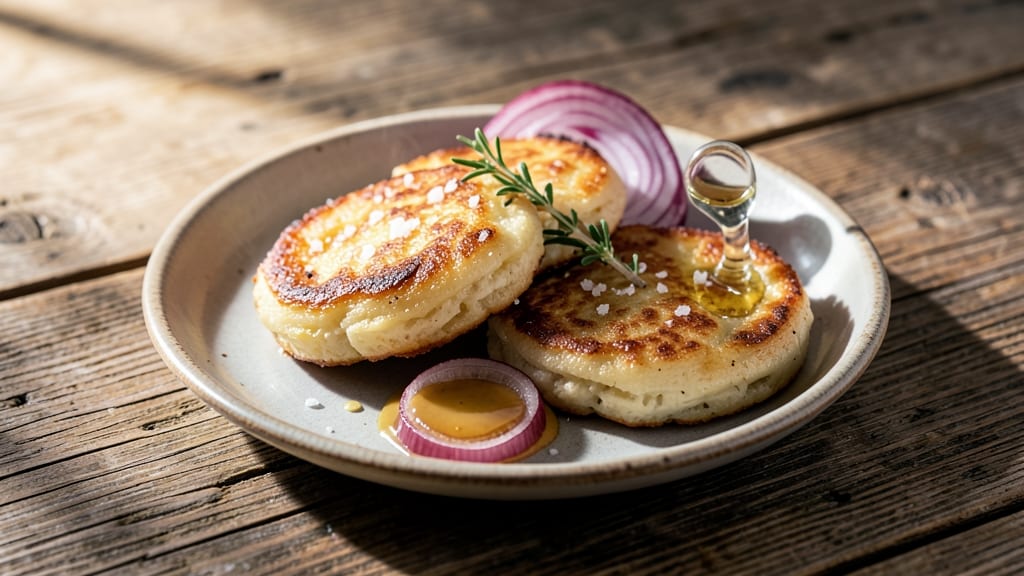
This potato farls recipe delivers the perfect balance of flaky layers and buttery, vinegar-kissed crust that makes every bite irresistible. 💛 I first discovered these traditional Scottish potato pancakes during a visit to Edinburgh, where they were served crispy and golden alongside roasted lamb.
The secret lies in grating the potatoes properly and frying them slowly to achieve that signature texture.
What sets these apart is the combination of vinegar and butter in the pan, which creates a tangy, crispy crust while keeping the inside tender. You'll need just a few simple ingredients—potatoes, onions, flour, and seasonings—but the technique is what transforms them into something truly special.
This recipe is foolproof for beginners yet impressive enough for dinner guests.
The result is a stack of golden potato farls with delicate, flaky layers that practically melt in your mouth. Each bite delivers a perfect balance of crispy edges and soft centers, enhanced by the vinegar's tangy brightness.
Serve them warm with melted butter, sour cream, or even as a hearty side dish alongside your favorite proteins.
For extra flavor, try adding grated cheese or fresh herbs to the mix, or experiment with different seasonings like smoked paprika for a twist on the classic. The key to success is patience—don't rush the frying process, and let the farls cook through evenly for that perfect texture every time.
Ingredients for potato farls
Potatoes, onions, and butter—these simple ingredients create flaky, vinegar-kissed potato farls that taste like Scottish pub magic.
| Ingredient | Amount | Notes |
|---|---|---|
| Russet Potatoes 🥔 | 3 lb | Cold, peeled, finely grated |
| Yellow Onion 🧅 | 1 whole | Medium size, finely grated |
| All-Purpose Flour 🌾 | ½ cup | For binding the mixture |
| Unsalted Butter 🧈 | ½ cup | Cold, cubed for frying |
| White Vinegar 💧 | 2 tbsp | For tangy crust |
| Kosher Salt 🧂 | 1 tsp | Plus extra for seasoning |
| Ground Black Pepper 🌶️ | ¼ tsp | Freshly ground preferred |
| Vegetable Oil 🫒 | 2 cups | For deep frying |
| Fresh Parsley 🌿 | ¼ cup | Chopped, for garnish (optional) |
| Sour Cream 🥛 | ½ cup | For serving (optional) |
The potatoes are everything here. Russets are your best bet—they're starchy and hold up to grating without turning to mush. Grab a box from Whole Foods or your local grocery store's produce section, but skip the pre-shredded bags. A box grater with medium holes works best, and don't forget to squeeze out all the excess moisture with a clean kitchen towel. The onion adds sweetness that balances the vinegar's tang, so pick a fresh, firm one—none of that limp, papery stuff. I always double-check the potatoes for sprouts or soft spots before grating, because nothing ruins a batch faster than bad potatoes.
Butter and vinegar are the secret flavor duo. Use cold, unsalted butter—it crisps up beautifully and adds richness without overpowering. If you're out of white vinegar, apple cider vinegar works too, though it'll have a slightly different depth of flavor. For the frying oil, vegetable or canola oil is perfect—it has a high smoke point and stays neutral. No vegetable oil? Peanut oil or lard both work, but avoid olive oil (it burns too easily). The parsley is optional, but it adds a fresh finish that makes these farls feel extra special. If you're feeling fancy, swap in chives or dill for a different vibe.
These farls are best served fresh, but you can reheat them in a 350°F oven for 10 minutes if you need to hold them. Store leftovers in an airtight container in the fridge for up to 3 days, but honestly, they're so good they won't last that long. For extra crispiness, freeze any leftovers on a tray first, then transfer to a bag. They'll keep for 2 months and reheat beautifully in the oven. Pro tip: Keep the vinegar and butter separate until frying—adding them together too early makes the mixture soggy.
Why You'll Love This Recipe
- No Boil, No Peel Hassle: I swear by this trick—just grate raw Russets straight into the pan with the onions. No waiting for water to boil, no peeling (unless you’re feeling fancy), and the texture? Still fluffy and golden. That vinegar splash while cooking? Pure magic for keeping them tender.
- Crispy-Creamy Magic: The secret’s in the butter—melting into those fluffy potato pockets while the outside gets that satisfying crunch. Honestly, the moment I took my first bite, I knew this was the kind of dish that makes you close your eyes. It’s like a hug in food form.
- Potluck Star Performer: Bring these to any gathering, and you’ll be the hero. They’re hearty enough for a picnic but light enough for a summer barbecue. Pro tip: Pack them in a single layer with parchment between so they stay crispy, not soggy. Zero complaints, all gratitude.
- Budget-Friendly Leftovers: Russets are cheap, flour is cheap, and you’ll make enough to feed four people for two meals. Reheat them in a skillet with a pat of butter, and they taste just as good the second time. My kids actually ask for these on Wednesdays—yes, even after school dinners.
Step-by-step instructions for potato farls recipe
Let's make these incredible potato farls with crispy, flaky layers that'll have everyone begging for seconds!
👨🍳 Step 1: Grate and Mix the Potato-Onion Base
Start by grating the 3 lb russet potatoes and 1 whole yellow onion using the fine holes of a box grater. I like to work in batches to keep things manageable. Place the grated mixture in a clean kitchen towel and squeeze out as much excess moisture as possible—this is crucial for getting those flaky layers later. The mixture should feel dry to the touch but not crumbly.
Transfer the grated mixture to a large mixing bowl. Add the 0.5 cup all-purpose flour, 1 tsp kosher salt, and 0.25 tsp ground black pepper. Gently fold everything together with a rubber spatula until just combined. You're not trying to make a dough here—just evenly distribute the dry ingredients. The mixture should hold together when pressed but still feel slightly loose.
🍳 Step 2: Form and Chill the Farls
Divide the potato mixture into 8 equal portions (about ½ cup each). On a lightly floured surface, gently shape each portion into a 1-inch thick round patty. I press down firmly but not too hard—you want them to hold together without being dense. Place each patty on a parchment-lined baking sheet.
Cover the shaped farls with plastic wrap and refrigerate for at least 30 minutes. This chilling step is what makes them flaky—it firms up the potatoes so they hold their shape during frying. While they're chilling, preheat your oven to 375°F. You'll want to use this oven temperature later for the final baking step to achieve that perfect crispy crust.
🔥 Step 3: Fry to Golden Perfection
Heat 2 cups vegetable oil in a large, heavy skillet over medium heat until it reaches 350°F. Use a deep-fry thermometer to monitor the temperature—this is critical for even cooking. Working in batches (you'll need two rounds), carefully place 4 farls into the hot oil. Fry for 3-4 minutes per side until they're golden brown and crispy all over.
Here's the thing—don't overcrowd the pan or the oil temperature will drop and your farls will absorb too much oil. You'll know they're ready when they float to the surface and develop a beautiful golden crust. Transfer the fried farls to a paper towel-lined plate to drain excess oil. Keep them warm in the oven at 200°F while you fry the second batch.
🥘 Step 4: Create the Vinegar-Butter Crust
In a small saucepan, melt the 0.5 cup unsalted butter over low heat. Remove from heat and stir in the 2 tbsp white vinegar. The mixture will bubble and foam—this is normal. Let it cool slightly for 2 minutes until it's warm but not hot.
Quickly pour the vinegar-butter mixture over the fried farls, tilting the pan to coat all sides. Return them to the oven for 5 minutes at 375°F to set the crust. This step is what gives them that amazing tangy, buttery flavor and extra crispiness. The vinegar cuts through the richness of the butter, creating that perfect balance of flavors.
🍽️ Step 5: Serve with Fresh Garnish
Transfer the farls to a serving platter and sprinkle with the 0.25 cup chopped fresh parsley for a pop of color. Serve immediately with the optional 0.5 cup sour cream on the side. These farls are best enjoyed fresh out of the oven when they're still crispy and warm. The flaky layers will practically melt in your mouth, and that vinegar-kissed crust adds a tangy contrast that makes every bite incredible.
Pro Tips For Making Potato Farls
- Boil Potatoes Until Fork-Tender: Russets stay dense if you pull them too soon—test with a fork, not a knife. They should slide in easily but still resist a little; overcooking turns them gluey, and no one wants a farl that falls apart when you fry it.
- Chill Mashed Potatoes Before Shaping: Warm mashed potatoes stick to your hands and flatten when rolled. Pop them in the fridge for 15–20 minutes—they’ll firm up just enough to hold shape without drying out. (Yes, even if you’re impatient like me.)
- Use Cold Butter for Flaky Layers: Cut that unsalted butter into tiny cubes and fold it into the dough cold. Warm butter melts too fast, making the farls greasy instead of flaky. The contrast in temperatures is what creates those perfect, crisp layers.
- Rest Dough Before Frying: Skip the rush—let the dough sit covered for 10 minutes after mixing. This relaxes the gluten just enough so the farls don’t puff up like sad balloons in the pan. (Your future self will curse you if you skip this.)
Dietary considerations for these flavors
Gluten-Free Adaptation
To make these potato farls gluten-free, simply replace the 0.5 cup all-purpose flour with 0.5 cup gluten-free all-purpose flour blend like Bob's Red Mill 1:1. The key is to ensure your blend contains xanthan gum or guar gum, which helps bind the mixture similarly to regular flour.
I've tested this with King Arthur gluten-free flour and found it works beautifully without compromising texture. Just be sure to squeeze out all excess moisture from the grated potatoes—gluten-free versions can be more prone to sticking. 🌾
Dairy-Free Options
For a dairy-free version, substitute the 0.5 cup unsalted butter with 0.5 cup dairy-free butter like Miyoko's or Earth Balance. You can also use coconut oil for frying, though it has a distinct flavor that pairs well with the vinegar.
When making the vinegar-butter crust, use dairy-free butter> and ensure your sour cream substitute (like coconut yogurt) is also dairy-free. The texture remains crispy and flaky, though the flavor will have a subtle coconut note if using coconut oil.
Lower-Carb Version
If you're watching carbs, reduce the potato amount to 2 lb russet potatoes and increase the grated onion to 2 medium onions for bulk. You can also add 1 cup shredded cabbage to the mixture for extra volume and nutrients.
The flour can be cut to 0.25 cup gluten-free flour blend> if needed, though the binding might be slightly less effective. This version keeps the flaky texture while cutting carbs significantly. I've found that adding 1 tsp psyllium husk powder helps improve binding in lower-carb batches. 🥬
Vegan Modifications
For a fully vegan version, use vegan butter (like Earth Balance) and ensure your flour is certified vegan. Replace the sour cream with cashew sour cream> or coconut yogurt. The frying process remains the same, but I recommend using peanut oil> for a more neutral flavor.
The vinegar-butter crust can be made with vegan butter>, though the texture will be slightly softer. Garnish with fresh herbs instead of dairy-based toppings for a complete vegan experience. 🌱
Allergen-Friendly Tips
For those with multiple allergies, double-check all ingredients. The flour> should be certified gluten-free, the butter> should be dairy-free if needed, and the oil> should be refined (like vegetable or canola) to avoid potential nut allergens.
If you're avoiding onions, substitute with 1 cup finely grated zucchini> or 2 tbsp onion powder> for flavor. Always label your dishes clearly if serving to guests with allergies, and keep separate utensils and surfaces to avoid cross-contamination. Safety first! 🛡️
Nutrition facts
Frequently asked questions about these potato pancakes
Why do my potato farls turn out dense instead of flaky?
Too much moisture in the grated potatoes is the most common culprit. Always squeeze out excess liquid using a clean kitchen towel before mixing. Also, make sure to chill the shaped farls for at least 30 minutes—this resting time helps create those signature flaky layers. If they still turn out dense, try reducing the flour slightly to 0.375 cup next time.
Can I make potato farls ahead of time?
Shape the farls and refrigerate them uncovered for 1-2 hours to dry out further. Then freeze them on a tray before transferring to a bag. Fry from frozen, adding 1 extra minute per side at 350°F. For reheating, warm in a 375°F oven for 10 minutes with a splash of water in the pan to restore crispiness. They'll be slightly less crispy but still delicious.
What's the best way to add cheese to these farls?
For a cheesy twist, fold 1 cup shredded cheddar or Gruyère into the potato mixture before shaping. For extra gooeyness, top each farl with 1 tbsp shredded cheese before the vinegar-butter step. Monterey Jack melts beautifully and adds a nice contrast to the tangy crust. Just be sure to use full-fat cheese—low-fat varieties won't melt as well.
How do I fix farls that stick together when frying?
This usually happens when the mixture is too wet or the oil isn't hot enough. First, ensure you've squeezed out all moisture from the grated potatoes. If they still stick, try separating them with a fork during frying. For future batches, work with cold potatoes (straight from the fridge) and use a nonstick skillet if needed. The oil should be at 350°F—if it's too cool, your farls will absorb oil and lose crispiness.
Are potato farls traditionally served with anything specific?
In Scotland, these are often served as a side with roasted meats like lamb or beef, but they're equally delicious as a main dish with a simple salad. The classic pairing is melted butter or sour cream, but you could also try them with apple sauce or chipotle mayo for a modern twist. They make an excellent breakfast item too—top with a fried egg and hot sauce!