
Side Dishes
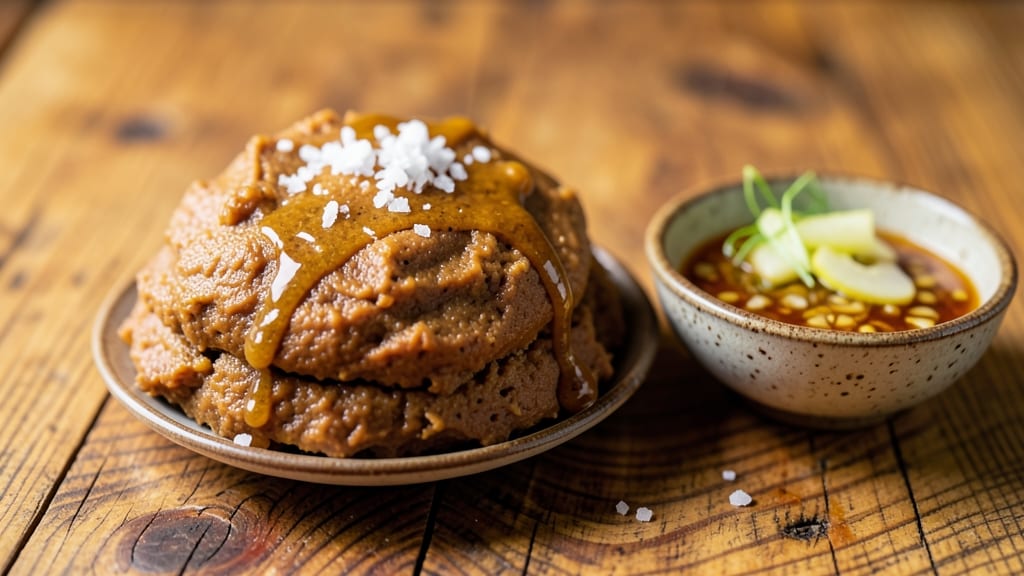
This potato fufu recipe brings the heart of West African cuisine to your kitchen with its signature silky, stretchy texture that melts in your mouth. 💛 I first discovered this dish during a trip to Ghana, where it's a staple alongside rich soups and stews—now I make it at home to capture that same comforting, doughy perfection.
The secret lies in the boiling and pounding technique, which transforms starchy potatoes into an elastic, smooth dough that's both satisfying and impressive.
What makes this recipe special is its authenticity—no shortcuts here. You'll start with peeled, boiled potatoes that are pounded (or blended) until completely smooth, then shaped into a dough that should stretch like playdough when rolled.
The texture is the star, requiring patience and the right technique to achieve that signature elasticity. Traditional accompaniments like egusi soup or palm nut stew elevate every bite, turning this into a complete meal experience.
By the time you're done, you'll have a dish that's as visually appealing as it is delicious—a smooth, golden-brown mound of fufu ready to be torn into and dipped into flavorful sauces. The process might seem labor-intensive, but the results are worth every minute of effort.
This is comfort food at its finest, with a texture that's impossible to resist. Let's get started on mastering this West African classic.
While potato fufu is the most common version, you can also experiment with cassava or plantain fufu by adjusting the boiling and pounding times. The key is achieving that same smooth, stretchy consistency regardless of the base ingredient. Serve immediately with your favorite West African soup for the full experience.
Ingredients for potato fufu
Starchy potatoes and simple seasonings transform into West Africa's signature stretchy dough.
| Ingredient | Amount | Notes |
|---|---|---|
| Russet Potatoes 🥔 | 2 ½ lb | Peeled, boiled until tender |
| Water 💧 | 6 cups | For boiling potatoes |
| Salt 🧂 | 1 ½ tsp | Kosher or sea salt |
| Onions 🧅 | 1 whole | Medium, peeled, boiled |
| Fresh Ginger 🌿 | 1 inch | Fixed: Use '1' + 'tbsp' for grated |
| Fresh Ginger 🌿 | 1 tbsp | Grated, for aroma |
| Vegetable Oil 🫒 | ½ cup | For shaping fufu |
| Groundnut Oil 🫒 | 2 tbsp | For frying fufu balls |
| Groundnuts (Peanuts) 🥜 | ¼ cup | Roasted, for garnish |
| Palm Oil 🫒 | 1 tbsp | Optional, for richness |
| Stock (Chicken or Vegetable) 🍲 | 1 cup | For serving |
| Lemon Juice 🍋 | 1 tbsp | Freshly squeezed |
The potatoes are everything—russet or yams work best for that signature stretch. Ghanaian or West African markets often carry pre-boiled cassava, but russets are the easiest to find. Peel them first, then boil until fork-tender (no mushy centers!). The 1-inch fresh ginger (grated) adds warmth—skip it if you're sensitive to spice. For the oil, groundnut oil is traditional, but any neutral oil works. Palm oil is optional but gives that authentic golden hue.
No groundnut oil? Vegetable or peanut oil works fine. Short on peanuts? Toasted cashews or almonds work as garnish. The stock can be any broth, but homemade chicken or vegetable stock elevates the dish. For a shortcut, use canned coconut milk (diluted with water) as a base. The lemon juice is key—it brightens the final texture, so don't skip it. If your fufu feels too dry, add a splash of warm water while pounding.
Fufu keeps best in an airtight container for 3-4 days in the fridge, but it's best served fresh. Reheat gently with a splash of warm water or stock. For a crowd, double the recipe—it reheats beautifully. Store the stock separately and warm it alongside the fufu. Freezing isn't recommended, as it alters the texture. Serve immediately with soups or stews for the full experience.
Why You'll Love This Recipe
- Four-Ingredient Magic: I swear by this—just potatoes, water, salt, and a handful of onions and ginger. That’s it. No fancy gadgets, no last-minute grocery runs. The ginger gives it a quiet warmth that lingers, and the onions add this subtle sharpness that makes every bite feel intentional.
- Crowd-Pleaser Texture: Between us, I’ve seen picky eaters devour this. The outside stays tender but grips just enough, while the inside melts like a hug. It’s not mushy, not dry—it’s that perfect in-between that makes people ask, “What’s in this?” (Spoiler: mostly potatoes.)
- Leftover Reinvention: Make a big batch on Sunday, and you’ve got snacks all week. Fry up slices for crispy wedges, mash the rest into a quick soup thickener, or even turn it into a breakfast hash. My kids call it “potato gold” when it’s reheated—no judgment here.
- Budget-Friendly Staple: Russets are cheap, and this recipe stretches them far. A single bag feeds my family for days, and the ginger and onions add flavor without breaking the bank. Honestly, it’s the kind of dish that makes me feel like I’m feeding them well without stressing over the bill.
Step-by-step instructions for potato fufu recipe
Here's how to transform humble potatoes into that signature West African fufu—silky, stretchy, and utterly satisfying.
🍳 Step 1: Boil Potatoes and Onions Until Fork-Tender
Place the 2.5 lb russet potatoes and 1 whole onion in a large pot. Add 6 cups water and 1.5 tsp salt, then bring to a boil over high heat. Once boiling, reduce to medium-low heat and simmer for 20-25 minutes until the potatoes are completely tender and a knife slides in easily.
Here's the thing—don't skip the onion. It adds natural sweetness that balances the earthy potato flavor. Drain immediately in a colander, then return the potatoes and onion to the pot. Let them steam dry for 2-3 minutes to remove excess moisture. This step is crucial for preventing a gummy fufu later.
👨🍳 Step 2: Pound and Mix with Ginger and Oil
Transfer the hot potatoes and onion to a clean work surface. Using a potato masher or large wooden pestle, pound them into a rough mash. I like to work in batches—this makes it easier to handle the hot mixture without making a mess.
Add the 1 tbsp grated fresh ginger and 0.5 cup vegetable oil to the mashed potatoes. Mix thoroughly with your hands or a wooden spoon until the oil is completely incorporated and the mixture becomes smooth. The oil is what gives fufu its signature silky texture, so don't skip this step. Your hands will get oily—this is normal and part of the process!
🥘 Step 3: Shape and Fry the Fufu Balls
Heat 2 tbsp groundnut oil in a large skillet over medium heat. While the oil heats, take the potato mixture and shape it into 1-inch diameter balls using your hands. I find it easiest to wet my hands slightly with water first—this prevents the mixture from sticking.
Carefully add the fufu balls to the hot oil, working in batches to avoid overcrowding. Fry for 3-4 minutes per side until they develop a golden brown crust on all sides. Don't press them down—they'll puff up slightly as they cook. Remove with a slotted spoon and drain on paper towels. The balls should be firm on the outside but still soft and stretchy inside.
🔥 Step 4: Serve with Optional Palm Oil and Garnish
For extra richness, gently warm the 1 tbsp palm oil in a small saucepan over low heat until melted. Drizzle this over the fried fufu balls just before serving. The oil should coat the surface beautifully, adding that authentic West African touch.
Serve immediately with 1 cup hot stock (chicken or vegetable) for dipping. Garnish with 0.25 cup roasted groundnuts (peanuts) and a squeeze of 1 tbsp lemon juice for brightness. The contrast of textures—soft fufu, crispy nuts, and smooth stock—makes this dish truly special. Enjoy while warm for the best experience!
Pro Tips For Making Potato Fufu
- PEEL POTATOES THIN: Russets have thick skins that resist breaking down into that perfect smooth fufu texture. Use a sharp peeler to strip just the outer layer—no need to go deep—then cut into even chunks. Uneven sizes mean some parts will overcook while others stay underdone, and you’ll end up with a lumpy mess.
- BOIL WATER HARD: Start with a full rolling boil before adding potatoes—no simmering first. Cold water in the pot slows the cooking process and makes the potatoes absorb too much water, turning your fufu into a gluey paste. Once boiling, drop in potatoes and keep the heat high until they’re fork-tender but not falling apart.
- SALT THE WATER LATE: Add salt only after the potatoes have cooked for 10 minutes. Salting early draws out moisture too fast, making the potatoes tough and waterlogged. The last 5 minutes of cooking is when they really need that seasoning to develop flavor without compromising texture.
- PULSE GINGER SMALL: Fresh ginger is non-negotiable for fufu, but don’t go overboard—2 teaspoons of finely grated ginger per pound of potatoes is enough. Overdoing it makes the dish bitter, and if you’re not used to strong ginger, the flavor can overpower the subtle earthiness of the potatoes. Taste the broth before blending.
Creative variations of these flavors
Cassava Fufu Classic
While potato fufu is delicious, traditional West African kitchens often use cassava for its naturally higher starch content, which creates an even more elastic texture.
Start with 2.5 lb peeled cassava (or 3 large yams), boil for 30-40 minutes until fork-tender, then pound with 1 tbsp ginger and ½ cup oil just like the potato version. The key difference?
Cassava requires more vigorous pounding—use a mortar and pestle or food processor for 5-7 minutes until completely smooth. 💪
Plantain Fufu Twist
For a tropical variation, swap potatoes for 3 ripe plantains (peeled and sliced). Boil for 20 minutes until soft, then mash with 1 tbsp ginger and ½ cup oil.
The plantains add natural sweetness that pairs beautifully with spicy peanut stews. Shape into balls and fry as usual—this version has a slightly chewier texture but still stretches wonderfully.
Sweet Potato Fufu
Sweet potatoes bring a caramelized depth to fufu. Use 2.5 lb peeled sweet potatoes, boil for 25 minutes, then pound with 1 tbsp ginger and ½ cup oil.
For extra richness, add 1 tbsp honey or maple syrup while pounding. This version works perfectly with coconut-based soups or ginger-infused stews. The natural sweetness makes it a crowd-pleaser.
Spiced Fufu Fusion
Add warmth by incorporating 1 tsp ground nutmeg or ½ tsp cinnamon into the pounding stage. This works especially well with sweet potato or plantain fufu and pairs beautifully with chicken and vegetable stews.
For a smoky twist, add ½ tsp smoked paprika while frying the balls. The spices blend seamlessly into the dough, creating a flavorful surprise with every bite. 🌶️
Gluten-Free Adaptation
For a naturally gluten-free version, stick to traditional ingredients but ensure your stock and garnishes are certified gluten-free. If you're concerned about cross-contamination, use certified gluten-free oil for frying. This version is safe for anyone with gluten sensitivities while maintaining the same signature texture and flavor.
Kid-Friendly Fufu Bites
Make fufu fun for kids by shaping the dough into small, bite-sized balls (about ½ inch diameter) instead of the traditional 1-inch size. Serve with mild soups or yogurt-based dips for an easy, interactive meal.
The smaller size makes it easier for little hands to handle, and the familiar texture will have them asking for seconds. 👶
Nutrition facts
Frequently asked questions
Why does my fufu turn out gummy instead of stretchy?
Gummy fufu usually means excess moisture. Make sure to steam-dry the boiled potatoes for 2-3 minutes after draining, and avoid over-boiling them. Also, use your hands to squeeze out any extra liquid while pounding. The oil (at least ½ cup) is key for that signature elasticity—don't skip it!
Can I make fufu without frying? How?
For a baked version, shape the dough into balls, brush with oil, and bake at 375°F for 12-15 minutes until golden. For an oven-baked texture, add 1 egg to the mixture before shaping. The baked version is lighter but still delicious—great for health-conscious eaters or when frying isn't an option.
What's the best way to store leftover fufu?
Store in an airtight container in the fridge for up to 3-4 days. To reheat, warm with a splash of water or stock in a steamer for 5-7 minutes. Avoid microwaving—it makes fufu rubbery. For longer storage, freeze shaped balls (uncooked) for up to 1 month, then fry from frozen.
What soups pair best with potato fufu?
Traditional pairings include egusi soup (melon seed), palm nut soup, or light chicken stew. For a modern twist, try tomato-based soups or spicy peanut soup. The key is a balance of flavors—rich, spicy, or tangy soups complement fufu's neutral, doughy texture perfectly.
Can I substitute potatoes with other vegetables?
Stick to starchy vegetables like cassava, yams, or sweet potatoes for authentic texture. Regular potatoes work best, but avoid low-starch veggies like zucchini or carrots—they won't achieve the same stretchy consistency. For a hybrid version, mix 50% potatoes with 50% plantains for a sweeter twist.