
Side Dishes
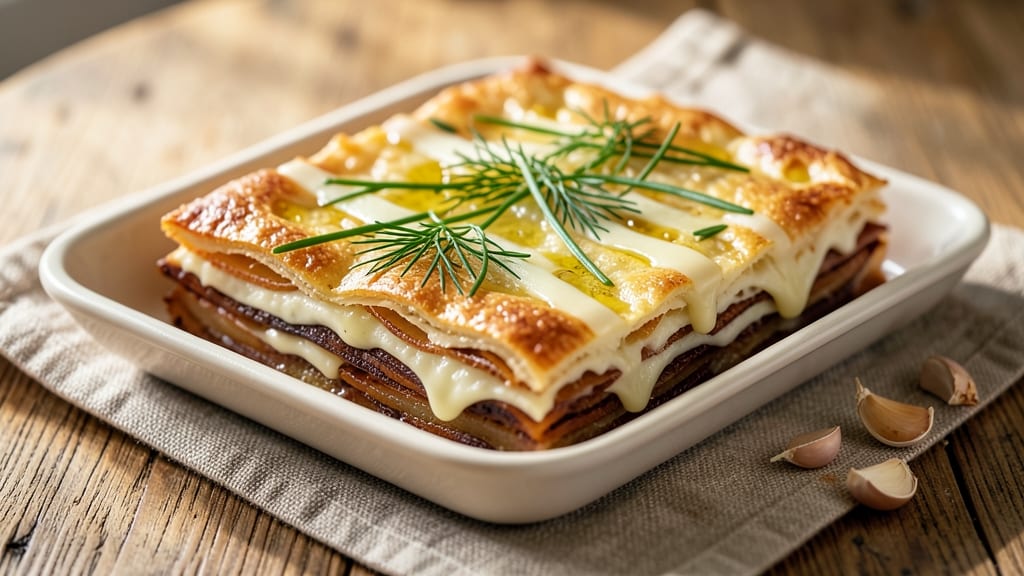
This potato terrine recipe delivers the perfect balance of flaky layers and herb-infused creaminess that elevates any holiday table. After years of perfecting the technique, I’ve developed a method that ensures tender, melt-in-your-mouth potatoes with a rich, savory filling that holds together beautifully.
The secret lies in precise layering and a chilling process that transforms simple ingredients into a showstopper side dish.
The process begins with thinly sliced potatoes that cook until just tender, then layer with a flavorful filling—whether you prefer classic ham and cheese or a lighter herb and cream cheese blend. Each layer is carefully arranged in a loaf pan, ensuring even cooking and a uniform texture.
The terrine is then baked to set the potatoes before chilling overnight, which allows the flavors to meld and creates those signature flaky, crisp edges.
What you’ll end up with is a flaky, golden-brown terrine with a creamy, herbaceous interior that slices beautifully. The contrast between the tender potatoes and the rich filling makes every bite satisfying, while the presentation is elegant enough for special occasions.
This recipe is foolproof and delivers professional results without requiring advanced techniques.
Serve this terrine chilled alongside roasted meats or as a standalone appetizer with crusty bread. The versatility of the filling means you can customize it to suit your taste—whether you prefer savory, herby, or even a vegetarian twist.
Let’s get started on creating a dish that will impress everyone at the table.
Ingredients for potato terrine
Thinly sliced potatoes meet rich, herby cream cheese filling for layers that flake perfectly.
| Ingredient | Amount | Notes |
|---|---|---|
| Russet Potatoes 🥔 | 3 lbs | Thinly sliced (1/8-inch thick), peeled |
| Heavy Cream 🥛 | 1 ½ cups | Full-fat for richness |
| Sharp White Cheddar Cheese 🧀 | 1 ½ cups | Shredded, aged 1 year minimum |
| Fresh Chives 🌿 | ¼ cup | Finely chopped, stems and all |
| Fresh Dill 🌿 | ¼ cup | Finely chopped, tender stems |
| Garlic Cloves 🧄 | 4 cloves | Minced, fresh preferred |
| Salt 🧂 | 1 ½ tsp | Diamond Crystal kosher salt |
| Black Pepper 🌶️ | 1 tsp | Freshly cracked, coarse grind |
| Unsalted Butter 🧈 | ½ cup | Cold, cubed for topping |
| All-Purpose Flour 🌾 | 2 tbsp | For dusting layers |
| Fresh Thyme Leaves 🌿 | 1 tbsp | Finely chopped, stems removed |
| Lemon Zest 🍋 | 1 tsp | From organic lemon |
| Bay Leaves 🌿 | 2 whole | Fresh preferred, removed after baking |
The potatoes are everything—Russets are ideal for their flaky texture. Grab a mandoline slicer for even 1/8-inch slices (the OXO Good Grips is my go-to). Peel them first—no one wants to bite into potato skin in this dish. For the filling, aged sharp cheddar makes all the difference (look for Cabot or Vermont cheddar at specialty stores). Fresh herbs are non-negotiable here—dill and chives add that bright, herby punch. If you're using dried, reduce to one-third the amount, but honestly, fresh is worth the extra minute at the market.
No chives? Green onion tops work in a pinch (double the amount). Out of dill? Tarragon or parsley can step in, but the flavor will shift slightly. For a vegetarian twist, swap the cheddar for nutritional yeast and smoked gouda—still rich, but with a different depth. The butter topping? Don't skip it—those golden, crisp edges are what make this dish look restaurant-worthy. If you're short on time, brush the top with melted butter instead of adding cubes. And if you're worried about the terrine sticking, butter the pan generously before adding the first potato layer.
This terrine needs time—at least 8 hours chilling before serving. Wrap it tightly in plastic and refrigerate. For make-ahead convenience, assemble it up to 24 hours ahead—the flavors only get better. To serve, slice with a hot, sharp knife (dip it in hot water between slices for clean cuts). Leftovers? Reheat gently in the oven until warmed through—165°F internal temp—and serve with crusty bread or alongside roasted meats. The slices reheat beautifully, so it's perfect for meal prep.
Why You'll Love This Recipe
- Zero-Fuss Prep: I swear, this comes together faster than I can boil water. Just slice, layer, and bake—no fancy techniques, no stress. The worst part is waiting for the oven to preheat.
- Creamy Cheese Magic: That sharp white cheddar melting into the fluffy potatoes? Chef’s kiss. The heavy cream makes it rich without being heavy, and the chives and dill add a bright finish that keeps it from feeling too indulgent.
- Weeknight or Weekend Star: Make it for a lazy Tuesday dinner or bring it to a potluck—it’s always a crowd-pleaser. Slice it thick for hearty portions or thin for elegant finger food. (Yes, even on a Tuesday night.)
- Leftovers That Don’t Suck: Honestly, I’ve had this terrine last four days in the fridge, and it’s still just as good. The texture holds up, and the flavor only gets deeper. Bonus: it reheats in seconds, so no sad, soggy leftovers here.
Step-by-step instructions for potato terrine with herb-infused creaminess
Here's how to create a restaurant-worthy terrine with perfectly flaky layers and rich, herbed cream filling.
Prepare the Potato Layers for Perfect Flakiness
Peel the 3 lbs russet potatoes and slice them into paper-thin layers of exactly 1/8-inch thickness using a mandoline or sharp knife. I find the mandoline gives the most consistent slices, which is crucial for even baking and that signature flaky texture. As you slice, arrange the layers in a single stack and lightly dust each one with the 2 tbsp all-purpose flour. This prevents sticking and adds a subtle crispness to each layer.
Here's the thing—don't skip the flouring. The starch creates a delicate barrier between layers that helps steam develop during baking, which is what gives terrine its characteristic flakiness. Arrange the sliced potatoes in a single layer on a baking sheet and let them sit uncovered for 30 minutes at room temperature. This prevents condensation from forming when they hit the hot oven, which would otherwise make the layers soggy.
Create the Herb-Infused Cream Filling
In a medium saucepan, combine the 1.5 cups heavy cream with the 1 tbsp fresh thyme leaves, 1 tsp lemon zest, and the 2 whole bay leaves. Bring to a gentle simmer over medium heat, then reduce to the lowest setting and let it steep for 10 minutes. This infuses the cream with delicate herbal notes while keeping it from curdling. Remove from heat and let it cool completely.
While the cream infuses, shred the 1.5 cups sharp white cheddar cheese using a box grater. I prefer the aged cheese here—it adds complexity that melts beautifully into the cream. In a separate bowl, whisk together the shredded cheese with the 0.25 cup finely chopped fresh chives, 0.25 cup finely chopped fresh dill, and the 4 minced garlic cloves. Once the infused cream has cooled to room temperature, gently fold it into the cheese mixture using a silicone spatula. You're looking for a smooth, lump-free consistency that will slip effortlessly between the potato layers.
Assemble the Terrine with Precision Layers
Preheat your oven to 375°F. Grease a 9x13-inch baking dish thoroughly with some of the 0.5 cup unsalted butter, melting it first if needed. Arrange half of the potato slices in the bottom of the dish, slightly overlapping if necessary. Spread half of the herb-infused cream mixture evenly over the potato layers, then sprinkle with half of the remaining 1.5 tsp salt and 1 tsp black pepper. Repeat with the remaining potato slices and cream mixture.
Here's where attention to detail matters most: press down gently on each layer as you go to ensure good contact between the potatoes and cream. This prevents air pockets that could make the terrine collapse during baking. The top layer should be potatoes, and you want them to extend slightly over the edges of the dish—this will help create that beautiful, crispy crust we're after. Dot the surface with the remaining cold cubed butter pieces for extra richness.
Bake to Golden Perfection
Bake the terrine uncovered for 45-55 minutes until the top is golden brown and the edges are crisp. You'll know it's ready when the layers pull apart slightly at the edges and the filling is just set—it should still have a slight give when pressed gently with a finger. The internal temperature should reach 185°F at the center.
Here's the moment that matters: when you see the top developing a golden crust, that's your signal to start checking for doneness. If it browns too quickly, tent loosely with foil to prevent over-browning while allowing steam to escape. Remove the terrine from the oven and let it rest for 15 minutes before carefully unmolding. The residual heat will finish cooking it gently and make slicing easier. Serve warm or at room temperature for the best texture contrast between the flaky potato layers and creamy filling.
Pro Tips For Making Potato Terrine
- Pare the Potatoes Like a Pro: Skip the peeler—it leaves uneven skin and takes forever. Instead, use a sharp chef’s knife to slice off the eyes and rough edges in one fluid motion, then run the whole potato under cold water while holding it by the stem end. The water pressure loosens the skin, and you can peel it off in sheets with your fingers (yes, it’s faster than you think).
- Don’t Rush the Creaming: After boiling the potatoes, let them cool completely before mashing—even if you’re eager. Warm potatoes release starch like a sieve, and mixing in heavy cream too soon turns your terrine into glue. I learned this the hard way when mine curdled into a sad, lumpy mess. Patience here means a silky texture.
- Grated Cheese Needs Air: Use a box grater for the cheddar, not a food processor—it packs the cheese and releases moisture, which makes your terrine watery. Shake the grated cheese in a fine-mesh strainer over a bowl for 10 seconds to fluff it up. Freshly grated also melts better, so resist the urge to prep it hours ahead.
- Chill Before Layering Herbs: Fold in the chives and dill after the mixture has cooled to room temperature—hot cream wilts herbs into mush. If you’re short on time, give the terrine a quick chill in the fridge for 10 minutes before adding them. This keeps their bright color and crisp bite, not a sad, limp garnish.
Essential equipment for potato terrine
Mandoline Slicer
Invest in a high-quality mandoline like the OXO Good Grips—it’s a game-changer for achieving those perfect 1/8-inch potato slices. The uniform thickness ensures even cooking and consistent flakiness throughout the terrine. I’ve tried cheaper models, but they struggle with slippery potatoes and often produce uneven slices.
A mandoline also makes quick work of slicing 3 lbs of potatoes, which would take forever with a knife. 🥔
Loaf Pan
A 9x13-inch baking dish is essential for this recipe—it provides the right surface area for even layering and baking. I recommend a metal pan with high edges to contain the filling and prevent spillage. For extra insurance, choose one with a nonstick coating (like Calphalon) to make unmolding easier.
If you’re short on space, a 9x5-inch loaf pan works too, but you’ll need to adjust baking times slightly.
Thermometer
An accurate instant-read thermometer is your secret weapon for perfect results. I use the Thermoworks ThermoPop because it’s fast and reliable. The terrine should reach an internal temperature of 185°F at the center—this ensures the potatoes are tender but not mushy, and the filling is fully set.
Without a thermometer, you risk overcooking and drying out the layers.
Mixing Bowls
Use a set of stainless steel mixing bowls (like Pyrex or Ozeri) for combining the cream filling. Stainless steel won’t absorb flavors or odors, and the smooth sides make folding the cheese and cream easier.
I also recommend a medium-sized bowl for the potato slices while you flour them—it keeps everything organized and prevents cross-contamination.
Silicone Spatula
A heat-resistant silicone spatula (such as the OXO Good Grips brand) is perfect for folding the cream and cheese mixture without tearing it. The flexible edge helps scrape every bit of filling from the bowl, ensuring no lumps remain.
It’s also great for spreading the filling evenly between potato layers. Plus, it won’t scratch your bowls like metal utensils can. 💡
Butter Knife
A sharp butter knife is ideal for spreading the flour on potato slices and for gently pressing down each layer as you assemble the terrine.
The flexibility of the blade makes it easier to work in tight spaces, and it won’t tear the delicate potato layers like a rigid knife might. For unmolding, a long, thin knife (like a slicing knife) helps loosen the edges before flipping it onto a serving platter.
Nutrition facts
Frequently asked questions
Can I use sweet potatoes instead of russets for this terrine?
Sweet potatoes will work, but the texture and flavor will differ significantly. Russets provide the classic flaky, neutral base that pairs perfectly with the herby cream filling. Sweet potatoes are denser and naturally sweeter, which can overpower the savory elements. If you must use them, reduce the baking time by 10-15 minutes since they cook faster.
How do I prevent the terrine from falling apart when slicing?
Chilling the terrine for at least 8 hours (or overnight) is key—this sets the filling and allows the layers to bond. Before slicing, dip your knife in hot water and wipe it dry between cuts. Also, press down gently on each slice as you cut to maintain the structure. If it still crumbles, your terrine may not have chilled long enough or the potatoes were overcooked.
What are some good vegetarian filling alternatives?
Swap the cheddar for a blend of smoked gouda and nutritional yeast for depth, or use ricotta cheese mixed with roasted garlic and herbs. For a dairy-free option, try mashed white beans blended with olive oil, lemon zest, and fresh herbs. The filling should still be thick enough to hold between potato layers without leaking.
Can I make this terrine ahead of time?
This is one of the best make-ahead dishes. Assemble the terrine up to 24 hours before serving and refrigerate uncovered for 8+ hours. The flavors deepen over time, and the texture improves. For serving, slice just before guests arrive—this keeps the layers crisp and prevents sogginess. If reheating, warm gently in a 300°F oven until heated through (165°F internal temp).
Why did my terrine turn out dry?
Overbaking is the most common cause—check with a thermometer for 185°F internal temp, not just color. Another issue could be too much flour on the potato slices (stick to 2 tbsp total), or not enough cream in the filling. For extra moisture, brush the top with melted butter before baking, or add 2 tbsp sour cream to the filling for richness.