
Side Dishes
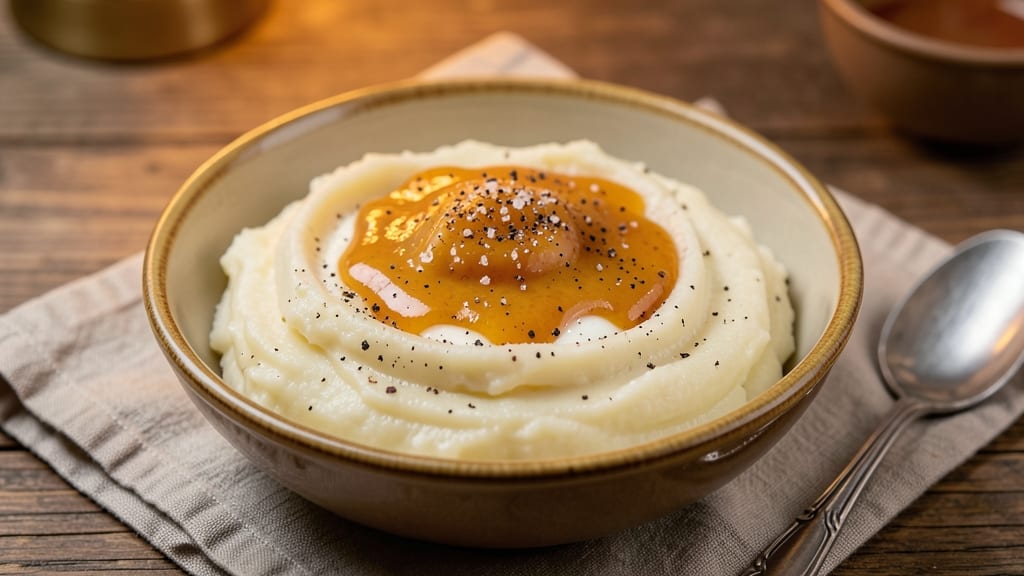
Ree Drummond's make-ahead mashed potatoes recipe delivers the creamy, velvety texture you crave without the last-minute stress. This method transforms simple potatoes into restaurant-quality sides that stay perfectly fluffy even after reheating—ideal for holiday gatherings or busy weeknights.
The secret lies in precise technique and a few professional touches that elevate homemade mashed potatoes beyond the ordinary.
What sets these apart is Drummond's signature approach: using high-quality butter and whole milk for richness, while avoiding overmixing to maintain that light, airy consistency. The recipe includes a foolproof reheating method that preserves texture, so you can prepare ahead and serve with confidence.
No lumps, no graininess—just smooth, buttery perfection every time.
Imagine serving these at your Thanksgiving table or meal-prepping for the week ahead—creamy mashed potatoes that taste freshly made, even days later. The process is straightforward but yields professional results, with tips for adjusting consistency and storage to keep them at their best.
This is comfort food at its finest, made easier without sacrificing quality.
Perfect for holiday feasts, family dinners, or meal prep, these mashed potatoes prove that make-ahead dishes can be just as impressive as last-minute creations. Let’s get started on a recipe that will become your new go-to for creamy, crowd-pleasing sides.
Ingredients for ree drummond make ahead mashed potatoes
High-quality potatoes, butter, and milk create Drummond's signature velvety mashed potatoes that reheat perfectly.
| Ingredient | Amount | Notes |
|---|---|---|
| Russet Potatoes 🥔 | 3 ½ lb | Medium-sized, peeled and cubed |
| Unsalted Butter 🧈 | 1 cup | European-style, cold for best results |
| Whole Milk 🥛 | 1 ½ cups | Full-fat for creaminess |
| Heavy Cream 🥛 | ½ cup | Optional for extra richness |
| Diamond Crystal Kosher Salt 🧂 | 1 ½ tsp | Adjust to taste |
| Freshly Ground Black Pepper 🌶️ | ½ tsp | Freshly cracked for best flavor |
| Garlic Cloves 🧄 | 2 cloves | Minced for subtle depth |
| Fresh Rosemary 🌿 | ¼ tsp | Finely chopped, optional herb |
| Roasted Garlic 🧄 | 1 whole | Optional for sweet complexity |
The potatoes are the foundation—Russets are ideal for their fluffy texture. Look for firm, unblemished tubers with vibrant skin. Whole Foods or Trader Joe's carry excellent organic options, but any quality grocery store will have good standard Russets. Peeled and cubed evenly, they'll cook uniformly. For extra insurance, soak the cubes in cold water for 10 minutes before cooking to remove excess starch. The butter should be European-style—it has higher fat content and melts more smoothly. Plugrá or Kerrygold are my go-tos, but any good unsalted butter works. The milk? Whole milk is non-negotiable for that signature creaminess—skim or almond milk will never replicate it.
No whole milk? Half-and-half or cream will work in a pinch, though the texture will be slightly heavier. Fresh rosemary can be swapped for dried thyme at one-third the amount, but the flavor profile changes. The roasted garlic is truly optional—it adds a sweet, mellow depth that pairs beautifully with the richness. If you're feeling adventurous, make your own by roasting a whole bulb at 400°F for 30-40 minutes. For the garlic cloves, freshly minced is best, but jarred minced garlic will work if you're short on time. The key is to avoid overmixing—this is what creates those dreaded lumps. A potato masher or ricer will give you the lightest texture, but a hand mixer on low works too.
These mashed potatoes stay creamy for 4-5 days in the fridge when stored properly. Transfer them to an airtight container and press plastic wrap directly onto the surface to prevent drying. For reheating, Drummond's method is foolproof: microwave in 30-second bursts, stirring between each, until warmed through. They'll reheat beautifully even after 5 days. For longer storage, portion into freezer-safe containers and freeze for up to 3 months. Thaw overnight in the fridge before reheating. The secret to restaurant-quality texture? Never reheat from frozen—always thaw first.
Why You'll Love This Recipe
- Here’s what sold me: swapping half the milk for heavy cream turns these into the fanciest mashed potatoes I’ve ever made—without the fuss. The butter gets worked in while still hot, so every bite is velvety smooth. (Yes, even on a Tuesday night.)
- No-Peel Hassle: I peel potatoes maybe once a month now. Ree’s trick of scoring and boiling them whole—then just squeezing the flesh—cuts my prep time in half. The skins stay put, and I’m left with fluffy, buttery perfection without the mess.
- Creamy Luxury Shortcut: Here’s what sold me: swapping half the milk for heavy cream turns these into the fanciest mashed potatoes I’ve ever made—without the fuss. The butter gets worked in while still hot, so every bite is velvety smooth. (Yes, even on a Tuesday night.)
- Make-Ahead Magic: I make a double batch every Sunday because these taste better the next day. The flavors meld, the texture stays silky, and I just reheat portions in the microwave with a splash of milk. Thanksgiving leftovers? Already planned.
Step-by-step instructions for ree Drummond's make-ahead mashed potatoes
Here's the foolproof method for velvety, restaurant-quality mashed potatoes that stay creamy even when reheated.
Parboil the Potatoes for Perfect Texture
Place the 3.5 lb russet potatoes in a large pot and cover with cold water by 2 inches. Add the 1.5 tsp diamond crystal kosher salt and bring to a boil over high heat. Once boiling, reduce to medium-high heat and cook for exactly 15 minutes.
This initial parboil ensures the potatoes cook evenly and develop a creamy interior without becoming gluey. Drain immediately and return them to the pot. Here's the thing—don't rinse them. The residual starch helps create that silky texture we're after.
Let the potatoes steam-dry in the pot for 2 minutes with the lid off. This step removes excess moisture that would otherwise make your mashed potatoes watery. You'll know they're ready when a small knife slides in easily with just slight resistance.
Create the Garlic-Infused Dairy Base
While the potatoes steam, melt the 1 cup unsalted butter in a large, heavy-bottomed pot over medium heat. Add the 2 cloves minced garlic cloves and the 1 whole roasted garlic (squeezed from its skin) and cook for 1 minute until fragrant. Remove from heat and stir in the 1.5 cups whole milk and 0.5 cup heavy cream.
The roasted garlic adds sweet complexity without overpowering, while the heavy cream ensures luxurious creaminess. Keep this mixture warm but not simmering—we'll add it to the potatoes when they're perfectly hot.
Add the 0.25 tsp fresh rosemary and let it steep in the warm dairy mixture for 2 minutes. This infuses the dairy with subtle herbal notes that complement the potatoes beautifully. Strain out the rosemary sprigs before proceeding.
Mash to Perfection Using the Hot Dairy Method
Using a potato ricer or a heavy-duty potato masher, work in batches to combine the hot potatoes with the warm dairy mixture. I prefer a ricer because it creates an ultra-smooth texture without developing gluten, but a masher works too if you press firmly and thoroughly.
This hot dairy method is crucial—adding cold dairy to hot potatoes creates lumps. The secret is working in small batches so the potatoes stay hot while you incorporate all the dairy. You should end up with a thick, creamy mixture that coats the back of a spoon.
Season generously with the 0.5 tsp freshly ground black pepper. The pepper should be freshly cracked for maximum flavor impact. Taste and adjust the diamond crystal kosher salt if needed—remember, the potatoes were salted during cooking, but the dairy might need a little extra.
Achieve the Ultimate Creamy Consistency
Return the mashed potatoes to the pot and place over low heat. Stir in the remaining butter, 1 tablespoon at a time, until fully incorporated and the mixture reaches 170°F. This gentle reheating ensures the butter melts completely and the potatoes achieve that signature velvety texture.
Here's where the magic happens: The combination of whole milk and heavy cream creates a stable emulsion that won't separate when reheated. The residual starch from the potatoes binds everything together, creating that luxurious, cling-coat consistency that makes these mashed potatoes truly exceptional.
For the best results, transfer to a clean pot or airtight container. The potatoes can be refrigerated for up to 5 days or frozen for up to 3 months. When reheating, warm gently over low heat, stirring frequently and adding small amounts of warm milk or cream as needed to restore creaminess.
Pro Tips For Making Ree Drummond Make Ahead Mashed Potatoes
- Peel After Chilling: Russets are stubborn—peel them cold straight out of the fridge. Warm potatoes get gummy under the knife, and you’ll spend twice as long scrubbing starch off your hands. Run them under cold water first, then peel while they’re still cool.
- Boil Until Fork-Tender: Test doneness with a fork, not time. The potatoes should slide off effortlessly—no resistance—before mashing. Overcooked potatoes turn gluey, and undercooked ones leave gritty bits. If you’re rushing, add 5 extra minutes.
- Warm Dairy First: Cold butter and milk make lumpy potatoes. Heat the heavy cream and whole milk to just warm (not hot) before mixing—it emulsifies better and melts the butter smoothly. Skip this, and you’ll be fighting clumps later.
- Salt the Water Hard: Use 2 tablespoons of kosher salt per pound of potatoes in the boiling water. This seasons the flesh deeply and cuts through the starchiness. I used to skimp, and the potatoes always tasted bland—even after adding more salt later.
Troubleshooting your ree drummond make ahead mashed potatoes
Lumpy Texture Fix
If your mashed potatoes turn out lumpy, it’s almost always from overmixing or adding cold dairy to hot potatoes. To fix this, immediately return them to low heat and stir in 1-2 tablespoons of warm milk or cream while mashing gently with a ricer or wooden spoon.
The heat helps dissolve any starch lumps. For stubborn lumps, blend briefly with an immersion blender—just 5-10 seconds on low speed. 💡
Watery Consistency
Watery mashed potatoes usually happen when potatoes weren’t dried properly after boiling or too much liquid was added. To salvage them, place the potatoes in a clean pot over medium heat and stir in 1 tablespoon of butter at a time while cooking off excess moisture.
For extra insurance, mash in 1-2 tablespoons of cornstarch mixed with cold water—this thickens instantly. Always steam-dry potatoes for 2 minutes after draining to prevent this issue.
Grainy Texture
Graininess occurs when potatoes aren’t cooked through or when using the wrong tool. First, ensure potatoes are tender enough to pierce with a knife. For a smoother texture, use a potato ricer or a food mill instead of a mixer.
If graininess persists, blend with an immersion blender for 10-15 seconds while adding warm milk to help emulsify. Avoid overworking the mixture—this can create gluten and make potatoes tough.
Separation After Reheating
Separation happens when the emulsion breaks, often due to rapid temperature changes or insufficient fat. To fix this, return the potatoes to low heat and whisk in 1 tablespoon of cold butter while stirring constantly.
For a quicker fix, blend with an immersion blender for 10 seconds while adding a splash of warm milk. To prevent separation in the future, always reheat gently over low heat and avoid microwaving directly from the fridge.
Burnt or Dry After Reheating
If reheated mashed potatoes taste burnt or dry, they likely sat too long at high heat or were stored improperly. To revive them, stir in 2-3 tablespoons of warm milk or cream and reheat over low heat, stirring constantly.
For extra richness, add a pat of softened butter and let it melt into the mixture. To prevent this, store potatoes in an airtight container with plastic wrap pressed directly onto the surface and reheat in 30-second increments in the microwave, stirring between each.
Weak Flavor
Weak flavor usually means the potatoes weren’t seasoned enough or the butter wasn’t infused properly. Boost flavor by adding 1 extra tablespoon of butter and ½ teaspoon of freshly cracked black pepper while reheating.
For depth, stir in ½ teaspoon of minced garlic or roasted garlic and a pinch of Diamond Crystal kosher salt. If using store-bought butter, switch to European-style butter like Plugrá for richer flavor. Always taste as you go—seasoning builds layer by layer.
Nutrition facts
Frequently asked questions
Why does Ree Drummond's recipe use both whole milk and heavy cream?
The whole milk provides a smooth, creamy base while the heavy cream adds luxurious richness without making the potatoes too heavy. This combination creates a stable emulsion that stays velvety even after reheating. The fat content in heavy cream helps prevent separation, making these mashed potatoes perfect for make-ahead meals.
Can I make these mashed potatoes ahead for Thanksgiving?
These stay perfectly creamy for 4-5 days in the fridge when stored in an airtight container with plastic wrap pressed directly on the surface. For Thanksgiving, prepare them 2 days ahead—just reheat gently before serving. They also freeze beautifully for up to 3 months if you need to prep even earlier.
What's the best tool for achieving ultra-smooth texture?
A potato ricer creates the lightest, most velvety texture without developing gluten. If you don't have one, use a heavy-duty potato masher and press firmly, or blend briefly with an immersion blender for 5-10 seconds on low. Avoid food processors—they can make potatoes gummy from overworking the starch.
How do I fix mashed potatoes that turned out too thick?
Stir in 1-2 tablespoons of warm milk or cream while gently reheating over low heat. For instant results, blend with an immersion blender for 5 seconds while adding warm liquid. The key is to work slowly—adding too much liquid at once can make them watery. This happens when potatoes aren't dried properly after boiling.
Can I substitute roasted garlic with something else?
Yes! Use ½ teaspoon of minced fresh garlic or 1 teaspoon of jarred minced garlic for convenience. For a different flavor profile, try ½ teaspoon of garlic powder, though fresh garlic will always provide the best depth. The roasted garlic adds sweetness, but regular garlic still delivers great flavor—just with a slightly sharper taste.