
Side Dishes
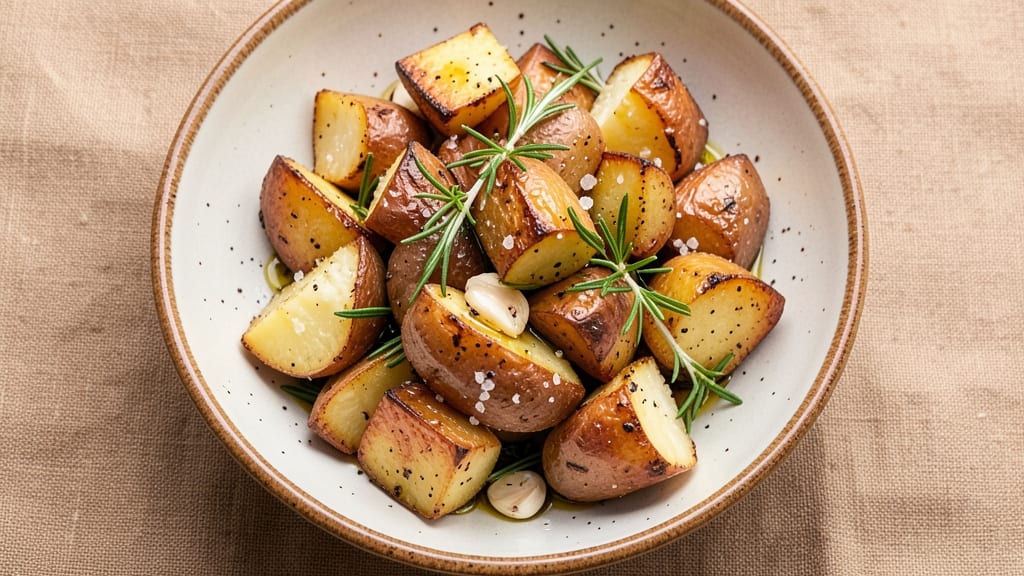
This rosemary-garlic roasted russet potatoes recipe transforms a simple side into the star of your meal with its perfectly crispy edges and tender, flavorful centers. The secret lies in high-heat roasting and a simple seasoning blend that amplifies the potatoes' natural richness—no fancy techniques required.
I perfected this method after years of testing, and it consistently delivers restaurant-quality results every time, whether paired with steak or served as a standalone dish.
The beauty of this recipe is its simplicity: just a few ingredients and 30 minutes of hands-off roasting time. You’ll start with whole russet potatoes, cut into even chunks for consistent cooking, then coat them in a blend of olive oil, minced garlic, fresh rosemary, salt, and pepper.
The key to achieving those crispy edges is roasting them at a high temperature (425°F) until golden brown, while the inside stays fluffy and buttery.
What you’ll end up with is a tray of golden, aromatic potatoes that are crisp on the outside and tender within, infused with the warm, earthy flavors of rosemary and garlic.
The aroma alone will have everyone at the table anticipating the first bite—this is the kind of side dish that elevates any meal without stealing the spotlight. Ready to make dinner unforgettable? Let’s get started.
These roasted russets pair beautifully with grilled meats, roasted chicken, or even as a hearty vegetarian main. The recipe scales easily for crowds, and leftovers reheat perfectly, making it ideal for meal prep.
Once you try this method, you’ll never settle for boiled or steamed potatoes again—this is how russets should be enjoyed.
Ingredients for russett potato
Eight essential ingredients elevate russet potatoes into a restaurant-worthy centerpiece dish.
| Ingredient | Amount | Notes |
|---|---|---|
| Russet Potatoes 🥔 | 2 lb | Whole, organic preferred for texture |
| Extra-Virgin Olive Oil 🫒 | ½ cup | High-quality, fruity variety |
| Fresh Rosemary Sprigs 🌿 | ¼ cup | Finely chopped, stems removed |
| Garlic Cloves 🧄 | 6 cloves | Peeled, minced for even distribution |
| Diamond Crystal Kosher Salt 🧂 | 1 ½ tsp | Fine grain for even seasoning |
| Freshly Ground Black Pepper 🌶️ | 1 tsp | Coarsely ground for texture |
| Unsalted Butter 🧈 | 2 tbsp | Cold, cubed for post-roast finishing |
| Fresh Thyme Leaves 🌿 | ⅛ cup | Optional, for additional aroma |
The russet potatoes are the foundation—choose organic russets when possible for their superior texture and lower starch content, which yields crispier edges. Whole Foods or local farmers' markets often carry premium russets, but any standard grocery store russet will work. Look for potatoes that are firm, free of sprouts, and have a vibrant, unblemished skin. The key to even cooking lies in cutting them into uniform 1.5-inch chunks; a mandoline makes this task effortless for consistent results. Fresh rosemary and thyme should be vibrant green with a fragrant aroma—wilting or yellowing sprigs indicate age and diminished flavor. For the garlic, Elephant Garlic from specialty markets adds a milder, sweeter profile, but standard garlic cloves deliver reliable results.
Substitutions are possible but require adjustments: Yukon Gold potatoes can replace russets, though they won’t achieve the same crispiness; increase the olive oil by 1 tablespoon to compensate. Fresh rosemary unavailable? Dried rosemary at one-third the amount works, but toast it briefly in a dry pan to revive its aroma. For garlic, garlic powder at half the amount is a convenient alternative, though it lacks the complexity of fresh. The kosher salt is non-negotiable—its coarse texture ensures even seasoning without over-salting. If you prefer a different pepper, freshly cracked white pepper offers a subtle, elegant alternative. The butter can be omitted entirely for a lighter dish, though it adds luxurious richness when melted over the finished potatoes.
Store whole russet potatoes in a cool, dark place for up to 2 weeks, but cut potatoes oxidize quickly—coat them in olive oil and refrigerate for no more than 24 hours before roasting. The roasted potatoes reheat beautifully: spread them on a baking sheet and warm at 375°F for 10-15 minutes until heated through. For meal prep, portion the roasted potatoes into airtight containers and store in the refrigerator for 4-5 days, or freeze for up to 3 months. When reheating from frozen, bake at 375°F for 20-25 minutes, covered with foil, to restore crispiness. The aroma alone makes these worth the effort—plan to roast them just before serving for maximum impact.
Why You'll Love This Recipe
- Same recipe, zero shame: I serve these as a side for steak night or pile them high on a charcuterie board. The salt and rosemary cut through rich meats, but they’re just as happy under a grilled chicken or next to a simple salad.
- One-Pan Magic: I swear by this recipe because it’s literally three ingredients plus heat—no peeling, no boiling, no fuss. Just slice, toss with olive oil and rosemary, and let the oven do the work while you sip your coffee.
- Crispy-Creamy Obsession: That golden, caramelized crust with a fluffy interior? It’s the kind of texture that makes you pause mid-bite. The rosemary and garlic infuse the oil so deeply, every forkful tastes like a hug from a French bistro.
- Weeknight + Holiday: Same recipe, zero shame: I serve these as a side for steak night or pile them high on a charcuterie board. The salt and rosemary cut through rich meats, but they’re just as happy under a grilled chicken or next to a simple salad.
Step-by-step instructions for rosemary-garlic roast with crispy edges
Transform simple russet potatoes into restaurant-worthy roasted potatoes with perfectly crisp edges and aromatic herbs.
Prepare and Season the Potatoes
Begin by preheating your oven to 425°F for optimal crispiness. While it heats, scrub the 2 lb russet potatoes thoroughly under cold water to remove any dirt—no peeling needed. Cut them into 1½-inch chunks, ensuring even-sized pieces for consistent cooking.
In a large bowl, combine the potato chunks with 0.5 cup extra-virgin olive oil, 1.5 tsp diamond crystal kosher salt, and 1 tsp freshly ground black pepper. Toss vigorously with your hands until every surface is evenly coated. This oil infusion is crucial for achieving that golden, crisp exterior while keeping the interior tender.
Create the Herb Mixture
In a small bowl, finely chop the 0.25 cup fresh rosemary sprigs and mince the 6 cloves garlic until you have a paste-like consistency. Add the 0.125 cup fresh thyme leaves (if using) and mix well. This herb blend will infuse the potatoes with deep, aromatic flavors.
Spread the herb mixture evenly over the potatoes in the bowl, tossing gently to distribute. Let the mixture sit for 10 minutes at room temperature—this allows the herbs to release their essential oils and penetrate the potatoes slightly, maximizing flavor impact.
Roast Until Golden and Crisp
Arrange the seasoned potatoes on a single layer of a rimmed baking sheet, leaving ½-inch space between each piece. This spacing ensures even air circulation, which is essential for achieving crispy edges. Roast for 40 minutes, then carefully flip each potato chunk using tongs. Return to the oven and roast for an additional 20-25 minutes until the edges are deep golden brown and crisp to the touch.
Watch closely during the final 10 minutes—the potatoes should develop a satisfying crunch when pressed gently. If they brown too quickly, tent loosely with aluminum foil to prevent burning while maintaining crispness.
Finish with Butter for Richness
Remove the potatoes from the oven and immediately transfer them to a large bowl. Add the 2 tbsp cold unsalted butter, cut into small cubes, and toss vigorously. The residual heat from the potatoes will melt the butter, creating a luscious, golden coating that enhances both flavor and texture.
Serve immediately while the edges remain crisp. These potatoes deliver a perfect balance of crispy exterior and fluffy interior, with layers of rosemary, garlic, and thyme aroma in every bite. The butter finish elevates the dish from ordinary to extraordinary, making it a showstopper for any meal.
Pro Tips For Making Russett Potato
- CUT THICK, NOT EVEN: Russets bruise easily, so slice them ½-inch thick—no thinner, no thicker. I learned this the hard way after ending up with mushy edges that soaked up all the olive oil instead of crisping. Use a sharp knife and steady hand, or your pan will look like a crime scene.
- SALT BEFORE HEAT: Toss the sliced potatoes with 1 teaspoon kosher salt before hitting the pan. This draws out moisture so they crisp instead of steam. Skip this, and you’ll end up with sad, limp slices—trust me, I’ve made that mistake at least twice.
- LOW AND SLOW FIRST: Start the potatoes on medium-low heat for 5 minutes to render their starch. Crank it to medium-high only after they’ve released moisture—otherwise, you’ll burn the outside before the inside cooks. This is the thing that matters most for even browning.
- CRUSH GARLIC HARD: Smash those garlic cloves with the flat side of your knife before adding them. This releases more flavor without turning bitter. I was skeptical until I tried it—now I never go back to mincing for this dish. (And yes, even if you’re impatient like me.)
Essential equipment for this dish
Rimmed Baking Sheet
Your rimmed baking sheet is the unsung hero of crispy roasted potatoes. I recommend a half-sheet pan (18x13 inches) for optimal airflow and even browning. The rim prevents juices from spilling onto your oven rack, making cleanup effortless.
For extra durability, invest in a heavy-gauge aluminum pan like the Chicago Metallic Commercial Half Sheet Pan—it handles high heat without warping. 🔥
High-Quality Olive Oil
Don’t skimp on the extra-virgin olive oil—this is where flavor and crispiness begin. I use California-based Corto Olive Oil for its fruity, peppery notes that complement the rosemary beautifully.
A high smoke point (around 410°F) ensures the oil doesn’t burn during roasting. Measure 0.5 cup precisely—too little oil means dry potatoes, while too much creates a soggy mess.
Precision Cutting Tools
Even potato chunks are non-negotiable for consistent cooking. A mandoline slicer (like the OXO Good Grips) makes quick work of uniform 1.5-inch cubes. For safety, always use the included hand guard.
If you prefer a knife, a sharp chef’s knife and a cutting board with non-slip feet (like the John Boos Maple) will give you better control and prevent accidents. 💡
Thermometer for Perfect Doneness
A kitchen thermometer ensures your potatoes reach the ideal internal temperature of 205°F for that perfect crisp-tender balance. I swear by the Thermoworks Thermapen ONE—it’s fast, accurate, and portable.
Insert the probe into the thickest potato chunk during the final 10 minutes of roasting. If it reads below 200°F, return to the oven for another 5-10 minutes.
Tongs for Easy Flipping
Long-handled tongs (like OXO Good Grips 12-inch) are essential for flipping hot potatoes without burning your hands. Their sturdy construction grips 1.5-inch chunks securely, and the heat-resistant silicone tips protect your fingers.
Avoid metal spatulas—they can tear the crispy edges. Flip potatoes carefully after 40 minutes to ensure even browning on all sides.
Butter Melting Tool
For the final butter toss, a silicon spatula (like the Epicurean Kitchen) works best—it’s heat-resistant and flexible enough to scrape every last bit of melted butter from the bowl. Alternatively, use a wooden spoon for a rustic touch.
The key is to work quickly while the potatoes are still piping hot, so have your butter pre-cubed and ready in a small bowl nearby. ⚡
Nutrition facts
Frequently asked questions
Why do russet potatoes work best for roasting?
Russets have a lower moisture content and higher starch levels than other potatoes, which creates the perfect crispy exterior while keeping the inside fluffy. Their thick skins also hold up better during high-heat roasting without collapsing. For the best results, always use russets—they're designed for this cooking method!
Can I use this recipe with frozen russet potatoes?
No, frozen russets won't work well here—they release too much moisture when thawed, resulting in soggy potatoes. Always use fresh russets for that ideal crisp-tender texture. If you're short on time, you can parboil fresh russets for 5 minutes before roasting to speed up cooking, but they'll still need the full roasting time.
How do I fix potatoes that turn out mushy instead of crispy?
Mushy potatoes usually happen from overcrowding the pan or not drying them properly. First, always cut potatoes into 1.5-inch chunks and leave ½-inch space between them. Second, pat them completely dry with paper towels before roasting. Finally, roast at 425°F for the full 60-65 minutes—don't rush the process!
What other herbs can I substitute for rosemary?
Fresh thyme, sage, or even a pinch of smoked paprika work beautifully. For a Mediterranean twist, try oregano or basil. If using dried herbs, reduce to ⅓ the amount of fresh and toast them briefly in a dry pan to revive their flavor before mixing with the potatoes.
Can I make this recipe ahead of time?
Yes! Roast the potatoes as directed, then let them cool completely. Store in an airtight container in the fridge for 4-5 days. To reheat, spread on a baking sheet and warm at 375°F for 10-15 minutes until crispy again. For freezing, roast fully, cool, then freeze in a single layer before transferring to containers—this preserves the best texture when reheated.