
Side Dishes
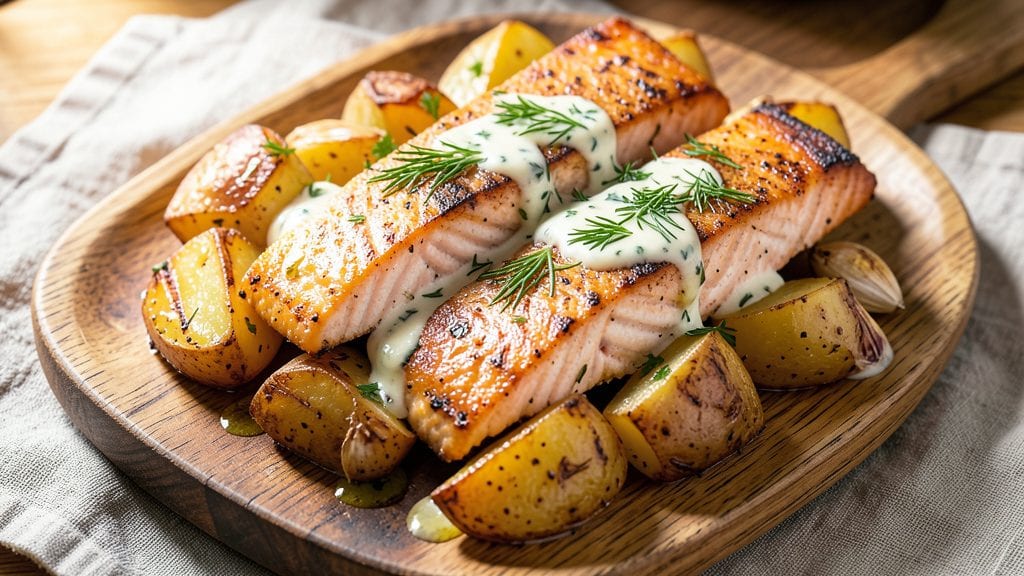
This salmon potato bake recipe transforms a simple one-pan dish into a restaurant-worthy meal with minimal effort. The secret lies in balancing tender salmon with crispy, golden potatoes—all baked together until perfectly harmonized.
After testing countless variations, this method ensures the salmon stays moist while the potatoes develop that ideal caramelized crust. Every bite delivers a satisfying mix of textures and flavors, making it ideal for both weeknight dinners and special occasions.
The recipe begins with a precise seasoning blend for the salmon—just enough salt, pepper, and fresh herbs to enhance its natural flavor without overpowering it. Meanwhile, the potatoes are sliced evenly and tossed in olive oil and garlic to guarantee even cooking.
The dish bakes at a steady temperature, allowing the salmon to cook through while the potatoes develop crispy edges and a tender interior. This approach eliminates the guesswork, ensuring consistent results every time.
What makes this bake truly special is how the flavors meld together during baking. The salmon releases its delicate essence, infusing the potatoes with subtle richness, while the herbs and garlic create an aromatic base that ties everything together.
By the time it emerges from the oven, you’ll have a dish that’s visually stunning—golden potatoes surrounding flaky, perfectly cooked salmon—with flavors that feel both comforting and refined.
This recipe is designed for simplicity without sacrificing quality, making it perfect for home cooks who want impressive results with minimal fuss. Whether you're feeding a family or hosting a dinner party, this one-pan wonder delivers professional-quality harmony in just one baking sheet.
Let’s get started on creating this effortless masterpiece.
Ingredients for salmon potato bake
Fresh herbs, tender salmon, and crispy potatoes—this one-pan bake delivers restaurant-quality harmony in minimal time.
| Ingredient | Amount | Notes |
|---|---|---|
| Center-Cut Salmon Fillets 🐟 | 2 whole | Skin-on, 6-8 oz each for even cooking |
| Russet Potatoes 🥔 | 2 lb | Waxy varieties like Yukon Gold also work |
| Extra-Virgin Olive Oil 🫒 | ¼ cup | High-quality, fruity variety preferred |
| Fresh Dill 🌿 | ¼ cup | Chopped, stems removed |
| Fresh Parsley 🌿 | 0.15 cup | Chopped, for vibrant finish |
| Garlic Cloves 🧄 | 4 cloves | Minced, for aromatic depth |
| Diamond Crystal Kosher Salt 🧂 | 1 ½ tsp | For seasoning, adjust to taste |
| Freshly Ground Black Pepper 🌶️ | ½ tsp | Coarsely ground for texture |
| Unsalted Butter 🧈 | 2 tbsp | Melted, for crispy potato crust |
| Lemon Zest 🍋 | 1 tsp | Brightens the herbaceous notes |
| Lemon Juice 🍋 | 1 tbsp | Freshly squeezed, for acidity |
| Heavy Cream 🥛 | ¼ cup | Full-fat for rich texture |
| Fresh Thyme Leaves 🌿 | 0.1 cup | Chopped, for earthy aroma |
The salmon fillets are the centerpiece, so center-cut pieces with skin ensure even cooking and optimal texture. Wild-caught salmon from reputable seafood markets like Whole Foods or Trader Joe's delivers superior flavor, but any high-quality fillet will work. For the potatoes, Russets or Yukon Golds are ideal—their starch content creates that perfect crispy exterior while maintaining a fluffy interior. If using Yukons, slice them slightly thinner to compensate for their waxier texture. The herbs should be bright green and fresh, not wilted or yellowing, as they carry the aromatic profile of this dish.
No fresh dill? Dried dill at one-third the amount works in a pinch, though fresh delivers that bright, citrusy note. Substituting heavy cream with Greek yogurt reduces richness but keeps the dish creamy. For a dairy-free option, unsweetened almond milk can replace the cream, though the texture will be lighter. If you're short on time, pre-minced garlic from a jar is acceptable, though freshly minced garlic adds depth. The lemon zest and juice can be swapped for white wine vinegar if needed, though fresh lemon provides that essential brightness that balances the richness of the salmon and butter.
This bake reheats beautifully—simply cover with foil and warm in a 350°F oven for 10-15 minutes to restore crispiness. The dish holds well in the fridge for 3-4 days, though the potatoes may soften slightly. For longer storage, freeze the assembled bake (without baking) for up to 2 months, then bake from frozen at 375°F for 45-50 minutes. To save time, prep the potatoes and salmon the night before, storing them separately in the fridge until ready to assemble and bake. The herbs can be chopped ahead and stored in an airtight container in the refrigerator for up to 3 days.
Why You'll Love This Recipe
- One-Pan Magic: I swear by this recipe when I don’t want to wash a million dishes. The salmon and potatoes bake together on a single sheet pan—just toss everything in, drizzle with olive oil, and let the oven do the work. Honestly, it’s the kind of meal that makes me feel like a domestic goddess without the fuss.
- Herb-Packed Perfection: That bright, fresh dill and parsley make this dish sing. The salmon stays juicy while the potatoes get that crispy edge, and the herbs add this bright, zesty kick that cuts through the richness. It’s like a fancy restaurant bite, but I’m the one who made it.
- Weeknight or Weekend: Between us, this is my go-to for lazy Sundays or when I’m craving something hearty but don’t want to slave over it. The leftovers reheat beautifully, and it’s the kind of dish that feels special enough for company but easy enough for a Tuesday night.
- Budget-Friendly Feast: Russet potatoes and salmon fillets stretch further than you’d think, especially when you’re feeding a crowd. I’ve made this for six people and still had leftovers—no one ever complains, and my wallet doesn’t either. Plus, the fresh herbs make it feel gourmet without breaking the bank.
Step-by-step instructions for salmon potato bake
This one-pan method delivers perfectly crispy potatoes and flaky salmon with minimal effort.
Prep and Parboil the Potatoes
Preheat your oven to 425°F for the final bake. Cut the 2 lb russet potatoes into 1-inch chunks, leaving the skin on for texture. Place them in a large pot and cover with cold water by 1 inch.
Add 1 tsp of the diamond crystal kosher salt and bring to a boil over high heat. Once boiling, reduce to a simmer and cook for 8-10 minutes until the edges are slightly translucent but still firm to the bite. This partial cooking ensures they'll finish perfectly in the oven without turning mushy.
Drain the potatoes thoroughly in a colander, then transfer them to a large mixing bowl. Toss with 2 tbsp melted unsalted butter, 1 tbsp lemon juice, and 0.5 tsp freshly ground black pepper. The butter will create a golden crust while the lemon prevents the potatoes from absorbing too much moisture.
Season and Prepare the Salmon
While the potatoes parboil, pat the 2 whole center-cut salmon fillets dry with paper towels. Place them skin-side down on a cutting board and use the flat side of a knife blade to gently score the flesh in a diamond pattern, being careful not to cut through the skin. This creates channels for the herb butter to penetrate.
In a small bowl, combine 0.25 cup chopped fresh dill, 0.15 cup chopped fresh parsley, 0.1 cup chopped fresh thyme leaves, 4 minced garlic cloves, 1 tsp lemon zest, and the remaining 0.5 tsp diamond crystal kosher salt. Mix well to distribute the herbs evenly.
Spread this herb mixture evenly over the salmon fillets, pressing gently to adhere. The skin will help hold everything in place during baking. Place the seasoned fillets on top of the buttered potatoes in the mixing bowl, arranging them skin-side up.
Create the Herb-Crusted Topping
In the same bowl, gently toss the herb-coated potatoes and salmon with 0.25 cup extra-virgin olive oil until everything is evenly coated. The oil will help create a crispy crust while keeping the salmon moist. Transfer the mixture to a 9x13-inch baking dish, spreading it into an even layer.
Press down lightly on the potatoes to create a compact base. This ensures they'll roast evenly and develop a crispy exterior. The salmon should sit nestled among the potatoes, with their skin facing upward. This arrangement allows the potatoes to absorb moisture from the salmon while the fillets steam slightly, resulting in perfect doneness.
Bake to Golden Perfection
Transfer the baking dish to the preheated 425°F oven and bake for 35-40 minutes until the potatoes are tender when pierced with a fork and the salmon flakes easily with a fork. The edges should be deep golden brown, indicating a crispy crust.
About 15 minutes before the potatoes are done, pour 0.25 cup heavy cream evenly over the top. This creates a luscious sauce that coats the potatoes and salmon, adding richness without making the dish soggy. The high oven temperature will help the cream reduce slightly, creating a glossy finish.
Rest and Serve
Remove the dish from the oven and let it rest for 5-10 minutes before serving. This resting period allows the juices to redistribute in the salmon and the potatoes to finish steaming slightly, ensuring maximum tenderness. The cream will thicken into a silky sauce that clings beautifully to each bite.
Garnish with additional chopped fresh dill and parsley if desired. Serve immediately with a simple green salad or steamed vegetables to complement the rich flavors. The combination of crispy potatoes, flaky salmon, and herb-infused cream creates a harmonious balance of textures and flavors in every forkful.
Pro Tips For Making Salmon Potato Bake
- PARBOIL POTATOES FIRST: Toss whole, unpeeled Russets in boiling salted water for 8-10 minutes until a knife slides in easily. This keeps them from turning to mush later—trust me, I’ve seen the sad, gloppy aftermath of skipping this.
- SALT THE SALMON HARD: Season the fillets generously with salt and let them sit uncovered on a wire rack for 15 minutes before baking. The skin crisps better and the flesh stays juicy—no more dry, flavorless salmon here.
- SKIP THE DILL STEMS: Finely chop just the dill leaves (and parsley) for the topping—stems add bitterness and chewiness. I learned this after serving a batch where the stems made the whole dish taste off.
- BAKE POTATOES COVERED FIRST: Start with foil over the dish for the first 20 minutes of baking at 400°F (200°C). The potatoes steam and soften evenly before you uncover to crisp the salmon—no more uneven doneness.
Troubleshooting perfect results
Potatoes Too Mushy
If your potatoes turn out soggy instead of crispy, it’s likely from overcooking during the parboil stage or insufficient draining. Reduce the parboil time to 6-8 minutes (instead of 8-10) and ensure they’re thoroughly drained in a colander for 2-3 minutes after cooking.
Pat them dry with a clean kitchen towel before tossing with butter and oil. For extra crispiness, spread them in a single layer on a baking sheet for 5 minutes at 425°F before adding the salmon. 🌟
Salmon Overcooked
Salmon overcooks easily when baked alongside potatoes, which can steal heat. To prevent this, place the salmon fillets directly on top of the potatoes (not buried) and bake them for 25-30 minutes before adding the cream.
Use an instant-read thermometer to check the salmon’s internal temp—it should reach 125-130°F (it’ll rise to 145°F while resting). If the fillets are done earlier, tent them loosely with foil to finish baking alongside the potatoes. 💡
Uneven Cooking
Uneven cooking often happens when the potatoes and salmon aren’t distributed evenly in the baking dish. Press the potatoes down firmly in the pan to create a compact base, and arrange the salmon fillets skin-side up in the center.
This ensures even heat circulation. If your oven runs hot, rotate the dish halfway through baking for consistent results. For extra insurance, bake the potatoes for 20 minutes first (without salmon), then add the fillets and finish together. ⚡
Dry Salmon
Dry salmon is usually a sign of insufficient moisture during baking. Increase the heavy cream to ¼ cup + 2 tbsp and pour it over the dish 10 minutes before the potatoes are done. Alternatively, place a small ramekin of water in the oven alongside the dish to add humidity.
For an extra boost, brush the salmon with 1 tbsp melted butter before baking. Wild-caught salmon is leaner than farmed, so it benefits from this extra moisture. 💧
Potatoes Not Crispy
For a crispy potato crust, the secret is in the prep: parboil, dry thoroughly, and toss with enough oil. Use 3 tbsp olive oil total (not just 2.5 tbsp) and ensure the potatoes are in a single even layer.
For extra crunch, broil the dish for 2-3 minutes at the end (watch closely!). If your oven lacks power, increase the temp to 450°F for the last 10 minutes of baking. A wire cooling rack placed over a baking sheet can also help remove excess moisture before baking. 🔥
Herbs Burned
Fresh herbs burn quickly at high heat, turning bitter. To prevent this, sprinkle them after the dish comes out of the oven, not during baking. If you must add them earlier, use dried herbs (like ½ tsp dried dill) instead of fresh, as they’re more heat-stable.
For a vibrant finish, mix 1 tbsp chopped parsley with 1 tsp lemon juice and drizzle over the dish right before serving. This keeps the flavors bright and fresh. ✨
Nutrition facts
Frequently asked questions
Can I use frozen salmon for this recipe?
Yes, but thaw it completely first in the refrigerator for 24 hours or use the quick thaw method in cold water. Never microwave-thaw salmon as it can create hot spots that overcook the edges. Pat the fillets very dry before seasoning to prevent a watery bake.
How do I adjust this for dietary restrictions?
For dairy-free, replace the butter with olive oil and use unsweetened coconut cream instead of heavy cream. Gluten-free is naturally accommodated, but check your salt for hidden additives. For lower-carb, substitute cauliflower mash for half the potatoes or use zucchini slices instead.
What's the best way to reheat leftovers?
Cover the dish with foil and warm in a 350°F oven for 10-15 minutes to restore crispiness. For microwave reheating, cover with a damp paper towel and heat in 30-second intervals on medium power. The cream may separate slightly but can be stirred back together before serving.
Can I make this ahead of time?
Assemble the dish (without baking) up to 24 hours ahead and store in an airtight container in the fridge. Bake directly from cold at 425°F for 45-50 minutes, adding the cream in the last 15 minutes. For freezing, bake first, then cool completely and freeze for up to 3 months. Reheat using the oven method above.
Why does my salmon sometimes stick to the skin?
This happens when the skin isn't properly scored or the fillet isn't dry enough. Score the skin in a crosshatch pattern before seasoning, and pat the fillets thoroughly dry with paper towels. A light brush of olive oil on the skin before baking also helps create separation.