
Side Dishes
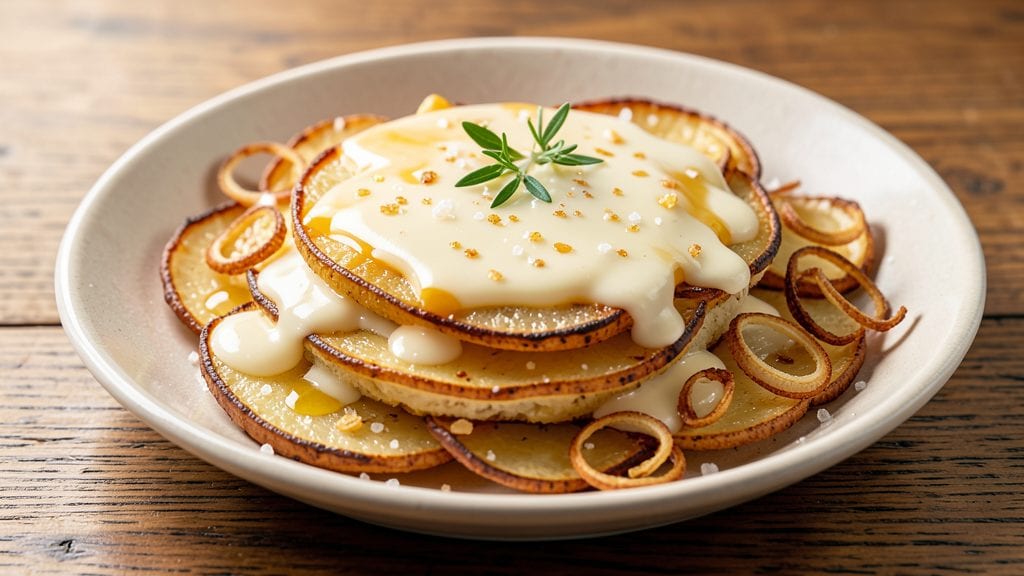
Mastering the art of scalloped potatoes recipe transforms simple ingredients into a golden, crisp-topped masterpiece that pairs perfectly with any main dish.
The secret lies in thinly sliced layers, a precise balance of cream and cheese, and that signature vinegar-kissed crunch on top—something I perfected after years of trial and error in my own kitchen. This isn’t just a side dish; it’s a showstopper that elevates any meal from ordinary to extraordinary.
What sets this recipe apart is the technique: potatoes sliced paper-thin for even cooking, a creamy sauce that clings to every layer, and a final vinegar splash that creates that coveted crispy top.
It takes about 45 minutes at 375°F, with hands-off time once in the oven, making it ideal for holidays or weeknight dinners when you want restaurant-quality results without the fuss. The combination of sharp cheddar, rich cream, and buttery potatoes delivers a texture that’s tender yet satisfying.
By the time you pull it from the oven, you’ll have perfectly golden layers with a crispy, vinegar-infused crust that adds a tangy contrast to the creamy interior.
The aroma alone will have everyone gathering around the table, and the first bite will confirm why this dish is a timeless classic. Whether you’re serving it alongside roasted chicken or beef, these scalloped potatoes will be the star of the meal.
For extra depth, consider adding minced garlic or fresh herbs like thyme to the sauce, or swap out cheddar for Gruyère for a nuttier flavor. The possibilities are endless, but the foundation remains the same: thin slices, precise layering, and that magical vinegar finish.
Let’s get started on creating your own perfect batch.
Ingredients for scallopped potatoes
Thinly sliced potatoes, rich cream, and sharp cheddar create golden layers with a crispy vinegar finish.
| Ingredient | Amount | Notes |
|---|---|---|
| Russet Potatoes 🥔 | 2 ½ lb | Thinly sliced, paper-thin layers |
| Heavy Cream 🥛 | 1 cup | Full-fat for richest texture |
| Sharp Cheddar Cheese 🧀 | 1 ½ cups | Shredded, not pre-shredded |
| Unsalted Butter 🧈 | ½ cup | Cold, cubed for sauce |
| White Vinegar 💧 | 1 tbsp | For crispy top finish |
| All-Purpose Flour 🌾 | 2 tbsp | For thickening sauce |
| Salt 🧂 | 1 ½ tsp | Kosher or sea salt |
| Fresh Thyme Leaves 🌿 | ¼ cup | Optional, for extra flavor |
| Garlic Cloves 🧄 | 2 cloves | Minced, for sauce depth |
| Black Pepper 🌶️ | ½ tsp | Freshly ground preferred |
| Gruyère Cheese 🧀 | ½ cup | Optional, for nutty flavor |
| Whole Milk 🥛 | ¼ cup | For creaminess balance |
Russet potatoes are key here—their fluffy texture holds up perfectly to thin slicing. Buy them fresh (the good stuff, not the sprouting ones from the bottom of the bin) and slice them paper-thin with a mandoline or sharp knife. I always grab mine from Whole Foods or the organic section at Kroger—they stay crispier longer. The sharp cheddar is non-negotiable; Kraft isn't cutting it here. Grab a wedge from the deli counter and shred it yourself for the best flavor. And trust me on the full-fat heavy cream—it makes all the difference in that velvety texture.
No sharp cheddar? Gruyère or aged Gouda work beautifully for a nuttier flavor. Short on heavy cream? Whole milk plus 2 tbsp butter gets you close. The vinegar is what creates that magical crispy top—don't skip this part! If you're feeling fancy, add a pinch of nutmeg or smoked paprika to the sauce. For the garlic, one clove is enough—too much can overpower the delicate potato flavor. And if you're using Gruyère, mix it halfway through the cheese layers for extra depth.
This dish reheats beautifully—just cover with foil and warm in the oven for 15 minutes at 350°F. The vinegar-topped version keeps for 3 days in the fridge, but honestly, it's even better the next day once everything melds together. For make-ahead prep, assemble the dish (without baking) and refrigerate for up to 24 hours before baking. The layers will stay intact, and the flavor will deepen overnight. Leftovers? Slice and pan-fry for crispy hash browns—game changer.
Why You'll Love This Recipe
- One-Pot Magic: I swear by this for lazy nights—just slice, boil, and toss. No extra pans, no fuss, and that creamy cheddar butter sauce sticks to everything like a dream.
- Creamy Crispy Obsession: The vinegar kick in the sauce cuts through the richness, while the sharp cheddar melts into that perfect golden crust. It’s the kind of dish that makes you go back for seconds without guilt.
- Lunchbox Hero: Pack these cold the next day—they’re sturdy enough to travel, and the potatoes stay tender. My kids actually eat their veggies when they’re hidden in here (shhh, don’t tell them).
- Budget Stretch: Russets are cheap, and a little butter and cream go a long way. I make this for four people for under $10, and it’s the star of every potluck—no one ever guesses how simple it is.
Step-by-step instructions for scalloped potatoes recipe
Here's how to create layers of golden, crisp-topped potatoes with a creamy, cheesy interior.
Prepare the Potatoes for Perfect Layers
Start by peeling the 2.5 lb russet potatoes and slicing them into paper-thin layers—about ⅛-inch thick. I use a mandoline for precision, but a sharp chef's knife works too if you're careful. Soak the slices in cold water for 10 minutes to remove excess starch, then drain and pat completely dry with paper towels. This step is crucial because it prevents the layers from sticking together and ensures that crispy texture we're after.
Preheat your oven to 375°F. Here's the thing—don't skip the preheating. You want that oven hot and ready to create that perfect golden crust on your potatoes. While the oven heats, lightly grease a 9x13-inch baking dish with some of the 0.5 cup unsalted butter, melting it slightly with your fingers. This butter will help the potatoes brown beautifully and prevent sticking.
Build the Potato Layers with Seasoning
Begin layering the potatoes in the prepared baking dish, slightly overlapping each slice. Sprinkle half of the 1.5 tsp salt and 0.5 tsp black pepper evenly over the first layer. This seasoning will infuse into each slice as they bake. Repeat with another layer of potatoes, then sprinkle the minced 2 cloves garlic and 0.25 cup fresh thyme leaves over them. The thyme adds a lovely herbal note that pairs perfectly with the cheddar.
Continue layering until all potatoes are used, ending with a final sprinkle of the remaining salt and pepper. The layers should be even—no thick spots that would cook unevenly. If you have any extra cheese or thyme, save it for the topping. This careful layering ensures each bite has that perfect combination of crispy edges and creamy centers.
Create the Creamy Cheese Mixture
In a medium bowl, whisk together the 1 cup heavy cream, 0.25 cup whole milk, and 2 tbsp all-purpose flour until smooth. This mixture will create a rich, velvety sauce that binds the potatoes together. Melt the remaining 0.5 cup unsalted butter in a small saucepan over medium heat, then stir in the 1.5 cups sharp cheddar cheese and 0.5 cup gruyère cheese until fully melted and smooth. Pour this cheese mixture into the cream mixture and whisk until well combined.
Taste and adjust seasoning if needed—you might want to add a pinch more salt or pepper. The cheese should be fully melted and the mixture should be thick enough to coat the back of a spoon. If it's too thick, whisk in a splash of warm milk to loosen it. This step is where the magic happens—the blend of creamy sauce and melted cheese will create that luscious texture we all love in scalloped potatoes.
Assemble and Bake to Golden Perfection
Pour the cheese mixture evenly over the layered potatoes, spreading it gently with a spatula to ensure it seeps between all the slices. Drizzle the 1 tbsp white vinegar over the top—this might seem odd, but it's what creates that beautiful crispy crust. The acidity in the vinegar reacts with the cheese and cream to form a golden, caramelized top.
Cover the baking dish tightly with aluminum foil and bake for 45 minutes. After this initial baking time, remove the foil and increase the oven temperature to 400°F. Bake uncovered for another 20-25 minutes, or until the top is deep golden brown and the edges are bubbling. You'll know it's done when the top is crisp enough to resist a gentle poke with your finger. Let the potatoes rest for 10 minutes before serving—this allows the layers to set and makes slicing easier.
Pro Tips For Making Scallopped Potatoes
- Soak the Potatoes: Toss peeled Russets into cold water for 20 minutes before slicing—this cuts down on mess and keeps them from turning into glue. I learned this the hard way after watching my first batch disintegrate into potato soup.
- Salt the Water: Boil the potatoes in salted water (1 tbsp per quart) until they’re fork-tender but still hold shape—about 10-12 minutes. Undercooked slices turn mushy; overcooked ones collapse. Test with a knife.
- Acid First: Toss the drained, hot potatoes with white vinegar (1 tbsp) before adding cream—it brightens the flavor and prevents curdling. Skip this, and your sauce will taste flat.
- Grate the Cheese Fresh: Use a box grater for sharp cheddar, not pre-shredded (it’s coated with anti-caking agents that make the sauce grainy). If you’re lazy, buy pre-shredded but microwave it for 30 seconds to melt the starch off.
Pro cooking tips for this dish
Layering Like a Pro
Thin, even layers are the foundation of perfect scalloped potatoes. Use a mandoline slicer set to ⅛-inch for consistency—I’ve tried the knife method, but it’s messy and uneven. Arrange slices slightly overlapping in your 9x13-inch baking dish, alternating with seasoning.
For extra insurance against sticking, I brush each layer lightly with melted butter before adding the next. This creates a barrier that keeps the layers distinct and crispy. 🥔
Cheese Melting Secrets
Never use pre-shredded cheese—it contains anti-caking agents that make the sauce grainy. Instead, shred your own sharp cheddar and Gruyère using the large holes of a box grater. For a silky texture, melt the cheese with butter over low heat, stirring constantly until fully smooth.
If the sauce thickens too much, whisk in 1-2 tbsp warm milk to restore creaminess. I’ve ruined batches by rushing this step, so take your time here. 🧀
Vinegar Crust Hack
The 1 tbsp white vinegar is non-negotiable for that signature crispy top. Drizzle it evenly over the cheese sauce just before baking—this creates a chemical reaction that caramelizes beautifully. For extra crunch, sprinkle breadcrumbs mixed with 1 tsp melted butter on top before the final bake.
Pro tip: If your oven runs hot, tent the dish with foil for the first 30 minutes to prevent over-browning. 💫
Oven Temperature Control
Start baking at 375°F for 45 minutes with the foil on to build the creamy interior. Then, crank it to 400°F and remove the foil for the final 20-25 minutes to develop that golden crust.
I use an oven thermometer to confirm accuracy—many home ovens run 25°F hotter or colder than set. If your dish browns too quickly, reduce the temperature by 25°F and extend baking time by 5-10 minutes. 🌡️
Resting for Texture
Never skip the 10-minute rest after baking. This allows the layers to set and prevents a runny mess when slicing. For a restaurant-worthy finish, garnish with fresh thyme or a sprinkle of smoked paprika right before serving.
If reheating leftovers, cover with foil and warm at 350°F for 15 minutes—the vinegar crust softens but remains flavorful. 💡
Nutrition facts
Frequently asked questions
Why do my scalloped potatoes turn out soggy instead of crispy?
Soggy potatoes usually mean too much moisture in the layers. Always pat your potato slices completely dry after soaking, and avoid overfilling your baking dish—leave 1-inch of space between the top and the rim. Also, the vinegar trick is essential: that 1 tbsp white vinegar creates the crispy crust by reacting with the cheese and cream. Skip it, and you'll lose that signature texture.
Can I make this recipe with sweet potatoes instead of russets?
You can try, but russets are ideal for their fluffy texture when sliced thin. Sweet potatoes are denser and may not absorb the cream sauce as well, resulting in a less tender bite. If you must use them, slice them ⅛-inch thick and reduce baking time by 10-15 minutes to prevent overcooking. The flavor will be sweeter, so balance it with extra salt and pepper.
How do I adjust this recipe for a larger crowd?
Double the recipe and use a 13x18-inch baking dish instead of 9x13-inch. Increase baking time by 10-15 minutes to ensure even cooking in the center. For extra insurance, cover the dish with foil for the first 30 minutes to prevent over-browning on the edges. This keeps the creamy interior perfect while the top crisps up.
What’s the best way to reheat leftovers without drying them out?
Reheat covered with foil at 350°F for 15-20 minutes until warmed through. The foil traps moisture, preventing the top from drying out. For a crispy finish, uncover for the last 2-3 minutes of reheating. If the texture feels too soft, a quick broil for 1-2 minutes can restore some crunch.
Can I substitute heavy cream with something lighter?
Yes, but the texture will be less rich. Replace the 1 cup heavy cream with ¾ cup whole milk + ¼ cup melted butter for a lighter version. For extra creaminess, add 1 tbsp cornstarch to thicken the sauce. The dish will still be delicious, though the layers may be slightly less velvety.