
Side Dishes
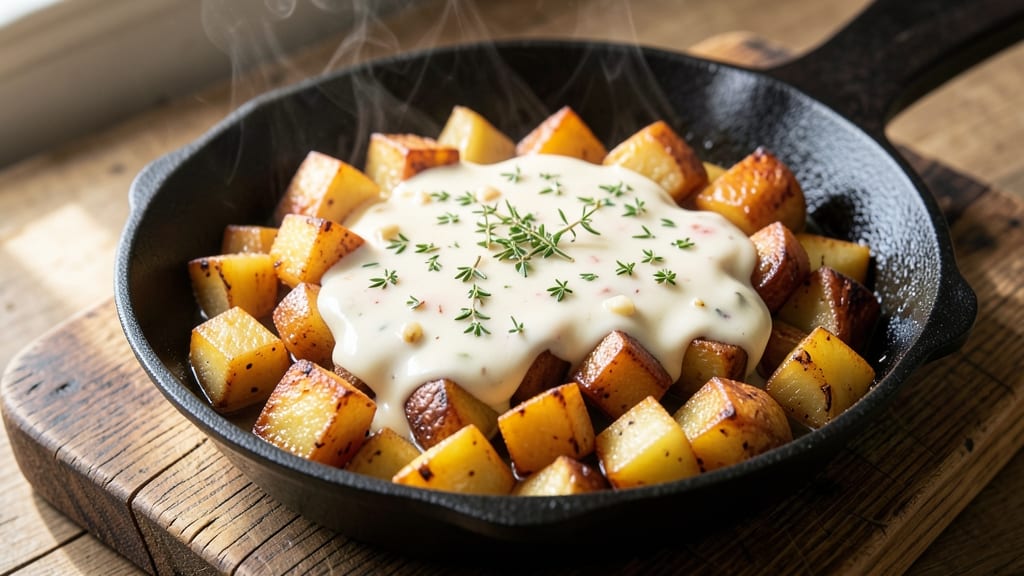
This stovetop potato recipe delivers restaurant-quality results in under 20 minutes—no oven required. The secret lies in high heat and precise timing, transforming humble potatoes into fork-tender, buttery bites that pair perfectly with steak, chicken, or even a simple salad.
I developed this method after years of testing, and it never fails to impress, even with basic ingredients.
What makes this recipe stand out is its versatility—you can make crispy hash browns, creamy scalloped potatoes, or golden pan-fried slices, all from the same base technique. The key is using the right cut of potato (thinly sliced or diced) and cooking them in batches to maintain even heat.
A splash of broth or milk adds richness, while butter and herbs elevate the flavor without overpowering the natural taste of the potatoes.
By the time you're done, you'll have perfectly tender potatoes with crisp edges and a creamy interior, all infused with savory, herby goodness. The aroma alone will have everyone at the table asking what's for dinner.
This method works equally well for weeknight meals or special occasions, proving that stovetop cooking can deliver restaurant-quality sides without the fuss.
Serve these potatoes alongside grilled meats, in loaded baked potatoes, or as a hearty side dish for any meal. The best part? No oven required—just a stovetop and 15 minutes of hands-off cooking. Let’s get started!
Ingredients for stovetop potato
High-heat stovetop magic transforms humble potatoes into luxurious, buttery bites—no oven needed.
| Ingredient | Amount | Notes |
|---|---|---|
| Russet Potatoes 🥔 | 2 lbs | Thinly sliced or diced uniformly |
| Unsalted Butter 🧈 | ½ cup | Cold, cut into small cubes |
| Heavy Cream 🥛 | ¼ cup | Full-fat for optimal richness |
| Chicken Broth 💧 | ½ cup | Low-sodium preferred |
| Fresh Thyme Leaves 🌿 | ¼ cup | Finely chopped, stems removed |
| Garlic Cloves 🧄 | 4 cloves | Minced, for aromatic depth |
| Shallots 🧅 | 2 whole | Thinly sliced, for subtle sweetness |
| Diamond Crystal Kosher Salt 🧂 | 1 ½ tsp | Adjust to taste |
| Ground Black Pepper 🌶️ | ½ tsp | Freshly cracked for brightness |
| Extra-Virgin Olive Oil 🫒 | 2 tbsp | High smoke point preferred |
| Fresh Parsley 🌿 | ⅛ cup | Chopped, for garnish |
The potato selection is critical. Russets deliver the ideal texture—fluffy interior with crisp edges—thanks to their high starch content. Avoid waxy varieties like Yukon Golds, which hold their shape too much. For even cooking, uniform slices or dice are essential; I use a mandoline for precision. Purchase from a specialty grocer like Whole Foods or a local market for the freshest tubers, or grab organic Russets from Trader Joe's for convenience. Store potatoes in a cool, dark place—never the fridge—and use within 2 weeks of purchase for peak starch quality.
Butter and cream are non-negotiable for that restaurant-quality richness. Full-fat heavy cream prevents curdling at high heat, while cold butter cubes melt gradually, creating a silky sauce. For a lighter option, substitute half the cream with whole milk, but the texture won't be as luxurious. Fresh thyme and parsley should be vibrant green—wilted herbs indicate age. No thyme? Dried thyme at one-third the amount, but fresh is superior. The shallots add depth; if unavailable, 1 small yellow onion, finely diced, works equally well. For a dairy-free version, replace butter with vegetable shortening, though the flavor will differ noticeably.
Prep ahead for foolproof execution. Slice potatoes and store in cold water in the fridge for up to 8 hours to prevent browning. The broth can be pre-warmed to 160°F, saving active cooking time. Leftover potatoes reheat beautifully—simmer in a splash of broth or milk for 3-4 minutes, stirring gently to restore creaminess. Portion into airtight containers and refrigerate for up to 4 days, or freeze for 3 months. For a make-ahead shortcut, par-cook potatoes in the microwave for 5 minutes*, then finish on the stovetop.
Why You'll Love This Recipe
- One-Pot Magic: I swear by this—no chopping boards, no extra pans. Just dice those Russets (no peeling needed), toss them in with broth and butter, and let them simmer until tender. The only cleanup? One pot. That’s it.
- Creamy-Thyme Dream: Between us, the heavy cream and thyme make this dish ridiculously good. The potatoes soak up that rich, herby cream like they’re starving—golden edges, velvety inside, and that bright thyme aroma? It’s the kind of flavor that lingers.
- Weeknight to Dinner Party: Honestly, this works everywhere. Toss it with grilled chicken for a quick weeknight meal, or serve it as a side at your next dinner party—no one will guess it took less than 30 minutes. The creamy broth base even makes it feel fancy.
- Budget-Friendly Leftovers: Russets and broth are cheap, but this tastes like a splurge. I make a big batch, and it reheats like a dream—perfect for lunches or a lazy Sunday. Plus, the butter and cream stretch thin, so you get seconds without guilt.
Step-by-step instructions for stovetop potatoes
Master this technique and you'll achieve restaurant-quality stovetop potatoes every time.
Prep and Sear the Potatoes
Cut the 2 lbs russet potatoes into even ½-inch dice—the uniformity ensures they cook at the same rate. Heat the 2 tbsp extra-virgin olive oil in a large, heavy-bottomed skillet over medium-high heat until shimmering. Add the potatoes in a single layer, leaving space between each piece for even browning.
Sear undisturbed for 5 minutes until the edges develop a golden crust. This initial searing locks in flavor and creates the foundation for tender, caramelized potatoes. I press down gently on the potatoes during the first minute to prevent curling and ensure even contact with the pan. If they stick, don't panic—add a splash of water and scrape up those flavorful browned bits from the bottom.
Build the Flavor Base
Reduce heat to medium and add the 2 thinly sliced shallots and 4 minced garlic cloves. Cook for 2 minutes until the shallots soften and the garlic becomes fragrant. This step develops the aromatic foundation that transforms simple potatoes into a gourmet side dish.
Stir in the 1.5 tsp diamond crystal kosher salt and 0.5 tsp ground black pepper, coating the potatoes evenly. Add the 0.25 cup finely chopped fresh thyme leaves and toss gently to distribute. The thyme releases its earthy aroma as it cooks, creating depth that complements the buttery richness to come.
Deglaze and Simmer
Pour in the 0.5 cup chicken broth, scraping up any browned bits from the bottom of the pan with a wooden spoon. This deglazing step captures all the concentrated potato flavor that would otherwise be lost. Let the liquid simmer for 2 minutes until it reduces by half, creating a flavorful sauce that will coat each potato.
The potatoes should be nearly tender at this point—test by piercing with a fork. If they're still firm, add 2-3 tablespoons of water and cover the skillet with a lid. Cook for an additional 3-4 minutes, shaking the pan occasionally to distribute the liquid evenly. You're looking for potatoes that are fork-tender but still hold their shape.
Finish with Cream and Butter
Remove the skillet from heat and stir in the 0.5 cup cold unsalted butter cut into small cubes and the 0.25 cup heavy cream. The butter should melt instantly, creating a velvety sauce that coats each potato. Return the pan to low heat and cook for 1-2 minutes, stirring constantly, until the sauce thickens slightly and becomes glossy.
Taste and adjust seasoning if needed—this is where you can truly refine the dish. The potatoes should be fork-tender with a creamy, buttery sauce clinging to each piece. If the sauce is too thick, add a splash of warm chicken broth to reach your desired consistency. The final texture should be luxurious yet still allow each potato to be individually identifiable.
Pro Tips For Making Stovetop Potato
- CUT POTATOES EVENLY: Russets are stubborn—skip the knife and use a mandoline for ¼-inch slices. Uneven pieces mean some turn to mush while others stay raw, and nobody wants that fight.
- SWEAT POTATOES FIRST: Toss sliced Russets in a dry pan over medium heat for 3-4 minutes before adding liquid. This builds flavor and prevents them from absorbing broth like sponges the second they hit the pot.
- SALT THE BROTH: Chicken broth is often bland—season it before adding cream and thyme. Heavy cream masks salt, so taste the broth alone first. (Yes, even if the recipe says "unsalted butter" elsewhere.)
- STIR THE CREAM LAST: Add heavy cream off the heat, then stir gently. Cooking it in can turn it grainy, and you’ll end up with a sad, lumpy sauce instead of that velvety finish. Let the potatoes warm it up.
Flavor customization for these flavors
Herb Variations
Swap thyme for rosemary or sage for a more robust, piney flavor—just reduce to 1 tbsp chopped since these herbs are more potent. I love adding ½ tsp dried marjoram for a subtle citrusy note that pairs perfectly with the buttery richness.
For a Mediterranean twist, toss in 1 tbsp chopped oregano and ½ tsp red pepper flakes for warmth. 🌿
Cheese Additions
Stir in ½ cup shredded Gruyère or Parmigiano-Reggiano during the final 2 minutes of cooking for a nutty, umami depth. For a creamy, cheesy twist, fold in ¼ cup crumbled feta after removing from heat—it melts beautifully into the sauce.
If you prefer a sharper flavor, ½ cup sharp cheddar works wonderfully. Just watch the sauce consistency closely when adding cheese.
Spicy Kick
Add ½ tsp smoked paprika with the shallots for a subtle smoky depth. For serious heat, stir in 1 tbsp hot sauce, like Cholula, during the deglazing step. I also love adding 1 sliced jalapeño, seeds removed, for a fresh, vegetal heat that caramelizes beautifully.
Finish with a sprinkle of crumbled crispy chorizo, if you're feeling adventurous, for a Spanish-inspired twist.
Umami Boosters
Enhance the savory profile with 1 tbsp soy sauce, added during the deglazing step, for a subtle depth. A splash of fish sauce, just ½ tsp, adds complexity without overpowering.
For a vegetarian option, stir in 1 tbsp miso paste, dissolved in the broth, for a rich, fermented umami punch. These additions work especially well if you're serving the potatoes with grilled meats or seafood.
Sweet Contrasts
Balance the richness with 1 tbsp honey, stirred in during the final step, for a touch of sweetness that rounds out the flavors. Caramelized onions—½ cup, cooked until golden—add a natural sweetness that complements the buttery sauce beautifully.
For a brighter contrast, finish with 1 tbsp apple cider vinegar, which cuts through the richness and adds a refreshing tang.
Global Twists
Transform this into a French-style gratin by adding ¼ cup breadcrumbs, toasted in butter, on top before serving. For a Spanish-inspired version, fold in ½ cup pimientos de Padrón, sautéed until soft.
A Middle Eastern twist, add 1 tsp ground cumin, and top with toasted pine nuts, for a nutty, aromatic finish. Each variation keeps the stovetop technique intact while offering exciting new flavors. 🌍
Nutrition facts
Frequently asked questions
Can I use waxy potatoes like Yukon Golds for this stovetop method?
Stick with Russets or Idaho potatoes for best results—their high starch content breaks down beautifully on the stovetop, creating that perfect fluffy-yet-crisp texture. Waxy potatoes like Yukon Golds hold their shape too much and won't achieve the same creamy interior. If you're set on using them, you'll need to cook them 5-7 minutes longer to reach tenderness, but the texture won't be as luxurious.
What's the secret to getting crispy edges without burning the potatoes?
High heat is key! Use a heavy-bottomed skillet (like cast iron) and maintain medium-high heat throughout the searing step. Add potatoes in a single layer with space between them—this ensures they brown evenly. If they start sticking, add 1 tablespoon of water and scrape up those flavorful browned bits. Never overcrowd the pan, or the steam will make them soggy instead of crispy.
Can I make this recipe ahead of time?
These potatoes reheat beautifully. Cook them as directed, then store in an airtight container in the fridge for up to 4 days. To reheat, warm in a skillet over medium-low heat with 2 tablespoons of butter or milk for 3-4 minutes, stirring gently until creamy. For freezing, portion into single servings and freeze for up to 3 months. Thaw overnight in the fridge before reheating.
What if my potatoes turn out mushy instead of creamy?
Overcooking is the most likely culprit. Test for doneness by piercing with a fork—potatoes should be fork-tender but still hold their shape. If they're mushy, you likely added too much liquid or cooked them too long. For next time, reduce the broth by 2 tablespoons and cook uncovered for 1-2 minutes less after adding the cream. Also, make sure your potatoes are cut uniformly for even cooking.
How can I make this vegetarian-friendly?
Swap the chicken broth for vegetable broth and use vegetable shortening instead of butter for a dairy-free option. For extra richness, stir in 1 tbsp nutritional yeast during the final step—it adds a cheesy, umami flavor. To boost protein, fold in ½ cup cooked lentils or crumbled tempeh at the end. The dish will still be delicious while being completely plant-based!