Side Dishes
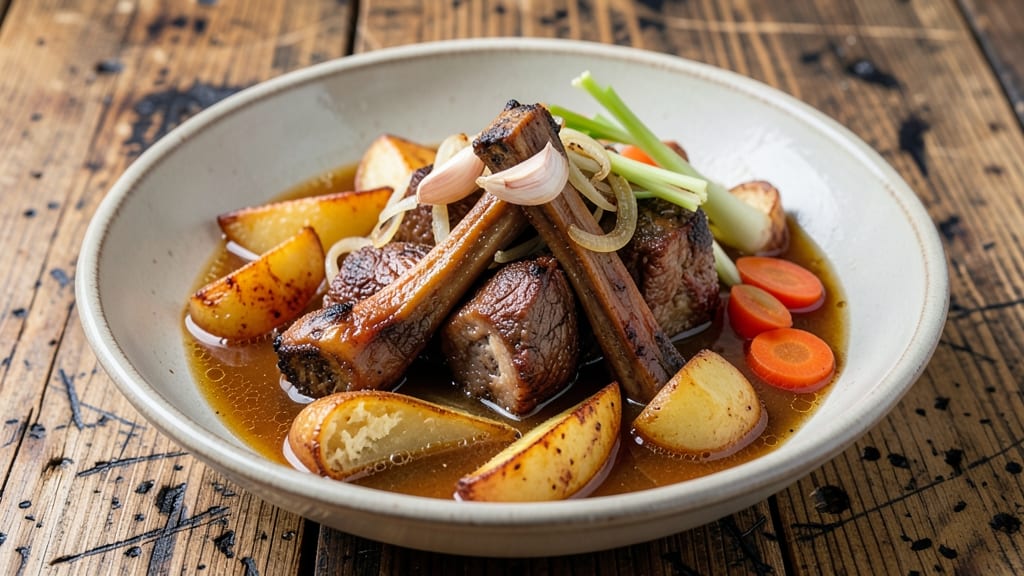
Boiled neck bones and potatoes create one of the most comforting, hearty side dishes you can make in a single pot—rich with collagen-infused broth and tender, fluffy potatoes. This classic preparation transforms simple ingredients into a deeply satisfying meal, perfect for family dinners or holiday gatherings.
The slow simmering process extracts maximum flavor from the bones while keeping the potatoes perfectly tender.
Preparing neck bones properly is key: they should be blanched first to remove impurities, then simmered for hours to render their gelatinous goodness into the broth. Potatoes are added later to absorb those savory flavors without overcooking.
The result is a dish that’s both nourishing and deeply flavorful, requiring minimal effort but delivering maximum comfort.
What makes this recipe special is its versatility—serve the potatoes as-is for a rustic side, or mash them into the broth for an even heartier dish. The rich, savory broth can also be used as a base for soups or gravies, making it a foundational ingredient for any meal.
This is the kind of dish that feels like a warm hug on a cold day.
The beauty of this recipe lies in its simplicity and tradition—no fancy techniques required, just time and patience. Whether you're feeding a crowd or treating yourself to a comforting meal, boiled neck bones and potatoes deliver satisfaction in every bite. Let’s get started with this timeless, one-pot wonder.
Ingredients for boiled neck bones and potatoes
Simple ingredients, slow simmering, and rich, gelatinous broth transform this classic side into a comforting centerpiece.
| Ingredient | Amount | Notes |
|---|---|---|
| Beef Neck Bones 🦴 | 3 lb | Blanched to remove impurities |
| Russet Potatoes 🥔 | 3 lb | Medium-sized, halved lengthwise |
| Onion 🧅 | 1 whole | Yellow or white, quartered |
| Carrot 🥕 | 3 whole | Medium, roughly chopped |
| Celery Stalks 🌿 | 3 whole | Trimmed, cut into 2-inch pieces |
| Garlic Cloves 🧄 | 4 cloves | Smashed, not minced |
| Bay Leaves 🍃 | 2 whole | Dried, standard size |
| Black Peppercorns 🌶️ | 1 tbsp | Whole, lightly crushed |
| Salt 🧂 | 1 ½ tsp | Kosher or sea salt |
| Apple Cider Vinegar 🍎 | 2 tbsp | For blanching bones |
| Cold Water 💧 | 12 cups | For initial blanching |
| Vegetable Oil 🫒 | 1 tbsp | For searing bones |
The neck bones are the heart of this dish—look for beef necks with good marbling at your local butcher or grocery store's meat counter. Costco or Whole Foods often carry them pre-packaged, but if you're buying whole, ask for bones with at least 1/2 inch of meat. The blanching step is critical: it removes impurities and ensures a clean, flavorful broth. Use apple cider vinegar for this step—it helps tenderize the bones while keeping the broth bright. If you can't find beef necks, pork neck bones work too, though the flavor will differ slightly.
Potatoes should be Russet or Yukon Gold—their waxy texture holds up best to slow cooking. If you prefer creamier potatoes, add a splash of heavy cream or butter at the end. The vegetables—onion, carrot, and celery—create a classic mirepoix that builds flavor. Fresh herbs like thyme or parsley can be added at the end for brightness, but they're optional. For extra richness, a splash of red wine or a bouquet garni can elevate the broth, though traditionalists will stick to the basics. If you're short on time, frozen vegetables work fine—just thaw them first.
This dish tastes even better the next day as flavors meld. Store in the fridge for up to 5 days, or freeze for 3 months—the broth thickens beautifully when reheated. For a heartier meal, mash some potatoes into the broth before serving. The broth itself is incredibly versatile: use it as a base for soups, drizzle over roasted vegetables, or serve with crusty bread. Double the recipe—it's perfect for meal prep and makes great leftovers.
Why You'll Love This Recipe
- Foolproof Simplicity: I swear by this recipe because it’s the kind of meal where you can toss everything in one pot and walk away. No fancy techniques—just bones, potatoes, and veggies simmering together until the flavors meld into something rich and effortless.
- Deep, Savory Magic: That first bite into the tender neck bones with the buttery potatoes? It’s like a hug in soup form. The bones infuse the broth with a richness that turns simple potatoes into something irresistibly hearty.
- Meal Prep MVP: Between us, this is my go-to for busy weeks. Cook a big batch, and you’ve got lunches for days—just reheat and enjoy. The potatoes stay firm, the broth stays flavorful, and no one complains about leftovers.
- Budget-Friendly Powerhouse: Neck bones and russets are cheap, and this recipe stretches them into a filling, satisfying dinner. Honestly, I make it when I need to feed a crowd without breaking the bank, and it never disappoints.
Step-by-step instructions for boiled neck bones and potatoes
Here's the straightforward method for creating rich, flavorful broth while tenderizing potatoes in one comforting pot.
Blanch the Beef Neck Bones
Place the 3 lb beef neck bones in a large stockpot and cover completely with the 12 cups cold water. Add the 2 tbsp apple cider vinegar and bring to a boil over high heat. Once boiling vigorously, reduce heat to medium and let the bones simmer for exactly 10 minutes. This blanching step removes impurities and prepares the bones for maximum flavor extraction.
After 10 minutes, drain the bones and rinse them thoroughly under cold running water. This removes any scum that rises to the surface during blanching. Return the rinsed bones to the clean stockpot and set aside. The blanching ensures your final broth will be crystal clear and richly flavored.
Sear the Bones and Sauté Vegetables
Heat the 1 tbsp vegetable oil in the stockpot over medium-high heat until shimmering. Working in batches if needed, sear the beef neck bones on all sides until they develop a deep golden-brown crust, about 3-4 minutes per side. This caramelization creates layers of complex flavor that will infuse into your broth.
Once all bones are seared, remove them from the pot and set aside. In the same pot, add the quartered onion, roughly chopped carrots, and 2-inch celery pieces. Cook over medium heat for 5 minutes, stirring occasionally, until the vegetables begin to soften and release their natural juices. This forms the aromatic base for your broth.
Build the Broth Base
Return the seared beef neck bones to the pot. Add the smashed garlic cloves, whole bay leaves, lightly crushed black peppercorns, and 1.5 tsp salt. Pour in enough cold water to cover everything by 2 inches - approximately 10 cups. Bring the mixture to a gentle simmer over medium-low heat.
Once simmering, partially cover the pot with a lid and let it cook for 1 hour. This initial cooking time allows the bones to begin breaking down while the vegetables soften and release their flavors into the broth. The gentle simmer is crucial - it prevents the broth from becoming cloudy while extracting maximum flavor from the bones.
Add Potatoes and Complete Cooking
After 1 hour, add the halved russet potatoes to the pot. They should be completely submerged in the broth. Return the heat to a simmer and cook uncovered for an additional 45-60 minutes, or until the potatoes are fork-tender with a knife sliding in easily. The potatoes will absorb the rich broth flavors while becoming perfectly tender.
During the final cooking stage, taste the broth and adjust seasoning if needed. The potatoes should be cooked through but still hold their shape, absorbing the deep, savory broth. The beef neck bones will be tender enough to shred easily, adding richness to each bite of potato.
Pro Tips For Making Boiled Neck Bones And Potatoes
- PARBOIL POTATOES FIRST: I used to toss raw potatoes into the pot with the bones, thinking they’d soften together—big mistake. Instead, parboil the Russets for 8-10 minutes in salted water until they’re fork-tender but not falling apart. This keeps them from turning to mush later and lets them soak up the rich bone broth instead of turning bland.
- SCRUB BONES LIKE YOU MEAN IT: Neck bones come with grime, and skipping a good scrub means a gritty, off-flavored broth. Rinse them under cold water, then scrub with a stiff brush or even coarse salt to loosen debris. A quick vinegar soak (10 minutes) before cooking strips away any lingering funk—trust me, your broth will taste cleaner.
- SIMMER LOW AND SLOW: The urge to crank the heat is real, but neck bones need patience. Once the water boils, drop the heat to a gentle simmer—barely a bubble at the surface. High heat makes the broth cloudy and the bones tough. Aim for 2-3 hours minimum; the longer they cook, the richer the flavor, and the potatoes will absorb that depth without falling apart.
- CHOP VEGETABLES UNIFORM: Onions, carrots, and celery should be cut into even chunks—about 1-inch pieces—so they cook at the same rate. I learned this the hard way when my celery turned to mush while the carrots stayed stubborn. Uniform sizing means no one veggie steals the show or gets forgotten in the broth.
Flavor customization for this boiled neck bones and potatoes
Herb-Infused Variations
Add fresh herbs like thyme, rosemary, or parsley to elevate the broth's complexity. Toss 1 tbsp fresh thyme sprigs and 2 sprigs rosemary into the pot during the final 30 minutes of cooking.
For a bright finish, stir in ¼ cup chopped parsley just before serving. These herbs add aromatic depth without overpowering the natural beef flavors. 🌿
Spicy Kick Options
For heat lovers, add 1-2 bay leaves of crushed red pepper flakes or ½ tsp cayenne pepper when sautéing the vegetables. If you prefer smoky heat, swap in 1 tsp smoked paprika with the initial seasoning.
For a balanced spice level, I recommend starting with ½ tsp cayenne and adjusting to taste. 🌶️
Creamy Potato Twists
Transform the dish into a creamy masterpiece by stirring in ½ cup heavy cream or ¼ cup sour cream during the final 10 minutes of cooking. For a tangy twist, add 1 tbsp Dijon mustard and 2 tbsp crème fraîche at the end.
This creates a velvety texture while keeping the broth's richness intact. 🥛
Umami Boosters
Deepens the savory profile by adding 1 tbsp soy sauce or 1 tsp fish sauce during the final hour of simmering. For a smoky depth, include 1 tbsp liquid smoke (use sparingly). These umami enhancers work especially well if you're using pork neck bones instead of beef. 🍜
Citrus Brightness
Finish with a splash of citrus to cut through the richness. Add 1 tbsp lemon juice or orange zest at the end for a refreshing contrast. I also recommend garnishing with thin lemon slices or a sprinkle of orange zest before serving. This balances the dish beautifully. 🍋
Regional Adaptations
For a Southern U.S. twist, add 1 tbsp hot sauce and serve with cornbread on the side. In Eastern Europe, include 1 tsp caraway seeds and serve with rye bread.
For a Mexican-inspired version, stir in 1 chipotle pepper in adobo sauce and top with cilantro. Each adaptation keeps the core comfort while adding cultural flair. 🗺️
Nutrition facts
Frequently asked questions
Why do I need to blanch the neck bones before cooking?
Blanching removes impurities and blood from the bones, ensuring a crystal-clear broth. The apple cider vinegar helps tenderize them while keeping the flavor bright. Skipping this step can leave your broth cloudy and less flavorful.
Can I use frozen potatoes instead of fresh?
Yes, but thaw them first to prevent uneven cooking. Frozen potatoes release moisture differently, which can dilute the broth. If using frozen, add them 15 minutes earlier than fresh to ensure even tenderness.
How do I know when the potatoes are fully cooked?
They should be fork-tender with a knife sliding in easily. Cut one open—the center should be soft but not mushy. If they're still firm after 60 minutes, add 10 more minutes of simmering.
Can I make this recipe in a slow cooker?
Sear the bones first, then add everything to the slow cooker on low for 6-8 hours. The slow cooker's gentle heat mimics the stovetop simmer, making it even easier to extract collagen from the bones.
What can I do with leftover broth?
Use it as a base for soups, drizzle over roasted veggies, or serve with crusty bread. Store in the fridge for up to 5 days or freeze for 3 months. The flavor deepens overnight, making it even more delicious!