
Side Dishes
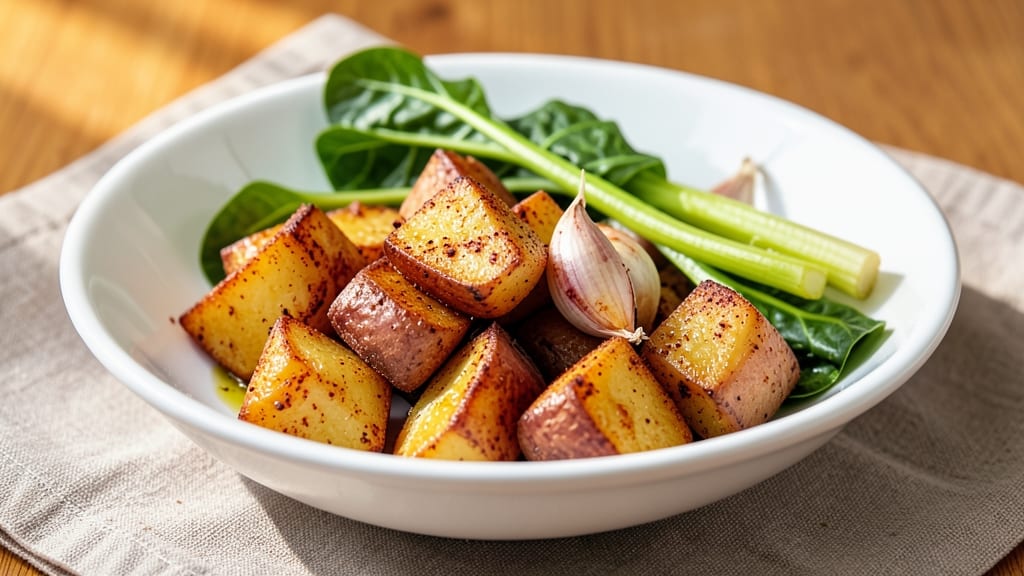
This smoky a chard potato recipe turns simple vegetables into a hearty vegetarian dish packed with bold flavor and comforting texture. The secret lies in properly wilting the chard—removing stems first, then chopping leaves—and crisping the potatoes until golden.
I developed this recipe after realizing how often chard gets overlooked in home cooking, and it's become a staple for quick, nutrient-packed meals.
The beauty of this dish is its versatility—it works as a hearty side or even a main course when paired with eggs or tofu. We start by roasting the potatoes until caramelized, then add the chard at the perfect moment to preserve its vibrant color and tender-crisp texture.
A touch of smoked paprika and garlic creates that smoky depth that elevates everything.
What you'll end up with is a dish that's rich in flavor but light on calories, packed with vitamins from the chard and satisfying heartiness from the potatoes.
The edges get beautifully crispy while the centers stay tender, and the smoky aroma fills your kitchen long before it's ready to serve.
Serve it alongside grilled fish, as a breakfast hash with fried eggs, or even as a standalone vegetarian plate. The recipe scales easily, making it perfect for meal prep or last-minute dinners. Let's get cooking—this hash delivers restaurant-quality results with minimal effort.
Ingredients for chard potato
Simple ingredients that transform into a restaurant-quality hash with smoky depth and vibrant texture.
| Ingredient | Amount | Notes |
|---|---|---|
| Russet Potatoes 🥔 | 1 ½ lb | Cut into ½-inch cubes, no need to peel |
| Swiss Chard 🌱 | 1 lb | Stems removed, leaves chopped |
| Extra-Virgin Olive Oil 🫒 | ¼ cup | For crisping potatoes |
| Smoked Paprika 🌶️ | 1 tbsp | For smoky depth |
| Garlic Cloves 🧄 | 4 cloves | Minced for aromatic base |
| Kosher Salt 🧂 | 1 ½ tsp | Adjust to taste |
| Ground Black Pepper 🌶️ | ½ tsp | Freshly ground preferred |
| Red Wine Vinegar 🍷 | 1 tbsp | Brightens flavors |
| Fresh Thyme Leaves 🌿 | ¼ cup | Chopped for herbal notes |
| Vegetable Broth 💧 | ½ cup | Low-sodium preferred |
| Lemon Juice 🍋 | 1 tbsp | Freshly squeezed |
| Crumbled Feta Cheese 🧀 | ¼ cup | Optional for tangy finish |
The potatoes are the foundation—Russet potatoes work best for their crispy texture. Look for firm, unblemished tubers at Whole Foods or your local grocery store's produce section. If you're short on time, pre-cut frozen hash browns can work in a pinch, but fresh potatoes give that perfect caramelized crust. For the Swiss chard, pick bunches with bright green leaves and crisp stems. Trader Joe's often has the freshest chard in my area, but any well-stocked market will do. Remove the stems first—they're fibrous and tough, but they make excellent vegetable broth later. The smoked paprika is key here; Penzeys or McCormick brands offer consistent quality, but any good-quality smoked paprika will give you that restaurant-worthy depth.
No smoked paprika? Substitute with a mix of regular paprika and a pinch of liquid smoke—just be careful not to overdo it. Fresh thyme is ideal, but dried thyme at one-third the amount works in a bind. The red wine vinegar can be swapped for apple cider vinegar, though it'll have a slightly different profile. If you're avoiding dairy, skip the feta or use vegan crumbled cheese. For the vegetable broth, low-sodium options like Pacific Foods let you control the saltiness better. The garlic can be roasted for a sweeter flavor—just toss the minced cloves with a drizzle of olive oil and roast at 400°F for 8-10 minutes before adding to the dish. And if you're meal prepping, this hash reheats beautifully—just add a splash of water or broth to keep it moist.
Store any leftovers in an airtight container in the fridge for up to 4 days. The flavors actually improve overnight as everything melds together. For longer storage, freeze portions for up to 3 months. I like to portion mine into single-serving containers so I can grab and reheat for quick breakfasts or lunches. The hash also makes a great base for frittatas—just add a few beaten eggs and bake until set. And if you're feeling adventurous, top with a fried egg right before serving for a protein boost. The crispy edges soften slightly when reheated, but a quick broil for 2-3 minutes restores that satisfying crunch.
Why You'll Love This Recipe
- One-Pan Magic: I swear by this recipe when I’m too tired to scrub pots—just slice the potatoes, stack the chard, drizzle with olive oil, and let the oven do the work. The smoked paprika clings to everything like a cozy blanket, and honestly? That’s my kind of dinner.
- Crispy-Creamy Balance: The potatoes get that perfect golden crust while staying fluffy inside, and the chard wilts into tender, garlicky ribbons. Between us, the first bite always makes me pause—it’s the kind of dish that tastes like you put in way more effort than you actually did.
- Weeknight Workhorse: This feeds four for under $10 and still leaves me money for wine. I’ve served it to skeptical in-laws (they asked for seconds), packed it for lunch the next day, and even reheated it straight from the fridge—no one complained. That’s my definition of a reliable meal.
- Smoked Paprika Secret: A single teaspoon of smoked paprika transforms this from "veggie side" to "main event." It’s the kind of flavor that lingers, making leftovers taste like a restaurant dish. Plus, it’s shelf-stable, so I keep it on hand for when I’m craving depth without extra shopping.
Step-by-step instructions for swiss chard-potato hash with smoky depth
Here's how to create a hearty, flavorful hash that balances tender potatoes with vibrant chard.
Prepare and Cook the Potatoes
Cut the 1.5 lb russet potatoes into ½-inch cubes, discarding any blemished spots. Spread them on a rimmed baking sheet and toss with 1 tablespoon of the 0.25 cup extra-virgin olive oil, 0.75 teaspoon of the 1.5 teaspoon kosher salt, and 0.25 teaspoon of the 0.5 teaspoon ground black pepper. Arrange the potatoes in a single layer, leaving space between them for even browning.
Roast at 425°F for 25-30 minutes, stirring once halfway through, until the edges are golden brown and the potatoes are tender when pierced with a fork. You'll know they're ready when they release easily from the pan and the edges develop a crisp texture. Remove from the oven and set aside in a large skillet.
Sauté the Aromatics and Chard
In the same oven, heat a large skillet over medium heat. Add the remaining 2 tablespoons of the 0.25 cup extra-virgin olive oil, then add the 4 minced garlic cloves. Sauté for 30 seconds until fragrant, being careful not to let them brown. Add the 1 tablespoon smoked paprika and stir for 10 seconds to toast the spices.
Add the stems of the 1 lb swiss chard, chopped into ½-inch pieces, and cook for 3 minutes until slightly softened. Push the stems to one side of the skillet and add the chopped leaves in batches, stirring until wilted and vibrant green. This should take about 4-5 minutes total. Season with the remaining 0.75 teaspoon kosher salt and 0.25 teaspoon ground black pepper.
Combine and Simmer
Return the roasted potatoes to the skillet with the chard. Pour in the 0.5 cup vegetable broth and the 1 tablespoon red wine vinegar, stirring to combine. Add the 0.25 cup chopped fresh thyme leaves and the 1 tablespoon freshly squeezed lemon juice. Simmer over medium-low heat for 5-7 minutes, stirring occasionally, until the chard is completely tender and the potatoes are heated through.
Taste and adjust the seasoning if needed. The hash should have a balanced flavor with a hint of smokiness from the paprika and brightness from the vinegar and lemon. If the mixture seems too dry, add a splash of water or broth to loosen it.
Finish and Serve
Remove the skillet from heat and stir in the 0.25 cup crumbled feta cheese until evenly distributed. Let it sit for 1-2 minutes to allow the cheese to melt slightly and the flavors to meld together. The hash should be creamy yet still have a slight bite from the chard and crispness from the potatoes.
Serve immediately while warm, garnished with an additional sprinkle of fresh thyme leaves and black pepper. This dish pairs beautifully with a fried egg on top or a dollop of Greek yogurt for extra creaminess. Enjoy your hearty, flavorful chard and potato hash.
Pro Tips For Making Chard Potato
- PARBOIL POTATOES FIRST: Russets dry out fast—start them in boiling salted water for 5 minutes before roasting. This keeps them creamy inside while the skin crisps later. (Yes, even if you’re impatient like me, resist the urge to skip.)
- TRIM CHARD STEMS THIN: Cut chard stems lengthwise into matchsticks, not thick slices—they’ll cook faster and stay tender. Thick stems turn to mush; thin ones caramelize nicely. (I learned this the hard way after serving rubbery stems.)
- USE GARLIC OIL LAST: Infuse olive oil with minced garlic only at the end—raw garlic burns easily. Sauté it in the pan for 30 seconds until fragrant, then toss with everything else. (Burnt garlic ruins the whole dish.)
- SALSA THE PAPRIKA: Mix smoked paprika with a splash of olive oil before adding it to the potatoes. It dissolves better and sticks to the skin, giving you that smoky crust without clumping. (Sounds weird, but it works.)
Serving suggestions for this recipe
Breakfast Powerhouse
Transform your hash into a satisfying breakfast by topping each serving with a fried egg—runny yolk or sunny-side up works best. The egg adds protein and richness that balances the earthy chard and smoky potatoes.
I like to cook the eggs in the same skillet after removing the hash, so they absorb those delicious flavors. For extra flair, sprinkle with crumbled bacon bits or crispy pancetta—just 2 tablespoons per serving adds a salty crunch that cuts through the creaminess. 🍳
Lunch Pairings
Serve your chard-potato hash alongside grilled lemon-herb chicken or pan-seared salmon for a complete vegetarian or protein-packed lunch. The smoky depth of the hash complements the brightness of grilled fish beautifully.
I also love pairing it with a simple arugula salad dressed with lemon vinaigrette—the peppery greens cleanse your palate between bites. For a lighter option, add a sliced avocado (about ¼ per serving) for healthy fats and creaminess.
Dinner Side Dish
When serving as a side, double the recipe and pair with roasted meats like herb-crusted pork tenderloin or garlic-butter steak. The hash's smoky-sweet flavor stands up to rich proteins while adding vibrant color to the plate.
For a vegetarian dinner, serve alongside portobello mushrooms marinated in balsamic and garlic. Garnish both dishes with fresh parsley to tie everything together visually and add freshness. 🍽️
Meal Prep Strategy
This hash reheats beautifully for meal prep—store in airtight glass containers and reheat in a skillet with a splash of water or broth to restore moisture. Portion into single-serving containers and pair with pre-cooked quinoa or whole-grain toast for grab-and-go lunches.
For extra flavor, add a dollop of Greek yogurt or sour cream when reheating to brighten the dish. I also like to freeze portions in ziplock bags for up to 3 months—just thaw overnight in the fridge before reheating.
Global Variations
For a Mediterranean twist, swap the feta for crumbled goat cheese and add ¼ cup chopped kalamata olives to the final mix. In Spanish-inspired style, stir in 1 teaspoon smoked paprika and top with sliced roasted red peppers.
For a Cajun kick, add ½ teaspoon Cajun seasoning and serve with cornbread on the side. Each variation keeps the core chard-potato foundation while exploring new flavor profiles. 🌍
Garnish Like a Pro
Elevate your dish with simple garnishes that add texture and color. A sprinkle of toasted pine nuts (about 1 tablespoon per serving) adds crunch and nutty depth. Fresh chopped parsley or cilantro brightens the plate, while flaky sea salt enhances the smoky flavors.
For a pop of color, drizzle with hot honey or a squeeze of lemon wedge at the table. These finishing touches make your hash look and taste restaurant-worthy. ✨
Nutrition facts
Frequently asked questions
Can I substitute regular potatoes for russets in this recipe?
Russet potatoes work best because their high starch content creates that perfect crispy exterior while staying fluffy inside. For a similar texture, try Yukon Gold potatoes—they're slightly creamier but still crisp when roasted. Avoid red potatoes, which stay too firm and won't caramelize as nicely. If you must use reds, cut them ¼-inch thinner and roast 5-7 minutes longer at 425°F.
How do I make this dish vegetarian-friendly without cheese?
Omit the feta or use ¼ cup vegan crumbled cheese for a similar tangy finish. For extra creaminess, stir in 2 tablespoons nutritional yeast at the end—it adds a cheesy flavor without dairy. Another great option is ¼ cup silken tofu, crumbled and heated with the chard for a protein boost that complements the smoky potatoes beautifully.
Why did my chard turn mushy instead of staying vibrant?
Overcooking is the most common culprit—chard wilts quickly! Cook the leaves in batches over medium heat for just 1-2 minutes until tender but still bright green. Avoid covering the pan, which traps steam and makes them soggy. For extra protection, add the chard after the potatoes are already in the pan and stir gently to preserve its texture.
Can I make this ahead of time for meal prep?
Store leftovers in an airtight container in the fridge for up to 4 days. Reheat in a skillet over medium-low heat with 1 tablespoon water or broth per serving to restore moisture. For freezing, portion into ziplock bags and freeze for up to 3 months. Thaw overnight in the fridge before reheating—microwaving can make the potatoes gummy.
What's the best way to serve this as a main dish?
Turn it into a complete meal by adding 2 fried eggs per serving for protein and richness. The runny yolk cuts through the smoky-sweet flavors perfectly. For a heartier option, serve alongside ½ cup cooked quinoa or toasted sourdough bread. Garnish with crispy fried shallots or toasted pumpkin seeds for extra crunch and nutrition.