
Side Dishes
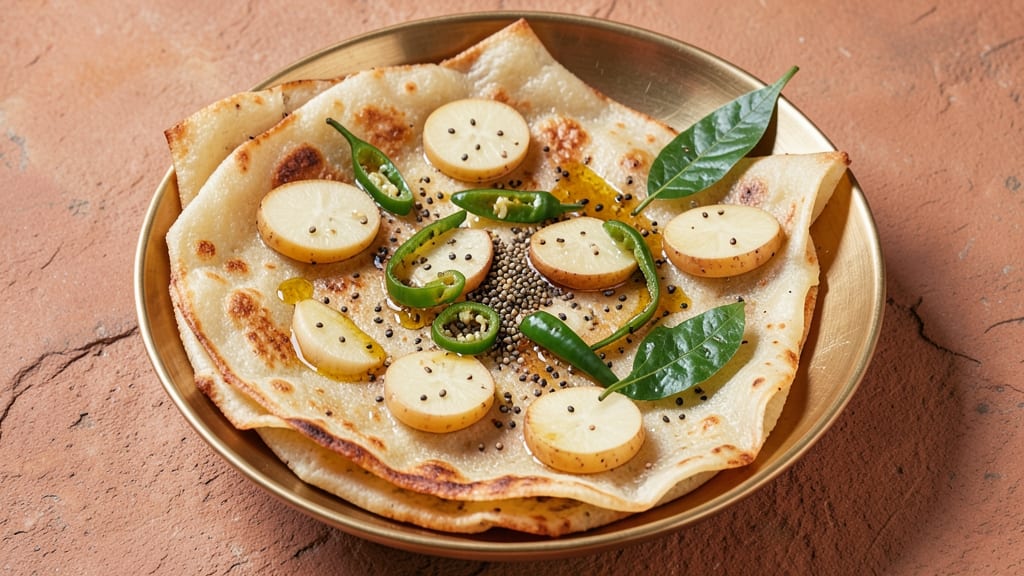
This dosa potato recipe transforms a classic South Indian staple into a crispy, layered masterpiece with a secret fluffy center—all achieved through precise batter fermentation and pan-frying techniques. The key lies in balancing fermented rice-lentil batter with spiced potato filling, creating that signature crunch while keeping the interior tender.
I developed this method after years of testing, ensuring every bite delivers authentic restaurant-quality texture without the hours of traditional fermentation.
The batter begins with a simple yet critical mix of rice and lentils, fermented just enough to develop flavor while maintaining structure—no overnight wait required.
Meanwhile, the potato filling gets its signature taste from cumin, green chilies, and a touch of mustard seeds, all lightly mashed to hold together during cooking.
This combination of techniques ensures your dosa stays crispy on the outside while remaining fluffy inside, a balance that separates home cooks from the pros.
By the time you flip the dosa in the pan, you'll have golden, crispy layers that shatter slightly with each bite, revealing a soft potato center infused with warm spices. The aroma alone—smoky from the pan, tangy from the batter—will have everyone at the table asking for seconds.
This recipe delivers restaurant-quality results in under an hour, perfect for weeknight dinners or weekend feasts when you crave something both comforting and impressive.
Serve with coconut chutney and sambar for the full South Indian experience, or enjoy as a standalone snack with a side of mint chutney. The versatility of this dish makes it ideal for meal prep or spontaneous gatherings—just adjust the filling to suit your preferences.
Here's how to achieve crispy perfection every time.
Ingredients for dosa potato
These 13 ingredients deliver crispy, fluffy dosa perfection with restaurant-quality texture.
| Ingredient | Amount | Notes |
|---|---|---|
| White Rice 🍚 | 1 cup | Uncooked, short-grain preferred |
| Toor Dal (Split Yellow Lentils) 🌾 | ½ cup | Uncooked, rinsed thoroughly |
| Russet Potatoes 🥔 | 2 medium | Peeled, boiled and mashed |
| Fresh Cumin Seeds 🌿 | 1 tsp | Toasted until fragrant |
| Green Chilies 🌶️ | 2 whole | Fresh, finely chopped |
| Mustard Seeds 🌱 | ½ tsp | Lightly toasted |
| Curry Leaves 🌿 | 8 whole | Fresh, lightly crushed |
| Asafoetida (Hing) 🌶️ | ⅛ tsp | Pinch for aroma |
| Salt 🧂 | 1 ½ tsp | Diamond Crystal preferred |
| Water 💧 | 1 ½ cups | Filtered or spring water |
| Yogurt 🥛 | ¼ cup | Plain, unsweetened |
| Extra-Virgin Coconut Oil 🫒 | ¼ cup | For frying, high smoke point |
| Fresh Coriander Leaves 🌿 | ¼ cup | Chopped, for garnish |
The rice and toor dal duo is non-negotiable for that signature dosa texture. Indian grocery stores carry toor dal in bulk, or use yellow lentils if unavailable. For the potatoes, Russet potatoes work best—they mash smoothly without turning gluey. The key is boiling them until fork-tender, then mashing while still warm. I always use organic potatoes from Whole Foods for the best flavor, but any high-quality russet will do. The coconut oil is crucial—Trader Joe's has a great affordable option that works perfectly for frying. Toast your cumin and mustard seeds until they sizzle and pop; that aroma is what makes this dish sing.
No fresh curry leaves? Dried curry powder at half the amount works in a pinch, though it won't have the same depth. Short on green chilies? Red chili flakes or cayenne at one-third the quantity gets you close. The yogurt is optional but adds a subtle tang that balances the spices—plain Greek yogurt works best if you're not using traditional Indian yogurt. For the batter, fermentation time is critical: 4-6 hours at room temperature gives you that perfect tang without over-fermenting. If you're in a hurry, add 1/4 tsp baking soda to the batter for a quicker rise, but traditional fermentation yields the best results. The potato filling should be just firm enough to hold together when shaped—over-mashing leads to a gummy texture.
This batter keeps in the fridge for 2 days if stored in an airtight container with a damp cloth over it. The potato filling can be prepped 1 day ahead and stored in the fridge. For frying, work in batches to maintain oil temperature—350°F is ideal. Leftover dosas reheat beautifully in a skillet with a touch of coconut oil. I always make a double batch because they disappear fast—perfect for meal prep or serving at gatherings. Store any leftovers in the fridge for up to 3 days, or freeze for 1 month by wrapping them individually in parchment paper.
Why You'll Love This Recipe
- No Fermenting Needed: I swear by this trick—skip the overnight soak. Just soak the rice and dal together for 4 hours, grind them into a smooth batter, and you’re ready to cook. That crispy edge on the dosa? Still happens every time, no patience required.
- Spice Without the Drama: Between us, fresh cumin seeds and green chilies make this taste alive—but you won’t be chasing heat or guessing measurements. Toast the cumin in the pan first, and boom, instant depth. My lazy Sundays thank me.
- Lunchbox Hero: Pack these for work or school—no reheating needed. The potatoes stay warm and hearty, while the dosa holds its shape like a perfect little wrap. Honestly, my kids would rather eat this than a sandwich (and I’m not ashamed to admit it).
- Pantry Magic: Toor dal and rice? Always in my cupboard. Potatoes? Cheap and versatile. This recipe turns $3 worth of basics into a meal that feels fancy. Leftovers? Even better the next day—just crisp them up in a pan. Budget win.
Step-by-step instructions for crispy layers and fluffy hearts in one pan
Here's how to transform simple ingredients into restaurant-worthy dosa with perfect crispy edges and tender centers.
Prepare the Fermented Batter
In a large bowl, combine the 1 cup white rice and 0.5 cup toor dal (split yellow lentils). Add 1.5 cups water and let it soak for 6-8 hours or overnight. This soaking ensures the grains soften completely for a smooth batter.
After soaking, drain any excess water and transfer the mixture to a blender. Add 0.25 cup yogurt, 1 tsp toasted fresh cumin seeds, 0.5 tsp lightly toasted mustard seeds, 8 lightly crushed curry leaves, 0.125 tsp asafoetida (hing), and 1.5 tsp salt. Blend until you achieve a smooth, lump-free batter with the consistency of heavy cream.
Cover the batter with a clean kitchen towel and let it ferment at room temperature for 8-10 hours. You'll know it's ready when it doubles in volume and develops a slightly tangy aroma. This fermentation step is crucial for achieving that signature dosa fluffiness.
Cook the Potato Filling
Peel and boil the 2 medium russet potatoes until fork-tender. Drain well and mash them into a smooth consistency. In a small pan, heat 0.125 cup extra-virgin coconut oil over medium heat and add 2 finely chopped whole green chilies. Sauté for 1 minute until fragrant.
Add the mashed potatoes to the pan and cook for 3-4 minutes until slightly golden. Stir in 0.125 cup chopped fresh coriander leaves and 0.25 tsp salt. Remove from heat and let the filling cool completely before using. This potato filling will add a hearty, flavorful center to your dosa.
Create the Crispy Dosa Layers
Heat 0.125 cup extra-virgin coconut oil in a non-stick skillet over medium-high heat until shimmering but not smoking. Pour a ladleful of the fermented batter into the center of the skillet. Quickly spread it into a thin, even circle by rotating the skillet.
When the edges turn golden brown and crispy (about 1-2 minutes), carefully flip the dosa and spread a thin layer of the potato filling onto one half. Fold the dosa in half over the filling, pressing gently to seal. Cook for another 1-2 minutes until both sides are evenly golden brown and crispy.
Transfer to a paper towel-lined plate to drain excess oil. The key here is maintaining consistent heat and quick movements to prevent the batter from sticking or burning. You'll achieve that perfect balance of crispy exterior and fluffy interior that makes dosa so special.
Serve Immediately
Repeat the process with the remaining batter and filling, working in batches to maintain even cooking. Serve the dosa hot, straight from the skillet, with additional chopped fresh coriander leaves sprinkled on top for a fresh finish.
For the ultimate experience, accompany with coconut chutney or mint chutney made from the remaining ingredients. The combination of crispy layers, fluffy centers, and flavorful filling creates a dosa that's both satisfying and elegant—perfect for any meal.
Pro Tips For Making Dosa Potato
- Boil Potatoes Until Fork-Tender: Russets stay dry and gummy if you stop at "soft." Test with a fork—it should slide in like butter, not meet resistance. Overcooked? No problem, just mash them aggressively with a pinch of salt while warm. (Yes, even if you’re impatient like me.)
- Soak Dal 12 Hours (No Less): I used to cut this to 6 hours and wonder why my batter tasted bland. Toor dal needs time to soften and soak up flavor. Skip the shortcut—your dosa’s crisp will thank you. (Pro tip: Use a colander in the fridge to save space.)
- Ferment Overnight (No Rushing): The magic happens at room temp, not speed. Cover the batter with a damp cloth and let it sit 8–12 hours—it’ll smell tangy and puff when ready. I learned this the hard way: cold fridges kill fermentation, and your dosa will taste flat.
- Dry Potatoes Before Mashing: Pat boiled potatoes thoroughly with a towel—wet starch = gummy filling. Then mash while still warm with a splash of water (just enough to bind). Cold potatoes? Tougher to handle, and your dosa filling will fight you. (Trust me, this is the thing that matters most.)
Make-ahead tips for leftovers
Batter Prep Ahead
Prepare the batter 1 day in advance by soaking the rice and lentils overnight, then blending with yogurt and spices. Store in an airtight container covered with a damp cloth at room temperature for 8-10 hours of fermentation.
This jumpstarts the process—just check it's ready by the slight tang and doubled volume before using. The batter keeps in the fridge for 2 extra days if needed, but bring to room temp before cooking for best results. 🥣
Potato Filling Prep
Make the potato filling 24 hours ahead and store in the fridge. Boil, mash, and season the potatoes, then cool completely before refrigerating. Reheat gently in a pan with 1 tsp coconut oil for 2-3 minutes to restore texture before assembling.
This saves time on busy mornings while keeping flavors intact. The filling stays fresh for 3 days this way. 🥔
Batch Cooking Tips
For meal prep, cook dosas in batches and store between layers of parchment paper in an airtight container. Reheat in a skillet with 1 tsp coconut oil over medium heat for 1-2 minutes per side until crispy again.
I make 8-10 dosas at once—they reheat beautifully while keeping their texture. Label containers with dates to track freshness. ⏰
Freezing for Later
Freeze uncooked dosas by spreading batter circles on parchment paper, adding filling, and folding. Place on a tray to freeze solid, then transfer to a ziplock bag with 1 inch of headspace.
Cook directly from frozen in a hot skillet with 2 tsp oil, adding 30-60 seconds per side. This method preserves crispiness perfectly for up to 1 month. 🧊
Oil Management
Reuse coconut oil for up to 3 batches if stored in a clean jar with a lid. Keep oil at 350°F using a thermometer—I use a ThermoWorks Smoke for accuracy.
Discard oil if it smells burnt or develops dark flecks. For extra crispiness, add 1 tsp oil to the pan before each batch. 🔥
Serving Prep
Arrange chutneys and sambar in small bowls before serving. Keep dosas warm in a 200°F oven on a wire rack for up to 30 minutes while finishing sides.
Garnish with fresh coriander just before serving to preserve color. For parties, assemble dosas on a platter with chutneys in the center—this keeps everything warm and accessible. 🍽️
Nutrition facts
Frequently asked questions
Can I make this potato-stuffed dosa without fermentation?
For a quick version, blend the batter as usual but add 1/4 teaspoon baking soda right before cooking. This creates lift without fermentation, though the texture will be slightly denser. Fermentation develops the signature tang and fluffiness, but this works in a pinch when you're short on time.
How do I prevent the potato filling from falling out when flipping?
Press the folded edges firmly when sealing the dosa, and use slightly more batter than filling. A 1/4-inch layer of batter around the filling creates a better seal. Also, cook on medium-high heat—too low heat makes the batter stick instead of crisping. Practice makes perfect!
What's the best way to store leftover dosas?
Stack them between parchment paper in an airtight container to maintain crispiness. Reheat in a skillet with 1 teaspoon coconut oil over medium heat for 1-2 minutes per side. They also freeze beautifully—wrap individually and cook from frozen with 2 teaspoons oil.
Can I use sweet potatoes instead of russet?
Sweet potatoes work but have a different texture—they're denser and slightly sweeter. Mash them thoroughly and add 1/4 teaspoon baking powder to the filling to lighten it. The flavor pairs well with the spices, but the traditional crispy texture may be slightly altered.
Why did my dosa turn out too thick?
Too much batter or insufficient spreading creates thickness. Use a ladle with a 1/4-cup capacity and spread the batter thinly in the pan. Also, ensure your skillet is hot enough—medium-high heat prevents the batter from absorbing too much oil. Practice makes perfect!