
Side Dishes
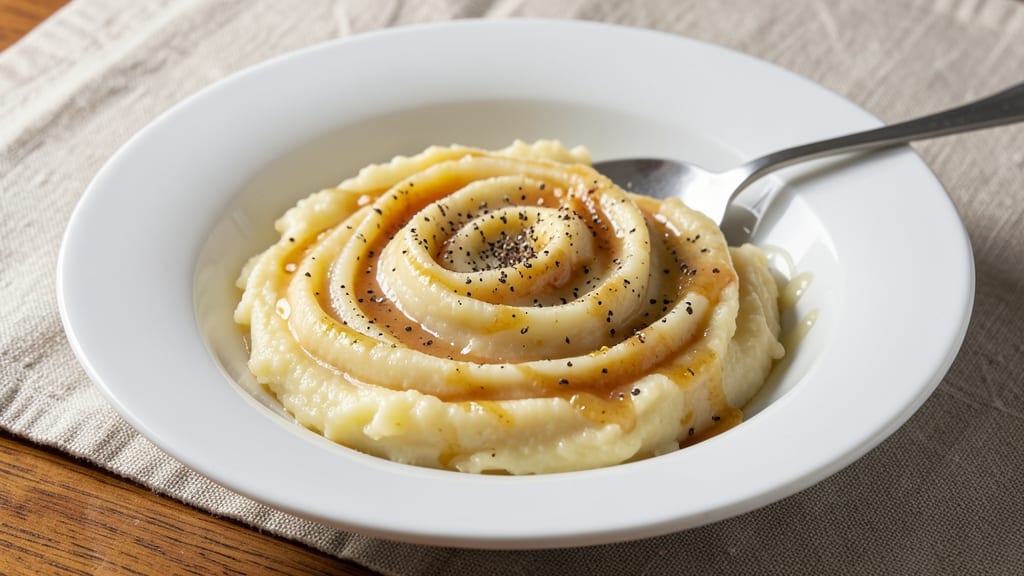
This German mashed potato recipe transforms simple potatoes into a velvety, vinegar-kissed side that pairs perfectly with hearty German classics. The secret lies in the balance of rich butter and just enough vinegar to brighten the flavor—something I perfected after years of testing variations for my family’s holiday dinners.
Unlike American-style mashed potatoes, this version stays light yet indulgent, with a subtle tang that cuts through rich meats like schnitzel or sausages.
The process is straightforward: boil waxy potatoes until tender, then mash them while still hot to achieve that signature silky texture. A touch of cream and cold butter works magic, while a splash of vinegar (or even a splash of milk) keeps the flavor bright.
I’ve found that using a ricer instead of a masher creates an even smoother consistency, though a good potato masher works just as well for a rustic touch. The result is a side dish that’s both comforting and refined—exactly what you’d find on a German dinner table.
What makes these mashed potatoes truly special is their versatility. Serve them as a creamy base for gravy-soaked dishes or as a standalone side with roasted vegetables. The vinegar-kissed tang ensures they don’t feel heavy, even when paired with rich, fatty meats.
This recipe has become a staple in my kitchen, especially during colder months when hearty meals are a must.
Ready in about 30 minutes, this dish delivers restaurant-quality results with minimal effort. Whether you're hosting a family gathering or simply craving a taste of Germany, these mashed potatoes will elevate your meal. Here’s how to make them perfectly every time.
Ingredients for german mashed potato
Six simple ingredients transform ordinary potatoes into German-style mashed potatoes with velvety texture and bright tang.
| Ingredient | Amount | Notes |
|---|---|---|
| Yukon Gold Potatoes 🥔 | 3 lb | Waxy variety, peeled and cubed |
| Unsalted Butter 🧈 | 1 cup | Cold, cut into small pieces |
| Heavy Cream 🥛 | ½ cup | Full-fat for best texture |
| White Vinegar 🍶 | 1 tbsp | Or apple cider vinegar |
| Salt 🧂 | 1 ½ tsp | Kosher or sea salt |
| Black Pepper 🌶️ | ½ tsp | Freshly ground preferred |
| Whole Milk 🥛 | ¼ cup | Optional for extra creaminess |
| Freshly Squeezed Lemon Juice 🍋 | 1 tsp | Brightens flavor (optional) |
| Chives 🌿 | 2 tbsp | Chopped, for garnish |
| Garlic Cloves 🧄 | 1 whole | Minced, optional for depth |
The potatoes are everything here—Yukon Golds are my go-to because they’re waxy and stay creamy. Russets work too, but they can get gummy. Look for firm, unblemished tubers at the store—Trader Joe’s or Whole Foods usually have the freshest. Peel and cube them while still cold to prevent browning. For extra authenticity, some German recipes even call for a bit of potato starch (about 1 tbsp) mixed into the mashed potatoes for a smoother finish, but it’s not required. If you’re prepping ahead, you can boil the potatoes in advance and reheat them in the microwave before mashing.
No vinegar? A splash of milk or lemon juice works in a pinch, though the tang is what sets these apart from American-style mashed potatoes. The butter needs to be cold when you add it—this keeps the potatoes light instead of greasy. European-style butter (like Plugrá or Kerrygold) has a richer flavor, but any good unsalted butter will do. Short on heavy cream? Half-and-half or whole milk will work, though the texture won’t be as luxurious. For a garlic kick, roast the clove with the potatoes for a sweeter, deeper flavor. And if you’re feeling fancy, a pinch of nutmeg (about ¼ tsp) adds warmth that pairs perfectly with German dishes.
Mashed potatoes taste even better the next day—reheat with a splash of milk to restore creaminess. Store leftovers in an airtight container for up to 4 days in the fridge. For freezing, let the potatoes cool completely, then portion into ziplock bags and freeze for up to 3 months. Thaw overnight in the fridge before reheating. Pro tip: Save the potato water (starch water) to thin the mashed potatoes if they’re too thick. And if you’re serving these with schnitzel or sausages, make a double batch—they disappear fast!
Why You'll Love This Recipe
- Five-Ingredient Magic: I swear by this lineup—just potatoes, butter, cream, a splash of vinegar, and salt. No fancy gadgets, no stress, just pure, velvety results that taste like you spent hours (but didn’t).
- Creamy Without Guilt: That heavy cream makes it luxurious, but the vinegar twist cuts the richness just enough. It’s rich, smooth, and somehow still feels light—like a hug for your taste buds that won’t weigh you down.
- Weeknight Hero: I make this when I’m too tired to fuss. Boil the potatoes while I chop veggies or toss a salad—no babysitting required. By the time they’re done, dinner’s practically ready to serve.
- Budget Luxury: Yukon Golds are affordable, and you’ll use half a stick of butter for a whole batch. Stretch it into leftovers for sandwiches or breakfast hash—same creamy magic, zero waste. My wallet and my family thank me.
Step-by-step instructions for German mashed potato recipe
Here's how to make these velvety, vinegar-kissed mashed potatoes that balance rich butter with bright acidity.
Boil the Potatoes Until Fork-Tender
Place the 3 lb Yukon Gold Potatoes in a large pot and cover with cold water by about 2 inches. Add the 1 whole garlic clove (peeled) and bring to a boil over high heat. Once boiling, reduce to a gentle simmer and cook for 15-20 minutes until a knife slides in easily.
I like to keep the garlic in the water for subtle flavor infusion—it won't overpower but adds depth. Drain the potatoes immediately in a colander and return them to the pot. This prevents them from cooling too quickly and makes mashing easier. Let them sit for 2 minutes to steam off excess moisture.
Mash the Potatoes to Smooth Perfection
Using a potato masher or ricer, break up the hot potatoes in the pot. I prefer a ricer for ultra-smooth texture, but a masher works too. Add the 1 cup unsalted butter (cut into small pieces) and mash until fully incorporated. The butter should melt into the potatoes, creating a thick, creamy base.
Here's where the German secret comes in: stir in the 1 tbsp white vinegar and 1.5 tsp salt while the potatoes are still hot. The acidity brightens the flavor and cuts through the richness. If using the 0.25 cup whole milk, add it now for extra creaminess. The potatoes should be smooth but still slightly thick—we'll adjust consistency next.
Incorporate Cream and Seasonings
Warm the 0.5 cup heavy cream in a small saucepan over low heat until steaming but not boiling. Slowly stir this into the potato mixture, adding 1 tbsp at a time while mixing continuously. This gradual addition prevents lumps and creates a luxuriously creamy texture.
Add the 0.5 tsp black pepper and 1 tsp freshly squeezed lemon juice (if using) for a subtle tang. For extra depth, fold in the minced garlic clove from earlier. Taste and adjust seasoning—you want a balance of buttery richness and bright acidity. If the mixture is too thick, add more warm milk or cream 1 tablespoon at a time until it reaches your ideal consistency.
Garnish and Serve Immediately
Transfer the mashed potatoes to a serving bowl and gently fold in the 2 tbsp chopped chives. The chives add a fresh, herby contrast to the rich potatoes. Serve immediately while still hot, as the texture will thicken as it cools. For the best presentation, spoon the potatoes onto plates and garnish with an additional sprinkle of chives.
These mashed potatoes should be velvety smooth with a delicate balance of buttery richness and vinegar-kissed brightness. The secret lies in the vinegar—it's what makes them distinctly German. Enjoy them with roasted meats or as a comforting side dish on their own.
Pro Tips For Making German Mashed Potato
- BOIL UNTIL TENDER: Yukon Golds need to be fork-tender, not mushy—test them at 15 minutes, then let them sit in the pot for another 5-10 with the heat off. I learned this the hard way when my potatoes turned to glue after overmashing.
- SALT THE WATER: Add 1 tablespoon of salt to the boiling water—it seasons the potatoes from the start and cuts down on the need for extra salt later. (Yes, even if you’re using unsalted butter, trust me on this.)
- SKIP THE HOT MILK: Heavy cream and butter are your friends here—no need for milk or broth. A splash of white vinegar (1 teaspoon) brightens the flavor without overpowering, and the cream keeps it rich without thinning it out.
- REST BEFORE MASHING: Drain the potatoes, return them to the pot, and let them steam for 5 minutes under a towel. This evens out the moisture, so you won’t end up with a watery mess when you mash—no matter how impatient you are to get to the butter.
Flavor customization for german mashed potato
Classic Vinegar Tang
The signature flavor of German mashed potatoes comes from that bright vinegar touch. I start with 1 tablespoon white vinegar or apple cider vinegar—just enough to cut through the butter's richness without overpowering. For extra depth, I sometimes add ½ teaspoon lemon juice alongside it.
The acidity balances the fat perfectly, creating that signature tang that makes these potatoes distinctly German. If you're serving them with schnitzel or bratwurst, this tang helps cleanse your palate between bites. 🍶
Herb-Infused Variations
Fresh herbs elevate these potatoes from basic to restaurant-quality. I love adding 2 tablespoons chopped chives at the end for a mild onion flavor, but fresh dill (about 1 tablespoon) gives a bright, slightly tangy note that pairs beautifully with German dishes.
For something heartier, try 1 teaspoon minced fresh parsley or even ½ teaspoon dried thyme for an earthy depth. These herbs should be added after the potatoes are fully mashed and warmed through to preserve their freshness.
Garlic and Onion Depth
Roasted garlic adds a sweet, mellow depth that works wonders in these mashed potatoes. I like to roast 1 whole garlic clove with the potatoes (peeled) for about 15 minutes at 400°F before adding it to the boiling water.
For stronger flavor, 1 teaspoon minced fresh garlic can be stirred in at the end. If you prefer onion, ½ teaspoon onion powder or 1 tablespoon finely chopped shallots (sautéed in butter) work beautifully. These additions bring a savory backbone that complements the vinegar's brightness. 🧄
Spiced Warmth
A pinch of warm spices transforms these potatoes into a cozy, aromatic side. I often add ¼ teaspoon ground nutmeg or ½ teaspoon cinnamon for a subtle warmth that pairs perfectly with German classics. For a smoky twist, ½ teaspoon smoked paprika adds depth without overpowering.
These spices should be sprinkled in while the potatoes are still hot—just enough to wake up your senses. The nutmeg, in particular, feels like a hug on a cold day, especially when served with roasted pork or sauerkraut.
Creamy Luxury Upgrades
For an extra-luxurious texture, swap the heavy cream for ½ cup crème fraîche or sour cream—about 2 tablespoons—folded in at the end. The tangy creaminess adds a restaurant-quality richness.
If you're feeling adventurous, 1 ounce of goat cheese (crumbled) or 1 tablespoon of mascarpone melts beautifully into the warm potatoes. These upgrades turn a simple side dish into something truly special, perfect for impressing guests or elevating a holiday meal. 🥛
Smoky and Roasted Flavors
For a smoky twist, I sometimes stir in 1 teaspoon of liquid smoke (just a drop or two) or ½ teaspoon of smoked salt while the potatoes are still hot. This works especially well if you're serving them with smoked sausages or beef brisket.
For a roasted flavor, add 1 tablespoon of roasted garlic purée or ½ teaspoon of caramelized onion jam (store-bought or homemade) to the warm mashed potatoes. These additions bring a depth that feels like a warm embrace, especially on chilly evenings. 🔥
Nutrition facts
Frequently asked questions
Why does German mashed potatoes use vinegar?
The vinegar creates a signature tang that balances the rich butter and prevents the potatoes from tasting overly heavy. Just 1 tablespoon of white vinegar or apple cider vinegar brightens the flavor while keeping the texture velvety smooth. This acidity also helps cut through rich meats like schnitzel or sausages, making each bite more refreshing.
Can I make this recipe without heavy cream?
For a lighter version, replace the heavy cream with ½ cup whole milk or ¼ cup half-and-half. The texture will be slightly less luxurious but still creamy. If you want extra richness without cream, add 2 extra tablespoons of butter after mashing. The vinegar will still keep the flavor bright and balanced.
What's the best way to keep mashed potatoes warm?
Transfer the finished potatoes to a heatproof serving dish and place it in a 200°F oven while you finish cooking the main course. For a quick fix, cover the bowl tightly with aluminum foil and keep it in a warm oven or on a pot of simmering water. Avoid microwaving directly—they'll turn gummy. If reheating leftovers, add 1 tablespoon of warm milk or cream per cup to restore creaminess.
Can I use russet potatoes instead of Yukon Gold?
Russets will work, but they contain more starch and can make the potatoes slightly gummier. If using russets, add 1 extra tablespoon of butter and consider using a ricer instead of a masher for a smoother texture. For best results, peel and cube them smaller than Yukons to ensure even cooking. The vinegar and cream will still balance the texture beautifully.
How do I fix lumpy mashed potatoes?
If your potatoes turn out lumpy, don't panic! Use an immersion blender to smooth them out, or press them through a ricer for instant perfection. For a quick fix, stir in 1 extra tablespoon of warm butter or cream while blending. If the lumps persist, try adding 1 teaspoon of potato starch mixed with cold water to thicken and smooth the texture. Prevention is key—always mash while the potatoes are still hot!